
Yes, you absolutely can do yoga after hip surgery, but it requires careful timing, professional guidance, and significant modifications. Starting yoga too soon or performing incorrect movements can risk complications like dislocation or delayed healing. However, when done safely under the direction of your surgeon and physical therapist, yoga can be a wonderful tool for regaining strength, flexibility, and balance as part of your recovery journey.
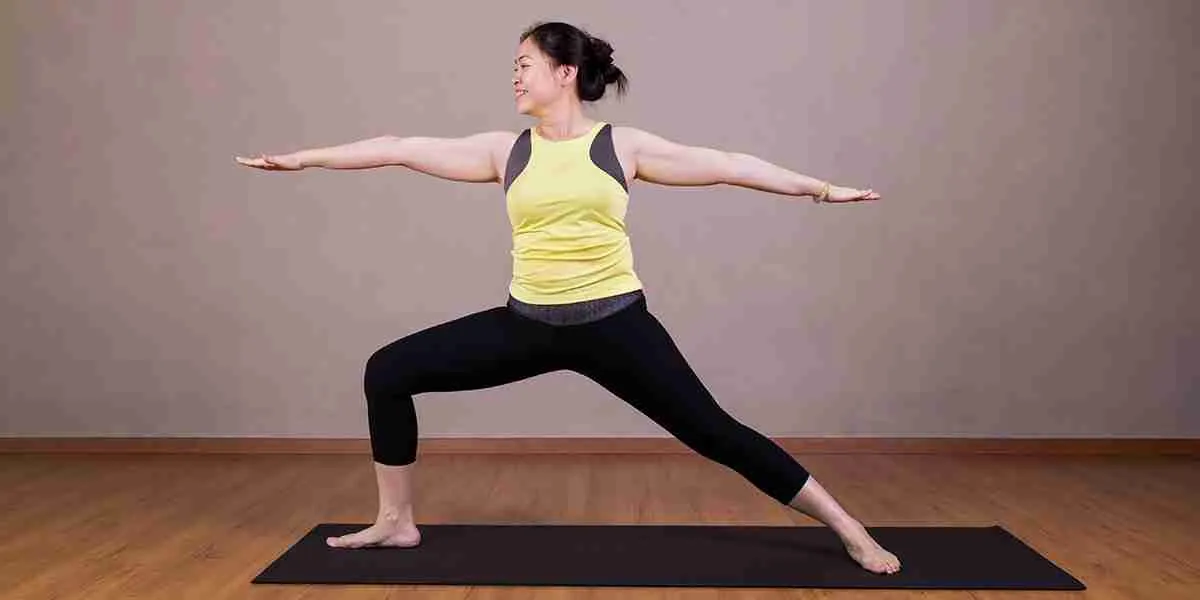
Image Source: www.jointreplacementhawaii.com
Reviewing Your Hip Surgery Journey
Hip surgery is a major event. Whether you had a total hip replacement or a hip arthroscopy, your body needs time to heal. The first few weeks after surgery are crucial. Your focus then is on following your surgeon’s post-operative instructions to the letter.
This includes managing pain and swelling. You also start very gentle movements. These first steps are often guided by a physical therapist. They teach you specific exercises. These are your initial hip replacement recovery exercises or post-operative hip exercises. They help prevent blood clots. They also keep your muscles from getting too weak.
Grasping the Recovery Stages
Recovery happens in phases.
H4: Immediate Post-Op (Weeks 0-6)
- Rest is key.
- Gentle movement within strict limits.
- Walking short distances with support.
- Starting basic physical therapy after hip surgery.
H4: Early Recovery (Weeks 6-12)
- Increasing walking distance.
- Building muscle strength.
- Improving range of motion carefully.
- More challenging hip replacement recovery exercises.
H4: Later Recovery (Months 3-6+)
- Returning to most daily activities.
- Working on balance and endurance.
- Getting clearance for more advanced exercises.
- Considering activities like gentle yoga after hip surgery.
The timeline for when to start exercising after hip surgery varies greatly. It depends on your surgery type, how well you heal, and your overall health. Your surgeon and physical therapist are your best guides here.
The Role of Early Movement
Right after surgery, movement might seem scary. But it is vital. Your physical therapist starts you on simple exercises quickly.
These post-operative hip exercises might include:
- Ankle pumps: Flexing your feet up and down.
- Quad sets: Tightening your thigh muscles.
- Glute sets: Squeezing your butt muscles.
- Gentle knee bends: Sliding your heel towards your butt while lying down.
These are not intense. They are designed to get blood flowing. They help wake up muscles without stressing the new joint or repaired tissues. Think of them as laying the foundation for more complex movements later. They are the starting point for your hip replacement recovery exercises.
Benefits and Cautions of Yoga Post-Surgery
Yoga offers many benefits for people recovering from hip surgery. It can improve flexibility in surrounding muscles. It builds strength needed for stability. It helps with balance. Yoga also reduces stress and promotes relaxation, which supports healing.
However, there are significant risks if yoga is not approached correctly.
Potential Risks
- Dislocation: This is a major risk, especially after a hip replacement. Certain movements can pop the ball out of the socket. Each surgery has specific “precautions” – movements to avoid.
- Anterior Approach Hip Replacement: Often need to avoid extending the leg backward too much, or externally rotating it (turning the foot out).
- Posterior Approach Hip Replacement: Often need to avoid bending the hip past 90 degrees, crossing the legs, or internally rotating the leg (turning the foot in).
- Hip Arthroscopy: Risks depend on what was repaired (labrum, bone spurs). Overstretching or forceful movements in certain ranges can harm the repair.
- Straining Muscles or Tendons: Your muscles around the hip are weak. They may have been cut during surgery. Overstretching or trying too hard can cause injury.
- Increased Pain or Swelling: Pushing too much too soon can set back your recovery.
This is why safe yoga after hip replacement or arthroscopy is non-negotiable. You must know your specific surgical precautions. You must listen to your body very carefully.
Determining When Yoga is Right for You
There is no single answer for when to start exercising after hip surgery, especially yoga. It is different for everyone.
H4: Key Factors to Consider
- Surgeon’s Clearance: This is the most important step. Your surgeon must say it is okay to add new activities.
- Physical Therapist’s Assessment: Your PT will evaluate your strength, range of motion, and stability. They will tell you if you are ready for gentle yoga after hip surgery.
- Type of Surgery: Recovery from hip arthroscopy might differ from a total hip replacement.
- How You are Healing: Are you still in significant pain? Is there swelling? Can you walk without much pain?
- Your Yoga Experience: If you did yoga before surgery, you might know modifications better. But you still need extreme caution with your new hip.
Typically, people might start thinking about gentle yoga after hip surgery several months into recovery. This is usually after they have finished formal physical therapy or are in the later stages. For some, it might be 3 months post-op. For others, it could be 6 months or even longer.
Starting with very basic movements is essential. Avoid jumping back into your old yoga routine. This phase is about modified yoga for hip pain and recovery, not advanced poses.
Adapting Your Practice: Modified Yoga is Key
For anyone doing yoga after hip surgery, modification is not an option. It is a requirement. You must protect your hip joint and surrounding tissues.
H4: Rules for Safe Yoga After Hip Replacement or Arthroscopy
- Know Your Precautions: Understand exactly which movements your surgeon told you to avoid. Stick to these limits strictly, in every pose.
- Avoid Deep Bends: Do not bend your hip past 90 degrees unless cleared by your surgeon/PT. This means no deep squats, no bringing your knee close to your chest aggressively, no deep forward folds from the hip.
- Limit Rotation: Be very careful with twisting movements or poses that forcefully turn your leg in or out. Again, follow your specific precautions.
- No Leg Crossing: Avoid crossing your legs, especially while sitting or lying down.
- Avoid High Impact: No jumping or hopping movements.
- Use Props Generously:
- Chair: Use a chair for balance in standing poses. Do seated poses in a chair instead of the floor.
- Blocks: Place blocks under your hands in forward folds (if doing gentle ones, respecting the 90-degree rule). Use blocks under your knees in reclined poses to keep hips neutral.
- Straps: Use a strap to gently reach for your foot in stretches, rather than bending excessively at the hip.
- Bolsters/Pillows: Use under knees in reclined poses or for support in seated poses.
- Keep Movements Small: Start with very small ranges of motion. Do not push to your maximum flexibility.
- Listen to Your Body: Pain is a signal. Stop immediately if you feel sharp pain, pinching, or instability in your hip. Mild discomfort is okay; pain is not.
This focus on modified yoga for hip pain ensures you build strength and flexibility safely. It is different from pre-surgery yoga. It is therapeutic movement aimed at supporting your recovery.
Gentle Yoga Poses for Hip Replacement and Recovery
When you get clearance to start, begin with simple, gentle poses. These are often similar to the post-operative hip exercises you learned, just framed in a yoga context.
H4: Safe Poses to Consider (After Professional Clearance)
- Supine Gentle Knee-to-Chest (Modified):
- Lie on your back. Keep the other leg straight or bent with foot flat.
- Gently hug ONE knee towards your chest. Crucially, do NOT bend your hip past 90 degrees. Use a strap around your thigh or shin to help, or only bring the knee up slightly. Go only as far as your precautions allow.
- Keep the movement slow and controlled.
- This is a modified version of a common pose, focusing on safe yoga after hip replacement.
- Supine Hip External Rotation (Modified):
- Lie on your back, knees bent, feet flat.
- Let one knee gently fall open to the side, keeping the other knee pointing up.
- Go only a small amount. Do not force it. Keep the movement within your pain-free range and surgical precautions.
- This is a basic total hip replacement yoga movement for gentle range.
- Supine Hip Abduction/Adduction (Modified):
- Lie on your back, legs straight or slightly bent.
- Slide one leg out to the side, then back in.
- Keep the movement small and controlled. Do not let your hips rock.
- Use a blanket under the heel to help it slide smoothly.
- Bridge Pose (Modified):
- Lie on your back, knees bent, feet flat, hip-width apart.
- Gently lift your hips a few inches off the floor. Do not lift high.
- Focus on squeezing your glutes.
- Do not push off your feet forcefully. Keep the movement small. This helps strengthen glutes, important for hip stability.
- Chair Pose (Utkatasana – Modified):
- Stand with a chair behind you.
- Gently sit back as if to sit in the chair, only lowering a few inches.
- Ensure your knees track over your ankles. Do not let knees go past toes.
- Use the chair for support or actually sit down if needed. This builds leg and glute strength without deep hip flexion.
- Warrior II (Virabhadrasana II – Modified):
- Take a very small step back with one foot. Your stance should be narrow.
- Ensure your front knee is over your ankle, bending only slightly. Do NOT bend the front knee deeply.
- Keep your hips facing mostly forward or slightly open, depending on comfort and precautions. Avoid forcing hip rotation.
- Focus on the strength in your legs and the length in your torso.
- Triangle Pose (Trikonasana – Modified):
- Use a short stance, similar to modified Warrior II.
- Place your bottom hand on a block, a chair, or your shin (not directly on the knee).
- Do not reach deeply towards the floor. Focus on opening the side body.
- Mountain Pose (Tadasana):
- Standing tall, feet hip-width apart.
- Focus on balance and posture. Engage core and glutes gently. This seems simple but is great for alignment and body awareness after surgery.
- Seated Poses (Modified):
- Sit on a chair or on the floor with legs extended. If sitting on the floor, sit on a bolster or cushion to raise your hips above your knees, helping maintain the 90-degree rule.
- Avoid crossed-leg positions (like Sukhasana or Padmasana). If you need to sit cross-legged for short periods (only if cleared), ensure your hips are much higher than your knees.
- Reclined Psoas Stretch (Modified):
- Lie on your back, hanging one leg off the edge of a bed or sturdy surface.
- Keep the other knee bent, foot flat on the bed.
- Allow the hanging leg to relax. You should feel a gentle stretch in the front of the hip.
- Ensure this motion is within your allowed range of extension.
This is not a complete list. It shows the type of movements that are generally safer. Always check with your physical therapist before trying any pose. They can tell you which yoga poses for hip replacement are safe for your specific case.
Considerations for Different Surgeries
While safe yoga after hip replacement shares principles with hip arthroscopy recovery yoga, there are differences.
H4: Total Hip Replacement (THR)
- The primary concern is preventing dislocation. This heavily dictates which poses are safe and how deep you can go.
- Emphasis is on building stability around the new joint.
- Range of motion might be limited by the implant and surgical approach. Do not force range.
H4: Hip Arthroscopy
- Concerns vary based on the repair. If the labrum was repaired, deep flexion or rotation might be restricted initially. If bone spurs were removed, impingement might be less of an issue over time, but soft tissues are healing.
- Recovery might focus more on restoring full range of motion and addressing underlying movement patterns that led to the problem.
- Still require caution with twisting and deep stretches, but the specific restrictions might differ from THR.
Always follow your surgeon and PT’s specific instructions for your type of surgery. What is safe for total hip replacement yoga might not be ideal immediately after arthroscopy, and vice versa.
Working with Your Care Team
Incorporating yoga safely into your recovery is a team effort.
H4: The Physical Therapist
Your physical therapist is your main guide for physical therapy after hip surgery. They help you:
- Regain strength and mobility.
- Reduce pain and swelling.
- Teach you how to move safely.
- Progress your hip replacement recovery exercises.
They are the experts on your specific hip and recovery needs. Discuss your interest in yoga with them. They can help you choose appropriate movements. They can tell you when to start exercising after hip surgery, including when yoga might be okay.
H4: Finding a Yoga Instructor
Once your PT gives you the go-ahead, find a yoga instructor who understands post-surgical limitations. Look for someone with experience in:
- Therapeutic yoga.
- Adaptive yoga.
- Working with students with injuries or medical conditions.
Share your surgical history and your precautions with the instructor. A good instructor will help you with modified yoga for hip pain. They will offer variations for poses. They will help you use props correctly.
Consider starting with private sessions. This allows the instructor to focus only on you and your needs. It ensures you learn the modifications safely before joining a class.
Building Your Yoga Practice Post-Surgery
Start small and slow. Your first yoga sessions after hip surgery should be very gentle. Think of them as moving meditations rather than intense workouts.
H4: Crafting Your Practice
- Begin with Breath: Start with simple breathing exercises (Pranayama). This calms the nervous system and increases body awareness.
- Warm Up Gently: Gentle movements while lying down or seated are a good start. Ankle circles, wrist circles, gentle head turns.
- Incorporate Safe Poses: Use the yoga poses for hip replacement that your PT approved. Focus on doing them correctly with modifications.
- Hold Poses Briefly: Do not stay in poses for a long time initially.
- Move Slowly: Transition between poses with care. Avoid quick or jerky movements.
- Include Relaxation: End your practice with Savasana (corpse pose). Use props (like a bolster under your knees) to be comfortable and keep your hip safe.
- Frequency: Start with short sessions (15-20 minutes) a few times a week. Gradually increase length and frequency as you feel stronger and more confident.
Remember, this is gentle yoga after hip surgery. The goal is to support healing, not push your limits.
Long-Term Hip Health with Yoga
Over time, as your hip heals and strengthens, your yoga practice can evolve. You might be able to do more poses. But you should likely always practice modified yoga for hip pain or past surgery. Your new hip, or the repaired tissues, will have different needs than a native, healthy joint.
Yoga can become a consistent part of your routine. It helps maintain the flexibility and strength you gained in physical therapy. It keeps you aware of your body and its limits. This awareness can help you prevent future injuries.
Yoga is not a replacement for physical therapy after hip surgery. It is a complementary activity. It supports your recovery and long-term well-being.
Key Principles for Ongoing Practice
- Stay Mindful of Limits: Even years out, be cautious with extreme ranges of motion or high-impact movements.
- Continue Modifying: Do not feel pressured to do poses like others in a class. Use props and variations that feel safe for your hip.
- Listen to Pain: Any new or increasing hip pain during or after yoga is a sign to back off and possibly consult your PT or surgeon.
- Vary Your Activity: Combine yoga with other safe exercises like walking, swimming, or cycling (when cleared).
Doing total hip replacement yoga or yoga after arthroscopy safely means accepting that your body has changed. It means practicing with intelligence and self-compassion.
Frequently Asked Questions (FAQ)
H4: How soon after hip surgery can I start yoga?
There is no fixed timeline. You must wait until your surgeon gives you clearance. This is usually several months after surgery, typically after you have made good progress in physical therapy after hip surgery. Your physical therapist will also assess your readiness. Starting too early can cause serious complications.
H4: What are the most important things to avoid in yoga after hip replacement?
This depends on your surgical approach (anterior vs. posterior). Generally, you must avoid:
* Bending your hip past 90 degrees (for posterior approach).
* Crossing your legs.
* Certain types of hip rotation (internal or external, depending on approach).
* High-impact movements.
Always follow your specific surgical precautions given by your doctor.
H4: Do I need a special yoga class?
It is highly recommended to start with one-on-one sessions with an instructor experienced in therapeutic or adaptive yoga. They can teach you modified yoga for hip pain specific to your needs and precautions. Joining a general class is possible later, but you must be confident in modifying poses yourself and communicate your needs to the teacher.
H4: Can yoga help with hip pain after surgery?
Yes, when done safely and with proper modifications, gentle yoga after hip surgery can help. It can improve muscle strength and flexibility around the hip. This can reduce strain on the joint and potentially alleviate pain. However, yoga should not replace your prescribed pain management plan or physical therapy.
H4: Are the yoga poses different for hip replacement versus hip arthroscopy recovery?
While many principles of safe yoga after hip replacement apply to hip arthroscopy recovery yoga (like listening to your body, using modifications), the specific limitations might differ. Hip replacement precautions are often focused on preventing dislocation. Arthroscopy recovery depends on the specific repair performed (labrum, bone spur removal). Your surgeon and PT will provide the most accurate guidance for your situation.
H4: Can I use props in yoga after hip surgery?
Yes, absolutely! Props like chairs, blocks, straps, and bolsters are essential tools for modified yoga for hip pain. They help you get into poses safely, support your body, and avoid putting stress on your hip joint. Using props is a sign of smart, safe practice, not weakness.
H4: What are some good post-operative hip exercises that are similar to yoga?
Many early hip replacement recovery exercises taught in physical therapy are gentle movements also found in basic yoga. Examples include:
* Ankle pumps and circles.
* Gentle knee bends while lying down.
* Small hip abduction/adduction slides.
* Gentle glute squeezes (Bridge pose prep).
These form a good bridge to more structured gentle yoga after hip surgery.
Doing yoga after hip surgery is possible and can be very beneficial. But it demands patience, careful planning, and a commitment to safety. Always get clearance from your medical team first. Start with gentle yoga after hip surgery. Embrace modified yoga for hip pain. Work closely with your physical therapist and a qualified yoga instructor. By following these expert tips, you can safely integrate yoga into your recovery and enjoy its many physical and mental rewards on your path to healing.