
Yes, you can usually exercise after a root canal, but you need to be careful and ease back into it. Right after the procedure, your body needs time to start the root canal recovery process. Doing too much too soon can cause problems. It’s important to listen to your body and follow your dentist or endodontist’s advice on when it’s safe to resume physical activity post root canal. This guide will help you understand how to safely return to exercise after dental surgery.
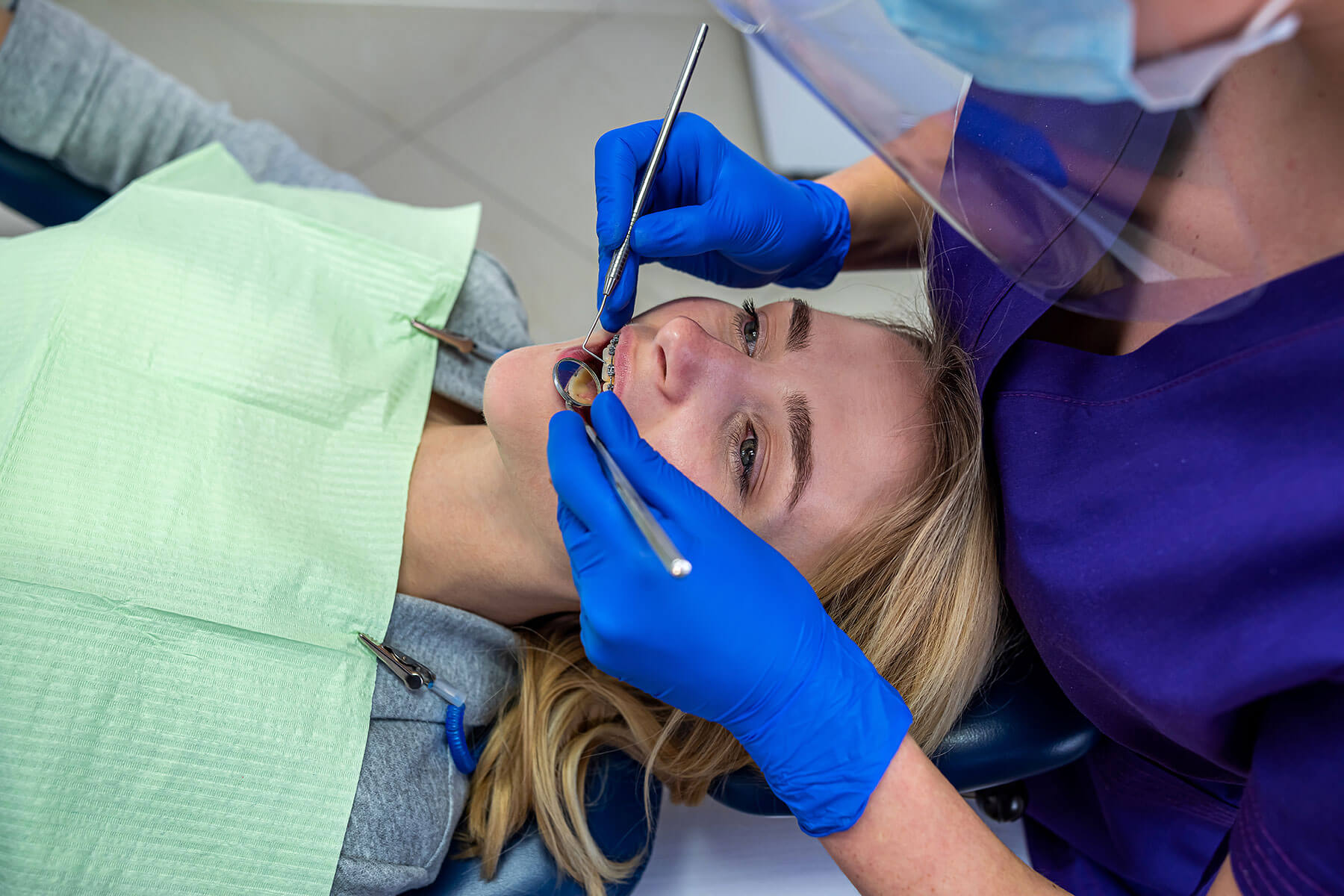
Image Source: www.supremedentistryhouston.com
Initial Steps in Root Canal Recovery
Getting a root canal is a common procedure. It saves a tooth that is infected or badly damaged inside. After the treatment, it’s normal to feel some discomfort or soreness. Your body starts working right away to heal the area around the tooth. This first stage of root canal recovery is important.
Right after your appointment, you might feel numb for a few hours because of the local anesthetic. Once this wears off, you may notice some pain or tenderness around the treated tooth and gum. You might also see some swelling after root canal treatment. These are normal signs that your body is healing.
Your dentist will give you instructions for pain management after root canal. This might include taking over-the-counter pain relievers like ibuprofen or acetaminophen. Sometimes, they might prescribe stronger medication if needed. Taking these as directed is key to staying comfortable and helping the healing process.
During these first 24 to 48 hours, your mouth is sensitive. The blood vessels in the area were worked on. Any activity that increases blood flow too much can make pain or swelling worse. This is why rest is usually recommended right after the procedure.
Think of it like any other time your body needs to heal. If you sprain your ankle, you rest it first before walking or running on it again. The same idea applies here. Give your mouth a chance to settle down.
Following the post root canal care instructions your dentist gives you is vital. This includes things like:
* Taking prescribed or recommended pain medicine on time.
* Avoiding chewing on the treated side of your mouth, especially until a final crown is placed.
* Keeping the area clean with gentle brushing and maybe a warm salt water rinse (ask your dentist if this is okay).
* Avoiding very hot or cold foods and drinks that could bother the sensitive area.
* Not smoking, as this can slow down healing.
These steps all help set the stage for a smooth root canal recovery.
Grasping the Healing Process
Understanding the healing time root canal involves knowing what happens inside your mouth after the procedure. During a root canal, the infected or damaged pulp (nerves and blood vessels) inside the tooth is removed. The inside of the tooth is cleaned and disinfected. Then, it’s filled with a special material to seal it off.
Even though the source of the infection is gone, the tissues around the tooth root and in the jawbone need time to recover. Your body’s immune system works to clear out any remaining bacteria and repair the surrounding tissues. This repair process involves sending blood and special cells to the area.
The immediate healing time root canal takes place over the first few days. This is when most of the initial pain and swelling after root canal should start to decrease. Within about a week, many people feel much better. However, complete healing of the bone and tissues around the root can take several weeks or even months.
You might have a temporary filling or crown placed after the root canal. This protects the tooth until your permanent crown is ready. This temporary cover is not as strong as a permanent one. It needs to be treated gently. Chewing on it or putting too much pressure on it, like you might do clenching your teeth during strenuous exercise after root canal, could potentially dislodge or break it.
The timeline for healing time root canal can vary. It depends on:
* How complex the root canal was.
* How severe the original infection was.
* Your overall health.
* How well you follow post root canal care instructions.
Most people can get back to their normal activities relatively quickly, but “normal” for exercise might need a slower start.
Why Rest is Important Early On
Immediately after your root canal, your body is busy with damage control and repair. This is why rest is important. There are specific risks of exercise after root canal, particularly intense activities, that you should know about.
When you exercise, especially activities that get your heart rate up significantly, your blood pressure increases. This increased blood flow goes throughout your body, including to the area where the root canal was done.
Higher blood flow to the treatment site can cause several issues:
- Increased Bleeding: Although significant bleeding after a root canal is uncommon, increased blood pressure from exercise could potentially cause some oozing from the injection site or the gum area around the tooth.
- More Pain and Throbbing: The extra blood flow can make the treated area throb and feel more painful. You might notice a pulsing sensation that wasn’t there when you were resting. This is your body reacting to the increased pressure in the blood vessels near the healing site.
- Worse Swelling: Increased blood flow can also contribute to more swelling after root canal. While some swelling is normal, exercise could make it worse and last longer than it should. Managing swelling after root canal is easier when you avoid activities that pump a lot of blood to the head and neck area.
- Dislodging the Temporary Filling or Crown: As mentioned, you likely have a temporary filling or crown. Activities that involve jarring movements, clenching your jaw, or potentially falling could put pressure on this temporary restoration. If it comes out, the tooth is exposed again, which can lead to pain and possibly re-infection. This is one of the significant risks of exercise after root canal.
- Delayed Healing: Overdoing it too soon can interrupt the delicate healing process. Your body needs energy to repair tissues. Pushing yourself physically can divert that energy or cause minor trauma to the healing area, slowing down root canal recovery.
This is why your dentist will likely tell you to take it easy for the first 24-48 hours. Avoiding strenuous exercise after root canal during this initial period is a key part of safe root canal recovery.
Interpreting the Timing: When to Exercise After Root Canal
Figuring out when to exercise after root canal is not a one-size-fits-all answer. It depends on your individual root canal recovery, how you feel, and the advice from your dentist. However, there are general guidelines most people can follow.
The First 24-48 Hours: Rest is Best
Right after the procedure, plan to rest. Avoid any form of physical activity post root canal that gets your heart rate up. This means no gym, no running, no heavy lifting. Gentle walking around the house is usually okay, but avoid anything more demanding. This period is crucial for reducing the initial swelling after root canal and getting a handle on pain management after root canal.
After 48 Hours: Consider Light Activity
If you feel significantly better after 48 hours, with reduced pain and swelling, you might be able to introduce some very light physical activity post root canal. This could include:
* Slow walking outside or on a treadmill.
* Gentle stretching.
* Very light yoga (avoiding positions where your head is below your heart, as this increases blood flow to the head).
The key is to keep your heart rate low and avoid any impact or movements that could jolt your jaw or put pressure on your face. If you feel any increased pain, throbbing, or discomfort in the treated area while doing this light activity, stop immediately. This is your body telling you you’re not ready yet.
A Few Days Later (Often 3-5 Days): Gradually Increase Intensity
If light activity goes well for a couple of days, and your root canal recovery is progressing nicely, you might be able to slowly increase the intensity and duration of your workouts. This is the stage where you start thinking about when to exercise after root canal more normally.
However, avoid jumping straight back into strenuous exercise after root canal. Start with moderate activity:
* Faster walking or light jogging.
* Cycling on a flat surface.
* Using an elliptical machine.
* Light weightlifting with lower weights than usual.
Pay close attention to how your mouth feels. If the pain or swelling increases, back off. If you feel any throbbing, stop. It’s better to take an extra day or two of rest than to cause a setback.
One Week and Beyond: Returning to Strenuous Exercise
For most people, by about a week after a root canal, the majority of the initial healing should be done, and the symptoms should be much better or gone. At this point, you might be able to return to strenuous exercise after root canal, like running, weightlifting, or high-intensity interval training (HIIT).
Again, this depends entirely on how you feel and your dentist’s specific instructions. If you had a complicated procedure, if you are still experiencing significant pain or swelling after root canal, or if you had issues during root canal recovery, your dentist might recommend waiting longer.
Before returning to full strenuous exercise after root canal, make sure:
* Your pain is well-managed with over-the-counter medication, or you have no pain at all.
* Any significant swelling after root canal has gone down.
* You feel generally back to normal.
* Your temporary filling or crown feels secure. If a permanent crown has been placed, the waiting time might be different – always check with your dentist.
Listen carefully to your body. It will give you signals if you are pushing too hard.
Light Physical Activity Post Root Canal
Let’s look closer at what kind of physical activity post root canal is generally considered safe in the early stages. The goal is movement without putting stress on the healing area.
- Gentle Walking: This is one of the safest options. A slow walk around the block or on a treadmill keeps your body moving without significantly raising your heart rate or blood pressure. It can even help improve circulation slightly, which might aid healing, but without the risks of intense exercise. Start with short walks (10-15 minutes) and see how you feel.
- Stretching: Light, gentle stretching can help keep your muscles from getting stiff. Avoid stretches that involve significant head movement or putting pressure on your jaw or face. Focus on simple stretches for your arms, legs, and back.
- Very Light Yoga or Pilates: If you practice yoga or Pilates, stick to beginner-level routines that don’t involve inversions (where your head is below your heart), intense core work that makes you clench your jaw, or poses that put pressure on your face. Think restorative poses or gentle flows. Avoid hot yoga, as the heat can potentially increase swelling after root canal.
- Using a Stationary Bike (Low Resistance): If you have a stationary bike, pedaling slowly with very low resistance can be a good option. The key is to keep your heart rate in the low to moderate zone. Avoid standing up on the pedals or pedaling against heavy resistance, as this often involves clenching your jaw.
The most important rule for any physical activity post root canal in the first few days is: If it causes pain, throbbing, or makes you feel worse, stop. Your root canal recovery is the priority.
Gradual Return to Strenuous Exercise After Root Canal
Once you’ve successfully managed light to moderate activity without issues, you can start thinking about returning to strenuous exercise after root canal. This transition should be slow and careful.
What counts as strenuous exercise after root canal?
* Running or jogging at a fast pace.
* Heavy weightlifting.
* High-intensity interval training (HIIT).
* Contact sports (basketball, soccer, martial arts).
* Swimming (especially vigorous laps).
* Any activity that leaves you feeling very breathless and significantly raises your heart rate and blood pressure.
Before attempting these activities, make sure you’ve had at least a few days where you felt comfortable with moderate exercise and had minimal to no pain or swelling after root canal.
Here’s how to approach the return to strenuous exercise after root canal:
- Start Shorter and Less Intense: Don’t do your longest run or lift your heaviest weights on the first day back. Try a shorter version of your usual strenuous workout at a slightly lower intensity. For example, if you usually run 5 miles, try 2 miles at an easier pace.
- Monitor Your Symptoms: Pay close attention during and after the workout. Do you feel increased throbbing in your jaw? Is the pain worse? Has the swelling after root canal returned or increased? If yes, you might need more root canal recovery time.
- Listen to Your Body: This cannot be stressed enough. If something feels off, stop. Don’t push through pain in the treated area.
- Consider Your Specific Activity:
- Running/Jumping: Activities with impact can potentially jolt the jaw. If you have a temporary restoration, this could be risky. Wait until you feel very secure or have your permanent crown.
- Weightlifting: Avoid exercises that make you clench your jaw hard (like heavy squats or deadlifts). Also, be careful with overhead presses, as increased pressure in the head could be uncomfortable. Start with lighter weights and higher reps.
- Contact Sports: These should be avoided until the tooth is fully restored with a permanent crown and all tenderness is gone. The risk of getting hit in the mouth is too high.
Returning to strenuous exercise after root canal is the final step in resuming your normal physical activity post root canal. It requires patience and careful monitoring. Most people can get back to these activities within a week to ten days, but it’s essential to follow the signals your body gives you.
Handling Symptoms While Exercising
Even when following the recommended timeline for when to exercise after root canal, you might notice some symptoms during or after activity. It’s important to know how to react.
- Increased Pain or Throbbing: If you start exercising and feel the treated tooth or jaw area begin to throb or hurt more than it did before you started, stop the exercise. This is a sign that the activity is putting too much stress on the healing tissues. Rest, and consider trying a lighter activity the next day, or wait another day before trying again. You might need some extra pain management after root canal if this happens.
- Swelling Seems Worse: If you notice that swelling after root canal increases during or after exercise, back off on the intensity or duration. Apply a cold compress to the outside of your cheek (20 minutes on, 20 minutes off) to help reduce swelling.
- Bleeding or Oozing: While unlikely with most exercise, if you notice any bleeding from the treatment site, stop exercising immediately. Contact your dentist to let them know.
- Temporary Filling Feels Loose: If your temporary filling or crown feels wobbly or like it’s about to come out during exercise, stop. Avoid chewing on that side and contact your dentist right away. They will need to re-cement or replace it. Dislodging the temporary is one of the direct risks of exercise after root canal.
Managing symptoms while exercising is part of the process of understanding your personal healing time root canal. It’s okay to push yourself in training sometimes, but root canal recovery is different. Be gentle and prioritize healing.
Essential Post Root Canal Care Instructions
Your dentist will give you specific post root canal care instructions. Following these is critical for smooth root canal recovery and impacts when to exercise after root canal safely.
Key instructions typically include:
- Medication: Take antibiotics if prescribed to clear any remaining infection. Take pain relievers as recommended for pain management after root canal. Don’t wait for pain to become severe before taking medication.
- Eating: Avoid eating on the treated side until the numbness wears off to prevent biting your cheek or tongue. Once numbness is gone, eat soft foods for the first few days. Avoid hard, chewy, or sticky foods on the treated side, especially if you have a temporary filling or crown. This prevents damage to the temporary restoration, reducing risks of exercise after root canal related to jaw movement.
- Oral Hygiene: Gently brush and floss around the treated tooth to keep the area clean. Keeping the area clean helps prevent infection and promotes good root canal recovery. Rinsing with warm salt water might be recommended by your dentist to help with swelling after root canal and cleanliness.
- Avoiding Certain Habits: Don’t smoke, as it significantly delays healing. Avoid chewing ice or using the tooth as a tool.
- Getting the Permanent Restoration: A root canal-treated tooth is more brittle. It needs a permanent crown to protect it from fracturing. Schedule this appointment as soon as your dentist recommends it. Until the permanent crown is on, you are at higher risk of fracturing the tooth, which is another reason to be cautious with strenuous exercise after root canal or any activity that could cause impact or jaw clenching.
- Follow-up Appointments: Keep any scheduled follow-up appointments with your dentist or endodontist. They will check on your healing.
Following these post root canal care instructions closely helps ensure your body is healing properly, which directly affects how quickly and safely you can return to exercise after dental surgery.
Potential Issues and When to Call the Dentist
While most root canal recovery processes go smoothly, sometimes issues can arise. It’s important to know what is normal and what isn’t, so you know when to exercise after root canal is truly safe or if you need to seek help.
Call your dentist or endodontist if you experience:
- Severe Pain Not Helped by Medication: Some pain is expected, but if it’s intense and doesn’t get better with the prescribed or recommended pain management after root canal, it could be a sign of a problem.
- Swelling That Worsens or Spreads: Some swelling after root canal is normal, but it should gradually decrease over a few days. If swelling gets worse after the first 2-3 days, spreads to other areas of your face or neck, or makes it hard to swallow or breathe, this is an emergency.
- Signs of Infection: This includes increasing pain, swelling, redness, warmth, a bad taste in your mouth, or a fever.
- Allergic Reaction: If you develop a rash, itching, or difficulty breathing after taking medication, seek immediate medical help.
- Temporary Filling or Crown Comes Out: As mentioned under risks of exercise after root canal, this needs prompt attention to protect the tooth.
- Numbness That Doesn’t Go Away: Numbness from the anesthetic should wear off in a few hours. If you have prolonged numbness, contact your dentist.
If you experience any of these issues, delay returning to any significant physical activity post root canal until you’ve seen your dentist and the problem is resolved. These complications affect your healing time root canal and make resuming exercise after dental surgery unsafe.
Factors Influencing Recovery and Exercise Timing
Several factors can affect your healing time root canal and therefore influence when to exercise after root canal.
- Complexity of the Procedure: Some root canals are more straightforward than others. A complex case, like one involving curved canals or a severe infection, might require a longer root canal recovery period.
- Severity of the Infection: A significant infection before the root canal can mean more inflammation and tissue damage, potentially leading to more swelling after root canal and a longer healing time root canal.
- Your Overall Health: People with chronic conditions like diabetes or those with compromised immune systems may heal more slowly. Smoking also significantly impacts healing.
- Age: Healing rates can sometimes be slower in older individuals.
- How Well You Follow Post Root Canal Care Instructions: Skipping medication, eating the wrong foods, or not keeping the area clean can slow down healing and increase the risks of exercise after root canal.
- Individual Healing Rate: Everyone heals differently. Some people bounce back very quickly, while others need more time.
Considering these factors helps set realistic expectations for your root canal recovery and when to exercise after root canal. Always err on the side of caution if you have any doubts.
Exercise Timeline After Root Canal: A Quick Guide
Here’s a simple table summarizing a typical timeline for resuming physical activity post root canal. Remember, this is a general guide. Always listen to your body and your dentist’s advice.
| Time After Root Canal | Recommended Activity Level | Notes |
|---|---|---|
| Day 1-2 | Rest. Very light walking around the house only. | Avoid any strenuous activity. Focus on rest, pain management, and following care instructions. Risks are highest during this time. Swelling after root canal and pain are most likely. |
| Day 3-5 | Light Activity. Gentle walking, light stretching, gentle yoga (no inversions). | If you feel better, introduce low-intensity activity. Keep heart rate low. Stop if you feel pain/throbbing. Pay attention to root canal recovery. |
| Day 5-7 | Moderate Activity. Faster walking, light jogging, cycling on flats, light weights. | If light activity felt fine, gradually increase intensity. Continue monitoring symptoms closely. Make sure pain management after root canal is effective. |
| After 7-10 Days | Gradual Return to Strenuous Exercise. Running, heavier weights, etc. | If symptoms have significantly improved or are gone. Start with shorter, less intense versions of strenuous workouts. Listen to your body! Consider risks of exercise after root canal until fully healed. |
| After Permanent Crown | Resume normal activity level once cleared by dentist. | The tooth is now protected. You can usually return to all previous activities, including strenuous exercise after root canal. Follow any final post root canal care instructions. |
This table provides a helpful overview for when to exercise after root canal, moving from careful rest to resuming your full physical activity post root canal.
Deciphering Pain and Swelling
Pain management after root canal is a key part of the early recovery phase. It’s normal to have some discomfort. This is your body’s response to the procedure. Your dentist will recommend pain relievers. Taking these on a schedule, even if you don’t feel severe pain yet, can help keep discomfort under control.
You might feel pain when you touch the area, chew, or if pressure is applied. This usually gets better over the first few days. Thobbing pain, especially with increased activity, is a sign of increased blood flow to the area and suggests you might be pushing too hard.
Swelling after root canal is also common. It might be visible on your face or just feel like puffiness around the treated tooth. Cold compresses applied to the outside of the cheek can help reduce this in the first 24-48 hours. After that, some dentists recommend warm compresses or salt water rinses (check with yours first). Like pain, swelling should gradually decrease.
Knowing the difference between normal post-procedure symptoms and signs of a problem is crucial for safe root canal recovery. If pain or swelling is worsening after the first 2-3 days, or if you have other symptoms like fever, call your dentist. Don’t try to “work through” severe pain or increasing swelling with exercise. This increases risks of exercise after root canal.
Effective pain management after root canal means you can focus on healing and gradually ease back into physical activity post root canal without unnecessary discomfort.
Frequently Asked Questions (FAQ)
How long after a root canal do I have to wait to exercise?
Typically, you should wait at least 24-48 hours before doing any exercise beyond light walking. For more strenuous activities, it’s usually recommended to wait about 5-7 days, or until your symptoms like pain and swelling have significantly improved. Always listen to your body and your dentist’s specific advice.
What kind of physical activity is safe right after a root canal?
Very light activities like slow walking around the house are generally safe immediately after. Avoid anything that raises your heart rate and blood pressure significantly in the first couple of days.
Can exercising make my pain or swelling worse after a root canal?
Yes, it can. Increasing your heart rate and blood flow too soon after a root canal can lead to increased throbbing, pain, and swelling after root canal. This is one of the main risks of exercise after root canal in the early recovery period.
When can I return to strenuous exercise like running or weightlifting?
Most people can consider returning to strenuous exercise after root canal about a week to ten days after the procedure, provided their root canal recovery is going well, and major symptoms are gone. Start slowly and monitor how you feel.
Is it okay to do yoga after a root canal?
Gentle yoga that avoids inversions (where your head is below your heart) and strenuous poses might be okay after the first 48 hours, if you feel up to it. Avoid hot yoga. Listen to your body and stop if you feel any discomfort in your jaw or the treated area.
What are the risks of exercising too soon after a root canal?
The risks of exercise after root canal done too soon include increased pain, increased swelling after root canal, increased bleeding, dislodging the temporary filling or crown, and potentially delaying the healing time root canal.
What should I do if my temporary filling falls out while I’m exercising?
Stop exercising immediately. Keep the temporary filling if possible. Contact your dentist right away. Avoid chewing on that side until you can see your dentist to have it replaced.
How important are post root canal care instructions for exercise?
Following post root canal care instructions, such as taking medication as directed and avoiding chewing on the treated side, is very important. These steps help ensure proper root canal recovery, which directly impacts when to exercise after root canal safely. If you don’t follow care instructions, you might prolong healing or cause issues, delaying your return to physical activity post root canal.
My jaw hurts when I clench it during exercise. Is that normal?
Avoid activities that cause you to clench your jaw, especially heavy lifting. Clenching puts pressure on the treated tooth and surrounding tissues. If you feel pain when clenching, it’s a sign that the area is still sensitive and not ready for that kind of stress.
What is the typical healing time root canal before I’m completely back to normal?
While initial symptoms improve greatly in the first few days to a week, complete healing of the bone and tissues around the root can take several weeks or even months. However, most people feel well enough to return to most activities, including strenuous exercise after root canal, much sooner than that, usually within a week to ten days, after initial root canal recovery.
Summary
Returning to exercise after dental surgery like a root canal requires patience and care. Your root canal recovery is the top priority in the first few days. Rest is crucial to allow the initial swelling after root canal and pain to subside.
Begin introducing physical activity post root canal slowly, starting with light movement like walking after the first 24-48 hours. Gradually increase intensity as your symptoms improve. Pay close attention to signs from your body – increased pain, throbbing, or swelling mean you should stop and rest more.
Avoid strenuous exercise after root canal, heavy lifting, and activities with impact or jaw clenching until you are well into your root canal recovery (often about a week). Remember the risks of exercise after root canal done too soon, like dislodging your temporary filling or causing more pain and swelling.
Follow all post root canal care instructions from your dentist regarding medication for pain management after root canal, oral hygiene, and eating habits. These instructions support your healing time root canal and your safe return to activity.
By following these guidelines and listening to your body, you can safely get back to your regular exercise routine after a root canal. If you have any concerns about your root canal recovery or when to exercise after root canal, don’t hesitate to call your dentist.