
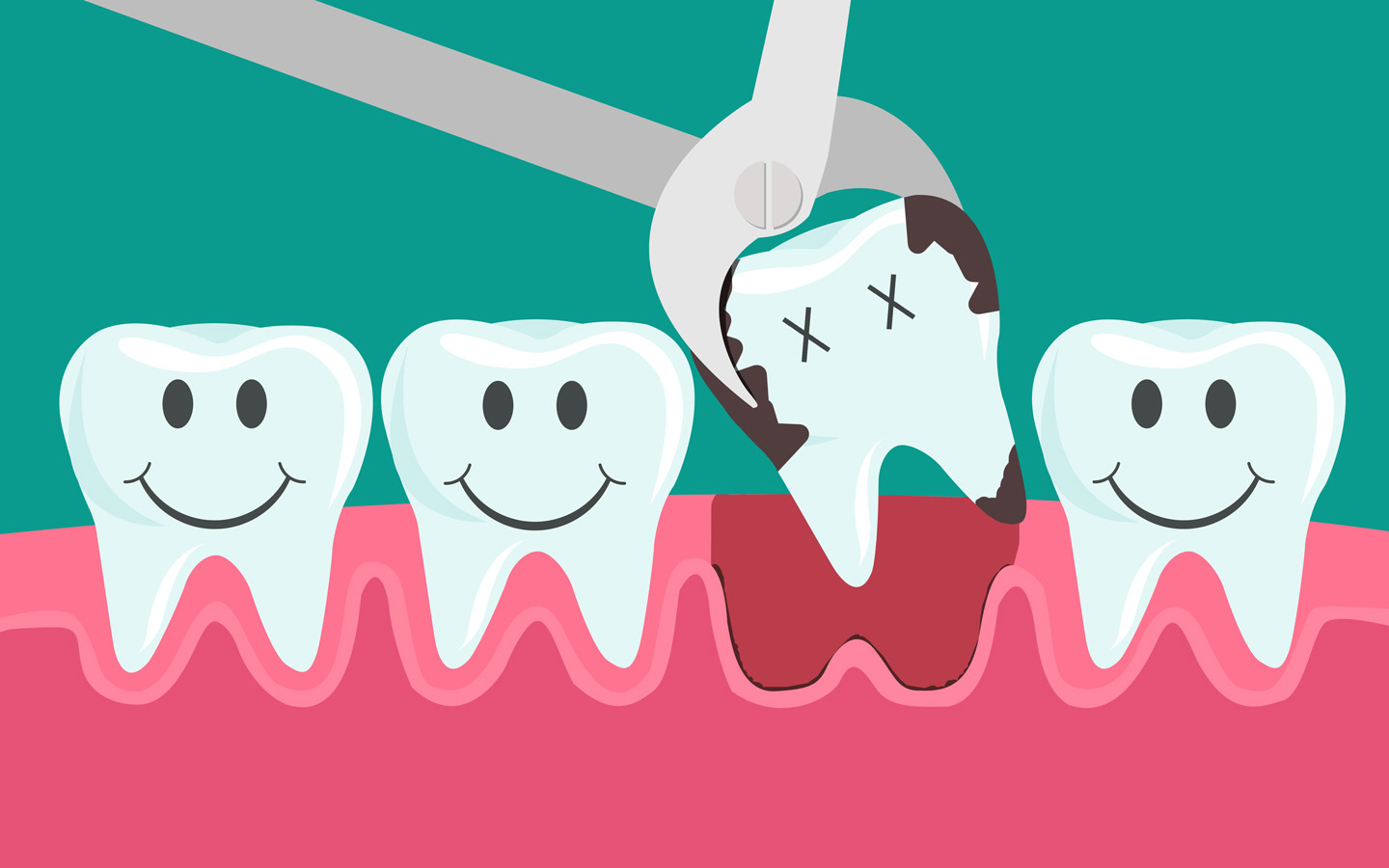
Image Source: www.medicomdtx.com
When Is It Safe? Can You Exercise After A Tooth Extraction
You just had a tooth taken out. You’re probably thinking about getting back to your normal life. One big question is often, “Can I exercise after a tooth extraction?” The short answer is, no, not right away. Exercising too soon can cause serious problems like bleeding, swelling, and a painful condition called dry socket. It’s very important to give your body time to heal properly after a tooth extraction. Your dentist will give you specific post-extraction exercise guidelines, and following them is key for good tooth extraction recovery.
Why Waiting is Necessary
Right after a tooth is pulled, a blood clot forms in the socket. Think of this clot like a natural bandage. It protects the bone and nerves underneath. It also helps the new tissue grow. Doing any kind of physical activity too soon can mess up this clot.
The Risk of Bleeding
Exercise makes your heart beat faster. Your blood pressure goes up. This extra blood flow can dislodge the new blood clot. If the clot comes out, the extraction site might start bleeding again. Heavy bleeding is not good for healing. It can also be messy and uncomfortable.
Coping with Swelling
It is common to have swelling after tooth removal. Exercise can make swelling worse. Physical activity increases blood flow to all parts of your body, including the area where the tooth was removed. More blood flow can mean more swelling. Resting helps keep swelling down. Using an ice pack on your cheek can also help manage swelling after tooth removal.
Preventing Dry Socket
This is one of the biggest reasons to avoid strenuous exercise tooth extraction. A dry socket happens when the blood clot in the tooth socket dissolves or gets knocked out too early. This leaves the bone and nerves exposed. It is very painful. It also makes healing take much longer. Actions like sucking (straws, smoking) or spitting forcefully can cause dry socket. Exercise, especially intense exercise, can also increase the risk. The increased pressure and activity in your mouth or body can disturb the clot. Dry socket prevention is a major part of post-extraction care. Avoiding exercise is a key step in this prevention.
The Stages of Healing After Tooth Extraction
Healing takes time. It happens in steps. Knowing these steps helps you understand why rest is important.
The First 24 Hours
This is the most critical time.
* A blood clot forms. This is the goal.
* You might have some light bleeding.
* Swelling usually starts.
* Pain is managed with medicine.
* You should rest completely. No bending over, no lifting heavy things. Absolutely no exercise. Drink lots of water. Eat soft foods.
Days 2 to 3
- The blood clot should be firm.
- Swelling might be at its worst.
- Any bleeding should have stopped.
- You still need to be very gentle with your mouth.
- You can start gentle salt water rinses (ask your dentist when it’s safe).
- Avoid vigorous rinsing or spitting.
- Light exercise after extraction might be possible for some, but it depends on how you feel and what your dentist said. Most people should wait longer.
Days 4 to 7
- Swelling should start to go down.
- Pain should get better.
- The socket is starting to close.
- The risk of dry socket goes down significantly after 3-4 days, but it’s still possible.
- You can slowly start adding more foods to your diet.
- You might feel ready for some light activity.
One Week and Beyond
- Swelling and pain should be mostly gone.
- The socket is closing more.
- You can usually return to normal activities, including exercise, as long as you feel good and your dentist approves.
- Full healing takes several weeks or even months, but the surface is usually closed much sooner.
Dentist Advice Tooth Extraction: Your Guide
Your dentist is the best person to tell you when you can exercise after tooth extraction. Every extraction is different.
* Was it a simple pull?
* Was it a surgical extraction (like a wisdom tooth that was impacted)?
* How many teeth were pulled?
* Are you generally healthy?
* Did you have any problems during the extraction?
All these things affect how quickly you heal. Your dentist knows your specific situation. They will give you instructions. Follow them closely.
Always ask your dentist:
* When can I start light activity?
* When can I go back to my normal exercise routine?
* What signs should I look for that mean I’m pushing too hard?
They might tell you to wait 24 hours, 48 hours, 72 hours, or even a full week before any exercise. Listen to their advice.
Interpreting Post-Extraction Exercise Guidelines
Your dentist’s instructions are your personal map to recovery. They will likely give you a list of do’s and don’ts. Exercise is usually a big “don’t” in the first phase.
Here are some common guidelines related to activity:
- Rest Immediately: Stay home, relax, keep your head raised with pillows.
- Avoid Bending Over: This increases blood flow to your head and mouth.
- Avoid Lifting Heavy Things: This also puts strain on your body and can raise blood pressure.
- Do Not Use Straws: The sucking action can dislodge the clot.
- Do Not Smoke: Smoking slows healing and greatly increases dry socket risk.
- Avoid Spitting Forcefully: This can also disturb the clot.
- Gentle Activities Only: For the first few days, limit yourself to very light tasks around the house.
When they say you can start light exercise after extraction, they usually mean activities that don’t make your heart pound or require much effort.
What is Considered Light Exercise After Extraction?
Once your dentist says it is okay, you can try very light activity. The goal is to move a little without raising your heart rate much or causing pressure in your mouth.
Examples of light exercise might include:
- Slow Walking: A leisurely stroll around your house or yard. Not a brisk walk for fitness.
- Gentle Stretching: Slow, easy stretches that don’t involve bending over or straining.
- Very Gentle Yoga: Avoid poses that involve inversions (head below heart) or require a lot of effort or breath holding.
- Short, Easy Errands: If you feel up to it, a short trip to the store, but avoid carrying heavy bags.
The key is to listen to your body. If you feel throbbing, pain, or notice new bleeding, stop immediately. You are doing too much.
When Can I Exercise After Tooth Extraction More Seriously?
Returning to your normal workout routine takes longer. This includes jogging, weightlifting, intense cardio, sports, etc. This is considered strenuous exercise tooth extraction.
Most dentists recommend waiting at least 3 to 5 days before considering a return to moderate exercise. For strenuous exercise, it’s often 7 days or even longer.
Here’s a general idea of a possible timeline, but always confirm with your dentist:
| Time After Extraction | Activity Level Recommended | Notes |
|---|---|---|
| First 24 Hours | Complete Rest | Essential for clot formation. No activity at all. |
| Days 2-3 | Mostly Rest / Very Light Movement | Gentle walking only if feeling well. Avoid bending. |
| Days 4-6 | Light Exercise (if approved) | Slow walking, gentle stretching. Monitor closely. |
| Day 7 and Beyond | Gradually Return to Moderate/Normal | Start slow, listen to your body. Avoid high-impact/strain initially. |
This table is a general guide. Your tooth extraction recovery might be faster or slower. Wisdom tooth removal or surgical extractions often require a longer rest period than simple extractions.
Gradually Returning to Your Routine
When your dentist gives the green light to increase your activity, don’t jump back in at your usual level. Start slow.
- Reduce Intensity: If you usually run 5 miles, start with a brisk walk or very slow jog for a short distance.
- Reduce Duration: Do shorter workouts than usual.
- Avoid High Impact: Jumping, running fast, or activities that jolt your body can be risky.
- Avoid Activities That Require Pressure Changes: Scuba diving or flying soon after extraction can be problematic (though less common exercise).
- Stay Hydrated: Drink plenty of water, but sip it, don’t use a straw.
- Listen to Your Mouth: If you feel throbbing, aching, or pain in the extraction site while exercising, stop. This is your body telling you it’s too much.
- Listen to Your Body: Feeling dizzy, weak, or unwell are also signs to stop.
Building back up slowly helps you see how your body reacts. It lowers the chance of problems.
Potential Problems from Exercising Too Soon
We’ve talked about the main risks. Let’s look at them again clearly.
- Increased Bleeding: The clot comes out, bleeding restarts.
- More Swelling: Makes you uncomfortable and can slow healing.
- Dry Socket (Alveolar Osteitis): Severe pain, bad smell/taste, delayed healing. Needs more trips to the dentist. Dry socket prevention is key to avoid this.
- Pain: Exercise can make the extraction site hurt more.
- Bruising: Increased blood flow can make bruising around the extraction site or jaw worse.
- Infection: While less direct, disturbing the healing site can potentially make it more open to bacteria.
These problems make your tooth extraction recovery longer and more difficult. It’s simply not worth the risk to exercise too soon.
Grasping the Healing Process for Exercise
Understanding what’s happening inside your mouth helps explain the waiting game.
- Clot Formation (Hours 0-24): A jelly-like clot fills the socket. This is fragile. Any force can dislodge it. Exercise is a definite no.
- Tissue Granulation (Days 1-7): New soft tissue starts to grow over the clot. This tissue is also delicate at first. It provides a protective layer. Light exercise might be okay if approved by dentist during the later part of this phase.
- Bone Remodeling (Weeks to Months): Over time, the bone around the socket reshapes, and new bone fills in the socket. This is a long process. By the time you’re back to normal exercise, this process is just beginning. The main concern for early exercise is the soft tissue and clot, not the bone healing itself.
The initial healing of the soft tissue cover is what protects you from dry socket and infection. This is why the first week is so important for rest and careful activity.
When to Call Your Dentist
Even if you are resting, problems can happen. If you have any of these signs after exercising (or even if you haven’t):
- Heavy bleeding that doesn’t stop after applying pressure with gauze.
- Severe pain that pain medicine doesn’t help.
- Pain that starts a few days after the extraction and is very bad (sign of dry socket).
- Swelling that gets worse after 2-3 days, or spreads.
- Signs of infection: Fever, pus from the site, worsening pain and swelling.
- Numbness that doesn’t go away.
- Trouble breathing or swallowing.
Call your dentist right away. Don’t wait. Your dentist advice tooth extraction covers what to do in case of problems.
Planning Your Return to Fitness
Instead of worrying about when you can exercise, focus on healing well first. Think of tooth extraction recovery as a temporary break. Use the time to rest, eat well (soft, nutritious food), and follow your dentist’s instructions.
Once you get the okay for light exercise after extraction, plan simple activities. Maybe a short walk in a park. As days pass and you feel better, you can slowly add more.
Consider lower-impact activities first, even when returning to normal. Swimming (once the site is well-healed and stitches are out/dissolved, check with dentist), cycling, or elliptical training might be better options than running or heavy weightlifting initially.
Long-Term Healing After Tooth Extraction
While you can usually return to exercise within a week or two, full healing of the bone and gum tissue takes much longer. However, the risk of complications from exercise (like dry socket or bleeding) is highest in the first few days. Once the initial clot is stable and tissue starts to cover the site, the risk drops.
Continuing to follow general good health practices helps overall healing:
* Good Oral Hygiene: Gentle cleaning around the site as directed by your dentist.
* Healthy Diet: Nutritious foods help your body repair itself.
* Avoiding Smoking: This is critical for good healing.
Summarizing Post-Extraction Exercise Guidelines
Let’s put the main points together for tooth extraction recovery and exercise:
- Rest is mandatory immediately after extraction. No exercise for at least 24-48 hours.
- Risks of early exercise: Bleeding, increased swelling after tooth removal, and dry socket.
- Listen to your body. Pain or throbbing means stop.
- Listen to your dentist. Their advice is tailored to you. Ask “when can I exercise after tooth extraction?” specifically.
- Light exercise after extraction might be possible after a few days, but only very gentle activities like slow walking.
- Strenuous exercise tooth extraction should be avoided for at least a week, often longer.
- Return to exercise gradually. Don’t do too much too soon.
- Dry socket prevention is a major goal in the first few days. Avoiding activity is a key part of this.
- Know the signs of complications and call your dentist if you see them.
Focus on healing first. Your fitness routine can wait a few days. A smooth tooth extraction recovery means you can get back to full activity sooner in the long run. Pushing too hard now could set you back weeks.
Frequently Asked Questions (FAQ)
Q: How long exactly do I have to wait before exercising after a tooth extraction?
A: Most dentists recommend waiting at least 24-48 hours for any activity. For moderate exercise, it’s often 3-5 days. For strenuous exercise, it’s usually 7 days or more. Always ask your specific dentist, as recovery varies.
Q: What happens if I exercise too soon after getting a tooth pulled?
A: Exercising too soon can increase bleeding, make swelling worse after tooth removal, and increase your risk of getting a painful dry socket.
Q: Can I do light walking the day after a tooth extraction?
A: Maybe, but only if your dentist says it’s okay and you feel up to it. It must be very slow and gentle walking. If you feel any throbbing or discomfort, stop. Many dentists recommend waiting at least 48 hours even for light exercise after extraction.
Q: When is the risk of dry socket highest?
A: The risk of dry socket is highest in the first 3-4 days after the extraction. This is why rest and following aftercare instructions (like avoiding exercise, straws, and smoking) are most important during this time for dry socket prevention.
Q: Can I lift weights after a tooth extraction?
A: Heavy lifting counts as strenuous exercise tooth extraction. It significantly increases blood pressure and strain. You should avoid weightlifting for at least a week, and likely longer, depending on the weight and your recovery. Start with very light weights when you do return, after getting approval from your dentist.
Q: What are the signs I overdid it with exercise?
A: Signs you exercised too soon or too hard include increased bleeding from the extraction site, more throbbing or pain in the area, increased swelling, or feeling dizzy or unwell. If this happens, stop exercising and rest. If bleeding or pain is severe, call your dentist.
Q: Is gentle yoga okay a few days after?
A: Very gentle, restorative yoga might be okay after 3-4 days if approved by your dentist. Avoid any poses that put your head below your heart, require straining, or involve rapid movements. Focus on slow, easy stretches only.
Q: How does a surgical extraction affect the exercise timeline?
A: Surgical extractions, like impacted wisdom teeth removal, are often more complex and require more healing time. Your dentist will likely recommend a longer period of rest before returning to any form of exercise compared to a simple extraction.
Q: Will exercising make my swelling after tooth removal worse?
A: Yes, exercise increases blood flow, which can definitely make swelling worse or prevent it from going down. Resting helps minimize swelling.
Q: My tooth extraction recovery is going well, can I exercise earlier?
A: It’s great that you feel good, but it’s still crucial to follow your dentist’s timeline. Even if you feel fine, the blood clot and early healing tissue might still be fragile. Rushing back to exercise can disturb the site and cause problems you didn’t anticipate. Stick to the dentist advice tooth extraction.