
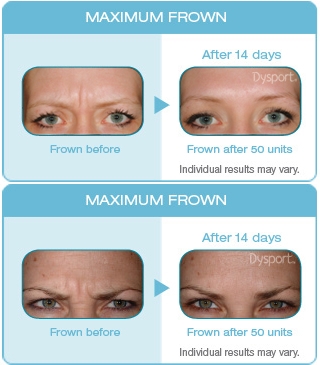
Image Source: aesthetics-by-eileen.com
Getting Dysport? Read This First.
Many people want to look their best. They might choose treatments like Dysport. Dysport is a medicine used to smooth out lines on the face, often between the eyebrows. It works by relaxing small muscles there. A common question pops up after getting this treatment: Can you exercise after Dysport? The quick answer is generally no, not right away. You need to wait a little bit. Doing too much too soon can cause problems. This guide will tell you everything you need to know about working out after Dysport.
Why You Need to Wait on Exercise
You just got Dysport. The medicine needs time to settle. It needs time to start working in the right spots. Exercise can make this harder. Let’s look at why.
What Dysport Does
Dysport is a type of botulinum toxin. Don’t let that big word scare you. It’s a purified protein. When a doctor puts small amounts into specific muscles, it tells those muscles to relax. This makes the skin over the muscles look smoother. It softens wrinkles. The goal is for the medicine to stay right where the doctor put it. It needs to connect with the muscle fibers there.
How Movement Affects Dysport
Think of the Dysport medicine like tiny drops of water. When you put them on something, they need time to soak in. If you shake or move the thing right away, the drops might spread to places you didn’t want them to go. Exercise does something similar.
The Idea of Spreading
When you exercise, your body does many things. Your heart pumps faster. Blood flows more quickly. Your muscles move. You might sweat. All this activity can make the Dysport medicine move slightly away from the spot where it was placed. Doctors call this “diffusion” or “migration.” If the medicine spreads too much or moves to the wrong muscle, it might not give you the look you wanted. It could affect muscles it wasn’t meant to.
Risks of Moving Too Soon
Jumping into exercise right after your Dysport shots carries risks. These risks are why doctors tell you to wait. The risks focus on how well the treatment works and how your body reacts.
Bad Results
The main risk is that your results won’t be as good. The Dysport might not relax the muscles as much as expected. Or, it might relax muscles it shouldn’t. This could lead to an uneven look. One side of your face might look different from the other. This is usually because the medicine spread.
Not Working Well
Exercise increases blood flow. This faster blood flow might make the body clear the Dysport away faster. If the medicine doesn’t have enough time to settle and connect with the muscle, it won’t work as strongly. The wrinkles might not smooth out as much. The effect might wear off sooner than it should. The whole treatment might feel less effective.
More Bruising or Swelling
Getting injections means a needle goes into your skin. This can sometimes cause a little bruise or swelling at the injection site. Exercise increases your heart rate and blood pressure. This can make blood vessels expand slightly. Doing this right after injections can make any bruising or swelling worse. It might take longer for these small side effects to go away.
The Best Time to Start Moving Again
So, when can you exercise after Dysport? This is a key question for most people. There is a commonly recommended waiting time.
The Golden Rule
Most doctors tell you to wait at least 24 hours after getting Dysport before doing any vigorous exercise. Vigorous means anything that gets your heart rate up high, makes you sweat a lot, or requires a lot of physical effort.
Why 24 Hours?
This 24-hour window gives the Dysport medicine time to settle into the muscle. It allows the medicine to start binding to the nerve endings that control the muscle movement. After about 24 hours, the medicine is generally more stable in the injected area. The risk of it spreading significantly due to normal activities or moderate exercise is much lower. The injection sites also have time to start healing a little bit.
Why Maybe Longer is Better
While 24 hours is the standard advice, some doctors suggest waiting even longer. Some might say 48 hours. There are reasons for this. Everyone’s body is different. Some people might be more prone to bruising or swelling. Some might have faster circulation. Waiting 48 hours adds an extra layer of safety. It gives the Dysport even more time to become fully effective and stable in the tissue. If you plan to do very intense physical activity, waiting the full 48 hours might be a safer bet. Always follow the specific advice your doctor gives you. They know your treatment and your body.
Exercise After Dysport: What to Avoid at First
Knowing the waiting time is one thing. Knowing what to avoid is another. Certain types of physical activity are riskier than others right after getting Dysport. You need to follow specific Dysport exercise restrictions.
Things to Stay Away From
For the first 24 to 48 hours, you should avoid activities that increase blood flow to your face, involve heavy straining, or put pressure on the treated area.
- Heavy lifting after Dysport: Lifting weights, especially heavy ones, makes you strain. You often clench your jaw or use face muscles. This increases blood pressure in your head and face. This pressure and increased blood flow can push the Dysport medicine around. It’s best to avoid heavy weightlifting completely for at least 24-48 hours. This includes really tough gym workout after Dysport sessions.
- Running after Dysport: Running or other high-impact cardio makes your heart pump very hard. Your body gets hot, and you sweat a lot. This all boosts blood flow everywhere, including your face. The bouncing motion of running might also not be ideal right away. Wait the recommended time before you go for a significant run.
- Gym workout after Dysport: Most full gym sessions involve a mix of things to avoid. There’s cardio that increases heart rate, weights that cause straining, and potentially lying down on benches or machines that could put pressure on your face. It’s safest to skip the gym entirely for at least 24 hours.
- Anything causing lots of sweating or heat: Hot yoga, saunas, steam rooms, or even just sitting in direct, intense sun after exercise can cause issues. Heat increases blood flow and can make swelling worse. Avoid these for 24-48 hours. Physical activity after Dysport injections that makes you very hot is risky.
- Positions where head is down: Activities like certain yoga poses (downward dog), sit-ups, or even just bending over a lot can cause blood to rush to your head. This is another way to increase pressure and blood flow in the treated area, raising the risk of the medicine spreading.
Table: Exercise Restrictions After Dysport
| Activity Type | Recommended Wait Time | Why Wait? |
|---|---|---|
| Light Walking | Okay almost anytime | Gentle, low risk |
| Strenuous Cardio (e.g., Running after Dysport) | At least 24 hours (48 hours better) | Increases heart rate, blood flow, heat |
| Heavy Weight Lifting (Heavy lifting after Dysport) | At least 24 hours (48 hours better) | Straining, increased pressure in head |
| Gym Workout (General Gym workout after Dysport) | At least 24 hours (48 hours better for intense) | Combines cardio, lifting, head positions |
| Hot Yoga / Sauna / Steam | At least 24-48 hours | Intense heat, increased blood flow, sweating |
| Activities with Head Down | At least 24 hours | Increases blood pressure in the head |
| Swimming | At least 24 hours | Can involve head down positions, chlorine can irritate (wait until injection sites closed) |
This table gives a simple guide. Remember the standard wait time exercise Dysport is at least 24 hours for most things.
Easing Back into Physical Activity
The waiting period is over. Great! Now you can start moving again. But it’s still a good idea to ease back in. Don’t go straight to your most intense workout ever. These are your post-Dysport exercise recommendations.
Gentle Options
For the first day or two after your waiting period, start with gentle physical activity after Dysport injections.
* Walking: Going for a walk is perfect. It’s low impact. It doesn’t cause straining or significant increases in head blood flow.
* Light Stretching: Gentle stretching is usually fine. Avoid stretches that require you to put your head below your heart for long periods.
* Light Yoga: If you practice yoga, stick to very gentle flows that keep your head mostly upright. Avoid inversions or intense power yoga right away.
These activities help you get moving without putting stress on the treated areas.
When Can I Do More?
After the first 24-48 hours, you can gradually return to your normal exercise routine.
* Day 2 or 3: You can likely start with moderate cardio. This could be cycling at a normal pace, using an elliptical, or a brisk walk. You can try lighter weights than usual. Avoid going to failure or doing sets that cause you to hold your breath and strain hard. A full gym workout after Dysport can usually resume around 48 hours if it’s not excessively strenuous.
* Day 3-4 onwards: Most people can fully resume their regular exercise schedule, including running after Dysport (longer distances/faster pace) and heavier lifting after Dysport. The risk of the Dysport moving is very low by this point.
Always increase your intensity slowly. See how your body feels.
Listening to Your Body
This is the most important tip. Pay attention to how you feel. If you feel any pressure, throbbing, or discomfort in the treated area during an activity, stop. It’s better to be safe than sorry. Your body will give you clues. Don’t push through pain or weird sensations right after getting Dysport.
Other Important After-Care Tips
Besides exercise, there are other things you should do after getting Dysport. These tips help make sure the treatment works well and reduce side effects.
Don’t Touch the Area
Try not to rub, massage, or apply pressure to the areas where you got injections for at least 24 hours. Touching too much can push the medicine to other muscles you didn’t want treated. Be gentle when washing your face or applying makeup.
Stay Upright
For the first 4-6 hours after your appointment, try to stay upright. Don’t lie down flat. This simple step also helps keep the Dysport medicine localized. It uses gravity to help it settle correctly. So, no naps right away!
Avoid Heat
Besides heat from exercise (saunas, hot tubs), also avoid prolonged exposure to strong sun or tanning beds for a day or two. Like exercise, heat can increase blood flow and potentially worsen bruising or swelling.
What If I Accidentally Exercised?
It happens. Maybe you forgot or misjudged the time. You did some physical activity after Dysport injections sooner than recommended. Don’t panic! One light, accidental burst of activity is unlikely to ruin everything.
* Stop Immediately: As soon as you remember, stop the exercise.
* Assess: Are you feeling any unusual effects? Lots of throbbing? Severe pain?
* Observe: Keep an eye on the treated area over the next few days. Look for signs of unevenness or unexpected muscle weakness.
* Contact Your Doctor: If you are worried, or if you notice strange side effects or poor results, call your doctor’s office. They can advise you on what to do or schedule a follow-up if needed.
While exercising too soon is not recommended due to the risks exercising too soon after Dysport, a single instance of accidental, light activity might not cause major issues. The risks increase with intensity and duration of the exercise.
Talking to Your Doctor
This entire guide gives general advice. But the best advice comes from the person who gave you the Dysport shots.
* Ask Before You Leave: Always ask your doctor or nurse about their specific post-treatment instructions before you leave the clinic.
* Mention Your Routine: Tell them what kind of exercise you normally do. Are you a runner? A weightlifter? Do you do hot yoga? This information helps them give you advice tailored to your life.
* Follow Their Guidance: If your doctor gives you different instructions (maybe they say wait 48 hours because of your medical history or the injection sites), follow their advice exactly.
Your doctor is the expert on your treatment. They can give you the most accurate wait time exercise Dysport guidance for your situation.
Summary: Key Things to Remember
Let’s quickly go over the main points about exercising after Dysport. Keeping these simple rules in mind helps protect your results.
- Wait: The most common rule is wait at least 24 hours before intense exercise. Waiting 48 hours is even safer for some. This covers the crucial wait time exercise Dysport.
- Avoid Intense Activity: For the first day or two, avoid anything that significantly raises your heart rate, makes you sweat a lot, causes straining (like heavy lifting after Dysport), or involves having your head down. This includes running after Dysport, heavy lifting after Dysport, and many gym workout after Dysport activities.
- Physical Activity After Dysport Injections: Stick to very light movement like gentle walking initially.
- Minimize Risks: Waiting helps prevent the Dysport medicine from spreading, which protects your results and lessens risks like bruising or unevenness. These are the key Dysport exercise restrictions.
- Listen: Pay attention to your body when you do return to exercise.
- Ask: Always get specific post-Dysport exercise recommendations from your doctor.
Following these simple steps greatly improves the chance of having a great result from your Dysport treatment. It minimizes the risks exercising too soon after Dysport.
Questions People Ask Often (FAQ)
Here are answers to some common questions about exercise and Dysport.
Q: Can I go for a walk right after Dysport?
A: Yes, light walking is usually fine right after getting Dysport. It’s low impact and won’t likely cause issues. Just avoid power walking or getting very hot.
Q: How soon can I run after Dysport?
A: It’s best to wait at least 24 hours before running after Dysport. Some doctors recommend waiting 48 hours, especially for intense runs.
Q: Can I lift weights after Dysport?
A: Avoid heavy lifting after Dysport for at least 24-48 hours. Light weights with no straining are okay after 24 hours, but heavy lifting increases blood pressure in the head and is riskier early on.
Q: What counts as “vigorous” exercise?
A: Vigorous exercise is anything that makes you breathe hard, significantly raises your heart rate, and makes you sweat a lot. Think intense cardio, heavy lifting, or demanding sports.
Q: Why do I need to wait 24 hours?
A: Waiting 24 hours gives the Dysport medicine time to settle into the muscle and start working. This reduces the chance of it spreading to other areas when your blood flow increases with exercise.
Q: Can I do yoga after Dysport?
A: Gentle yoga that keeps your head mostly upright is likely okay after 24 hours. Avoid hot yoga, power yoga, or poses where your head is down for extended periods for at least 24-48 hours.
Q: Will exercising too soon ruin my Dysport results completely?
A: Not necessarily “ruin” them, but it can make them less effective or less even. It increases the risks. It’s better to wait to get the best possible result.
Q: How does exercise affect bruising after Dysport?
A: Exercise increases blood flow. This can make any potential bruising or swelling at the injection sites worse and make it last longer.
Q: Can I do light activities like cleaning or shopping?
A: Yes, normal daily activities like cleaning, shopping, or office work are perfectly fine after Dysport. These are not considered vigorous exercise.
Q: Should I avoid bending over?
A: Try to avoid repeatedly bending over or keeping your head lower than your heart for long periods for the first few hours after treatment. Short periods are usually okay.
Q: When can I get a massage after Dysport?
A: Avoid facial massages for at least 24-48 hours. Pressure on the area can cause the Dysport to spread.
Q: My doctor said I only need to wait 4 hours. Is that okay?
A: Always follow the specific instructions given by your treating doctor. They know your individual case and can give tailored advice, though 24 hours is the more common recommendation for exercise.
This guide helps you care for yourself after Dysport. By following these simple rules about exercise and after-care, you help ensure you get the beautiful, smooth results you wanted. Be patient with your body, and enjoy the benefits of your treatment!