
Can you exercise in a hot tub? Yes, you generally can exercise in a hot tub, also called a jacuzzi or spa, but you must do so with care and awareness of the potential risks because the warm water affects your body differently than cooler water. Warm water offers unique benefits for certain types of exercise, especially gentle movements and stretching.
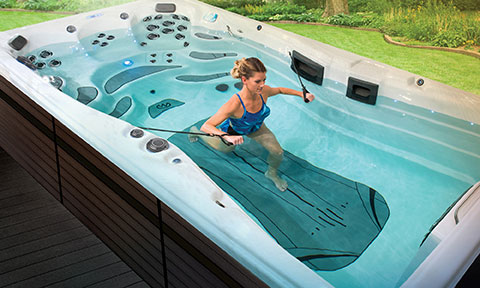
Image Source: www.masterspas.com
Why Do Exercises In Warm Water?
Doing exercises in warm water has many good points. People often use warm water pools for physical therapy. This is sometimes called warm water physical therapy or hydrotherapy exercises. The heat and the water work together to help your body.
How Warm Water Helps Your Body
Warm water makes your muscles feel loose. It helps them relax. This can make moving easier. When muscles are relaxed, they can stretch better. It also helps your body feel less pain. Warm water can improve blood flow too. Better blood flow brings more oxygen to your muscles.
Less Weight On Your Joints
Water helps you float. This means there is less weight on your joints. Think about standing in water up to your waist. Your legs feel much lighter. This is why warm water exercise is often called low impact water exercises. It is good for people with joint problems like arthritis. Water exercises for arthritis can help reduce stiffness and pain. Moving in water puts less stress on your knees, hips, and back.
Makes You Feel Better
Exercising in warm water can also help you feel less stressed. The heat can be very calming. This can make your workout feel more enjoyable. When you feel good, you are more likely to keep exercising. It helps both your body and your mind.
Different Kinds Of Hot Tub Exercise
You can do many simple exercises in a hot tub. You don’t need big movements. The resistance of the water helps. The heat helps too. These exercises are often gentle. They are perfect for a hot tub workout routine. These are also known as aquatic exercise hot tub moves.
Gentle Moving and Stretching
The warm water is great for stretching in hot tub settings. Your muscles are warm and loose. You can hold onto the side for balance.
- Arm Circles: Sit or stand. Make small circles with your arms. Go forward then backward. This helps your shoulders.
- Leg Raises: Sit tall. Lift one leg straight out in front of you. Lower it slowly. Do this for both legs. You can also lift legs to the side.
- Knee Lifts: Sit tall. Pull one knee up towards your chest. Hold it gently. Lower it slowly. Do this for both knees.
- Trunk Twists: Sit tall. Gently twist your upper body to one side. Hold. Twist to the other side. Keep your hips still.
Using Water For Gentle Resistance
The water itself gives you resistance. This helps build muscle strength gently. Pushing against the water works your muscles.
- Water Push Downs: Sit or stand. Hold your hands flat, palms down. Push your hands down towards the bottom of the tub. Feel the water push back.
- Water Push Outs: Sit or stand. Start with your hands together in front of your chest. Push them out to the sides. Feel the water resist. Bring them back slowly.
- Leg Swings: Sit or stand. Swing one leg forward and backward slowly in the water. Then swing it side to side. The water will resist your moves.
Simple Bodyweight Exercises
You can also do simple body movements using your own weight.
- Marching: Stand tall in the tub. Lift your knees up high, like you are marching slowly.
- Calf Raises: Stand tall. Rise up onto your toes. Lower back down slowly.
- Wall Pushes: Stand facing a side of the tub. Place your hands on the side. Gently push against the side. This works your chest and arms.
These exercises in jacuzzi water can be a good start. Remember to move slowly and feel the resistance of the water.
Sample Hot Tub Workout Routine
Here is an idea for a simple hot tub workout routine. Always start slow. Listen to your body.
Warm-up Moves
Do these for 5-10 minutes.
* Sit and Relax: Just sit in the warm water for a few minutes. Let your body relax.
* Gentle Neck Turns: Slowly turn your head side to side. Then gently tip your ear towards your shoulder.
* Shoulder Rolls: Roll your shoulders forward in a circle. Then roll them backward.
* Wrist and Ankle Circles: Gently make circles with your wrists and ankles.
Main Exercise Time
Spend 15-20 minutes on these moves. Repeat each move 8-15 times or for 30-60 seconds.
| Exercise | How to Do It | Focuses On |
|---|---|---|
| Arm Circles | Sit or stand. Make circles with arms forward/backward. | Shoulders |
| Water Push Downs | Sit or stand. Push flat hands down against water. | Shoulders, Triceps |
| Water Push Outs | Sit or stand. Push hands out to sides from chest. | Chest, Shoulders |
| Knee Lifts | Sit tall. Lift one knee to chest. | Abs, Hips, Legs |
| Leg Extensions | Sit tall. Straighten one leg out. | Thighs |
| Leg Swings | Stand (hold side). Swing leg forward/back, side/side. | Hips, Outer Thighs |
| Calf Raises | Stand tall. Rise onto toes. | Calves |
Cool-down And Stretching
Spend 5-10 minutes stretching in hot tub water.
* Knee to Chest Stretch: Lie on your back if space allows, or sit. Pull one knee gently towards your chest. Hold for 20-30 seconds. Repeat on other side.
* Side Body Stretch: Sit tall. Reach one arm up and over your head. Gently lean to the opposite side. Hold. Repeat on the other side.
* Hamstring Stretch: Sit with one leg out. Gently reach towards your toes. Keep your back straight. Hold. Repeat on the other side.
* Just Relax: Sit quietly for a few minutes. Focus on slow, deep breaths.
Keep this routine simple. Do what feels good. Never push into pain.
Deciphering Who Benefits Most
Certain people gain a lot from exercising in warm water. The benefits of exercising in hot water are big for them. These exercises are often part of a warm water physical therapy plan.
People With Joint Pain
This is a major group that benefits. Conditions like arthritis make moving hard. Water exercises for arthritis ease pain. The water supports the body. It takes pressure off sore joints. This makes movement possible. It helps keep joints flexible.
People Recovering From Injury
After some injuries, your body needs gentle movement. Warm water provides a safe place to start. Hydrotherapy exercises help build strength slowly. They help regain movement without risking more damage. It can help people walk again or use an injured limb.
Older Adults
As we get older, joints can stiffen. Balance can be harder. Low impact water exercises are great for older adults. They improve strength and balance safely. The warm water soothes aches. It makes staying active more enjoyable. This helps keep people mobile and independent.
People With Muscle Pain
Warm water can help people with ongoing muscle pain conditions like fibromyalgia. The heat helps relax muscles. Gentle movement can ease stiffness and soreness.
Grasping Important Safety Steps
Exercising in a hot tub is different from exercising on land or in a cooler pool. The heat changes things. There are risks of exercising in hot tub water that you need to know. Safety comes first.
Check The Water Temperature
Hot tub water is much hotter than pool water. The temperature should be between 98 and 104 degrees Fahrenheit (37 to 40 degrees Celsius). For exercise, a slightly lower temperature might be better, maybe 98 to 100 degrees F (37 to 38 degrees C). Too hot water can raise your body temperature too much, too fast.
Don’t Stay In Too Long
It is easy to overheat in warm water. Keep your exercise time shorter than you would in a cooler pool. A workout of 15-30 minutes is usually enough. Pay attention to how you feel.
Stay Hydrated
You will sweat in the hot water, even if you don’t feel it much. You need to drink water before, during, and after your hot tub exercise. Keep a water bottle nearby. Dehydration can make you feel dizzy or sick.
Listen To Your Body Closely
If you feel dizzy, lightheaded, sick to your stomach, or have a headache, stop exercising right away. Get out of the hot tub slowly. Sit somewhere cool. Drink water. Do not push through feeling bad.
Avoid If You Have Certain Health Problems
Warm water exercise is not for everyone.
- Heart Problems: If you have heart disease, high blood pressure, or other heart issues, talk to your doctor before using a hot tub for exercise. The heat can stress your heart.
- Pregnant Women: Pregnant women should be very careful with hot tubs. High body temperature can be bad for the baby. Always talk to a doctor first.
- Fever or Illness: Do not exercise in a hot tub if you feel sick or have a fever.
- Skin Issues: The heat can make some skin problems worse.
- Blood Pressure Issues: If you have very low blood pressure or issues controlling it, the heat might make you feel faint.
Talk To Your Doctor First
This is the most important safety step. Always talk to your doctor before starting any new exercise, especially in a hot tub. They know your health history. They can tell you if it is safe for you. They can also give advice on what exercises are best.
Go Slow
Start with short sessions. Do simple moves. See how your body feels. You can do more as you get used to it.
Use Caution Getting In and Out
Hot tub edges can be slippery. Always use handrails if they are there. Move slowly to avoid falling.
Selecting The Right Hot Tub For Exercise
Not all hot tubs are the same. Some are better suited for exercises in jacuzzi settings than others.
Depth Of The Water
How deep is the water? Can you stand comfortably? Can you sit and still have water covering the parts of your body you want to exercise? A tub that is too shallow or too deep might not be right for your planned moves.
Space Inside The Tub
Do you have room to move your arms and legs? Some hot tubs are small. They are just for sitting. For exercise, you need space to extend your limbs. Check the seating too. Are there areas where you can stand or sit without being trapped by seats?
Jets And Their Power
Jets can add resistance. Pushing your hand or foot against a jet works muscles harder. But strong jets can also push you around. They might make balance harder. Some tubs let you turn jets on or off. Some let you control their power. This is helpful. You can use jets for some moves and turn them off for others like stretching in hot tub water.
Steps Or Entry Aids
Easy and safe entry is key. Steps or handrails make getting in and out safer, especially if you have balance problems or joint pain.
A hot tub made for therapy or exercise might have more open space. It might have different jet settings. It might have built-in bars to hold onto.
Contrasting Hot Tub Exercise And Pool Exercise
Hot tub exercise is a type of aquatic exercise hot tub work. But it is very different from exercising in a regular pool.
| Feature | Hot Tub Exercise | Pool Exercise (Cooler Water) |
|---|---|---|
| Water Temp | Warm (98-104°F / 37-40°C) | Cooler (78-86°F / 26-30°C) |
| Main Goal | Gentle movement, relaxation, pain relief, low impact, stretching | Cardio, strength building, endurance, swimming |
| Exercise Type | Slow, controlled moves, stretching, gentle resistance | More vigorous moves, swimming laps, water aerobics |
| Duration | Shorter (15-30 mins) | Longer (30-60+ mins) |
| Intensity | Low to very low | Low to high |
| Body Temp | Risk of overheating | Less risk of overheating |
| Joint Impact | Very low | Very low |
| Who Benefits | Arthritis, injury recovery, chronic pain, older adults | General fitness, weight loss, athletes, kids |
Both have benefits of exercising in hot water (or cooler water), but for different reasons and different people. Hot tub exercise is more about therapy, pain relief, and gentle mobility. Pool exercise is often more about fitness and cardio. Warm water physical therapy happens in places like hot tubs or special warm pools.
Comprehending The Science
The benefits of exercising in hot water aren’t just about feeling good. There is science behind it.
Heat And Blood Flow
When your body is warm, blood vessels open up (dilate). This lets more blood flow through. More blood flow means more oxygen and nutrients get to your muscles and tissues. This helps muscles work better. It can also help with healing. It’s why warm water is used in hydrotherapy exercises.
Buoyancy Principle
Archimedes’ principle explains why you feel lighter in water. Water pushes up on you. This lifting force is buoyancy. The deeper you are, the stronger the push. In chest-deep water, your body might feel only 25-50% of its normal weight. This is why low impact water exercises are so helpful for joints. It reduces gravity’s pull.
Water’s Resistance
Water is thicker than air. Moving through it takes more effort. This gives you a natural resistance workout. The faster you move, the more resistance you feel. You can control how hard you work by changing your speed. This makes water great for building muscle tone gently.
Pain Relief Signals
Warmth can block pain signals from reaching your brain. This is sometimes called the “gate control theory” of pain. The nice feeling of warmth overrides pain messages. Also, relaxation from the heat and gentle movement can release natural pain relievers in your body called endorphins.
These points show why warm water physical therapy is so effective for many people with pain or movement issues. The environment itself helps make exercise possible and less painful.
Interpreting Risks And How To Avoid Them
We talked about risks briefly, but let’s look closer at risks of exercising in hot tub water. Knowing them helps you stay safe.
Overheating (Hyperthermia)
Your body temperature can rise too much in hot water. This is the main risk. Signs are feeling dizzy, sick, headache, confusion, or fainting.
* How to Avoid: Keep sessions short (15-30 mins). Keep water temperature below 104°F, ideally lower for exercise (98-100°F). Drink plenty of water. If you feel too hot, get out slowly.
Dehydration
You sweat in hot water. You lose fluids.
* How to Avoid: Drink water before, during, and after your session. Don’t wait until you feel thirsty.
Dizziness or Fainting
This can happen from overheating, dehydration, or if the heat causes your blood pressure to drop too much when you stand up.
* How to Avoid: Get out of the tub slowly. Sit on the edge for a minute before standing up fully. Make sure you are hydrated. Do not exercise in the hot tub if you feel unwell.
Slips and Falls
Hot tub areas are often wet and slippery.
* How to Avoid: Use handrails. Walk slowly around the tub. Have a non-slip mat nearby. Be extra careful when getting in and out.
Effects on Circulation
The heat affects blood flow. This can be good (increased flow to muscles) but also risky for some people, especially those with heart conditions or blood pressure problems.
* How to Avoid: Talk to your doctor first! They will tell you if it is safe for your specific health needs.
Skin Irritation
The chemicals used to keep hot tub water clean can sometimes irritate skin, especially with heat.
* How to Avoid: Rinse off in a shower before and after using the hot tub. Make sure the tub is properly maintained.
Exercising in jacuzzi or hot tub water needs respect for the heat. It changes the rules of exercise.
Developing Your Own Hot Tub Routine
Once you understand the basics and talk to your doctor, you can plan your own hot tub workout routine.
Set Goals
What do you want to achieve?
* Less joint pain? Focus on water exercises for arthritis and gentle movement.
* Better flexibility? Focus on stretching in hot tub water.
* Gentle strength? Focus on using water resistance and simple bodyweight moves.
* Relaxation and stress relief? Focus on slow movements and breathing.
Choose Exercises
Pick exercises that fit your goals and your ability. Start with a few simple moves. The sample routine above is a good starting point. You can find many hydrotherapy exercises online or from a physical therapist.
Plan The Order
Start with a warm-up. Do your main exercises. Finish with cool-down stretches. This is like any exercise plan.
Decide On Time And Frequency
How long will your sessions be? Remember, keep it short (15-30 minutes). How often will you exercise in the hot tub? Maybe 2-3 times a week.
Listen To Your Body
This is key for every session. Adjust your plan based on how you feel. Some days you might do less. Some days you might do a little more. If a move hurts, stop doing it.
Keep It Fun
Put on some quiet music. Focus on the feeling of the water. Enjoy the relaxation. When exercise is enjoyable, you are more likely to stick with it. Aquatic exercise hot tub routines should feel good.
Frequently Asked Questions
Is exercising in a hot tub safe for everyone?
No, it is not safe for everyone. People with heart problems, high blood pressure, low blood pressure, or who are pregnant should talk to a doctor first. It is also not safe if you are sick or have a fever.
What is the best water temperature for exercising in a hot tub?
For exercise, a temperature between 98°F and 100°F (37°C to 38°C) is often best. This is slightly lower than normal soaking temps (up to 104°F) and helps reduce the risk of overheating while still providing the benefits of warm water.
How long should a hot tub exercise session last?
Keep it short. Aim for 15 to 30 minutes. The risk of overheating goes up the longer you stay in the warm water.
Can I use the jets while exercising?
Yes, you can. Jets can add resistance. You can push against them for strength work. Be careful, as strong jets might make you unstable. You can often turn them off for stretching or easier moves.
Are hot tub exercises good for losing weight?
Hot tub exercises are usually low intensity. They burn fewer calories than more active exercise like swimming laps or running. While they are good for mobility and muscle tone, they are not the fastest way to lose weight. They are better for pain relief, flexibility, and gentle strength.
Is a ‘Jacuzzi’ different from a ‘hot tub’?
Jacuzzi is a well-known brand name for hot tubs. So, when people say ‘exercises in jacuzzi’, they mean exercises in a hot tub. The terms are often used to mean the same thing.
To Sum It All Up
You absolutely can exercise in a hot tub, and for many people, it offers wonderful benefits. The warm water makes muscles relax. It supports your body, making low impact water exercises easy on your joints. This is a big help for conditions like arthritis. Warm water physical therapy uses these ideas. Simple moves, gentle stretching in hot tub water, and using the water’s resistance can be part of a helpful hot tub workout routine.
But you must be careful. The heat is a risk. Overheating and dehydration are real dangers. Always check the temperature. Keep your sessions short. Drink plenty of water. Most important, talk to your doctor before you start. They can tell you if it is safe for you and give you guidance.
For the right person, exercised in jacuzzi or hot tub water can be a safe, gentle, and effective way to move your body, ease pain, and feel better. Just remember to listen to your body and put safety first.