
Can you exercise with low oxygen levels? The simple answer is yes, but it is often not safe without careful planning and medical guidance. Exercising when your blood oxygen is low, a state called hypoxemia, can put a lot of strain on your body and might be risky. People with conditions that cause low oxygen need to talk to their doctor before starting or changing an exercise plan. Safely exercising with low oxygen needs monitoring, like using a pulse oximeter, and often involves special programs like pulmonary rehabilitation or using supplemental oxygen.
Image Source: my.clevelandclinic.org
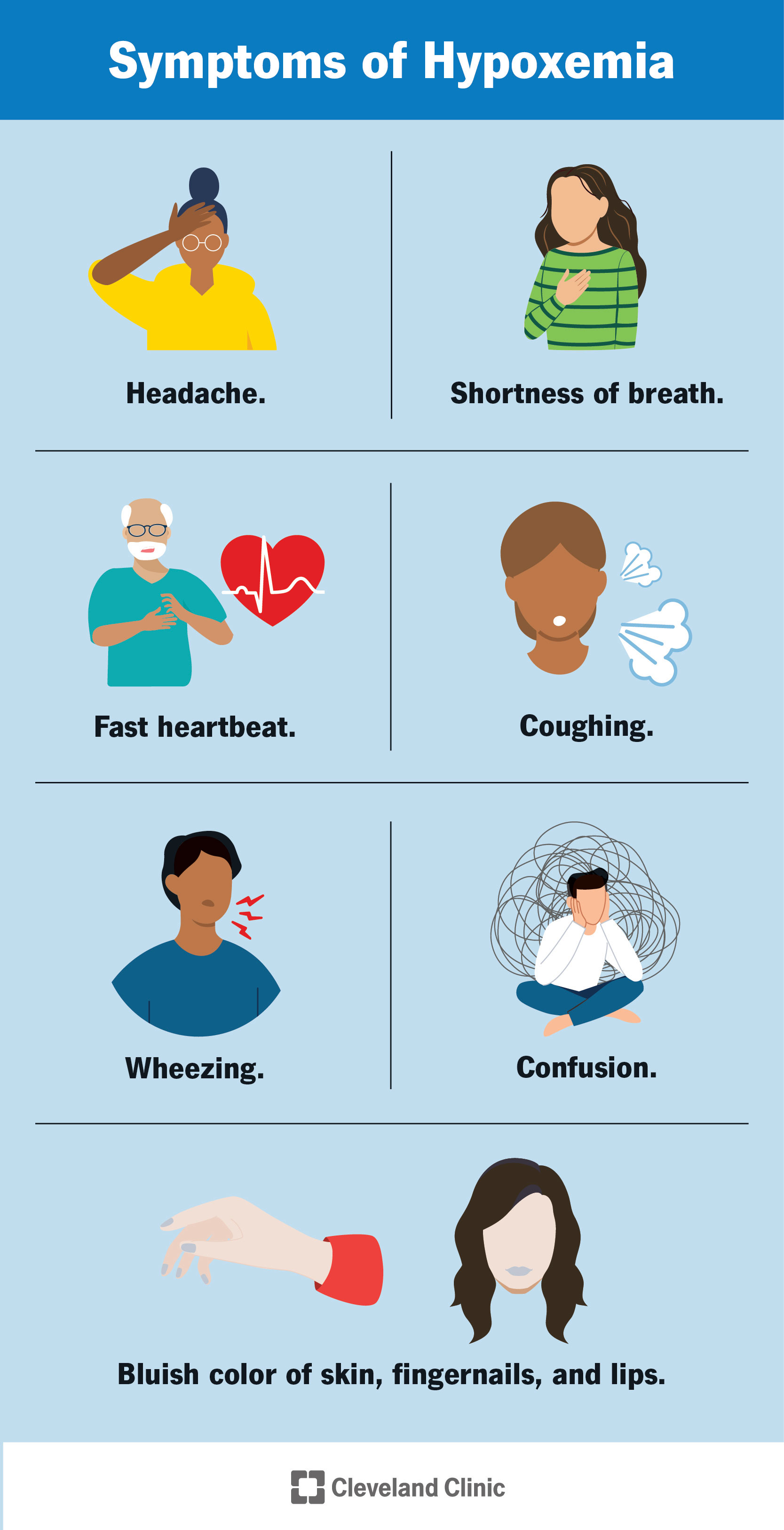
Grasping Low Oxygen Levels
Your body needs oxygen to work. You breathe air in. Your lungs take oxygen from the air. Your blood carries oxygen to all your muscles and organs. When your blood does not have enough oxygen, it is called hypoxemia.
Several things can cause low oxygen levels. Lung diseases are common causes. These include COPD, asthma, and pulmonary fibrosis. Heart problems can also play a part. Even some medicines can affect oxygen.
Low oxygen can make you feel tired. You might feel weak. Breathing might be hard. Your body struggles to get enough air.
Why Exercise Demands Oxygen
Exercise uses a lot of energy. Your muscles work harder. They need more oxygen to make this energy. Your heart beats faster to pump more blood. This blood carries more oxygen to your working muscles.
If your blood oxygen is already low, your body has a problem. It cannot send enough oxygen to your muscles. This makes exercise much harder. Your muscles do not get what they need.
Think of it like a car needing fuel. If the car has little fuel, it cannot go far or fast. If your body has low oxygen, you cannot exercise as much or as hard.
Risks of Exercising with Low Oxygen
Exercising with low blood oxygen can be dangerous. Here are some risks:
- Severe Shortness of Breath: You can feel very out of breath very quickly. This is uncomfortable and scary.
- Extreme Tiredness: You might feel wiped out with very little effort.
- Heart Strain: Your heart works harder to pump blood. With low oxygen, this strain increases. This can be risky if you have heart issues.
- Muscle Pain: Muscles might hurt or cramp because they don’t get enough oxygen.
- Feeling Dizzy or Faint: Not enough oxygen to the brain can make you feel lightheaded. You might even pass out.
- Damage to Organs: In severe cases, major organs like the brain and heart might not get enough oxygen. This can cause damage over time or suddenly.
It is important to avoid these risks. Knowing your oxygen levels and listening to your body is key.
Checking Oxygen: Pulse Oximeter Readings
How do you know your oxygen level? A small device helps. It is called a pulse oximeter. It clips onto your finger, toe, or earlobe. It shines a light through your skin. It reads how much oxygen is in your blood.
The result is shown as a percentage. This is your SpO2 level. SpO2 stands for peripheral capillary oxygen saturation. It tells you the saturation, or how full of oxygen your red blood cells are.
Pulse oximeter readings are quick and easy. They do not hurt. They give you a number to track.
Safe SpO2 Levels for Activity
What is a good SpO2 number? For most healthy people, a normal SpO2 is 95% or higher. Some people with lung disease might have a normal level a bit lower, like 90-92%, even at rest.
When you exercise, your SpO2 might drop a little. This is normal. But it should not drop too much.
What are safe SpO2 levels for activity? This is different for each person. It depends on your health condition. Doctors often recommend keeping SpO2 above 88-90% during exercise. If it drops below this, you might need to stop or use oxygen.
Your doctor will tell you what SpO2 level is safe for you during exercise. It is vital to follow their advice. A sudden or big drop in SpO2 during activity is a warning sign.
Interpreting Shortness of Breath During Exercise
Feeling a little out of breath during exercise is normal. Your body is working. Your breathing rate goes up.
But feeling severe shortness of breath during exercise is not normal, especially if it comes on quickly or with little effort. This can be a sign that your body is not getting enough oxygen. It might mean your SpO2 level is dropping too low.
Shortness of breath with low oxygen feels different. It might feel like:
- Suffocation or air hunger.
- Cannot catch your breath.
- Very tight chest.
- Need to stop right away.
If you feel this kind of shortness of breath during exercise, stop. Rest. Check your pulse oximeter reading. If your SpO2 is low, use your prescribed oxygen if you have it. Tell your doctor about these symptoms. This is a key part of exercising with lung disease.
Deciphering Exercise Tolerance with Low Oxygen
Exercise tolerance means how much activity you can do. It is how long or how hard you can exercise before you have to stop. People with low oxygen often have low exercise tolerance.
This means they get tired or short of breath faster than healthy people. Activities that seem easy for others might be hard for them. Walking across a room might feel like running a marathon.
Low exercise tolerance is a big reason why exercise can be hard with hypoxemia and exercise challenges. But it is also why exercise, done safely, is so important. Exercise can help improve your tolerance over time. You might be able to do more activities with less breathlessness.
This does not happen overnight. It takes time and effort. It needs the right plan.
Making Exercise Safe
Exercising with low oxygen levels requires careful steps. You cannot just start any exercise program. Safety comes first.
Medical Check and Plan
Always talk to your doctor before starting exercise if you have low oxygen or a lung condition. Your doctor will:
- Check your health.
- Figure out why your oxygen is low.
- Help create a safe exercise plan for you.
- Decide if you need supplemental oxygen use during exercise.
- Tell you safe SpO2 levels for activity specific to you.
Your doctor might suggest tests. These could be lung function tests or exercise tests. An exercise test can show how your oxygen levels change when you are active.
Pulmonary Rehabilitation
One of the best ways to learn how to exercise safely with low oxygen is through pulmonary rehabilitation. This is a special program for people with chronic lung diseases.
Pulmonary rehab includes:
- Exercise Training: You learn how to exercise in a safe way. Staff watch you closely. They check your pulse oximeter readings and symptoms. They help you build strength and endurance.
- Education: You learn about your lung condition. You learn about medicines. You learn breathing techniques for exercise. You learn how to save energy.
- Support: You meet others with similar problems. This can help you feel less alone.
Pulmonary rehabilitation is proven to help people with lung disease. It can improve exercise tolerance with low oxygen. It can reduce shortness of breath during exercise. It can improve quality of life. It is often recommended for people needing COPD exercise plans or other exercising with lung disease approaches.
Starting Exercise Slowly
If you get the OK to exercise, start small. Do not try to do too much too soon.
- Begin with short periods of activity. Maybe just 5-10 minutes.
- Do light activities. Walking, gentle cycling, or chair exercises are good starts.
- Rest often. Take breaks when you need to.
- Pay attention to your body. If you feel too breathless or tired, stop.
- Monitor your pulse oximeter readings regularly. Stop if they drop below your safe level.
Gradually, you can increase how long or how hard you exercise. Do this very slowly. Add a few minutes each week. Or try a slightly faster pace.
Types of Exercise
Both cardio (aerobic) and strength training are helpful.
- Cardio Exercise: This makes your heart and lungs work. Walking, cycling, swimming, or using a treadmill are examples. These help improve your body’s ability to use oxygen over time.
- Strength Training: This builds muscle. Stronger muscles use oxygen more efficiently. This means they need less oxygen to do the same work. Lifting light weights or using resistance bands are types of strength training.
Your pulmonary rehab program or doctor can help you choose the right exercises.
Breathing Techniques for Exercise
Learning special ways to breathe can help you exercise with low oxygen. These techniques help you use your lungs better. They can reduce shortness of breath during exercise.
Two common techniques are:
-
Pursed-Lips Breathing:
- Breathe in slowly through your nose. Keep your mouth closed. Count to two.
- Pucker your lips like you are going to whistle.
- Breathe out slowly through your pursed lips. Make the exhale last longer than the inhale. Count to four or six.
- This helps keep your airways open longer. It gets more stale air out. It makes room for fresh air.
-
Diaphragmatic (Belly) Breathing:
- Sit or lie down. Relax your shoulders.
- Put one hand on your chest and the other on your belly below your ribs.
- Breathe in slowly through your nose. Your belly should rise. Your chest should not move much.
- Breathe out slowly through pursed lips. Your belly should go down.
- This helps you use your diaphragm muscle. It is a big breathing muscle. Using it well helps your lungs work better.
Practice these techniques when you are resting. Then try using them during exercise. They can make a big difference in managing shortness of breath during exercise. These are key parts of exercising with lung disease programs.
Supplemental Oxygen Use
Many people with low oxygen need to use supplemental oxygen. This is extra oxygen given through a nasal cannula (tubes in your nose) or a mask. Oxygen can come from a tank or a machine called a concentrator.
If your doctor prescribes supplemental oxygen, use it as directed. For some, this means using it all the time. For others, it is only needed during activity or sleep.
Using supplemental oxygen use during exercise can make exercise possible and safer. It helps keep your SpO2 levels higher. This reduces strain on your heart and lungs. It can improve exercise tolerance with low oxygen. It can lessen shortness of breath during exercise.
Your doctor will decide if you need oxygen for exercise. They will set the right flow rate for you. You might need a higher flow rate when exercising than when resting. You should monitor your pulse oximeter readings while using oxygen during exercise to ensure your level stays safe.
Exercising with Lung Disease: General Tips
Living with lung disease and wanting to stay active requires smart strategies. Here are some general tips:
- Consistency is Key: Try to exercise regularly. A little bit every day or most days is better than a lot once in a while.
- Listen to Your Body: Do not push through severe symptoms. Shortness of breath during exercise beyond what is expected means slow down or stop.
- Warm Up and Cool Down: Start exercise slowly to prepare your muscles and lungs. End slowly to help your body recover.
- Stay Hydrated: Drink water before, during, and after exercise.
- Avoid Extreme Weather: Very hot, cold, or humid air can make breathing harder. High pollution days can also be bad. Try to exercise inside or at better times of the day.
- Track Your Progress: Keep a simple log. Note what you did, for how long, how you felt, and your pulse oximeter readings. This helps you see progress and spot problems.
- Work with Your Healthcare Team: Stay in touch with your doctor, nurses, and physical therapist. They are there to help you exercise safely.
Benefits of Exercise, Even with Low Oxygen
It might seem counterintuitive to exercise when your oxygen is low. But when done safely under medical guidance, the benefits are big. Exercise can help people with low oxygen levels feel better and live better.
Benefits include:
- Improved Exercise Tolerance: You can do more activity before getting tired or breathless.
- Less Shortness of Breath: Your body gets better at using oxygen. Your muscles become more efficient.
- Stronger Muscles: This makes daily tasks easier.
- Stronger Heart: Your heart becomes more efficient at pumping blood.
- Better Mood: Exercise can help reduce anxiety and depression, which are common with chronic illness.
- More Energy: Despite the effort, regular exercise can actually make you feel less tired overall.
- Improved Quality of Life: You can do more of the things you enjoy.
These benefits show why finding safe ways to exercise is so important for people with hypoxemia and exercise challenges.
Monitoring Your Body and Oxygen
Constant monitoring is a critical part of exercising safely with low oxygen.
- Before Exercise: Check your resting SpO2 level using a pulse oximeter. Note how you feel.
- During Exercise: Check your SpO2 at intervals, especially if you feel more breathless than usual. Pay close attention to shortness of breath during exercise symptoms. If you use supplemental oxygen, check your SpO2 with the oxygen on.
- After Exercise: Check your SpO2 again as you cool down. Note how long it takes for your breathing and heart rate to return to near-normal.
Keep a record of your pulse oximeter readings, how you felt, and the exercise you did. Share this information with your doctor. This helps them adjust your plan as needed.
Here is a simple example of how you might log your exercise:
| Date | Activity | Time (Minutes) | Starting SpO2 (%) | Lowest SpO2 During Exercise (%) | How I Felt (1-5, 5=very hard) | Notes (e.g., felt dizzy, used oxygen) |
|---|---|---|---|---|---|---|
| 2023-10-27 | Walk on treadmill | 10 | 93 | 89 | 3 | Used 2L oxygen, felt a little tired |
| 2023-10-29 | Chair exercises | 15 | 92 | 91 | 2 | Felt good, no oxygen needed |
| 2023-10-30 | Walk on treadmill | 12 | 93 | 88 | 4 | Felt short of breath, stopped early |
This type of tracking helps you and your doctor make good choices about your exercise plan and supplemental oxygen use. It also helps you see your exercise tolerance improving over time.
Finding Support and Motivation
Exercising with a chronic condition and low oxygen can be tough mentally and physically. Finding support helps.
- Pulmonary Rehabilitation: As mentioned, this program offers support from staff and other patients.
- Support Groups: Joining a group for people with your lung condition can provide emotional support and practical tips.
- Family and Friends: Share your goals with loved ones. Their encouragement can motivate you.
- Healthcare Team: Your doctors, nurses, physical therapists, and respiratory therapists are your main resources. Ask them questions. Share your struggles and successes.
Staying motivated when you have low exercise tolerance can be hard. Celebrate small wins. Be patient with yourself. Some days will be better than others. The goal is to keep moving safely.
Frequently Asked Questions (FAQ)
Q: Is a pulse oximeter accurate?
A: Pulse oximeters are usually quite accurate. But they can have issues. Cold fingers, dark nail polish, or poor circulation can affect readings. Always use a pulse oximeter on a warm finger without polish. If you are unsure about a reading, try a different finger or check with your doctor. They are good tools for monitoring trends and changes during hypoxemia and exercise.
Q: How low is too low for SpO2 during exercise?
A: This is different for everyone. Doctors often say below 88-90% is too low during activity. But your doctor will give you your specific safe SpO2 levels for activity. Always follow their personal advice.
Q: Can exercise make my lung condition worse?
A: If done incorrectly or without medical guidance, exercise can be unsafe. But if you follow a safe plan from your doctor or pulmonary rehab, exercise usually helps. It strengthens your body and makes breathing easier over time. It improves exercising with lung disease outcomes.
Q: What if I feel very tired after exercise?
A: Feeling a little tired after exercise is normal. But feeling completely wiped out, or having tiredness that lasts a long time, might mean you did too much. Talk to your doctor about your fatigue levels. You might need to adjust your exercise plan.
Q: Do I need supplemental oxygen for all exercise if I have low oxygen?
A: Not necessarily. Some people only need supplemental oxygen use during exercise if their SpO2 drops below the safe level when active. Others need it all the time, including for exercise. Your doctor will test you and tell you when and how much oxygen you need.
Q: How long does it take to improve exercise tolerance with low oxygen?
A: Improvement takes time and regular effort. You might notice small changes within a few weeks. Bigger improvements can take months. Stick with your plan. Be patient.
In Summary
Exercising with low oxygen levels is complex. It needs careful thought and, most importantly, guidance from your doctor. Hypoxemia and exercise present challenges, but safe activity is possible. Using a pulse oximeter to check pulse oximeter readings is vital. Paying attention to shortness of breath during exercise is key. Programs like pulmonary rehabilitation offer structured help, especially for COPD exercise and exercising with lung disease. Supplemental oxygen use during exercise can make activity safer for many. By starting slow, using breathing techniques for exercise, and monitoring yourself closely, you can work towards improving your exercise tolerance with low oxygen and gain the many benefits of being active. Always put safety first and work closely with your healthcare team.