
Yes, but not right away. You should wait several days or even a week or more after getting your wisdom teeth out before you go to the gym. Doing hard exercise too soon after wisdom teeth extraction can cause problems like more bleeding, swelling, and pain. It can also mess up the blood clot that is helping you heal, which could lead to a painful dry socket. Your dentist will give you specific dentist instructions after wisdom teeth removal, and it is very important to follow them to have a good wisdom teeth extraction recovery. Exercise after wisdom teeth removal needs to be taken slowly and carefully.
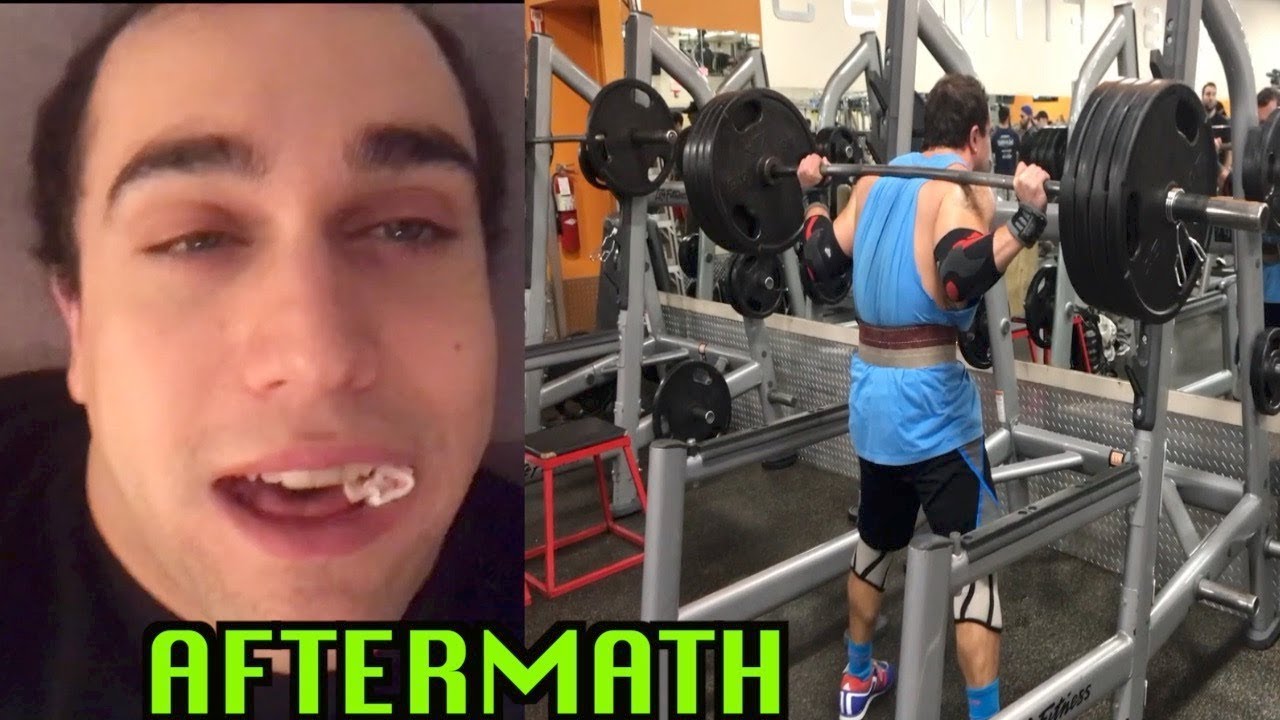
Image Source: i.ytimg.com
Why Rest Helps You Heal After Wisdom Teeth Surgery
Getting your wisdom teeth removed is a kind of surgery. Your body needs time to heal after any surgery. The spots where the teeth were need to close up. This happens because a blood clot forms in the empty space. This clot is like a bandage. It keeps the area safe and helps new tissue grow.
When you rest, your body can use its energy to heal. It sends help to the surgical spots. Exercise, especially strenuous activity after wisdom teeth extraction, takes energy away from healing. It makes your body work hard in other ways. This can slow down how fast you get better.
Rest also helps keep problems from happening. Moving around a lot or doing hard work can hurt the healing spots.
The Risks of Exercising Too Soon
Doing exercise too soon after getting your wisdom teeth out can cause many problems. These problems can hurt more and make you take longer to heal. It is important to know what these risks are. This helps you understand why waiting to exercise is a good idea.
More Bleeding
Exercise makes your heart beat faster. This pushes blood through your body with more force. This extra force can make the spots where your teeth were bleed again. Some light bleeding is normal right after surgery. But a lot of bleeding because of exercise is not good. It can wash away the important blood clot.
Swelling Gets Worse
Some swelling and bruising after wisdom teeth surgery is normal. It usually gets better after a few days. But hard exercise can make swelling much worse. When you exercise, blood rushes to your head and face areas more. This can make the puffed-up feeling worse. More swelling can mean more pain. It can also make it harder to open your mouth.
Pain Increases
You will feel some pain after the surgery. Your dentist will give you medicine for this pain. But doing exercise can make the pain much stronger. Moving your body, especially your head, can pull on the surgery spots. This makes the nerves there hurt more. Hard exercise often leads to throbbing pain in the jaw area.
Risk of Dry Socket
This is one of the most common and painful problems. A dry socket happens when the blood clot that forms in the empty socket comes out or breaks down too soon. This leaves the bone and nerves under the socket open. Air, food, and drink can touch the raw area. This causes a lot of very bad pain.
Strenuous activity after wisdom teeth extraction is a big risk for getting a dry socket. Things like jumping, bending over, or lifting heavy weights can make the blood clot dislodge blood clot wisdom teeth. The change in blood pressure and the physical movement can easily pull the clot out. Once the clot is gone, the risk of dry socket is high. Avoiding dry socket after wisdom teeth removal is a key part of your recovery. Staying away from hard exercise helps a lot with this.
Infection
If the blood clot comes out, the empty socket is open. This makes it easier for germs to get in. Germs can cause an infection in the socket. An infection makes the pain and swelling much worse. It can make you feel sick all over. Treating an infection means more trips to the dentist and possibly more medicine.
How Your Mouth Heals
It helps to know what is happening inside your mouth after the surgery.
The First Step: The Blood Clot
Right after the tooth is pulled, the body stops the bleeding. It forms a blood clot in the hole. This is the most important step. This clot protects the open bone and nerves. It also starts the process of building new tissue. In the first 24 hours, this clot is soft and easy to disturb. It gets a little firmer over the next few days.
Building New Tissue
After the clot is stable, the body starts to fill the hole. New gum tissue begins to grow over the clot. This can take several weeks. Slowly, bone will also start to fill the socket from the bottom. The hole gets smaller and smaller over time.
Closing the Gap
The gum tissue will eventually cover the entire hole. This might take a few weeks to a month or more. Even after the gum closes, the bone inside is still healing and getting strong. The full healing process can take several months.
When Can You Safely Go Back to the Gym?
This is a question many people ask. The exact time is different for everyone. It depends on:
- How many teeth were taken out.
- How hard the surgery was.
- How fast your body heals.
- If you had any problems during surgery.
- If you follow your dentist’s instructions.
However, there is a general timeline that most people follow. It is very important to talk to your dentist before starting any exercise after wisdom teeth removal. They know best how you are healing.
The First 24-48 Hours: Complete Rest
In the first one or two days after surgery, you must rest completely. Do not do any kind of exercise. Do not lift heavy things, bend over a lot, or do anything that makes your heart beat fast. Sit quietly and keep your head raised with pillows. This is when the blood clot is forming. You need to protect it. Doing too much now greatly increases the chance of bleeding and dry socket.
Day 3 to Day 7: Maybe Very Light Movement
After the first couple of days, some people might feel a bit better. The worst of the pain and swelling might start to go down. If you feel okay, you might be able to do very light walking. We are talking about a slow, easy walk, like just moving around your house slowly.
Even light walking should be stopped if it causes any pain, bleeding, or throbbing in your mouth. It is better to do nothing than to cause a problem. At this stage, avoid anything that makes you breathe hard or strain your body. Strenuous activity after wisdom teeth extraction is still off-limits. This includes things like jogging, lifting weights after wisdom teeth removal, or any sports.
Day 7 to Day 10: Possibly Light Exercise
By about a week after the surgery, many people are feeling much better. Swelling should be mostly gone. Pain should be managed with less or no medicine. If your dentist says it is okay, you might be able to try some very light exercise.
Start very, very slowly. Maybe a gentle walk outside, not fast at all. See how your mouth feels. If there is any pain, throbbing, or discomfort, stop right away.
You still need to avoid anything hard. Do not lift heavy things. Do not do exercise that makes your head go below your waist. Avoid jumping or bouncing. Running after wisdom teeth removal is still likely too much for most people at this point.
After 10-14 Days: Slowly Increase Activity
Most people can start slowly adding more exercise after about 10 to 14 days. Again, this is only if your mouth feels good and your dentist agrees.
You can start with slightly longer or faster walks. You might try a very light job for a short time. See how your body reacts. If your mouth throbs or hurts, stop and wait a few more days.
Lifting weights after wisdom teeth removal can start, but use much lighter weights than usual. Avoid exercises that need you to strain or hold your breath. These actions increase pressure in your head. This pressure can hurt the healing spots. Start with very light weights and focus on many easy repeats, not heavy lifting.
Listen to your body. If something hurts, stop. Going back too fast can make the pain and swelling return. It can also still risk the blood clot, though the risk of dry socket goes down after the first week.
When Can I Return to My Normal Workout?
Returning to your normal, hard workout routine takes longer. For most people, it takes at least two weeks, and sometimes three or four weeks. If you had a difficult surgery or slow healing, it could take even longer.
Before you go back to your usual gym routine, you should:
- Have little to no pain in your mouth.
- Have no swelling left.
- Be able to open your mouth wide without pain.
- Be able to eat mostly normal foods without problems.
- Feel good overall, not tired or weak from the surgery.
- Get the okay from your dentist.
Even when you feel ready, start back slowly. Do not try to do your hardest workout right away. Do a bit less weight or less time than normal. See how you feel the next day. If you feel fine, you can try a little more next time. If you have pain or swelling, you went too fast. Go back to easier activity and wait longer before trying to increase it again.
Grasping the Healing Stages and Exercise
Let’s look at a simple timeline for exercise during wisdom teeth extraction recovery. This is just an idea, not a rule. Always follow your dentist’s advice first.
| Time After Surgery | Suggested Activity Level | Things to Avoid |
|---|---|---|
| Days 1-2 | Complete rest. No physical activity at all. | Walking, bending over, lifting, sports, anything that raises heart rate. |
| Days 3-7 | Very light movement like walking around the house slowly. | Fast walking, jogging, running after wisdom teeth removal, lifting weights, sports, bending. |
| Days 7-14 | Light walking outside. Maybe very gentle exercise like stretching (if it doesn’t pull face muscles). | Anything that makes your heart beat hard or requires straining or bending over. Light lifting might be okay only if dentist says yes. |
| After 14 Days | Slowly start adding more exercise. Gentle jogging, light weights (much less than normal). | High-impact activities, heavy lifting, sports with risk of hitting the face, pushing through pain. |
| After 3-4 Weeks | May be able to return to normal activity. | Still listen to your body. If pain returns, slow down. |
Remember, this is just a general guide. Your wisdom teeth extraction recovery might be faster or slower.
Specific Exercises and Risks
Some types of exercise are riskier than others after wisdom teeth removal.
Lifting Weights After Wisdom Teeth Removal
Lifting heavy weights is especially risky early on. When you lift something heavy, you often hold your breath and push down. This increases the pressure in your head. This pressure can cause bleeding at the surgery sites. It can also push out the blood clot, leading to a dry socket.
Also, lifting weights often involves bending over or sudden movements. These can also disturb the healing spots.
When you do start lifting again, use very light weights. Focus on controlled moves. Do not strain. Avoid exercises where your head is lower than your heart. Wait several weeks before trying to lift anything heavy again.
Running After Wisdom Teeth Removal
Running makes your heart beat very fast. It also causes your body to bounce a little with each step. Both of these things are bad for the healing sockets. Increased blood flow from the fast heartbeat can cause bleeding. The bouncing can shake the blood clot loose.
Wait until at least 10-14 days, maybe longer, before trying to run. Start with a very short, slow jog. See how it feels. If your mouth throbs, stop. Build up slowly over time.
Other Exercises
- Yoga/Stretching: Gentle stretching might be okay after the first week, if it doesn’t involve bending over or positions where your head is down. Avoid poses that put pressure on your head or jaw.
- Swimming: You should not swim for at least a week, maybe two. The chemicals in pools can irritate the healing sockets. Also, the physical effort of swimming is too much too soon.
- Contact Sports: Any sport where you might get hit in the face (like basketball, soccer, martial arts) should be avoided for a long time, often a month or more. A hit to the jaw area can cause serious damage to the healing sockets.
Signs You Are Doing Too Much
Your body will often tell you if you are pushing too hard. Pay attention to these signs when you try to exercise after wisdom teeth removal:
- More Pain: If the pain in your mouth gets worse while you are exercising or after you stop, you did too much.
- Throbbing: A strong, pulsing feeling in the surgery spots is a sign of increased blood flow and pressure. This means stop.
- Bleeding: If the spots start bleeding again, even a little bit, stop the exercise right away.
- More Swelling: If the swelling that was getting better suddenly gets worse, you likely did too much.
- Bad Taste or Smell: This could mean the blood clot has come out or you have an infection. Stop exercising and call your dentist.
- Feeling Weak or Dizzy: This means your body is still recovering and not ready for hard work.
If you notice any of these signs, stop exercising. Go back to resting. Wait a few more days before trying again, and do even less activity next time.
The Importance of Dentist Instructions After Wisdom Teeth Removal
Your dentist or oral surgeon is your best guide during your wisdom teeth extraction recovery. They know how your surgery went. They know your health history. They can look at your mouth and see how you are healing.
They will give you specific instructions right after your surgery. These instructions are very important. They will tell you:
- How to care for the surgery sites.
- What to eat and drink.
- How to clean your mouth (usually gentle rinsing, no spitting forcefully).
- What medicines to take for pain and swelling.
- When you can start doing different things again.
Make sure you understand all the instructions before you leave the office. If you forget something or have questions later, call them.
Do not guess if it is okay to exercise. Call your dentist and ask. Tell them how you are feeling and what kind of exercise you want to do. They can give you the okay or tell you to wait longer. Following their advice is the safest way to heal well and avoid problems like dry socket.
Tips for a Safe Return to Exercise
When your dentist says it is okay to start exercising again, here are some tips to do it safely:
- Start Very Slow: Begin with much less than you think you can do. A short, slow walk is a good start.
- Listen to Your Body: If you feel any pain, throbbing, or discomfort in your mouth, stop. Rest.
- Increase Slowly: Add only a little bit more time or effort each day you exercise. Do not jump back to your old level right away.
- Stay Hydrated: Drink plenty of water before, during, and after exercise. This is always important, but especially when recovering. Do not use a straw, as sucking can dislodge blood clot wisdom teeth.
- Avoid Bending Over: Try to keep your head above your heart as much as possible during exercise, especially early on.
- Avoid Straining: Do not do activities that make you hold your breath or bear down. This is very important for lifting weights after wisdom teeth removal.
- Be Patient: It can be frustrating to not be able to exercise like normal. But forcing it will only make things worse and take longer to heal.
- Consider Other Activities: Maybe try activities that are less likely to affect your mouth, like using a stationary bike at a very low level, but only when your dentist says it’s okay.
Deciphering Pain and Swelling After Wisdom Teeth Surgery
Pain and swelling after wisdom teeth surgery are normal parts of healing.
- Pain: You will likely feel the most pain in the first 1-3 days. Your dentist will give you pain medicine. Take it as directed. The pain should slowly get better each day after that. If pain suddenly gets much worse after a few days, or if it spreads to your ear or neck, this could be a sign of a problem like dry socket.
- Swelling: Swelling usually gets biggest about 2-3 days after surgery. You can use ice packs on your face (20 minutes on, 20 minutes off) for the first 24-48 hours to help with swelling. After 48 hours, warm, moist heat might feel better. Like pain, swelling should slowly go down after the peak. If swelling gets worse after a few days, it could mean infection.
Exercise too soon will likely increase both your pain and swelling. This makes your recovery harder. It can be hard to tell normal pain from pain caused by exercise. This is another reason to wait. When you wait, the pain should be much less when you start exercising. Then, if exercise causes pain, you know it’s because you did too much.
Comprehending Dry Socket and Exercise
Dry socket is a very painful problem. It usually happens 2-5 days after surgery. The pain is much worse than normal healing pain. It often does not get better with regular pain medicine. You might see an empty hole where the clot should be. There might be a bad smell or taste.
As mentioned, strenuous activity after wisdom teeth extraction is a major cause of dry socket. The movement, the pressure changes, and the increased blood flow can all make the clot come out. To avoid dry socket after wisdom teeth removal, resting well and following all dentist instructions after wisdom teeth removal are key. This includes avoiding hard exercise, not using straws, and not smoking. If you think you have a dry socket, call your dentist right away.
FAQ Section
Here are some common questions people ask about exercise after getting wisdom teeth out.
How long do I really have to wait before going to the gym?
Most dentists recommend waiting at least 7 days, and often 10-14 days, before trying any real exercise. For hard workouts or lifting weights, it is usually 2-4 weeks. It truly depends on how well you heal.
Can I do light walking in the first few days?
Maybe, but very light. Just walking around your house or slowly down the street for a few minutes. If it causes any throbbing or pain, stop. Most dentists say complete rest for the first 1-2 days is best.
What if I feel fine after a couple of days? Can I exercise then?
Feeling okay does not always mean you are healed enough. The blood clot is still fragile in the first week. Doing too much can still dislodge blood clot wisdom teeth and cause dry socket or bleeding. It is better to be safe and wait longer, even if you feel good. Follow the general timeline and your dentist’s advice.
What is the biggest risk of exercising too soon?
The biggest risk is often getting a dry socket. It is very painful and makes healing take much longer. Bleeding and increased swelling are also common problems.
Can I lift light weights after a week?
Maybe, but ask your dentist first. If they say yes, start with very light weights, maybe just the bar or light dumbbells. Avoid straining or holding your breath. See how your mouth feels during and after.
Is running after wisdom teeth removal okay after 10 days?
Only if you are feeling very well and your dentist agrees. Start with a very short, slow jog. If your mouth throbs, stop. Running puts more stress on your body than walking.
How do I know if I’m pushing too hard when I start back?
Your mouth will tell you. Look for more pain, throbbing, new bleeding, or increased swelling. If you have any of these, stop and rest.
What if my job involves physical work?
If your job is physical, talk to your dentist before your surgery. You will likely need to take time off. Returning to a physical job is like returning to the gym – you need to wait until you are healed enough to avoid problems. This might take 1-2 weeks or more depending on the job.
Can I do gentle stretching?
Gentle stretching might be okay after the first week, but avoid any stretches that involve bending over, putting your head down, or pulling on your face or jaw muscles. Again, ask your dentist.
Final Thoughts on Returning to Activity
Your wisdom teeth extraction recovery is a process. Healing takes time. It is normal to want to get back to your normal life, including exercise. But pushing too hard too soon can lead to painful problems that make your recovery much longer.
Listen closely to your body. Follow all of your dentist instructions after wisdom teeth removal. Start with very light movement only when your dentist says it is okay, maybe after about a week. Slowly add more exercise over the next few weeks. Be patient with yourself. A little extra rest now will help ensure you have a smooth recovery and can get back to the gym safely in the long run. Avoid strenuous activity after wisdom teeth extraction until your mouth is well on its way to being healed. This is the best way to avoid dry socket after wisdom teeth removal and other issues. Your health is more important than missing a few workouts.