
How can I do yoga at home? You can start doing yoga at home by finding a clear space, getting a basic mat, choosing easy poses or following beginner online resources, and making it a regular part of your day. This guide walks you through everything you need to know to build a rewarding home yoga practice.
Yoga is an old way of keeping your body and mind well. Many people go to yoga studios. But doing yoga at home is also a great choice. It offers freedom and fits into your busy life. You can practice any time that works for you. You do not need fancy gear or lots of space. Just a small spot and a little time are enough to start.
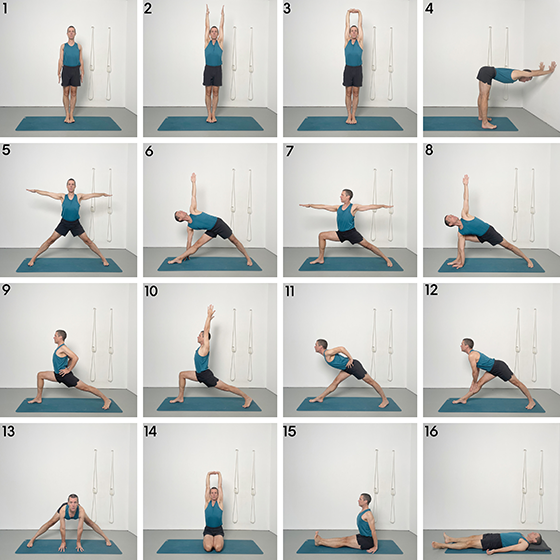
Image Source: yogaselection.com
Why Practice Yoga at Home?
Choosing to practice yoga at home has many plus points. These make it a good choice for many people.
Finding Value in Home Practice
Doing yoga at home is easy to fit into your daily plan. You save time you would use for travel. You can wear what you want. You set your own pace. No one is watching you. This can feel less scary than a class setting. It makes learning new things easier.
Positive Results of Home Yoga Practice
The benefits of home yoga practice are big. Regular yoga helps your body get stronger. It makes your body more able to bend and stretch. Your balance gets better. It helps calm your mind. It lowers feelings of worry and stress. Doing yoga for stress relief at home is very helpful after a long day. It helps you sleep better. It gives you more energy. It helps you feel good all over. It connects your breath with how your body moves. This connection is key in yoga. It makes you more aware of your body and feelings.
Setting Up Your Home Yoga Space
You do not need a large area for yoga at home. A small, quiet spot is perfect.
Creating Your Home Yoga Setup
Your home yoga setup should feel good to you. Find a place where you can move without hitting things. A corner of a room works well. Make sure the floor is not too hard. A rug can help. Check the light. Soft light is nice. Think about the air. Open a window if you can. Make it a calm spot. Some people like a candle or soft music. Keep it free of mess. This helps your mind stay clear.
Picking a Good Mat for Beginners
You will need a yoga mat. A yoga mat for beginners should not be too thin. It needs to give your knees and joints some cushion. It should not be slick so your hands and feet do not slip. Look for one about 1/4 inch thick. Simple rubber or PVC mats are fine to start. Pick a color that makes you feel happy. Your mat is your space during yoga.
Finding Guidance and Learning
You do not need a teacher with you to learn yoga at home. Many resources can guide you.
Using Online Ways to Learn
Online tools are great for learning yoga at home. You can find many online yoga classes. Some cost money, and some are free. These classes show you how to do the moves right. They guide your breathing. They help you link moves together smoothly. Look for classes made for new people. These will go slower and explain more.
Finding Free Videos
There are lots of free online yoga videos. Websites like YouTube have tons. Search for ‘beginner yoga’ or ‘easy home yoga’. Watch a few first to see if you like the teacher’s style. Free videos are a great way to try different types of yoga. They let you see what feels good for you before you pay for classes. Make sure the video is clear and the sound is good.
Building Your Practice: First Steps
Starting is the hardest part. Just start small and be kind to yourself.
Crafting a Simple Yoga Routine
A simple yoga routine does not need to be long. Even 10-15 minutes a day helps. Start with a few easy moves. Do them slowly. Pay mind to how your body feels. Do not push too hard. The goal is to feel good, not to do hard poses. As you do more, you can add more moves or hold them longer. A yoga sequence for beginners often starts with gentle warm-up moves. It adds standing poses, floor poses, and ends with rest.
Starting with Easy Yoga Poses
Focus on easy yoga poses at home first. These moves help you learn the basics. They build strength and bendiness safely. Some good ones to start with are:
- Mountain Pose (Tadasana): Stand tall, feet together or hip-width apart. Feel strong like a mountain. This pose helps with balance and good posture.
- Child’s Pose (Balasana): Kneel on the floor, sit back on your heels, and fold forward. Rest your belly on your thighs. Your head is on the floor. Arms rest by your sides or reach forward. This pose is for rest and calm.
- Downward-Facing Dog (Adho Mukha Svanasana): Start on hands and knees. Lift your hips up and back, making an upside-down V shape with your body. Hands push into the floor, fingers spread. Legs can be bent. This stretches the whole body.
- Cat-Cow Pose (Marjaryasana-Bitilasana): Start on hands and knees. As you breathe in, drop your belly, lift your chest and tailbone (Cow pose). As you breathe out, round your back, tuck your chin to your chest (Cat pose). Move back and forth with your breath. This warms up your spine.
- Warrior II (Virabhadrasana II): Step one foot back. Turn the back foot flat. Bend the front knee over the ankle. Arms reach out to the sides, parallel to the floor. Look over your front hand. This pose builds leg strength and opens the hips.
- Tree Pose (Vrksasana): Stand tall. Put one foot on the inside of your other leg (below the knee or at the inner thigh). Hands can be at your chest or above your head. Find a spot to look at that does not move. This pose works on balance.
- Corpse Pose (Savasana): Lie flat on your back. Arms rest by your sides, palms up. Legs are straight. Close your eyes. Let your body be soft and heavy. This pose is for full rest and letting the practice settle in. It is a key part of any yoga.
These are just a few beginner yoga poses. Start with a few you like. Get to know how they feel in your body. Use props like pillows or blankets if that helps you feel more at ease in a pose.
Making Your Routine Stick
Doing yoga once is easy. Doing it often takes effort.
Ways to Stay on Track
Make your yoga time a habit. Pick a time of day you can stick to. Maybe it is first thing in the morning. Maybe it is before bed. Put it on your plan like any other meeting. Do not skip it. Even 10 minutes is better than zero. Find a friend to check in with. This can help you feel more likely to do it. Watch new videos or try new poses to keep it fresh.
Increasing Your Practice
As you feel more sure of yourself, you can try more. You can try holding poses longer. You can add more poses to your simple yoga routine. Look for slightly harder online yoga classes. Listen to your body always. Some days you might feel strong. Some days you might need more rest. That is okay. Yoga is a journey. There is no rush.
More About Benefits and Poses
Let’s look more closely at some key parts of home yoga.
Deepening the Benefits of Home Yoga Practice
Regular practice brings deeper changes. Your body gets strong and limber. This helps prevent hurts. It helps with small aches. Your mind gets calmer. You handle stress better. Doing yoga for stress relief at home is a powerful tool. The slow moves and deep breaths help quiet busy thoughts. It gives you a break from the rush of life.
Exploring More Beginner Yoga Poses
Once you are comfy with the basic poses, you can try others. Here are a few more easy yoga poses at home to try:
- Bridge Pose (Setu Bandhasana): Lie on your back. Bend your knees, feet flat on the floor near your hips. Lift your hips off the floor. Keep your neck long. You can hold your hands below your back. This opens the chest and strengthens the back.
- Cobra Pose (Bhujangasana): Lie on your belly. Place your hands under your shoulders. Press your hands down. Lift your chest off the floor. Keep your hips down. Look ahead or slightly up. This is a gentle backbend.
- Seated Forward Bend (Paschimottanasana): Sit with legs straight out in front of you. Fold forward over your legs. You do not need to touch your toes. Just go as far as feels good. Keep your back long. This stretches the back of your legs and your back.
- Bound Angle Pose (Baddha Konasana): Sit with knees bent, soles of your feet touching. Let your knees fall out to the sides. Sit up tall. You can stay here or fold a little bit forward. This opens the hips.
Remember to breathe deeply in each pose. Breathing is a big part of yoga. It helps you stay in the pose. It helps you relax. It links the mind and body.
Building a Longer Yoga Sequence for Beginners
Putting poses together smoothly is a yoga sequence. A yoga sequence for beginners usually links a few poses. A simple flow might look like:
- Start seated for a few deep breaths.
- Move to hands and knees for Cat-Cow poses.
- Go to Downward-Facing Dog. Hold for a few breaths.
- Walk your feet to your hands for a Forward Fold.
- Slowly stand up to Mountain Pose.
- Do a simple standing flow like Warrior II on both sides.
- Come down to sit for Seated Forward Bend or Bound Angle.
- End lying on your back in Corpse Pose.
This is just one idea. You can find many sequences online. Or you can make your own using poses you like. Aim for a mix of standing, sitting, and lying poses.
Finding Your Way with Online Tools
Online tools make starting yoga at home simple.
Getting the Most from Online Yoga Classes
When using online yoga classes, treat them like a real class. Try to do the whole class. Pay mind to the teacher’s words. Listen to the cues about breathing and how to move your body. If a pose hurts, skip it or change it. Good online classes for beginners will show changes for poses. They will help you use things like pillows or blocks if you have them.
Using Free Online Yoga Videos Wisely
Free online yoga videos are great for trying things out. Look for videos that are not too fast. Make sure the teacher explains things well. Check the comments to see what other people think. Some free videos are very good quality. They can be a great help for your home practice. Just be sure the steps make sense and feel safe.
Keeping It Simple
You do not need to be perfect. Just try.
Practicing a Simple Yoga Routine
Keep your routine simple when you start. Do not try to do too much. Focus on a few easy yoga poses at home. Do them well. Breathe deeply. This simple practice is very good for your body and mind. It builds a base for more complex things later. A simple yoga routine you do every day is better than a hard one you only do once.
The Power of Home Yoga for Stress Relief
One of the biggest wins of home yoga practice is help with stress. Yoga for stress relief at home is easy to add to your day when you feel tight or worried. The mix of slow moves, holding poses, and deep breathing tells your body to relax. It lowers stress hormones. It calms your nervous system. Even 5-10 minutes of simple poses and breathing can make a big difference in how you feel. Child’s Pose and Corpse Pose are great for stress relief.
Thinking About Progress
Your body will change. Your mind will change.
Seeing Changes in Your Body and Mind
With regular home yoga practice, you will notice changes. Your body will feel stronger. Some moves that were hard will become easy. Your balance might get better. You might feel less tight in your shoulders or hips. You will likely feel more calm. You might handle tough times better. These are all signs that your practice is working.
Slowly Adding New Challenges
When you feel ready, you can try harder poses. You can hold poses longer. You can try different types of yoga. Maybe Vinyasa flow where poses link fast. Maybe Restorative yoga for deep rest. Online yoga classes offer many choices. Free online yoga videos also show different levels and styles. Always keep your beginner’s mind. Be open to learning. Be kind to yourself. If a pose does not feel right, do not do it.
Essential Gear for Home Yoga
Let’s talk more about what you need. It is not much!
Choosing the Right Yoga Mat for Beginners
Finding the right yoga mat for beginners is key for comfort and safety. As mentioned, look for a mat that is about 1/4 inch thick. Material matters. PVC mats are common and sticky, but some people like more natural options like rubber or cork. Make sure it offers good grip so you do not slip, especially as you start to sweat a little. The mat size should fit your height. You should be able to lie on it fully. A good mat helps make your home yoga setup feel more real and safe.
Other Items for Your Home Yoga Setup
Besides a mat, you might find other things useful for your home yoga setup. These are not needed to start, but they can help as you keep practicing.
- Yoga Blocks: These are foam or cork blocks. They can help bring the floor closer to you in poses like seated forward bends or standing poses. They make poses easier to reach and more comfy.
- Yoga Strap: A strap can help you reach parts of your body that are hard to grab, like your feet in seated poses. It helps you get a deeper stretch safely.
- Blankets: A folded blanket can give cushion under your knees or hips. It can also be nice for resting poses like Corpse Pose.
- Pillows or Bolsters: These are firm pillows used for support in many poses, especially for stress relief or in restorative practices.
You can use things you have at home instead of buying yoga-specific gear at first. Books can be blocks. A belt or scarf can be a strap. A regular pillow can give support.
Planning Your Practice Time
How often should you do yoga at home?
How Often to Do a Simple Yoga Routine
Doing a simple yoga routine a few times a week is a great goal when you start. Even 3 times a week for 15-20 minutes is good. If you can do a little bit every day, even better. Short, often-done practices build habit fast. Listen to your body. If you are very tired or sore, it is okay to rest. Or do a very gentle practice like just stretching or breathing.
Fitting Yoga for Stress Relief at Home into Your Day
Yoga for stress relief at home can be done any time you feel stressed. You do not need a full routine. Even five minutes can help. Try Child’s Pose or just sitting quietly and focusing on your breath. Many easy yoga poses at home are good for calming down. Put a note on your fridge or phone to remind you to take a yoga break when you feel tense.
Common Steps in a Beginner Sequence
Let’s make a sample yoga sequence for beginners step-by-step.
Example of a Yoga Sequence for Beginners
This is a gentle flow you can do at home.
- Start Seated: Sit on your mat. Cross your legs. Close your eyes. Rest your hands on your knees. Take 5-10 deep breaths. Feel your body.
- Cat-Cow (5-10 rounds): Move to hands and knees. Hands under shoulders, knees under hips. Breathe in as you drop belly, lift chest. Breathe out as you round back, tuck chin. Move with your breath.
- Child’s Pose (Hold 5-10 breaths): Sit back on heels, fold forward. Rest head. Breathe deeply into your back.
- Downward-Facing Dog (Hold 5-10 breaths): From hands and knees, lift hips high. Make upside-down V. Maybe pedal your feet.
- Forward Fold (Hold 5-10 breaths): Slowly walk feet to hands. Let head hang heavy. Keep knees soft.
- Mountain Pose (Hold 5 breaths): Slowly roll up to stand. Feet together or hip-width. Stand tall.
- Warrior II (Both sides, Hold 5 breaths each): Step right foot back. Turn foot flat. Bend left knee. Arms out. Look over left hand. Repeat on other side.
- Tree Pose (Both sides, Hold 3-5 breaths each): Stand tall. Place right foot on inner left leg. Hands at chest or up. Repeat on other side.
- Lie Down: Gently come down to lie on your back.
- Bridge Pose (Hold 5 breaths): Knees bent, feet flat near hips. Lift hips.
- Knees to Chest (Hold 5-10 breaths): Hug knees into chest. Rock side to side if it feels good.
- Corpse Pose (Savasana) (Rest 5-10 minutes): Lie flat. Arms at sides, palms up. Let everything relax. Do not skip this part!
This sequence uses many easy yoga poses at home. You can change it based on how you feel. This provides a good frame for a simple yoga routine.
The Role of Breathing (Pranayama)
Breathing is central to yoga. It is not just about getting air.
Connecting Breath to Movement
In yoga, you try to match your breath with your body moves. For example, you might breathe in as you lift your arms up. You breathe out as you fold forward. This makes the practice feel more like a dance. It keeps your mind focused. It helps you feel calm. Online yoga classes and free online yoga videos for beginners will often guide your breath.
Simple Breathing Exercises
Even without poses, just focusing on your breath helps. Try this simple breath: Sit tall and close your eyes. Breathe in slowly through your nose. Count to 4. Hold your breath for 2 counts. Breathe out slowly through your nose. Count to 6. Repeat this for a few minutes. This is a basic way to do yoga for stress relief at home. It calms the nervous system fast.
Your Home Yoga Journey
Starting is a great step. Keep going.
Making Home Practice Last
To make your home yoga practice a long-term thing, be flexible. Some days you might have more time. Some days less. Some days you might feel strong. Other days weak. Adjust your practice. Do not try to be perfect. Just do what you can. Remember why you started – maybe for the benefits of home yoga practice, maybe for stress relief.
Your home yoga setup is your special place. Your yoga mat for beginners is your base. Your easy yoga poses at home are your tools. Your simple yoga routine is your path. Your online yoga classes or free online yoga videos are your guides. Your yoga sequence for beginners is your map.
Enjoy the quiet time you give yourself. Enjoy moving your body. Enjoy finding peace in your breath. Home yoga is a gift you give yourself.
FAQ: Getting Started with Home Yoga
H4 What do I need to start yoga at home?
You mainly need a yoga mat for beginners and a small space where you can move freely. You can also use online resources like online yoga classes or free online yoga videos.
H4 Is home yoga good for new people?
Yes, home yoga is great for beginners. You can learn at your own speed and feel more relaxed than in a class. Starting with easy yoga poses at home is a good idea.
H4 How long should a home yoga session be?
Start with a simple yoga routine of 10-20 minutes. As you feel more fit and have more time, you can do longer sessions. Even short sessions offer benefits of home yoga practice.
H4 Can yoga at home really help with stress?
Yes, yoga for stress relief at home is very helpful. The mix of slow moves, deep breathing, and focus helps calm the mind and body. Even a short yoga sequence for beginners can lower stress.
H4 How do I know if I am doing the poses right?
When using online yoga classes or free online yoga videos, watch the teacher closely. They will show you how to do the poses safely. Listen to how your body feels. If something hurts sharply, stop. It is okay to change poses to fit your body.
H4 What if I do not have much space?
You do not need a big space. Just enough room to lay down your yoga mat for beginners and reach your arms out without hitting things is fine for a basic home yoga setup.
H4 Are free online yoga videos good enough?
Many free online yoga videos are very good for beginners. They let you try different teachers and styles. Just pick videos made for new people and follow the guide safely.