
You want to know, “How do I do yoga at home?” It is simpler than you think! You can start practicing yoga as a beginner at home right now. You do not need much space or special equipment. Many free online yoga classes for beginners are available to help you start. Home yoga is a great way to move your body and find calm.
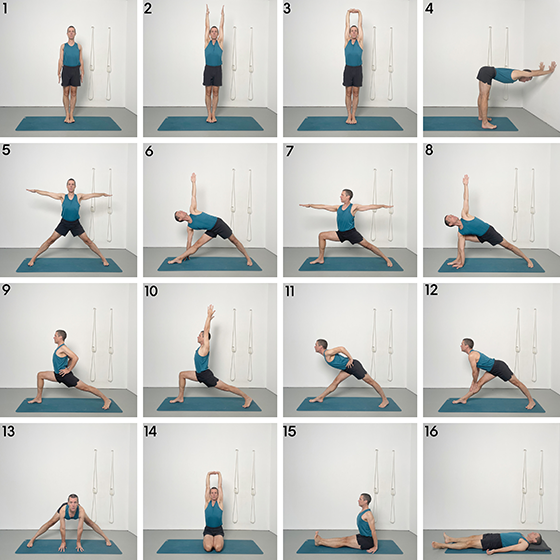
Image Source: yogaselection.com
Why Try Yoga at Home?
Many people like doing yoga where they live. It is easy and fits your life. There are many good reasons to practice yoga this way.
Gains from Home Practice
Doing yoga at home gives you many good things.
- It saves time: You do not need to travel to a yoga studio. You just step onto your mat.
- It saves money: Home yoga is free if you use online videos or apps. Studios can cost a lot.
- It is private: You can try new poses without feeling shy. You are in your own space.
- It is easy to fit in: You can do yoga any time you want. A quick 15 minutes? A longer hour? It is up to you.
- It is comfy: Your home is a place where you feel good. This can make yoga feel even better.
These benefits of practicing yoga at home make it a top choice for many people starting out.
Yoga for Feeling Better
Home yoga is not just about moving your body. It helps your mind too. Yoga for stress relief at home is a big reason people start. The gentle movements and focus on breath can make you feel calmer. It helps quiet busy thoughts. Even a few minutes can make a difference in how you feel.
Getting Ready for Home Yoga
What do I need for home yoga? Not much! You likely have most things already. Do not let needing stuff stop you.
Items You Might Like
Here are a few things that can make your home yoga practice nicer.
- A yoga mat: This gives you grip so you do not slip. It also makes hard floors softer for your knees and hands. If you do not have one, a rug or even just a clear spot on the floor works fine at first.
- Comfy clothes: Wear clothes you can move freely in. Things that stretch are good.
- Space: Find a spot where you can stretch your arms and legs without hitting things. A corner of a room is often enough.
- Optional helpers: Blocks or a strap can help you reach poses. You can use pillows or thick books instead if you do not have these.
These are just helpful things. You can start yoga as a beginner at home with almost nothing.
Setting Up Your Space
Make your yoga space feel good. Pick a place where you will not be bothered. Some people like a quiet spot. Others might like soft music. Make sure the light is not too bright. Having a clean and tidy space can help your mind feel clear too.
Beginning Your Practice Journey
Starting yoga as a beginner at home is simple. The most important step is just to begin.
Just Start Moving
Do not wait until you know all the poses or have the perfect mat. Roll out whatever you have or find your spot on the floor. Even 10-15 minutes is a great start. The goal is to move your body and breathe.
Finding Your Guides
Many great resources can guide you.
- Free online videos: YouTube has tons of free online yoga classes for beginners. Look for videos made just for people starting out. They often show you how to do the poses safely.
- Apps: Some apps offer free beginner yoga plans.
- Websites: Many yoga websites have guides and videos.
Choose a video or guide that feels good to you. Do not worry about doing everything perfectly. Just try your best.
Simple Yoga Poses for Home
Let’s look at some basic poses. These beginner yoga poses at home are good for starting. They are not too hard and help you feel your body. Remember to breathe as you do them.
Easy Poses to Try First
Here are a few simple poses to get you started.
- Mountain Pose (Tadasana): Stand tall with your feet together or a little apart. Feel your feet on the floor. Stand straight like a mountain. This pose helps you feel centered.
- Chair Pose (Utkatasana): Stand tall, then bend your knees like you are sitting in a chair. Keep your back straight. Lift your arms up. This pose builds heat and strength.
- Downward-Facing Dog (Adho Mukha Svanasana): Start on your hands and knees. Push your hands down. Lift your hips up high, like an upside-down V. Your hands and feet are on the floor. This stretches your whole body.
- Child’s Pose (Balasana): Kneel on the floor. Sit on your heels. Bring your chest down to your knees. Rest your head on the floor. Put your arms beside your body or out in front. This pose is for resting.
These poses are common in many beginner classes. Trying them will give you a feel for yoga shapes.
Poses for Making Your Body More Flexible
Many yoga poses help your body stretch and become more bendy. Yoga poses for flexibility at home are key if you feel stiff.
- Cat-Cow Pose (Marjaryasana-Bitilasana): Start on your hands and knees. As you breathe in, drop your belly and look up (Cow). As you breathe out, round your back and tuck your chin (Cat). Do this many times. It helps your spine move.
- Forward Fold (Uttanasana): Stand tall. As you breathe out, bend from your hips. Let your head hang down. Bend your knees a little if you need to. This stretches the back of your legs and back.
- Cobra Pose (Bhujangasana): Lie on your belly. Put your hands under your shoulders. Gently push down with your hands and lift your chest off the floor a little. Keep your hips down. This is a gentle backbend.
- Seated Forward Bend (Paschimottanasana): Sit on the floor with your legs straight out in front. As you breathe out, bend from your hips and reach towards your feet. Do not worry if you cannot touch your toes. Just go as far as feels good. This stretches the back of your legs and back.
- Supine Spinal Twist (Supta Matsyendrasana): Lie on your back. Hug one knee to your chest, then gently let it fall across your body to the other side. Let your arms go out to the sides. Look the other way. Do both sides. This twists your spine gently.
These poses help loosen tight spots. Do them slowly and feel the stretch. Never push into pain.
Building an Easy Home Yoga Routine
Once you know a few poses, you can put them together. An easy home yoga routine does not need to be long or fancy. It just needs to flow a little.
A Simple Plan to Follow
Here is a simple yoga sequence for home practice you can try. Do each pose for 5-10 breaths, unless it is a movement like Cat-Cow.
- Start Sitting: Sit cross-legged on your mat or floor. Close your eyes for a moment. Notice how you feel. Take a few deep breaths. (2-3 minutes)
- Cat-Cow: Move onto your hands and knees. Do Cat-Cow pose 5-10 times. (2 minutes)
- Downward-Facing Dog: From hands and knees, push up into Downward Dog. Hold for 5-10 breaths. (1-2 minutes)
- Forward Fold: Gently walk your feet to your hands for a Forward Fold. Hang here for 5-10 breaths. You can hold opposite elbows. (1-2 minutes)
- Mountain Pose: Slowly roll up to stand in Mountain Pose. Feel tall. (1 minute)
- Chair Pose: Do Chair Pose for 5-10 breaths. (1 minute)
- Forward Fold: Bend forward again into Forward Fold. (1 minute)
- Cobra Pose: Step or walk back to lie on your belly. Do Cobra Pose. Hold for 5 breaths. (1 minute)
- Child’s Pose: Push back into Child’s Pose. Rest here for 5-10 breaths or longer if you like. (2-3 minutes)
- Finish Sitting: Sit up again cross-legged. Close your eyes. Notice how your body feels now. Take a few more deep breaths. (2 minutes)
This simple routine takes about 15-20 minutes. You can make it shorter or longer. Listen to your body.
Making Your Own Flow
After trying a few guided routines, you can start making your own. Think about what your body needs. If you feel stiff in your back, add more Cat-Cow. If your legs feel tight, hold Forward Fold longer.
Here is an idea of how to structure a simple flow:
- Warm-up: Gentle movements to start (like Cat-Cow or gentle twists while sitting).
- Standing Poses: Poses on your feet (like Mountain, Chair, maybe Warrior poses later).
- Floor Poses: Poses on your hands and knees or belly (like Cobra, Downward Dog).
- Stretches: Poses for flexibility (like Forward Fold, Seated Forward Bend).
- Rest: Always end with rest (like Child’s Pose or lying flat on your back).
This basic shape helps create a balanced practice.
Home Yoga Tips for Beginners
Doing yoga at home is a personal path. Here are some ideas to help you on your way.
Helpful Hints for Starting Out
- Listen to your body: This is the most important tip. If something hurts, stop or change the pose. Yoga is not about pushing into pain.
- Breathe: Focus on your breath in every pose. Long, smooth breaths help you relax and get more from the pose.
- Do not compare: Your yoga journey is just for you. Do not worry about what others can do or what you see in videos.
- Be kind to yourself: Some days poses will feel easy, other days hard. That is okay. Just show up and try.
- Make it a habit: Try to practice at the same time each day or a few times a week. Even short, regular practice is better than long, rare sessions.
- Use props: Do not be afraid to use pillows, blankets, or books to help you feel more comfy or reach a pose better. This is smart yoga.
- Stay safe: If you have any health issues, talk to a doctor before starting yoga.
Following these home yoga tips for beginners can make your start smoother and more enjoyable.
Yoga for Stress Relief at Home
Yoga is great for calming the mind. The mix of movement, breath, and focus helps you let go of worries.
Using Yoga to Feel Calm
Certain parts of yoga are especially good for stress.
- Mindful Movement: When you move slowly and pay attention to how your body feels, your mind is busy with that, not worries.
- Breathing Exercises: Yoga teaches you to breathe deeply and fully. Slow, deep breaths tell your body it is safe and can relax.
- Holding Poses: Staying in a pose, even for a few breaths, teaches you to be okay with feeling things. It helps you learn to be calm even when things are a little hard.
- Resting Pose (Savasana): Lying flat on your back at the end of practice is key. This is where your body takes in all the good work you did and truly relaxes. Do not skip it!
Doing even a simple yoga sequence for home practice can lower your stress levels.
Yoga for Flexibility at Home
One common goal for starting yoga is to become more flexible. Yoga poses for flexibility at home are a great way to work on this slowly and safely.
Making Your Body More Bendy
Flexibility does not mean you need to touch your toes on day one. It means slowly and gently stretching muscles to help them become longer and less tight.
- Gentle Stretching: Hold poses where you feel a stretch, but no pain. Breathe into the stretch.
- Holding Time: Staying in a stretch for a few breaths helps muscles release tension.
- Doing it Often: Regular practice is key. A little bit of stretching often is better than a lot of stretching once in a while.
Remember, flexibility is not just about being able to do splits. It is about helping your body move more freely in daily life. Poses like Forward Fold, Seated Forward Bend, and twists help with this.
Making Home Yoga a Regular Thing
Turning home yoga into a habit takes a little effort, but it is worth it.
Steps to Keep Practicing
- Set a time: Pick a time that works for you, maybe first thing in the morning or after work.
- Start small: Even 10-15 minutes counts. Do not feel like you need to do an hour every time.
- Keep it simple: Stick to your easy home yoga routine at first. Add new things slowly.
- Track your practice: Mark it on a calendar. This can help you see your progress and feel good about it.
- Find a friend: If you know someone else starting yoga, you can cheer each other on.
- Try different things: If one video or style does not work, try another. There are many types of yoga and teachers.
- Remember why you started: Think about the benefits of practicing yoga at home that you feel. Does it help with stress? Do you feel stronger? Does your body feel better?
Starting yoga as a beginner at home is a gift you give yourself. It is a way to care for your body and mind. Be patient, be kind, and enjoy the journey.
Frequently Asked Questions
h4: How long should a beginner home yoga session be?
For beginners, 10-20 minutes is a great start. This lets you try a few poses and feel the benefits without getting tired. You can always do more time as you get used to it.
h4: Is it okay to do yoga every day?
Yes, you can do yoga every day if you like. Listen to your body. Some days you might do a longer, stronger practice. Other days you might do a short, gentle session or just some simple stretches. Even 5-10 minutes daily is helpful.
h4: What is the best time of day for home yoga?
The best time is the time that works for you and that you will stick to. Some people like the quiet of the morning. Others like to unwind in the evening. Try different times and see what feels right.
h4: Do I need special shoes for home yoga?
No, you do not wear shoes for yoga. You practice barefoot on your mat or the floor. This helps you grip and feel connected to the ground.
h4: What if I cannot do a pose like the person in the video?
That is totally normal! Yoga is not about making a perfect shape. It is about what you feel in your body. Poses look different for everyone based on their body. Just do what you can, and use props if needed. It is okay to change a pose to make it work for you.
h4: Can home yoga really help with stress?
Yes, very much so. The focus on breath, slow movements, and being present in your body helps calm the nervous system. Regularly doing yoga for stress relief at home can make a big difference in how you handle daily pressures.
h4: How quickly will I see results?
You might feel a difference in how calm you feel or how your body feels even after your first few tries. Flexibility and strength build over time with regular practice. Be patient and enjoy the process. The biggest result is often just the feeling of doing something good for yourself.