
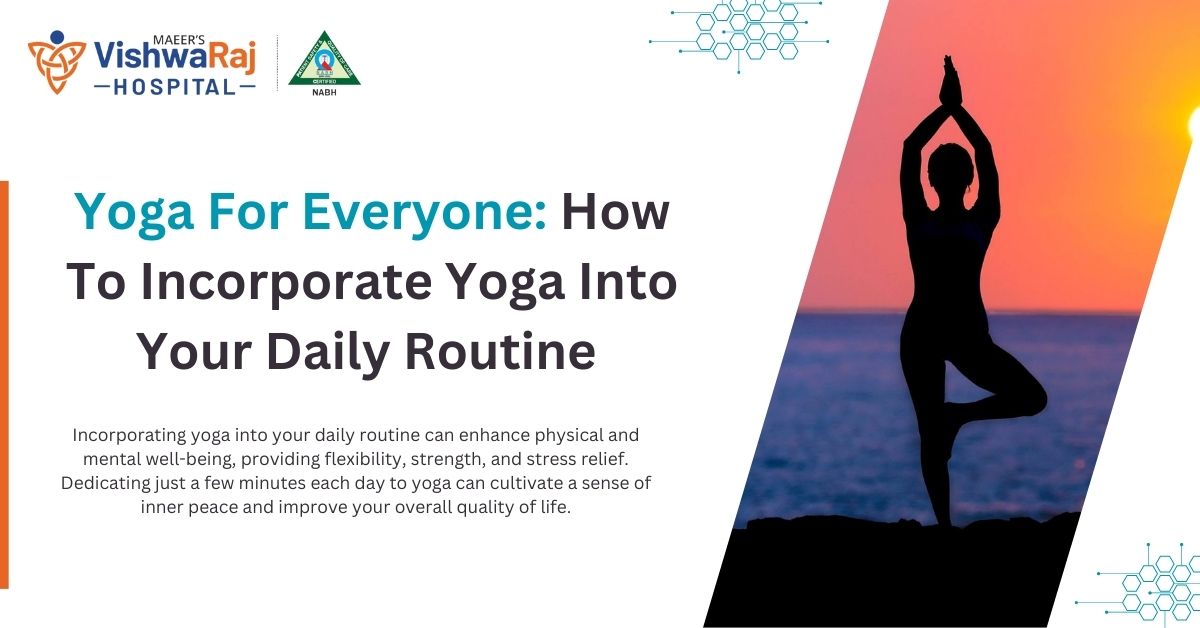
Image Source: vishwarajhospital.com
Complete Guide: How Do I Get Into Yoga for Beginners?
How do I get into yoga? Starting yoga is easy! You just need to decide where you want to practice (at home or in a class), find some simple gear, and begin. Yoga is for everyone, no matter your age, size, or how flexible you are now. It offers many good things for your body and mind.
Grasping What Yoga Is
Yoga is an old practice from India. It uses body poses, breathing, and quiet thinking (meditation). People do yoga for many reasons. Some want to move better. Some want to feel less worried. Some want to feel stronger.
Yoga is not just exercise. It helps connect your body and mind. It teaches you to pay attention to yourself in a kind way. You don’t need to be able to touch your toes. You just need to show up and try your best.
Why Start Doing Yoga?
Many people find great things happen when they do yoga. What are the Benefits of yoga? There are lots!
For Your Body
- Moving Easier: Yoga helps your joints and muscles move more freely. It is great for Yoga for flexibility.
- Getting Stronger: You use your own body weight in poses. This builds strength in a gentle way.
- Feeling More Balanced: Standing poses help you feel steadier on your feet.
- Better Posture: Yoga helps you stand taller and sit straighter.
- Less Pain: Many people find yoga helps with back pain or other aches.
For Your Mind
- Feeling Calmer: Yoga uses breathing methods that help you relax. This is a big part of Yoga for stress relief.
- Clearer Thinking: Focusing on your breath and poses helps clear your mind.
- Better Mood: Moving your body and breathing deeply can help you feel happier.
- More Awareness: You learn to notice how you feel, in your body and your mind.
Yoga is a practice, not a race. The benefits come over time with regular practice.
Picking Your Starting Point: Home or Studio?
You have two main choices when you start yoga. You can go to a yoga place (a studio) or you can do it by yourself at home. Both are good!
Finding a yoga studio
Going to a studio is a great way to begin. Teachers can watch you and help you do the poses right. They can make poses easier if you need help.
- Look for beginner classes: Many studios have classes just for new people. These classes go slow and teach the basic things. Look for names like “Beginner Yoga,” “Gentle Yoga,” “Intro to Yoga,” or “Yoga Basics.”
- Check the teachers: Read about the teachers. Some might be better with new students.
- Visit the studio: See if it feels like a nice place to be. Is it clean and welcoming?
- Ask questions: Call or email the studio. Ask about beginner classes, what to bring, and what to expect.
- Try a few places: If there are many studios near you, try a first class at a couple of them. See which one feels best.
What to expect in a studio class:
- You’ll likely need to sign in and maybe tell the teacher you are new.
- Find a spot for your mat.
- The teacher will guide you through different poses and maybe some breathing.
- Classes often end with time lying still on your back (called Savasana or Rest pose). This is a key part of the practice for feeling calm.
Going to a studio helps you feel part of a group. It can be more fun for some people.
Yoga at home for beginners
Doing yoga at home is very flexible. You can do it any time that works for you. It might feel less scary if you are shy about trying new things.
- Use online resources: There are many free and paid videos and apps for yoga. Look for ones made for beginners.
- Find a quiet space: Clear a small area where you won’t be bothered. Make sure you have space to move your arms and legs out.
- Get simple gear: You really just need a mat to start. We’ll talk more about gear soon.
- Follow good teachers: Even at home, look for teachers who explain things clearly and show you how to do the poses safely.
- Start short: Don’t try to do yoga for an hour on your first day. Start with 15 or 20 minutes. Even 10 minutes is good!
- Be patient: It’s okay if you don’t get the poses right away. Just keep trying.
Doing Yoga at home for beginners lets you:
- Go at your own speed.
- Try different styles easily.
- Save money compared to studio fees.
The downside is you don’t have a teacher right there to help you if you’re unsure about a pose. So, choosing clear videos made for beginners is important.
Exploring Types of yoga for beginners
Yoga has many styles. Some are fast and hot, some are slow and gentle. For beginners, it’s best to start with a style that is not too hard or too fast.
Gentle Styles to Consider
- Hatha Yoga: This is a common starting point. Hatha classes usually move slower. They focus on holding poses for a few breaths and lining up your body correctly in the pose. This is good for learning the basics.
- Gentle Yoga: As the name says, this style is very soft. It uses easier poses and often uses props like blocks and blankets to make poses more comfy. Great for people who are stiff or have health issues.
- Restorative Yoga: This style uses lots of props (blankets, bolsters, blocks) to support your body fully in just a few poses. You hold each pose for a long time. It’s very relaxing and focuses on deep rest and Yoga for stress relief. It’s less about moving and more about being still and letting go.
- Yin Yoga: This style also holds poses for a longer time (often 2-5 minutes). It focuses on stretching the deep parts of your body around the joints. It can be intense in a quiet way, but many poses are simple and good for increasing Yoga for flexibility.
Styles to Wait On
- Vinyasa or Flow Yoga: These classes link poses together with breath, moving quickly from one to the next. They can be fast and may be too hard for a first class.
- Ashtanga: A set series of poses done in the same order. It’s very physical and moves fast.
- Bikram or Hot Yoga: Done in a very hot room. The heat can make it feel harder.
Start with Hatha, Gentle, or Restorative yoga. You can try other styles later as you get more used to yoga.
Getting Ready for Your First Yoga Time
What do you need to start yoga? Not much!
What to wear to yoga class
Wear clothes that are comfy and easy to move in.
- Bottoms: Yoga pants, leggings, sweatpants, or shorts are fine. Make sure they are not too loose that they get in your way when you bend over, but not so tight they feel bad.
- Top: Wear a t-shirt or a tank top that is not too loose. If your shirt is very baggy, it might fall over your head in poses where you are upside down (like Downward Dog).
- No shoes: You do yoga with bare feet.
- Layers: If you get cold easily, wear a light top or jacket you can take off after you warm up. Bring socks for the end quiet time if your feet get cold.
The key is to wear clothes you can stretch, bend, and move freely in without feeling tight or like things are falling where they shouldn’t.
Basic yoga equipment
The most important thing you need is a yoga mat.
- Yoga Mat: A mat gives you a soft, not-slippy place to do your poses. You can find mats at many stores. You don’t need the most expensive one to start. Look for one that is not too thin.
- Props: Studios usually have props you can use. If you practice at home, you might want to get some later.
- Yoga Blocks: These help you reach the floor in poses if your hands don’t touch easily. They make poses more open for stiff bodies.
- Yoga Strap: A strap helps you hold onto your feet or hands in stretches if you can’t reach them yet. It helps with Yoga for flexibility.
- Blanket: A folded blanket can make sitting more comfy or support your knees or head in some poses.
To start, just get a mat. You can always add props later if you find they help you.
Learning Basic yoga poses
You don’t need to know many poses when you start. Beginner classes or videos will guide you. Here are a few simple Beginner yoga poses you might see:
Simple Standing Poses
- Mountain Pose (Tadasana): Stand tall with your feet together or hip-width apart. Stand straight like a mountain. Feel your feet on the ground. Let your arms hang by your sides. This pose is about standing strong and still.
- Chair Pose (Utkatasana) – Modified: Stand tall. Bend your knees like you’re sitting in a chair. Keep your back straight. You can put your hands out in front of you or up over your head. This builds leg strength. Don’t go too low at first.
Simple Sitting Poses
- Easy Pose (Sukhasana): Sit on the floor with your legs crossed. You can sit on a folded blanket to lift your hips higher, which helps your back stay straight. Rest your hands on your knees. Close your eyes or look softly ahead. This pose is good for sitting quietly or for breathing work.
- Staff Pose (Dandasana): Sit on the floor with your legs straight out in front of you. Point your toes up. Sit up tall on your sitting bones. Put your hands on the floor next to your hips. This pose teaches you how to sit up straight.
Simple Floor Poses
- Child’s Pose (Balasana): Kneel on the floor. Bring your big toes to touch and spread your knees wide or keep them close. Fold forward, resting your belly on your thighs and your forehead on the floor. Stretch your arms forward or rest them back along your sides. This is a rest pose. It is good for Yoga for stress relief.
- Cat-Cow Pose (Marjaryasana to Bitilasana): Start on your hands and knees, like a table. Hands under shoulders, knees under hips. As you breathe in, drop your belly, lift your chest and tailbone (Cow pose). As you breathe out, round your back, tuck your chin to your chest (Cat pose). Move slowly between these two poses. This is a gentle warm-up for the spine.
- Downward-Facing Dog (Adho Mukha Svanasana) – Prep/Modified: Start on hands and knees. Tuck your toes under. Lift your hips up and back, making a shape like an upside-down V. Let your head hang. You can keep your knees bent a lot. This pose stretches the back of the legs and the back. Beginners often keep knees bent to make the back long.
- Corpse Pose (Savasana): Lie flat on your back. Let your arms rest by your sides, palms up. Let your legs be straight and let your feet fall open. Close your eyes. Just lie still and let your body and mind relax completely. This pose ends most yoga practices and is very important for Yoga for stress relief and letting the practice sink in.
These are just a few poses. Don’t worry about learning all the pose names. Focus on how the pose feels in your body.
Trying Gentle yoga sequences
A sequence is just linking a few poses together smoothly. Here is a very simple sequence you can try at home. It’s a good Gentle yoga sequence to start with.
A Short, Simple Practice
- Start in Easy Pose: Sit on a blanket if you like. Sit tall. Take a few slow breaths. Notice how you feel. (2-3 minutes)
- Move to Cat-Cow: Go onto your hands and knees. Do Cat-Cow 5-10 times, moving with your breath. (2-3 minutes)
- Rest in Child’s Pose: After Cat-Cow, sit back into Child’s Pose. Rest here for 5-10 breaths. (1-2 minutes)
- Come to Tabletop then Downward Dog Prep: From Child’s Pose, come back to hands and knees. Tuck your toes and lift your hips up into a gentle Downward Dog. Keep your knees bent a lot. Hold for 5 breaths. (1 minute)
- Return to Tabletop: Lower your knees back to the floor.
- Sit again in Easy Pose or Staff Pose: Sit up tall. (1 minute)
- End in Corpse Pose (Savasana): Lie down on your back. Get comfy. Rest here for 5-10 minutes. Let your body relax completely. This is key for Yoga for stress relief.
This short sequence is maybe 10-15 minutes. It moves your spine gently and lets you rest. It uses Beginner yoga poses and is a good Gentle yoga sequence. You can do it any time you need to move your body a little and feel calmer.
Continuing Your Yoga Journey
Once you start, how do you keep going?
Making it a Habit
- Pick a regular time: Try to do yoga around the same time each day or week. This helps it become a habit.
- Start small: Even 10-15 minutes a few times a week is much better than waiting until you have time for an hour.
- Be kind to yourself: Some days will feel easier than others. That’s okay! Just show up and do what you can.
- Don’t aim for perfect: Yoga is not about being perfect. It’s about practicing.
Listening to Your Body
This is very important in yoga.
- Pain vs. Stretch: Learn the difference between a good stretch and pain. If something hurts sharply, stop or ease up.
- Modify poses: It’s okay to change a pose to make it work for your body. Use props or don’t go as deep into the pose.
- Rest when needed: Child’s Pose is always there if you need a break during a class or home practice.
Yoga is meant to feel good, not cause pain. Pay attention to what your body tells you. This is especially important for Yoga for flexibility. You don’t want to push too hard and hurt yourself. Flexibility improves with gentle, steady effort over time.
Deeper Look at Benefits: Flexibility and Stress Relief
Let’s look a bit more at two key benefits new yogis often seek: Yoga for flexibility and Yoga for stress relief.
How Yoga Helps Flexibility
Flexibility is how far your joints and muscles can move. Many people start yoga saying, “I’m not flexible.” That’s okay! Yoga is a great way to become more flexible.
- Gentle Stretching: Poses hold gentle stretches. This helps muscles get longer and looser over time.
- Joint Health: Moving your joints through their full range of motion helps keep them healthy and mobile.
- Connective Tissue: Styles like Yin Yoga work on the deeper tissues (like ligaments and fascia) that also affect how flexible you are.
- Awareness: You become more aware of where you are tight. This helps you focus your practice.
Remember, flexibility is not just about touching your toes. It’s about having freedom of movement in your whole body. Yoga for flexibility is a journey, not a quick fix. Be patient.
How Yoga Helps Stress Relief
Life can be busy and stressful. Yoga gives you tools to feel calmer.
- Breathing (Pranayama): Yoga teaches you to breathe in a deep, slow way. This kind of breathing signals your nervous system to relax. Just a few minutes of mindful breathing can lower stress.
- Mindfulness: In yoga, you focus on your breath and body. This brings your mind to the present moment. When your mind is focused on now, it’s not worrying about the past or future.
- Physical Release: Holding tension in your body is common when stressed. Yoga poses help release this physical tension.
- Quiet Time: Practices often end with Savasana, a time of complete rest. This period of stillness is very powerful for calming the mind and body. Yoga for stress relief is a major reason many people stick with the practice. It helps them feel more in control of their reactions to tough times.
Expanding Your Gear (Optional)
While you only need a mat to start, some extra pieces can make your practice better, especially Yoga at home for beginners.
- Yoga Blocks:
- How they help: Bring the floor closer in standing poses (like standing forward bend), support your hands in Downward Dog prep, or help you sit up taller in Easy Pose.
- What to get: Two blocks are helpful. Foam blocks are common and light.
- Yoga Strap:
- How it helps: Helps you reach your feet in seated forward bends or lying down stretches. Can help open the shoulders in some poses.
- What to get: A cotton or fabric strap about 6-8 feet long with a buckle is standard.
- Blanket:
- How it helps: Gives padding under knees, makes sitting more comfy, provides support in restorative poses, or keeps you warm during Savasana.
- What to get: Any firm blanket or a specific yoga blanket works.
Don’t feel you need all this right away. Try some classes or home videos first. You’ll soon see if any of these things would help you.
Sample Gentle Sequences to Try
Here are a couple more ideas for simple Gentle yoga sequences using Beginner yoga poses.
Sequence 1: Waking Up Gently (15-20 minutes)
- Easy Pose: Sit tall. Close your eyes. 5 breaths.
- Gentle Neck Rolls: Slowly roll your head side to side, then chin to chest. (1 minute)
- Cat-Cow: On hands and knees. Move with breath, 8-10 times.
- Child’s Pose: Rest here for 5 breaths.
- Tabletop: Back to hands and knees.
- Thread the Needle (Gentle Twist): From Tabletop, reach your right arm up. Breathe out and thread your right arm under your left armpit, letting your right shoulder and head rest on the floor. Keep hips high. Hold for 5 breaths. Breathe in and come back to Tabletop. Repeat on the left side. (4 minutes total)
- Downward Dog Prep (knees bent): From Tabletop, lift hips up and back. Keep knees bent. Hold for 5 breaths. Gently walk feet towards hands or hands towards feet and stand up slowly. (2 minutes)
- Mountain Pose: Stand tall. Feel your feet. 5 breaths.
- Seated Forward Fold (Paschimottanasana) – Modified: Sit on the floor with legs straight or slightly bent. Reach for your feet or shins (use a strap if needed). Let your back be long. Don’t round deeply. Just a gentle fold. Hold for 5 breaths. (2 minutes)
- Easy Pose or Lie Down: Sit back up. Maybe sit quietly for a minute or go right to Savasana.
- Corpse Pose (Savasana): Lie on your back. Relax completely. 5-10 minutes. Great for Yoga for stress relief.
Sequence 2: Winding Down (15-20 minutes)
- Lie on your back: Start lying down. Hug your knees to your chest gently. Rock side to side. (1 minute)
- Supine Spinal Twist (Jathara Parivartanasana) – Modified: Lie on your back with knees hugged to chest. Let both knees fall to one side, keeping shoulders on the floor. Look the other way. Hold for 5-8 breaths. Bring knees back to center. Repeat on the other side. (4 minutes total)
- Happy Baby Pose (Ananda Balasana) – Modified: Lie on your back. Bring knees to chest. Hold the outside edges of your feet or your shins. Open your knees wider than your body, bringing them towards your armpits. Keep lower back on the floor. Gently rock side to side if it feels good. Hold for 5 breaths. (2 minutes)
- Legs Up the Wall (Viparita Karani) – Optional: Move near a wall. Sit with one hip touching the wall. Swing your legs up the wall as you lie back onto the floor. Your body makes an L shape. Rest your arms by your sides. This is very calming and good for Yoga for stress relief. Stay 5-10 minutes. If no wall, just lie on your back with legs straight.
- Corpse Pose (Savasana): Move away from the wall if you used it. Lie flat on your back. Relax completely. 5-10 minutes.
These sequences are just ideas. You can find many simple videos online that guide you through similar practices. These practices use Beginner yoga poses and are focused on being gentle and calming.
Making Yoga Part of Your Life
Starting yoga is a wonderful step. It’s a practice that meets you where you are. Don’t compare yourself to others. Your yoga journey is just for you.
Keep trying, keep learning, and most importantly, keep being kind to yourself. Yoga is a tool to help you feel better, both in your body and your mind. Enjoy the process!
Frequently Asked Questions (FAQ)
Q: How often should a beginner do yoga?
A: Aim for 2-3 times a week. Even 15-20 minutes per session is helpful. Doing a little bit often is better than doing a lot only sometimes.
Q: Do I need to be flexible to start yoga?
A: No, not at all! Yoga helps you become more flexible. Everyone starts from where they are. Just come as you are.
Q: What if I have an injury or health problem?
A: Talk to your doctor first. Tell your yoga teacher about any injuries or health issues before class starts. They can often show you how to change poses so they are safe for you.
Q: Is yoga a religion?
A: No, yoga is not a religion. People of all faiths and no faith practice yoga. It’s a way to connect with yourself, but it is not a religious belief system.
Q: Will I lose weight doing yoga?
A: Yoga can be part of a healthy lifestyle that helps with weight. More active styles burn more calories. But for beginners, the focus is often more on flexibility, strength, and feeling good mentally. Weight loss can be a side effect but isn’t the main goal for most beginner classes.
Q: What does “Namaste” mean?
A: “Namaste” is a greeting said at the end of many yoga classes. It is a Sanskrit word. It means something like “The light in me bows to the light in you.” It’s a way to show respect to the teacher and other students.
Q: What if I feel silly or awkward in a pose?
A: That’s totally normal! Everyone feels a bit awkward at first. Just focus on yourself and your own mat. Don’t worry about what others think. Everyone in the class was a beginner once.
Starting yoga is a gift you give yourself. Take a deep breath, find a comfy spot, and just begin. Enjoy the journey!