
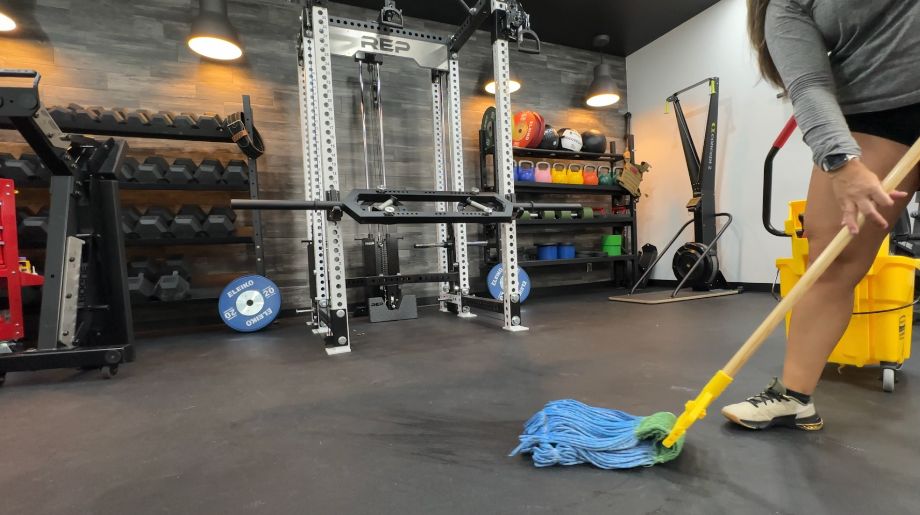
Image Source: www.garagegymreviews.com
Pro Tips: How Do You Clean Rubber Gym Floors Best
How do you clean rubber gym floors? You clean rubber gym floors by sweeping often, mopping with a pH-neutral cleaner mixed with water, and handling spills or marks right away. This keeps the floor safe, clean, and looking good. Cleaning rubber floors the right way matters a lot for gyms. It helps floors last longer. It also stops germs from spreading. This guide gives you the best ways to clean your rubber gym floor.
Why Clean Your Rubber Floors?
Keeping gym floors clean is super important. People sweat on them. Dirt comes in on shoes. Germs can grow fast in a warm, wet place. A dirty gym floor looks bad. It can also smell bad. Plus, dirt and grit act like sandpaper. They can wear down your rubber floor over time. Regular cleaning stops this wear. It keeps your floor looking new. It also helps your floor last many years. Clean floors are safer too. Slips are less likely on a floor free of dirt and sweat.
What You Need to Clean
You don’t need lots of fancy stuff. Simple tools work best for cleaning rubber gym floors.
- Soft broom or vacuum cleaner: For picking up loose dirt. Make sure the vacuum works on hard floors. It should not have a beater bar that can harm the rubber.
- Dust mop: Great for grabbing fine dust and hair.
- Two buckets: One for clean water or cleaning mix, one for dirty water. This is the two-bucket method. It keeps you from putting dirty water back on the floor.
- Microfiber mop or flat mop: These mops are gentle. They pick up dirt well. They don’t push water into the floor seams.
- pH-neutral rubber floor cleaner: This is very important. Harsh cleaners can damage rubber. A neutral cleaner cleans without hurting the floor material. Look for a
rubber floor cleanermade for gym floors. - Clean water: For rinsing.
- Clean cloths or sponges: For spot cleaning or wiping spills.
- Optional: Stiff brush for tough spots (use gently). Enzyme cleaner for smells. Disinfectant safe for rubber.
Routine Care for Your Floor
Taking care of your floor every day is key. This is the routine maintenance rubber floor needs. It stops dirt from building up. It makes bigger cleaning jobs easier.
Daily Steps
- Sweep or Vacuum: Start each day by removing loose dirt. Use your soft broom or a hard-floor vacuum. Focus on busy areas. Get edges and corners too. This simple step stops dirt from scratching the floor.
- Spot Clean Spills: Wipe up sweat, water, or drink spills right away. Don’t let them sit. Spills can stain or cause smells. Use a clean cloth or paper towel.
Weekly Steps
- Dust Mopping: After sweeping, go over the floor with a dust mop. This gets the fine stuff the broom missed. It leaves the surface cleaner.
- Check for Marks: Look for scuff marks or spills you missed. Deal with them now before they set in.
Keeping up with these small jobs saves you work later. It keeps the gym clean for everyone.
Regular Floor Washing
Beyond daily care, you need to wash the floor often. This is usually done once a week or every two weeks. It depends on how busy the gym is.
Choosing Your Cleaning Mix
Use a good gym floor cleaning solution. The best choice is a cleaner that is pH-neutral. Why neutral pH? Rubber is sensitive to acids and bases. Strong cleaners can make rubber dry out. They can make it crack or change color. A pH-neutral cleaner cleans well without harming the rubber. Read the cleaner’s label. It will tell you if it’s safe for rubber floors. Follow the mix steps on the bottle. Usually, you add a small amount to water.
Selecting the Best Mop
The best mop for rubber flooring is usually a microfiber or flat mop. These mops don’t hold too much water. This is good because too much water can get under the rubber. It can weaken the glue. It can also cause mold or bad smells. Microfiber pads are soft. They clean the surface well. They pick up dirt instead of pushing it around. Wring out your mop well. It should be damp, not wet.
Mopping the Floor
Use the two-bucket method.
1. Fill one bucket with your cleaning solution mixed with water.
2. Fill the second bucket with clean rinse water.
3. Dip your mop into the cleaning mix bucket.
4. Wring out the mop until it is just damp.
5. Mop a small area of the floor.
6. Dip the dirty mop into the rinse water bucket.
7. Wring it out well.
8. Dip it back into the cleaning mix bucket (step 3) to clean the next area.
9. Change the water in both buckets often. Do this when the water looks dirty. Using dirty water just spreads dirt around.
Mop in sections. Work from one side of the room to the other. Let the floor air dry. It should dry fairly fast if you used a damp mop. Don’t let people walk on it until it is fully dry.
Handling Tough Spots
Sometimes you get marks or smells that daily or weekly cleaning doesn’t fix.
Getting Rid of Scuff Marks
Shoes can leave black lines. Knowing how to remove scuff marks from rubber floor is helpful.
* Use an Eraser: A clean pencil eraser can often rub these marks away. Just rub the mark gently.
* Mild Cleaner: If the eraser doesn’t work, put a tiny bit of your pH-neutral cleaner on a cloth. Gently rub the mark. Rinse the spot with a damp cloth and wipe dry.
* Stiff Brush: For tough marks, a brush with stiff nylon bristles can help. Use it gently with a little cleaner. Don’t scrub too hard. You could damage the rubber surface.
Removing Bad Smells
Gyms can get smelly. Sweat and moisture cause odors. Removing odor from gym floor needs more than just cleaning.
* Ventilation: Open windows and doors if possible. Use fans to move air. Good airflow helps dry the floor faster. This stops odor-causing bacteria.
* Enzyme Cleaners: For deep-set odors, use an enzyme cleaner. These cleaners have special ingredients. They break down the stuff that causes smells (like sweat). Find one safe for rubber. Follow the product steps. You might spray it on and let it sit. Then you wipe or mop it up.
* Proper Drying: Make sure the floor dries completely after cleaning. Wet floors breed smells.
Disinfecting the Floor
Germs are a big worry in gyms. People touch the floor during workouts. Knowing how to safely disinfect is key. This is about disinfecting gym floor tiles or rolled rubber.
* Choose the Right Product: Not all disinfectants are safe for rubber. Some are too harsh. They can damage the floor like strong cleaners. Look for a disinfectant marked as safe for rubber or hard, non-porous surfaces. Some pH-neutral cleaners also have disinfecting power.
* Read Instructions: Follow the product label exactly. It will tell you how much to use and how long it needs to stay wet on the surface to kill germs. This is called contact time.
* How to Disinfect: Clean the floor first to remove dirt. Disinfecting works best on a clean surface. Apply the disinfectant. You might spray it or use a separate mop just for disinfecting. Let it sit for the needed contact time. Then, you might need to rinse it off depending on the product. Always ensure good ventilation when disinfecting.
Disinfecting is usually not needed every day. It’s often done as part of regular cleaning or when there’s a known germ risk.
Deeper Cleaning Jobs
Over time, dirt can build up in the tiny pores of rubber. This needs deep cleaning rubber gym floors. This is a more intense process than routine cleaning. It’s often done a few times a year.
When to Deep Clean
You know it’s time for a deep clean when:
* The floor looks dull or dirty even after regular cleaning.
* Basic cleaning doesn’t remove all the smell.
* There’s noticeable grime build-up.
Deep Cleaning Steps
- Prep the Area: Remove all equipment from the floor. This lets you reach every spot. Sweep or vacuum the entire floor thoroughly.
- Apply Cleaner: Use a slightly stronger mix of your pH-neutral rubber floor cleaner, or a specific deep cleaning solution for rubber if recommended by the floor maker. Apply the solution to a small section of the floor. Don’t flood the floor.
- Agitate: This is where you work the cleaner into the surface texture. For small areas, a stiff nylon brush can work. For larger areas, you might use a floor scrubbing machine with soft brush pads safe for rubber. The machine helps lift embedded dirt without damaging the floor.
- Remove Dirty Water: Don’t let the dirty water sit. Use a wet vacuum or a mop to pick it up right away. Rinse the area with clean water using a mop or wet vac.
- Rinse and Repeat: Rinse the section again with clean water to make sure all cleaner is gone. Move to the next section and repeat the process.
- Final Rinse: After cleaning all sections, you might do a final light rinse of the whole floor.
- Dry: Let the floor dry fully. Use fans to speed this up.
Deep cleaning takes more effort. But it brings your floor back to life. It removes stubborn dirt and grime regular cleaning misses.
Cleaning Different Gym Matting
Gyms use different types of rubber. Rolled rubber flooring is common. So are interlocking tiles or thick mats for weightlifting areas. Cleaning gym matting often follows the same rules, but with a few points to note.
- Interlocking Tiles: Pay attention to the seams between tiles. Don’t use too much water. Water can seep under the tiles. This can cause smells or mold. Make sure the edges stay clean.
- Thick Weight Mats: These mats are very dense. They can hold smells if not cleaned right. Use enzyme cleaners if needed. Make sure they dry fully, maybe by lifting them slightly if possible after deep cleaning, to air out the underside.
- Textured Surfaces: Some mats have more texture for grip. Dirt can hide in the texture. You might need a brush to get into the grooves during cleaning.
Always check the maker’s instructions for your specific type of gym matting or flooring.
Things to Avoid When Cleaning
Knowing what not to do is as important as knowing what to do.
* Harsh Chemicals: Avoid cleaners with strong acids, bleach, ammonia, or petroleum solvents. These will harm the rubber.
* Too Much Water: Don’t flood the floor. Rubber is not waterproof. Too much water can get underneath.
* Sharp or Abrasive Tools: Steel wool, harsh brushes, or sharp scrapers will scratch or damage the rubber surface.
* Solvent-Based Cleaners: These can dissolve or soften the rubber.
* Letting Spills Sit: Clean messes right away.
* Walking on Wet Floors: This can cause slips. It also spreads dirt around.
Thinking About Commercial Cleaning
For large gyms or very dirty floors, commercial rubber floor cleaning services can be a good option.
* When to Call Pros:
* When your floor needs deep cleaning but you don’t have the right machines (like floor scrubbers or wet vacuums).
* If you have a very large area to clean.
* When you have persistent smells or stains you can’t remove.
* For periodic deep cleaning (e.g., once or twice a year).
* What They Do: Commercial cleaners have strong equipment and cleaning solutions made for gyms. They can deep clean faster and more effectively than manual methods. They know how to handle large rubber surfaces.
Hiring professionals can save you time and effort. It can also help keep your floor in top shape for longer.
Keeping Your Floor Looking Good
Good cleaning keeps your floor clean. Other steps help it last and look great over time.
* Use Walk-Off Mats: Put mats at entrances. This traps dirt and water from shoes. Less dirt on the floor means less cleaning needed.
* Deal with Equipment: Place protective mats under heavy equipment. This stops damage from weight or scraping. Wipe down equipment that touches the floor (like benches or weights) to stop sweat drips.
* Educate Users: Encourage gym members to wipe their feet. Ask them to report spills. A gym where users help keep it clean is easier to maintain.
* Regular Checks: Look over the floor regularly. Spot small problems early. Fix loose tiles or damaged spots quickly.
Following these tips, along with a good cleaning plan, will keep your rubber gym floor clean, safe, and durable for years.
Deep Cleaning Rubber Gym Floors: A Closer Look
Let’s look closer at deep cleaning rubber gym floors. This process is different from your regular mop and bucket clean. It targets dirt that is stuck deep in the pores.
More on the Process
Deep cleaning often uses machines.
* Automatic Scrubber: This machine puts down cleaning solution, scrubs the floor with brushes, and vacuums up the dirty water all at once. You need brushes safe for rubber.
* Rotary Floor Machine: This machine has a spinning pad or brush. You apply cleaner first, then use the machine to scrub. Again, use the right pad/brush for rubber.
* Wet Vacuum: After scrubbing, a wet vac is key to pick up all the dirty water. This is important because letting dirty water dry back into the floor defeats the purpose of deep cleaning.
Cleaner Choices for Deep Cleaning
Sometimes a standard pH-neutral cleaner isn’t enough for deep grime. Some companies make special deep cleaning solutions for rubber.
* Look for cleaners designed to lift embedded dirt.
* Make sure they are still safe for rubber material.
* Always test a new cleaner in a small, hidden spot first. This checks if it causes any bad reaction or color change.
Why Deep Cleaning Matters
Regular cleaning handles surface dirt. Deep cleaning pulls out the gunk that builds up over time. This hidden dirt can dull the floor’s look. It can hold onto smells. Deep cleaning restores the floor’s appearance. It improves hygiene. It can also help keep the floor’s grip or texture.
Frequency
How often do you need deep cleaning rubber gym floors?
* High-traffic gyms: Maybe every 3-6 months.
* Lower-traffic gyms or home gyms: Maybe once a year.
Listen to your floor. If it looks tired or smells despite regular cleaning, it’s likely time for a deep clean.
Comprehending pH Levels
Why is “pH-neutral” so important for a rubber floor cleaner?
* pH Scale: pH measures how acidic or basic something is. 7 is neutral (like pure water). Below 7 is acidic (like vinegar). Above 7 is basic or alkaline (like bleach).
* Effect on Rubber: Rubber is sensitive. Strong acids or bases can break down the rubber material. They can dry it out, make it brittle, or change its color.
* Neutral is Safe: A cleaner with a pH around 7 cleans without being harsh on the rubber. It removes dirt and grime without damaging the floor itself.
* Check Labels: Always check the pH or look for labels saying “pH-neutral” or “safe for rubber floors” when buying a gym floor cleaning solution.
Using the wrong cleaner can cost you. It can shorten your floor’s life. Stick to safe, recommended products.
Putting It All Together: Your Cleaning Plan
Here is a simple plan to keep your rubber gym floors in great shape.
| Task | How Often | Tools/Products | Key Action |
|---|---|---|---|
| Sweeping/Vacuuming | Daily | Soft broom, hard-floor vacuum | Remove loose dirt, dust, hair |
| Spot Cleaning | As needed | Clean cloth, paper towel, mild cleaner | Wipe spills and marks immediately |
| Dust Mopping | Daily/Weekly | Dust mop | Capture fine dust after sweeping |
| Regular Mopping | Weekly/Bi-weekly | Two buckets, microfiber mop, pH-neutral cleaner | Damp mop using two-bucket method |
| Scuff Mark Removal | As needed | Eraser, cloth, mild cleaner, soft brush | Gently rub or wipe marks |
| Odor Control | Ongoing | Ventilation, fans, enzyme cleaner | Ensure airflow, use enzyme cleaner for smells |
| Disinfecting | Weekly/As needed | Disinfectant safe for rubber, separate mop | Apply disinfectant after cleaning, follow time |
| Deep Cleaning | Every 3-12 months | Floor scrubber/rotary, wet vac, deep cleaner | Scrub and extract embedded dirt |
This table gives you a clear overview of your routine maintenance rubber floor needs and other tasks.
Fathoming the Benefits of Clean Floors
Keeping rubber gym floors clean isn’t just about looks. It has many real benefits.
* Better Air Quality: Less dust and dirt on the floor means less dust in the air. This is better for breathing.
* Prevents Germs: Regular cleaning and disinfecting gym floor tiles kill germs. This makes the gym a healthier place for everyone.
* Extends Floor Life: Proper care stops wear and tear. It protects the rubber material. Your floor lasts longer, saving you money.
* Looks Professional: A clean gym looks good. It makes a good impression on members and visitors.
* Reduces Odors: Removing odor from gym floor makes the gym a more pleasant place to be.
* Maintains Grip: Clean floors are less slippery. Dirt and sweat can make rubber slick.
Investing time in cleaning pays off in many ways.
Frequently Asked Questions (FAQ)
Here are some common questions about cleaning rubber gym floors.
Q: Can I use bleach to clean my rubber gym floor?
A: No, you should not use bleach. Bleach is too harsh for rubber. It can damage the material, causing it to break down, fade, or lose its strength. Stick to pH-neutral cleaners or ones made specifically for rubber.
Q: How often should I clean my rubber gym floor?
A: You should sweep or vacuum daily. Spot clean spills right away. Mop with a cleaner weekly or bi-weekly, depending on how much people use the gym. Deep clean the floor every few months or once a year.
Q: What is the best mop for rubber flooring?
A: A microfiber mop or a flat mop is best. These mops are gentle and easy to wring out. Rubber floors should be cleaned with a damp mop, not a soaking wet one.
Q: How do I remove sweat smells from my gym floor?
A: Increase ventilation by opening windows or using fans. Use an enzyme cleaner made for gym floors. These cleaners break down the organic matter that causes smells. Make sure the floor dries completely after cleaning.
Q: Is a floor scrubber safe for rubber floors?
A: Yes, an automatic floor scrubber or a rotary machine can be safe for deep cleaning rubber floors. But you must use the right kind of pads or brushes designed for rubber. Using abrasive pads can damage the floor.
Q: Can I use any gym floor cleaning solution?
A: No. You need a cleaning solution that is safe for rubber. The best type is a pH-neutral cleaner. Avoid harsh chemicals like strong acids, ammonia, or bleach. Always check the product label.
Q: How do I keep scuff marks from rubber floor surfaces away?
A: Encourage people to wear clean athletic shoes. You can also place mats in areas where people change or walk in from outside. For marks you do get, a pencil eraser or a mild cleaner often works.
Q: What about cleaning gym matting? Is it different?
A: The basic principles are the same: sweep often, mop with a pH-neutral cleaner, use a damp mop, and dry fully. For interlocking tiles, be careful not to let water get into the seams. Thicker mats might need enzyme cleaners for smells and good airflow to dry underneath. Always check the maker’s cleaning advice for specific mat types.
Q: When should I think about commercial rubber floor cleaning?
A: Consider commercial cleaning if you have a very large area, need a deep clean with machines you don’t own, have stubborn dirt or smells you can’t fix, or want a professional service periodically to maintain the floor.
Q: How important is disinfecting gym floor tiles?
A: It is very important in a gym setting to kill germs. Use a disinfectant that is safe for rubber floors. Always clean the floor first before disinfecting. Follow the contact time needed for the disinfectant to work.
Keeping your rubber gym floor clean is a key part of running a safe, healthy, and welcoming gym. Follow these tips for the best results.