
How do you do yoga safely and effectively, especially as a beginner? You start slow, listen closely to your body, use the right tools like a good yoga mat, learn basic yoga poses (asanas) and simple breathing (Pranayama), and build up a regular yoga routine, possibly with the help of yoga instructions from a teacher or trusted source. It is a journey about moving gently and kindly, not forcing anything.
Yoga is an old practice that links your body, breath, and mind. Many people start yoga for beginners to feel better in their bodies, calm their minds, or find peace. It is for everyone, no matter your age, size, or fitness level. This guide will help you begin your yoga path in a way that feels safe and works for you.
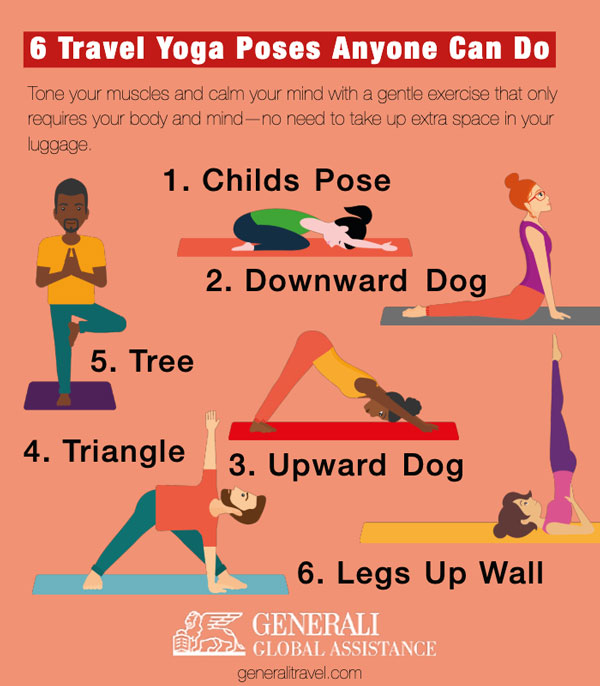
Image Source: www.generalitravelinsurance.com
Grasping What Yoga Is
Yoga is more than just stretching or tricky poses. It is a way of living that brings balance. It includes movement (Asanas), breathing exercises (Pranayama), and quiet time (Meditation). Doing these things together helps you feel good all over.
Deciphering Core Yoga Terms
Learning a few key words can help you understand yoga better.
- Asanas: These are the physical yoga poses you see people do. Things like downward dog or warrior pose are Asanas.
- Pranayama: This means controlling your breath. Simple deep breaths or other breath patterns are Pranayama.
- Meditation: This is sitting still and focusing your mind, often on your breath. It helps calm thoughts.
- Yoga Sequence: This is a set order of yoga poses done one after another.
- Yoga Routine: This means practicing yoga regularly, maybe every day or a few times a week.
Getting Ready for Your First Yoga Steps
You do not need fancy gear to start yoga. A few simple things help make it better.
Picking Your Yoga Mat
A good yoga mat is important. It stops you from slipping and gives a little cushion for your knees and hands.
- Thickness: Mats come in different thicknesses. A standard mat is about 1/8 inch thick. A thicker one (1/4 inch or more) is good for sensitive joints but can make balance harder.
- Grip: Look for a mat that is not too slippery, especially when you sweat a little.
- Material: Mats can be made from different things like PVC, rubber, or cork. Rubber and cork are often more eco-friendly.
You can find yoga mats at sports stores, big shops, or online. Pick one that feels good to you and fits your budget.
Wearing the Right Clothes
Wear clothes you can move freely in.
- Stretchy pants or shorts.
- A top that does not ride up when you are upside down.
- Clothes that let you bend and stretch without feeling tight.
- Yoga is usually done with bare feet for better grip.
Your First Yoga Practice: Safety Comes First
Starting yoga is exciting. Doing it safely is key to feeling good and not getting hurt.
Listening to Your Body
This is the most important rule in yoga.
- No Pain: Yoga should not hurt. You might feel a stretch or feel challenged, but sharp pain means stop or ease back.
- Be Gentle: Do not push yourself too hard, especially when you are new. Your body needs time to open up.
- Take Breaks: It is okay to rest when you need to. You can child’s pose any time.
Finding Good Yoga Instructions
Getting help from someone who knows yoga well is smart.
- Yoga Classes: A live class lets a teacher watch you and help you do poses right. They can offer tips to keep you safe. Look for “Yoga for beginners” classes.
- Online Guides/Apps: Many videos and apps offer yoga instructions. Choose those from trusted sources or certified teachers. Start with videos made for beginners.
- Private Lessons: If you can, a few private lessons can give you special help for your body.
Why Warm Up Matters
Like any exercise, warming up your muscles helps prevent injury.
- Simple stretches.
- Gentle movements like cat-cow pose.
- A few minutes of easy breathing.
A good yoga sequence or class often starts with a warm-up.
Learning Basic Yoga Poses (Asanas)
There are many yoga poses. Beginners should start with simple ones. Focus on feeling the pose and breathing.
Here are some common yoga poses good for beginners:
- Mountain Pose (Tadasana): Standing tall. This pose teaches you how to stand with good posture.
- Child’s Pose (Balasana): Resting pose. Sit back on your heels, chest towards the floor, arms resting beside you or stretched forward. This is your safe spot.
- Downward-Facing Dog (Adho Mukha Svanasana): Makes your whole body stronger and longer. Hands and feet on the floor, hips lifted high, body making an upside-down ‘V’.
- Cat-Cow Pose (Marjaryasana to Bitilasana): On hands and knees, arch your back looking up (Cow) then round your back looking down (Cat). Good for the spine.
- Warrior II (Virabhadrasana II): Standing pose that builds strength. One foot forward bent knee, other foot back straight leg, arms out to the sides.
- Triangle Pose (Trikonasana): Standing pose for stretching sides of the body. Legs straight and wide apart, reach one hand down towards foot, other arm up.
- Corpse Pose (Savasana): Resting pose at the end. Lie flat on your back, arms by your sides, eyes closed. Helps you relax deeply.
How to Do Poses Safely (Yoga Instructions)
For each pose, remember:
- Start Slow: Do not jump into the hardest version.
- Feel the Pose: Where should you feel the stretch or work?
- Align Your Body: Pay attention to how your body is placed. Is your knee over your ankle in Warrior II? Are your hands shoulder-width apart in Downward Dog? Good yoga instructions will guide this.
- Breathe: Never hold your breath in a pose.
Let’s look at alignment tips for a few key Asanas:
Downward-Facing Dog
| Body Part | Safe Instruction | What to Avoid |
|---|---|---|
| Hands | Spread fingers wide, press firmly, index fingers point forward. | Hands too close, wrists bent hard. |
| Arms | Straight, strong, upper arms turn slightly outward. | Elbows locked, shoulders near ears. |
| Shoulders | Move away from ears, broaden across upper back. | Shoulders hunched or tight. |
| Hips | Lift high towards the sky, create a long line. | Hips low, back rounded. |
| Legs | Can bend knees if hamstrings are tight, work towards straight legs but keep spine long. | Locking knees, forcing heels down if back rounds. |
| Feet | Hip-width apart, parallel. | Feet too close or far, turned out. |
| Head | Relax neck, let head hang, look towards knees. | Holding neck stiff, looking forward. |
Warrior II
| Body Part | Safe Instruction | What to Avoid |
|---|---|---|
| Front Foot | Point straight forward. | Foot turned inward or outward. |
| Front Knee | Bend to 90 degrees, knee directly over ankle. | Knee goes past ankle, knee falls inward. |
| Back Foot | Turn slightly out (about 90 degrees), outer edge presses down. | Foot parallel to front foot, heel lifted. |
| Hips | Open to the side. | Hips facing forward. |
| Shoulders | Relax down, stack over hips. | Shoulders near ears, leaning forward/back. |
| Arms | Reach out straight parallel to the floor, relaxed. | Arms bent, stiff, too high/low. |
| Gaze | Look forward over the front hand. | Looking down, straining neck. |
The Power of Breath (Pranayama)
Breathing is central to yoga. It connects your mind and body. Learning simple breathing methods makes your yoga practice more effective and calming.
Simple Pranayama for Beginners
- Deep Belly Breathing: Lie down or sit comfortably. Place one hand on your belly. Breathe in slowly through your nose, feel your belly rise. Breathe out slowly through your nose, feel your belly fall. Do this for a few minutes.
- Ujjayi Breath (Victorious Breath): This breath sounds like soft ocean waves in your throat. Breathe in and out through your nose, gently constricting the back of your throat. It helps create heat and focus. It takes practice, so do not worry if it is hard at first.
Using your breath helps you move more smoothly in yoga poses. Breathe in for stretches, breathe out as you fold or twist.
Building Your Yoga Sequence or Routine
Once you know some basic poses and breathing, you can put them together. A simple yoga sequence for beginners often includes:
- Starting: Sit quietly for a few breaths.
- Warm-up: Gentle movements like cat-cow or simple stretches.
- Standing Poses: Mountain Pose, maybe some gentle forward folds or side bends.
- Building Heat: Sun Salutations (a sequence of poses linked with breath) if you feel ready, or more active standing poses like Warrior II.
- Floor Poses: Stretches for hips, hamstrings, twists. Child’s Pose is always an option.
- Cool Down: Gentle stretches or poses that are close to the floor.
- Rest (Savasana): Lie down flat for 5-10 minutes to let your body and mind rest fully.
Making It a Regular Habit (Yoga Routine)
- Start Small: Even 15-20 minutes a few times a week is a great start.
- Schedule It: Put it in your calendar like any other important meeting.
- Find Your Time: Morning, afternoon, or evening – find when it feels best for you.
- Be Kind to Yourself: If you miss a day, do not worry. Just get back to it when you can. Consistency is more important than length.
Experiencing the Benefits of Yoga
Why do people practice yoga? The yoga benefits are many, for both your body and your mind.
Benefits for Your Body
- More Flexible: Poses help stretch your muscles and joints.
- Stronger: Holding poses builds muscle strength.
- Better Balance: Standing poses improve your stability.
- Better Posture: Yoga helps you stand and sit taller.
- Less Pain: It can help ease back pain and other body aches.
- Better Sleep: Regular practice can help you rest better.
Benefits for Your Mind
- Less Stress: Yoga calms your nervous system.
- Calmer Mind: Breathing and meditation help quiet busy thoughts.
- More Focus: Yoga teaches you to be present.
- Feeling Happier: Moving and breathing release feel-good chemicals.
- Better Self-Awareness: You learn more about your body and feelings.
These yoga benefits come over time with regular practice. Be patient and enjoy the journey.
Meditation: Quieting the Mind
Meditation is a part of yoga that helps calm your thoughts. You do not have to be a guru to meditate.
Simple Steps for Meditation
- Sit Comfortably: Find a quiet place. Sit on a cushion or chair so your spine is long.
- Set a Time: Start with 5 minutes. You can add more time later.
- Close Your Eyes: Or soften your gaze downwards.
- Focus on Your Breath: Feel the air come in and go out. Do not try to change it, just notice it.
- Thoughts Will Come: It is okay. Your mind thinks. When you notice a thought, gently guide your focus back to your breath. Do not judge yourself.
- Finish Gently: When your time is up, slowly open your eyes. Notice how you feel.
Meditation can be done before or after your yoga poses, or even on its own. It is a powerful tool for mental peace.
Common beginner yoga mistakes to Watch Out For
Starting something new often means bumps along the way. Here are things to be mindful of in your beginner yoga routine:
- Comparing Yourself to Others: Everyone’s body is different. Focus on your own mat and what you feel.
- Holding Your Breath: Remember Pranayama! Keep breathing smoothly through poses.
- Trying Too Hard: Yoga is not a contest. Ease into poses. Pain is a signal to stop.
- Not Using a Yoga Mat: Slipping is easy without one, making poses harder and less safe.
- Skipping Savasana: This rest pose is key for your body and mind to take in the benefits.
- Ignoring Pain: This is the most risky mistake. Always listen to your body’s signals.
Interpreting Your Body’s Signals
Your body talks to you. In yoga, learning to listen is vital for safety and progress.
| Signal | Meaning | What to Do |
|---|---|---|
| Sharp Pain | Something is wrong. | STOP the pose right away. Ease out slowly. |
| Pinching | Joint may be compressed or misaligned. | Adjust the pose. Try a different angle. Lessen the depth. |
| Dull Ache | Muscle is working or stretching deeply. | This can be okay, but check if you can still breathe easily. Ease back if needed. |
| Shaking | Muscle fatigue or trying a challenging pose. | It can be normal if controlled. If shaking is wild or painful, rest or ease back. |
| Holding Breath | You are tensing up or trying too hard. | Focus on breathing smoothly. Ease back on the pose. |
Learning this body language takes time. It is part of the journey in your yoga routine.
Making Yoga Work for You
Yoga is flexible. You can make it fit your life.
- Short Practices: Do not have a lot of time? A 15-minute yoga sequence is better than none.
- Focus on What You Need: Feeling stressed? Do calming poses and Pranayama. Need energy? Try more active poses.
- Yoga Off the Mat: Bring the ideas of listening to your body and being present into your day.
Your yoga routine is your own. There is no right or wrong way, as long as you are safe and kind to yourself.
Expanding Your Practice (When Ready)
Once you feel comfortable with the basics, you might want to learn more.
- Try different styles of yoga (Hatha, Vinyasa, Yin).
- Learn more complex yoga poses.
- Spend more time on Pranayama and Meditation.
- Read yoga books or join workshops.
Remember, adding new things should also be done safely and slowly.
FAQ: Questions Beginners Often Ask
Here are answers to common questions from those new to yoga.
h5 How often should a beginner do yoga?
Starting with 2-3 times a week is great. Even 1-2 times is good. The key is to be regular. As you feel stronger and enjoy it more, you might want to practice more often.
h5 How long should a beginner yoga session be?
Start with 15-30 minutes. This lets you learn a few poses, practice breathing, and finish with rest. You can make sessions longer as you build comfort and strength.
h5 Do I need to be flexible to start yoga?
No! Yoga helps you become more flexible over time. Do not worry about touching your toes or doing splits. Just start where you are. Yoga is for everyone, no matter your current flexibility.
h5 Is yoga good for losing weight?
Yoga can help with weight loss, but it works best as part of a healthy lifestyle with good eating habits and other exercise. It builds muscle, makes you more aware of your body’s needs, and reduces stress, which can all support weight loss.
h5 What if a pose feels too hard or hurts?
Do not force it. This is where listening to your body is key.
* Try a modified version of the pose (e.g., keeping knees on the floor in Plank).
* Use props like blocks or straps to help.
* Skip the pose and do a resting pose like Child’s Pose instead.
* If there is sharp pain, stop.
h5 Can I do yoga if I have an injury or health issue?
Talk to your doctor first. Tell your yoga teacher about any issues you have. A good teacher can help you change poses to keep you safe. Some yoga styles are very gentle and good for recovery.
h5 What is the difference between Asanas and Yoga?
Asanas are the physical poses you do in yoga. Yoga is a bigger practice that includes poses (Asanas), breathing (Pranayama), meditation, and other ideas about living well. Asanas are just one part of yoga.
h5 Do I need special yoga clothes?
Not really. Just wear clothes you can move freely in. They should be comfortable and not too loose or too tight.
h5 Can I learn yoga from videos or apps?
Yes, many people learn this way. Look for videos made for beginners by certified teachers. Paying attention to alignment instructions is very important when you do not have a teacher there to help you.
h5 How does meditation help my yoga practice?
Meditation helps you focus and be present. This makes you more aware of your body and breath during poses, making the physical practice safer and more powerful. It also helps carry the calm from the mat into your day.
Starting Your Safe and Effective Yoga Path
Beginning yoga is a wonderful step for your health and well-being. Remember to start gently, listen to your body above all else, use your yoga mat, follow yoga instructions carefully, explore basic yoga poses and Pranayama, build a simple yoga sequence or routine, and allow yourself to experience the many yoga benefits. Do not worry about being perfect. Just show up, breathe, and move with kindness. Enjoy the journey.