
So, how do you do yoga at home? Doing yoga where you live is quite simple! You find a small space, get a mat, pick a way to learn (like an app or online video), and start with easy poses that feel good for your body. It’s a gentle way to move and breathe that fits right into your day, making yoga for beginners at home easy and welcoming.
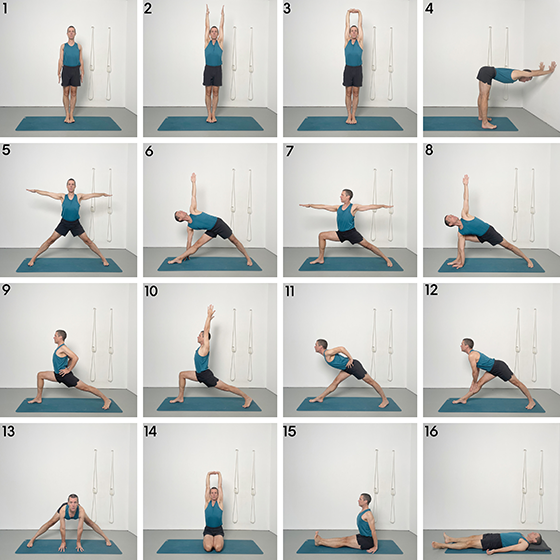
Image Source: yogaselection.com
Why Yoga Helps You at Home
Doing yoga without leaving your house has many good points. The benefits of home yoga practice are big for new students and those with busy lives.
- It saves time. You don’t travel to a studio. This means more time for yoga or other things.
- It saves money. Many online guides and apps cost less than classes. Some are even free.
- It’s private. You can try new things without feeling watched. This helps you feel more comfortable.
- It’s easy to fit in. You can do it early in the morning or late at night. You set the time that works best.
- You go at your own speed. You can rest when you need to. You can hold poses longer if they feel good.
Home yoga lets you build a habit on your own terms. It makes yoga open to everyone, no matter their schedule or budget.
Setting Up Your Yoga Spot
Before you start, find a place in your home to practice. Setting up a home yoga space doesn’t need much room. You just need enough space to stretch your arms and legs out without hitting things.
- Find a quiet corner. Pick a spot where you won’t be in the way or bothered.
- Clear some floor space. Move tables, chairs, or other items. Make sure you have room to move around.
- Make it nice. Maybe add a small plant or light a soft candle. This helps create a calm feeling.
- Check the temperature. Make sure the room is not too hot or too cold.
Having a special spot helps your mind know it’s time for yoga. It makes it easier to start your home yoga routine.
Getting Your Gear
You don’t need much stuff to do yoga at home. The most key item is a Yoga mat.
Why a Yoga Mat Matters
A mat gives you grip so you don’t slip. It also makes hard floors softer for your knees and hands.
- Grip: Stops your hands and feet from sliding during poses.
- Cushion: Protects your joints, like knees and wrists, on hard floors.
- Marking your space: It shows your area for practice.
You can find mats at sports stores, online shops, or even big stores. They come in different sizes, thick sizes, and colors. For beginners, a basic mat around 1/8 inch thick is usually fine.
Other Useful Items
You don’t need these to start, but they can help.
- Yoga blocks: These are foam or cork blocks. They help bring the floor closer to you in some poses. They make poses easier if you can’t reach fully.
- Yoga strap: This is a long fabric band. It helps you reach parts of your body in stretches. It’s good for poses where you need to hold your foot or link your hands.
- Blanket: A folded blanket can add padding for knees or sit bones. It can also be used for comfort in resting poses.
Start with just a mat. You can get other things later if you find you need them.
Finding How to Start Yoga at Home
Now you have your space and mat. How do you actually start? How to start yoga at home is about finding a guide. You don’t need to know any poses to begin.
Using Online Guides
Many people start with online yoga classes or videos. These are like having a teacher in your home.
- YouTube: Has tons of free yoga videos. Look for channels for beginners.
- Yoga Websites: Many sites offer free videos or classes you pay for.
- Yoga Apps: There are great apps made for yoga.
Best Yoga Apps
Using an app can be very helpful for a home yoga routine. The Best yoga apps offer many types of classes.
- Guided sessions: They lead you through poses step-by-step.
- Different levels: You can find classes just for beginners.
- Yoga plans: Some apps offer programs for a few weeks to help you build a habit.
- Track progress: Some let you see how often you practice.
Here are a few types of online resources you might find:
| Resource Type | What it Offers | Good For | Cost |
|---|---|---|---|
| Free YouTube Videos | Many styles, different teachers, varied lengths | Trying different styles, finding a teacher | Free |
| Paid Online Classes | Structured courses, expert teachers, live options | Building a strong base, specific goals | Monthly/Yearly |
| Yoga Apps | Guided plans, tracking, offline access | Routine building, learning poses | Free/Monthly |
Choose one that looks good to you. Most offer beginner classes that explain everything clearly.
Doing Yoga for Beginners at Home
Okay, let’s talk about what to do on your mat. Yoga for beginners at home focuses on simple poses and easy movements. The key is to move slowly and listen to your body.
- Start short. Maybe try 15-20 minutes at first. You can do longer as you feel ready.
- Focus on breathing. Yoga uses breath a lot. Try to breathe in and out through your nose. Move with your breath.
- Don’t push too hard. Yoga is not about pain. If a pose hurts, ease out of it. It’s okay to rest.
- Use guides. Follow a beginner video or app class. They will show you what to do.
The goal is to move your body gently, feel a stretch, and connect with your breath.
Simple Poses for Home Practice
You don’t need to know many poses to start. Here are a few basic Yoga poses for home that are good for beginners. An online guide will show you how to do them safely.
Mountain Pose (Tadasana)
- How to do it: Stand tall with your feet together or hip-width apart. Arms hang by your sides, palms facing forward. Stand strong like a mountain.
- Why it helps: Builds good standing posture. Makes you feel grounded.
Downward-Facing Dog (Adho Mukha Svanasana)
- How to do it: Start on your hands and knees. Hands under shoulders, knees under hips. Lift your hips up and back, making an upside-down ‘V’ shape with your body. Your hands and feet are on the mat. Your head hangs gently. You can bend your knees a little.
- Why it helps: Stretches the whole body. Makes arms and legs stronger.
Child’s Pose (Balasana)
- How to do it: Sit on your heels on the mat. Bring your forehead down to the mat. Your arms can be stretched forward or rest by your sides.
- Why it helps: A resting pose. Gentle stretch for the back. Helps calm the mind.
Cobra Pose (Bhujangasana)
- How to do it: Lie on your belly. Place hands under your shoulders. Press your tops of feet into the floor. Gently lift your chest off the floor using your back muscles (not just pushing with hands). Keep hips on the floor.
- Why it helps: Gentle backbend. Opens the chest.
Cat-Cow Pose (Marjaryasana-Bitilasana)
- How to do it: Start on hands and knees. Hands under shoulders, knees under hips. As you breathe in, drop your belly, lift your chest and tailbone (Cow pose). As you breathe out, round your spine like a cat, tuck chin to chest (Cat pose). Move slowly between these shapes with your breath.
- Why it helps: Warms up the spine. Connects breath to movement.
These are just a few basic poses. An online class will guide you through how to do them right and safely.
Making a Basic Yoga Sequence for Beginners
A yoga sequence for beginners is just a few poses linked together. You can make a simple one yourself after trying some poses. Here’s a basic idea:
- Start seated: Sit comfortably on your mat for a few breaths. Close your eyes if it feels good.
- Warm up: Do Cat-Cow pose a few times to warm your back.
- Stand up: Slowly come to Mountain Pose.
- Add gentle movement: Maybe a simple forward bend (bending from the hips, letting head hang) and standing up again.
- Flow: Move from Downward Dog to a pose like Plank (like the top of a push-up) and back to Downward Dog. Or try Downward Dog then stepping one foot forward for a gentle lunge (keeping back knee on the floor).
- Rest: Finish with Child’s Pose or lying flat on your back (called Savasana or Corpse Pose).
Follow guided classes first. They give you a ready-made yoga sequence for beginners that makes sense.
Building Your Home Yoga Routine
To get the most from yoga, try to do it often. Creating a Home yoga routine helps build a habit.
- Pick a time: Is it better for you in the morning or evening? Pick a time you can likely stick to.
- Be real: Don’t plan for 60 minutes every day if you only have 20 minutes. Start small.
- Mark it on a calendar: Treat it like any other important plan.
- Be okay with missing a day: If you miss one day, just try again the next. Don’t give up.
Even 10-15 minutes a few times a week is a great start. Feel proud of yourself for showing up on your mat.
Staying Safe While Doing Yoga at Home
Doing yoga on your own means you need to be extra careful. There’s no teacher right there to fix your pose.
- Listen to your body: This is the most important rule. Pain is a sign to stop or ease up. A gentle stretch is okay, but sharp pain is not.
- Use good guides: Follow videos or apps from teachers you trust. They explain how to do poses safely.
- Don’t compare: Your pose won’t look like the person on the screen. That’s fine. Focus on how it feels in your body.
- Use props if needed: Remember blocks or blankets can make poses easier and safer.
- Go slow: Don’t rush into or out of poses. Move with care.
If you have any health issues, talk to a doctor before starting yoga.
Finding More Help: Online Yoga Classes and Apps
As you get more used to yoga for beginners at home, you might want to explore more resources.
- Online Yoga Classes: Many online platforms offer many types of classes. You can find gentle yoga, strong yoga, or yoga focused on certain body parts. Some have live classes where you can see the teacher in real time.
- Best Yoga Apps: Apps like Down Dog, YogaGlo, or Peloton (if you have one) offer structured classes. They let you choose class length, style, and focus area. Some let you download classes to do offline.
Using these resources helps you learn new poses safely and keeps your practice fresh and interesting.
Going Deeper with Home Practice
Once you’re used to a simple home yoga routine, you might want to add more.
- Try different styles: There are many types of yoga (Hatha, Vinyasa, Yin, Restorative). Read about them or try short classes to see what you like. Beginner classes usually teach Hatha or gentle Vinyasa.
- Add short times for quiet: After your poses, sit quietly for a few minutes. Focus on your breath. This is a simple type of thinking quietly (meditation).
- Listen to your body each day: How you feel changes day to day. Some days you might want active poses. Other days, you might want gentle stretches or just resting. Let your body guide you.
- Learn pose names: You might start to learn the names of poses, both English and Sanskrit. This can help you find specific classes.
Your home yoga routine can grow with you. It can change based on how you feel and what you need.
Keeping Up Your Routine
Starting is one thing, but keeping going is key to getting the benefits of home yoga practice.
- Be kind to yourself: Some days it’s hard to get on the mat. That’s okay. Just try again tomorrow.
- Notice small changes: Do you feel less stiff? More calm? Seeing small changes helps you keep going.
- Try different times: If morning isn’t working, try evening. Find what fits your life now.
- Connect with others: Maybe find an online yoga group or tell a friend you’re doing yoga. Sharing your journey can help.
- Keep it fun: Try new classes or poses. Don’t let it feel like a chore.
Remember why you started. Maybe it was to feel better, move more, or feel less stressed. Hold onto that reason.
Putting It All Together: Your First Home Yoga Practice
So, you’re ready to try your first yoga for beginners at home session. Here’s a simple plan:
- Find your spot: Go to the quiet area you chose.
- Roll out your Yoga mat: Place it on the floor.
- Pick a guide: Open your chosen Best yoga app or find a beginner video from Online yoga classes.
- Start the class: Follow the teacher’s voice and actions.
- Breathe: Remember to breathe slowly and deeply.
- Move gently: Don’t force any poses.
- Rest at the end: Take time to lie down and just be still for a few minutes.
- Thank yourself: Feel good that you took this time for you.
That’s it! You did yoga at home. The first step is often the hardest. Each time you do it, it gets a little easier.
Frequently Asked Questions About Yoga at Home
Here are some common questions new people ask about doing yoga where they live.
h4: How long should a beginner yoga session be?
You can start very short. Even 10-15 minutes is good. As you feel stronger and more used to it, you can try 20, 30, or even 60 minutes. The best length is one you can do often.
h4: What if I’m not flexible?
Most people who start yoga are not very bendy! That’s fine. Flexibility grows over time with practice. Yoga is not about touching your toes. It’s about moving your body and breathing. Yoga poses for home for beginners are chosen because they are gentle and don’t need much flexibility.
h4: Do I need special clothes?
Wear clothes that are easy to move in. Stretchy pants, shorts, and a comfortable top are perfect. Make sure nothing is too tight or will fall into your face when you bend over.
h4: Can I do yoga on a carpet?
You can, but a Yoga mat is still a good idea. It gives you better grip than most carpets. Carpet can also be too soft, making some standing poses less stable. If you only have carpet, try it with just the carpet, but consider getting a mat later.
h4: How often should I do yoga at home?
Doing yoga often is better than doing it for a long time once in a while. Aim for 2-3 times a week to start building a habit. Even short, frequent sessions are great for your Home yoga routine.
h4: What if my home is small?
You don’t need much space. Just enough room to lie down and stretch your arms and legs out. Even a small corner of a living room or bedroom can work for Setting up a home yoga space.
h4: Are free online classes good enough?
Yes, absolutely! Many free resources on YouTube are high quality and perfect for yoga for beginners at home. Start with free options to see if you like yoga before paying for anything.
h4: What’s the difference between different types of yoga?
For beginners, the difference might not feel big. Hatha yoga often holds poses longer. Vinyasa yoga links poses with breath in a flow. Restorative yoga uses props to help you rest deeply. Start with classes listed as “Beginner Hatha” or “Gentle Yoga” to get a feel for it.
Starting yoga at home is a great step towards feeling better in your body and mind. Take it one breath and one pose at a time. You’ve got this.