
How do you practice yoga? You practice yoga by bringing together simple movements, quiet breathing, and a calm mind. It is a path to feel better in your body and mind. You do gentle poses, breathe slowly, and learn to be still inside. This guide will help you begin your yoga journey easily.
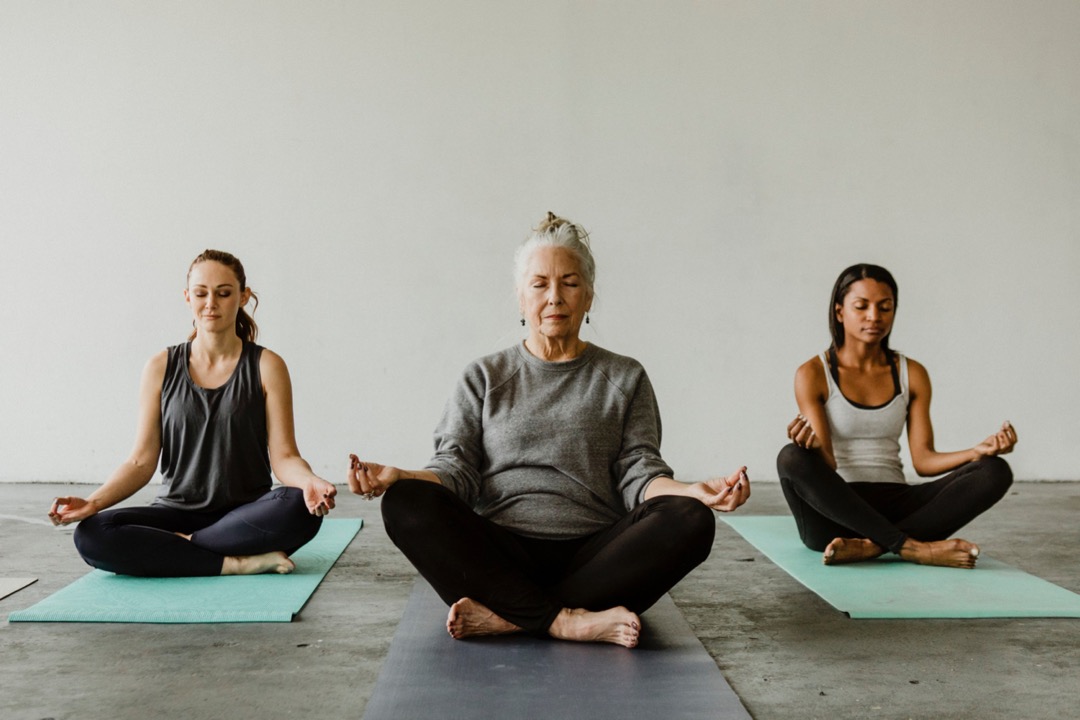
Image Source: www.yogabasics.com
Beginning Your Yoga Path
Starting yoga is simple. Anyone can do it. You do not need to be flexible or strong. You only need a little space and a willingness to try. Many people want to know how to start yoga. The first step is just deciding you want to begin.
Why Start Yoga? The Good Things It Brings
There are many good things about yoga. People call these yoga benefits.
* Your body can feel stronger.
* You can become more flexible.
* It can help you stand up straighter.
* Pain in your back might get less.
* Your mind can feel calmer.
* Stress can go down.
* You might sleep better.
* It can help you feel more centered.
These benefits come from doing yoga often. Even a little bit each day helps.
What You Need to Practice Yoga
You do not need much to start. Simple things are best. These are your yoga equipment.
* A Yoga Mat: This gives you grip. It also cushions your joints. You can practice without one on a rug. But a mat helps a lot.
* Comfortable Clothes: Wear clothes you can move freely in. They should not be too tight or too loose.
* A Quiet Space: Find a place where you will not be bothered. It does not have to be big. Just enough room to stretch out.
* An Open Mind: Be ready to try new things. Do not worry about being perfect.
You might see other things used in yoga. Things like blocks or straps. These help you reach the poses more easily. They are not needed when you first start. You can use books as blocks or a belt as a strap if you want.
Different Ways to Do Yoga
Yoga is like a big tree with many branches. There are different types of yoga. Each type has a slightly different focus.
* Hatha Yoga: This is a good place for yoga for beginners. It is gentle. You hold poses for a few breaths. It helps you learn the basic yoga positions.
* Vinyasa Yoga: This type links movement with breath. Poses flow from one to the next. It can be more active. It helps build heat in the body.
* Iyengar Yoga: This focuses on holding poses for longer. It uses props a lot. Props help you get the pose right. It is good for learning safe ways to do poses.
* Restorative Yoga: This is very slow and gentle. You use lots of props. You stay in poses for a long time. It helps you relax deeply.
* Yin Yoga: This holds poses for a long time too. It works on deep tissues. It is quiet and still.
For starting out, Hatha yoga or gentle Vinyasa is great. Find a class or video that says “beginner” or “gentle”.
Learning the Simple Moves: Yoga Poses
Yoga uses different body shapes. These are called yoga poses. They are also known as yoga positions. You move your body into these shapes. Each shape helps your body and mind in a different way.
Let us look at some easy poses for beginners.
Easy Sitting Poses
- Easy Pose (Sukhasana): Sit with your legs crossed. Place your hands on your knees. Sit tall. Feel your back long. Close your eyes gently. This is good for sitting still and breathing.
- Staff Pose (Dandasana): Sit with your legs straight out in front. Point your toes up. Sit tall. Put your hands next to your hips. Push into the floor with your hands. Feel your back straight.
Easy Standing Poses
- Mountain Pose (Tadasana): Stand tall with your feet together or hip-width apart. Stand very strong, like a mountain. Your arms hang by your sides. Palms face forward. Feel your feet on the ground. This pose helps you find your center.
- Chair Pose (Utkatasana): Stand in Mountain Pose. Bend your knees like you are sitting in a chair. Lift your arms overhead. Keep your back straight. This builds leg strength.
- Tree Pose (Vrksasana): Stand in Mountain Pose. Shift your weight to one foot. Lift the other foot. Place it on your ankle, calf, or inner thigh (not on the knee). Bring your hands together at your chest. Find a spot to look at that does not move. This helps with balance.
Easy Poses on the Floor
- Cat-Cow Pose (Marjaryasana-Bitilasana): Get on your hands and knees. Hands under shoulders, knees under hips. As you breathe in, drop your belly, lift your chest and tailbone (Cow). As you breathe out, round your back, tuck your chin to your chest (Cat). Move slowly with your breath. This warms up your back.
- Downward-Facing Dog (Adho Mukha Svanasana): Start on hands and knees. Lift your hips up and back. Make your body an upside-down V shape. Hands press into the floor. Feet are about hip-width apart. You can bend your knees a little. This stretches the whole body.
- Child’s Pose (Balasana): Kneel on the floor. Sit back on your heels. Fold your body forward. Your chest rests on your thighs. Stretch your arms out in front or rest them by your sides. Let your forehead touch the floor. This is a resting pose. It is good to do any time you need a break.
Easy Lying Down Poses
- Bridge Pose (Setu Bandhasana): Lie on your back. Bend your knees. Place your feet flat on the floor near your hips. Feet are hip-width apart. Press into your feet. Lift your hips off the floor. You can keep your arms by your sides or clasp your hands under you. This opens the chest.
- Corpse Pose (Savasana): Lie flat on your back. Legs are straight. Let your feet fall open. Arms rest by your sides. Palms face up. Close your eyes. Let your whole body relax. This is important for letting the benefits of yoga sink in. Do this at the end of your practice.
These are just a few simple poses. There are many, many more yoga poses. Start with these basic ones. Learn how they feel in your body. Do not push or strain. Yoga is not about forcing your body. It is about moving with kindness.
Breathing in Yoga: Yoga Breathing
Breathing is very important in yoga. It is called Pranayama. Yoga breathing helps calm your mind. It helps your body move better. It brings more life energy into you.
Simple Breath Practices
- Notice Your Breath: Just sit or lie down. Feel the air go in and out of your nose. Do not change your breath. Just watch it. Feel your belly and chest move. This helps you become aware of your breath.
- Deep Belly Breathing: Sit or lie down. Put one hand on your belly. As you breathe in, feel your belly push your hand up. As you breathe out, feel your belly fall back down. Breathe slowly and deeply like this. Your chest should not move much. This calms the nervous system.
- Ocean Breath (Ujjayi Breath): Breathe in and out through your nose. Gently close the back of your throat. Make a soft sound like ocean waves. Do this as you do your yoga poses. This breath helps you focus. It also makes heat in the body.
Connect your breath to your movement. Breathe in to lift or open. Breathe out to fold or twist. This makes your practice feel like a dance.
Moving Through Poses: A Yoga Sequence
Yoga practice often follows a plan. This plan is a yoga sequence. A sequence puts poses together in a way that makes sense.
* It often starts with gentle moves to warm up.
* It moves to more active standing poses.
* It might include balances or twists.
* It ends with poses on the floor.
* It always finishes with Corpse Pose (Savasana).
Following a simple sequence helps your practice flow. You can find beginner sequences online or in books. Or you can just do a few poses you like.
For example, a simple morning sequence could be:
1. Sit in Easy Pose and do some deep breaths.
2. Do Cat-Cow Pose to warm the back.
3. Move to Downward-Facing Dog.
4. Do Mountain Pose.
5. Do Chair Pose.
6. Come back to the floor for Bridge Pose.
7. End with Corpse Pose for 5-10 minutes.
This is just one idea. Make your own easy sequence. Or follow a beginner video. The key is to move slowly and breathe.
Quieting the Mind: Yoga Meditation
Yoga is more than just moving your body. It also helps your mind. Yoga meditation is a way to calm your thoughts. It helps you feel more peaceful.
Simple Ways to Meditate
- Sitting Still: Find a comfortable seat. Sit tall. Close your eyes or look softly at one spot. Just sit. Your mind will have thoughts. That is okay. Notice the thoughts. Then let them go. Bring your mind back to your breath. Even 5 minutes helps.
- Focusing on Breath: As you sit still, focus only on your breath. Feel the air go in and out. When your mind wanders, gently bring it back to the breath. The breath is an anchor.
- Body Scan: Lie down. Close your eyes. Bring your attention to your feet. Feel your feet. Then move your attention up your legs. Feel your legs. Move through your whole body, part by part. This helps you relax your body and quiet your mind.
Meditation is like training your mind. It takes practice. Do not get upset if your mind is busy. That is normal. Just keep bringing your focus back gently.
Starting Your Yoga Practice Right
Now you know some basic things. You know about poses, breathing, and calming the mind. How do you put it all together? Here are tips for how to start yoga the right way for you.
Tips for Beginners
- Start Slow: Do not try to do too much at once. Start with short practices. 15-20 minutes is fine. Do it a few times a week.
- Listen to Your Body: This is very important. Do not do poses that hurt. It is okay to rest. It is okay to skip a pose. Yoga is not a competition.
- Find a Good Teacher or Guide: A beginner class is a great way to learn. A good teacher can show you how to do poses safely. If you practice at home, use videos made for beginners.
- Be Regular: It is better to do a little bit of yoga often than a lot only sometimes. Try to find a regular time to practice.
- Be Patient: Learning yoga takes time. You will not be able to do every pose right away. That is okay. Enjoy the journey.
- Breathe: Always remember your breath. Let it guide you.
Where to Practice
You can practice yoga almost anywhere.
* At Home: This is easy. Use online videos or apps. Find a quiet spot.
* In a Studio: Yoga studios have classes for all levels. This is great for learning from a teacher.
* Outside: Practice in a park or your garden. Feel the sun or wind.
Choose what works best for you. The important thing is to start.
Going Deeper into Yoga
As you practice more, you might want to learn more.
* You can try more difficult yoga poses.
* You can learn more types of yoga breathing.
* You can spend more time in yoga meditation.
* You can learn about the history of yoga.
But always remember the basics. Yoga is about:
* Being present in your body.
* Breathing fully.
* Calming your mind.
* Moving with care.
It is a path to feeling more whole.
A Table of Basic Yoga Poses for Beginners
Here is a simple table with some basic yoga positions and what they do.
| Pose Name | How You Sit/Stand/Lie | Simple Benefit |
|---|---|---|
| Easy Pose | Sit cross-legged | Helps you sit still & breathe |
| Mountain Pose | Stand tall | Finds your balance & center |
| Cat-Cow Pose | Hands and knees | Warms up your back |
| Downward-Facing Dog | Upside-down V shape | Stretches whole body |
| Child’s Pose | Kneel, fold forward | Helps you rest and relax |
| Bridge Pose | Lie on back, lift hips | Opens your chest |
| Corpse Pose | Lie flat on back | Lets your body and mind relax |
These poses can be part of your beginner yoga sequence. Try doing them slowly. Pay attention to how you feel.
Deciphering Common Yoga Words
Sometimes in yoga class, you hear words you do not know. Many come from an old language called Sanskrit. Here are a few simple ones.
- Asana: This means pose or posture. So, Mountain Pose is Tadasana. Yoga poses are Asanas.
- Pranayama: This means breath control. Yoga breathing is Pranayama.
- Mudra: A hand position. Sometimes used in meditation.
- Mantra: A sound or word repeated. Used in some types of meditation.
- Namaste: Often said at the end of class. It means “The light in me sees the light in you.” It is a way to show respect.
You do not need to know these words to practice yoga. But learning them can be interesting.
Getting Started with Practice
Let us plan a simple first practice. You can do this today.
- Find Your Space: Clear a small area. Turn off your phone.
- Get Ready: Put on comfy clothes. Maybe lay out your mat.
- Start with Breathing: Sit in Easy Pose. Close your eyes. Just breathe for 5 minutes. Feel your belly rise and fall.
- Warm Up: Do Cat-Cow Pose 5-10 times slowly.
- Add Simple Poses: Try Mountain Pose. Then Downward-Facing Dog (hold for 5 breaths, maybe bend your knees). Come back to your knees for Child’s Pose (rest for 5 breaths).
- Relax: Lie down for Corpse Pose. Stay here for 5-10 minutes. Let everything be soft.
- Finish: Slowly wiggle your fingers and toes. Hug your knees to your chest. Roll to one side. Push yourself up to sit. Say “Namaste” to yourself or just sit quietly for a moment.
This is a full yoga sequence for beginners. It includes poses, breathing, and rest.
Maintaining Your Practice
Once you start, how do you keep going?
* Schedule It: Put your yoga time in your calendar. Treat it like any other important meeting.
* Be Flexible: If you cannot do a long practice, do a short one. Even 10 minutes is better than none.
* Try Different Styles: As you get more comfortable, explore other types of yoga. Find what you love.
* Practice with Others: Take a class. Practice with a friend. Sharing the practice can be fun.
* Notice How You Feel: After yoga, notice if you feel better. This can help you want to practice again.
* Do Not Judge: Some days practice feels easy. Some days it feels hard. Both are okay. Just show up.
Remember the yoga benefits you want to get. Let those help you stay motivated.
Connecting Yoga to Your Daily Life
Yoga is not just something you do on a mat. You can bring it into your day.
* Mindful Breathing: When you feel stressed, take a few deep belly breaths. This is yoga breathing anytime, anywhere.
* Mindful Movement: Pay attention to how you walk, how you sit. Move with more care.
* Being Present: Try to pay full attention to one thing you are doing. This is like yoga meditation in action.
* Listening to Your Body: If you are tired, rest. If you are hungry, eat. Listen to your body’s signals.
Yoga teaches you skills you can use all the time. It helps you live more fully.
Summarizing the Start of Your Journey
So, how do you practice yoga correctly? You start simply. You learn a few basic yoga poses. You practice yoga breathing. You try to quiet your mind with yoga meditation. You can follow a simple yoga sequence. You gather your basic yoga equipment. You pick a type of yoga that feels good. You remember the amazing yoga benefits. Most of all, you listen to your body and are kind to yourself.
Starting yoga is a gift you give yourself. It is a path to health, peace, and happiness. Welcome to the journey.
Frequently Asked Questions About Starting Yoga
Starting something new brings questions. Here are answers to some common ones about yoga for beginners.
h4> Do I Need to Be Flexible to Start Yoga?
No! This is a big myth. You do not need to be flexible at all. Yoga helps you become more flexible over time. Just start where you are. Do not push yourself into poses.
h4> How Often Should I Practice?
Even 15-20 minutes, 2-3 times a week is a great start. More often is good too. Find a plan you can stick to. Being regular is more important than long practices.
h4> What if I Cannot Do a Pose?
That is totally fine! Yoga is not about doing every pose perfectly. It is about trying and listening to your body. Use props if they help. Modify the pose to make it easier. Or skip the pose and do a resting pose like Child’s Pose.
h4> Is Yoga a Religion?
No. Yoga started in India. It has roots in old traditions. But it is not a religion. People of all faiths and no faith can practice yoga. It is about health for your body and mind.
h4> When Is the Best Time to Practice Yoga?
Anytime that works for you is the best time. Some people like mornings to start the day calm. Others like evenings to relax before sleep. Find a time you can be quiet and not rushed.
h4> Can Yoga Help Me Lose Weight?
Yoga can help with weight in many ways. It builds muscle, which burns more calories. Active types of yoga can be good exercise. It helps reduce stress, which can help manage weight. It also helps you listen to your body more, including when you are truly hungry.
h4> What Should I Eat Before Yoga?
It is best to practice yoga on an empty stomach or after a light meal. Wait about 2-3 hours after a big meal. If you need something, have a small snack like fruit an hour before.
h4> What About Injuries?
If you have an injury, talk to your doctor first. Tell your yoga teacher about it. A good teacher can show you ways to change poses so they are safe for you. Always listen to your body and do not push into pain.
h4> Are There Different Types of Yoga Positions?
Yes. Yoga positions include standing poses, sitting poses, lying poses, twists, bends, and balances. Beginners start with simpler versions of these. As you get stronger, you can try more complex ones.
h4> How Does Yoga Breathing Help?
Yoga breathing helps calm your nervous system. It lowers stress. It brings more oxygen to your body. It helps you focus your mind during poses. It is a key part of practice.
Starting yoga is a wonderful step. Be kind to yourself, be patient, and enjoy the process of learning. Your body and mind will thank you.