
So, how do you use a yoga strap? A yoga strap is a simple but powerful tool in your practice. You use it mainly to extend your reach, deepen stretches, and improve flexibility safely. It acts like an extra limb, helping you grasp parts of your body or maintain proper alignment in poses that are otherwise difficult to reach. This guide will show you the right ways to put this helpful prop to work for you.
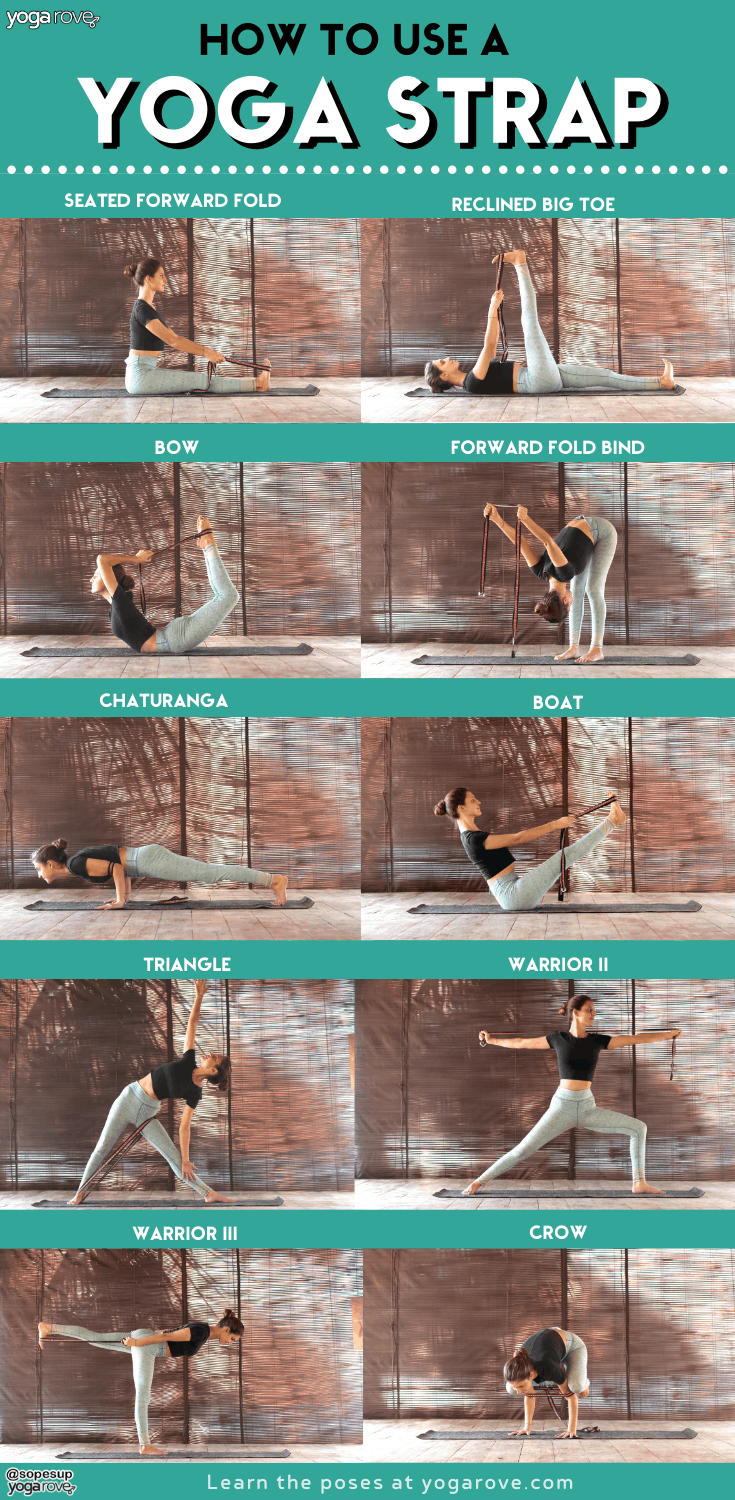
Image Source: yogarove.com
The Yoga Strap Explained
What is a yoga strap? It is a long, flat strip of strong fabric, usually cotton, nylon, or hemp. It has a buckle or D-rings at one end. The strap comes in different lengths, often 6, 8, or 10 feet. The length you pick depends on your size and what you want to do with it.
Using a yoga strap offers many yoga strap benefits. It helps you get into poses you can’t quite do on your own yet. It lets you hold stretches longer. It takes pressure off your joints by helping you find better alignment. It can also make some poses easier for beginners. For people with tight muscles or limited movement, the strap is a true friend.
Why a Strap Helps You Stretch More
Stretching is key to becoming more flexible. But sometimes your body just won’t bend or reach the way you want it to. This is where the strap comes in. It helps you connect with your limbs without straining.
Think about touching your toes. If you can’t reach, a strap lets you wrap it around your feet. Then you can hold the strap with your hands. This lets you work on lengthening your hamstrings without rounding your back too much. It helps you keep good form. This support lets your muscles relax a little more. Relaxed muscles can stretch more easily.
The strap is like a gentle pull. It helps you go deeper into stretches over time. It makes yoga strap for flexibility much easier to work on.
Getting Started: Handling Your Strap
Before you do any yoga strap stretches or poses, you need to know how the strap works. This includes learning how to loop yoga strap and how to adjust yoga strap.
Learning to Loop the Strap
The buckle end is key. Most straps have a metal D-ring buckle. To make a loop, you thread the tail end of the strap through both D-rings. Then, you pull the tail end back through just the first D-ring.
- Simple Loop: Lay the strap out. Find the end with the two rings. Feed the other end (the tail) through both rings. Then, pull the tail back and thread it only through the ring closest to the tail. Pull it tight. This makes a loop that stays put.
- Making it Bigger or Smaller: To make the loop bigger, pull the tail end out a bit. To make it smaller, pull the tail end tighter after threading it through the first ring.
Some straps have a plastic buckle. These often work like a belt buckle. You thread the strap through and the buckle locks it. Check your specific strap’s buckle if it’s not D-rings. The D-ring method is the most common and secure for yoga.
Making it Longer or Shorter
Once you have a loop or just using the strap without a loop, you need to know how to adjust yoga strap length.
- If Using a Loop: To shorten the loop, pull the tail end of the strap. It will slide through the buckle. To lengthen the loop, hold the strap just below the D-rings and pull the main strap part (not the tail) gently away from the rings. This loosens the tail, and you can pull more strap through.
- If Not Using a Loop: If you’re just using the strap as a long line (like holding one end in each hand), you just gather or let out the strap as needed. You can wrap excess strap around your hands to shorten it.
Always make sure the buckle or rings are flat against the strap when tightening. This locks it in place.
Simple Stretches Using a Yoga Strap
Let’s try some basic yoga strap stretches. These are great beginner yoga strap poses that help you feel how the strap works with your body.
Reaching Your Feet (Seated or Lying Down)
This is a classic strap stretch. It helps loosen the backs of your legs. This is perfect for yoga strap for tight hamstrings.
- Sit on the floor with legs straight out in front of you. Or lie on your back with legs straight.
- Make a loop in your strap or just have the strap ready.
- If sitting, bend one knee and place the strap loop around the ball of your foot. Or wrap the middle of the strap around the ball of your foot, holding one end in each hand.
- If lying down, lift one leg straight up. Put the strap loop around the ball of your foot or wrap the middle around it.
- Hold the ends of the strap. Keep your back straight (seated) or pressed into the floor (lying).
- Gently pull the strap towards you. Feel the stretch in the back of your leg (hamstring).
- Keep your leg as straight as you can without locking the knee. Only pull until you feel a good stretch, not pain.
- Breathe deeply. Hold for 30 seconds to a minute.
- Repeat on the other leg.
Tips: If lying down, keep the leg on the floor flat or bend the knee with the foot on the floor if your back is sensitive.
Shoulder Stretch
This helps open your chest and shoulders. It’s good if you sit a lot or feel rounded in your upper back.
- Sit or stand tall.
- Hold the strap with both hands. Keep hands wider than shoulder-width apart.
- Let your arms hang down in front of you. Keep the strap taut.
- Lift your arms up in front, then overhead. Keep holding the strap.
- Try to move your arms further back, letting the strap help pull your shoulders open.
- Only go as far as is comfortable. Do not force it. If you feel pinching, bring your arms forward a little.
- You can also try lifting arms overhead and then slowly lowering them behind you, if your shoulders allow. Keep the strap wide.
- Hold the stretch for a few breaths or gently move your arms up and down.
Tips: Make the strap wider if it’s too hard to go overhead. Make it narrower for more of a challenge only if your shoulders are very open.
Calf Stretch
Tight calves can affect your feet, ankles, and even how your legs feel.
- Sit with legs straight out.
- Wrap the strap around the ball of one foot. Hold the ends of the strap.
- Gently pull the strap back towards you. At the same time, point your toes towards your face.
- Feel the stretch in the back of your lower leg (calf).
- Hold for 30 seconds to a minute.
- Repeat on the other leg.
Tips: Keep your back straight. You can do this lying down too, similar to the hamstring stretch, but focus on pulling the toes back hard.
Yoga Poses Enhanced by a Strap
Adding a strap to regular yoga poses can make them more accessible or help you get deeper safely. Here are some yoga poses with strap.
Seated Forward Bend (Paschimottanasana Modified)
This pose stretches the entire back side of the body, especially hamstrings and back.
- Sit with legs straight out in front. Back is tall.
- Wrap the strap around the balls of your feet. Hold the ends of the strap.
- Keep your spine long. Think about sitting up taller first.
- As you exhale, hinge forward from your hips, not your waist. Keep your back as straight as possible.
- Use the strap to help you reach your feet. Don’t yank or pull hard. Just hold the strap to keep the connection to your feet.
- Let your hands slide down the strap towards your feet as you fold deeper, if your back stays straight.
- If your back rounds a lot, sit up higher. It’s better to have a straight back and less bend than a rounded back and bend deep. The strap helps you keep this length.
- Hold for 5-10 breaths.
Reclining Hand-to-Big-Toe Pose (Supta Padangusthasana)
This pose is excellent for hamstrings, hips, and inner thighs while lying down.
- Lie on your back.
- Bend your right knee and put the strap loop around the ball of your right foot. Or wrap the middle of the strap around the ball of the foot, holding ends in hands.
- Straighten your right leg up towards the ceiling. Keep the leg as straight as possible.
- You can keep your left leg bent with the foot on the floor or straighten it out along the floor.
- Hold the strap with your hands. Gently pull the leg closer to you. The strap helps you keep the leg straight even if it’s far from your face.
- Keep your shoulders relaxed and on the floor. Try to press your right hip down towards the floor too.
- Hold for 5-10 breaths.
- Now, take both ends of the strap into your right hand. Slowly let your right leg open out to the right side. Keep your left hip grounded on the floor. The strap supports the leg.
- Hold for 5-10 breaths.
- Bring the leg back up to center. If you kept the left leg on the floor, now hold both strap ends in your left hand and gently guide the right leg across your body to the left. Keep the right shoulder on the floor. This stretches the outer hip and IT band.
- Hold for 5-10 breaths.
- Release the leg and repeat on the left side.
Extended Hand-to-Big-Toe Pose (Utthita Hasta Padangusthasana Modified)
This is a standing balance pose that becomes more accessible with a strap. It works balance, legs, and flexibility.
- Stand tall. Shift weight to your left foot.
- Bend your right knee. Place the strap loop around the ball of your right foot.
- Hold both ends of the strap with your right hand. You can place your left hand on your hip for balance.
- Keeping your back straight and standing leg strong, slowly start to straighten your right leg out in front of you.
- Use the strap to help lift the leg. Don’t worry if the leg doesn’t go completely straight or very high. The strap lets you work towards it while keeping balance.
- Keep your chest lifted and shoulders relaxed.
- If you feel steady, you can try taking both ends of the strap into your left hand and opening the right leg out to the side (similar to the lying down version).
- Hold for a few breaths.
- Carefully bend the knee and release the strap and foot back to the floor.
- Repeat on the other side.
Working on Specific Areas
The strap is great for targeting areas that are often tight.
Yoga Strap for Tight Hamstrings
As shown in the seated forward bend and reclining poses, the strap is a hamstring helper. It lets you keep your spine long while stretching the back of the leg. This protects your back while you work on hamstring length. Without the strap, many people round their backs trying to reach their feet, which doesn’t effectively stretch the hamstrings and can hurt the back. Using the strap lets you focus the stretch where it belongs.
Using Yoga Strap for Back Flexibility
While the strap doesn’t directly bend your back, it helps back flexibility in a few ways:
- Seated Forward Bends: As mentioned, it helps keep the spine straight, improving the quality of the forward bend. This teaches your back muscles how to lengthen properly.
- Shoulder Openers: Stretches like the overhead reach help counter rounding in the upper back. This improves posture and makes the upper back feel more free.
- Twists (Modified): In seated twists, you can sometimes use the strap around a knee or foot to gently deepen the twist by giving you something to press against or pull slightly. This helps rotate the spine safely.
- Reaching Behind You: In poses like Dancer Pose (Natarajasana) or King Pigeon Pose (Eka Pada Rajakapotasana), where you grab your foot behind you, a strap is invaluable. You loop it around your foot and hold the ends with your hands, gradually walking your hands down the strap towards your foot. This allows you to open the shoulder and chest and gently arch the back without strain.
Here’s a simple back flexibility stretch using the strap to help reach:
- Sit tall, maybe on a cushion.
- Bend your left knee, placing the sole of the foot on the floor near your right thigh. Or keep the leg straight if that is easier.
- Bend your right leg and bring the heel towards your right hip (like half hero pose, or just keep it straight).
- Loop the strap around your right foot. Hold the ends of the strap.
- Keeping your spine long, gently lean forward over your right leg, using the strap to keep your back straight. Feel the stretch along the back of the leg and lower back.
- To work the upper back, try the shoulder stretch mentioned earlier while sitting tall.
Using the strap this way helps train your back to stay long and supported during stretches.
More Yoga Strap Exercises
Beyond basic stretches and poses, the strap can be used for strengthening and deeper work. These are more like yoga strap exercises.
Leg Lowering with Strap
This helps build core strength while stretching hamstrings.
- Lie on your back.
- Loop the strap around the ball of your right foot. Hold the ends.
- Lift your right leg straight up towards the ceiling (like in Supta Padangusthasana, but without pulling the leg towards you). Keep the strap taut.
- Keep your left leg straight on the floor. Press your lower back into the mat.
- Slowly, with control, lower your right leg towards the floor while keeping it straight and using the strap for support. Only go as low as you can without your lower back lifting off the mat.
- Slowly lift the leg back up using your core and leg muscles.
- Repeat 5-10 times. Switch legs.
Chest Expansion with Strap Behind Back
This works on shoulder mobility and opens the chest.
- Sit or stand tall.
- Hold the strap behind your back with both hands. Hands are wider than shoulder-width apart.
- Straighten your arms.
- As you inhale, lift your hands (and the strap) away from your back.
- Keep your chest lifted and shoulders pressing back gently.
- Hold for a few breaths. Lower the hands.
- Repeat a few times.
Variation: You can also hold the strap tighter and raise straight arms overhead and slightly behind you, as shown in the earlier shoulder stretch.
Safety First with Your Strap
Using a strap is generally safe, but it’s important to use it wisely.
- Listen to Your Body: Never pull so hard that you feel sharp pain. A stretch should feel like a deep pull or lengthening, not pain. If it hurts, ease up.
- Do Not Overstretch: The strap lets you reach further. This is good, but don’t yank or bounce. Gentle, steady pressure is best.
- Keep Breath Flowing: Breathe deeply during stretches. Holding your breath creates tension.
- Maintain Proper Form: The strap helps with alignment. Use it to keep your back straight in forward bends, for example, rather than just pulling harder.
- Warm Up: Do a few simpler movements or stretches before using the strap for deeper holds.
Picking the Right Strap
Yoga straps are pretty simple, but picking the right one helps.
- Length:
- 6 feet: Good for basic seated stretches, smaller people.
- 8 feet: The most common length, works for most people and stretches, including standing ones.
- 10 feet: Best for taller people, larger bodies, or if you need extra length for poses like wrapping around feet and hands with legs straight.
- Material:
- Cotton: Soft, durable, good grip.
- Nylon/Polypropylene: Very strong, less grip (can slide easier), good for more tension.
- Buckle:
- D-ring: Simple, secure, easy to adjust.
- Plastic Cinch: Can be quick but might slip under heavy tension.
An 8-foot cotton strap with D-rings is a great starting point for most people.
Reviewing the Many Yoga Strap Benefits
Let’s recap why a yoga strap is a great addition to your practice:
- Increases Reach: Helps connect hands to feet or other body parts.
- Improves Flexibility: Allows for deeper stretches over time.
- Enhances Alignment: Helps you maintain correct form in poses.
- Reduces Strain: Takes pressure off joints and prevents overstretching muscles without support.
- Makes Poses Accessible: Opens up poses that were previously too difficult.
- Builds Awareness: Helps you feel stretches in the right muscles.
- Supports Relaxation: Allows muscles to release tension in supported stretches.
Using a strap is not a sign that you are not good enough at yoga. It’s a sign that you are smart about how you practice. You are using a tool to help your body open up safely and effectively.
Table of Common Strap Uses
| Area Targeted | Example Stretch/Pose | How the Strap Helps |
|---|---|---|
| Hamstrings | Seated Forward Bend | Keeps spine straight, helps reach feet |
| Reclining Hand-to-Big-Toe Pose | Allows leg to stay straight while pulling closer | |
| Calves | Seated/Lying Calf Stretch | Pulls toes back to deepen stretch |
| Shoulders/Chest | Overhead Strap Reach | Helps open chest and shoulder joint |
| Chest Expansion Behind Back | Improves posture, stretches front of shoulders | |
| Back Flexibility | Seated Forward Fold (straight bk) | Encourages spine length, prevents rounding |
| Reaching Foot Behind (Dancer/etc) | Connects hand to foot, allows gentle backbend | |
| Hips/Outer Leg | Reclining Leg Across Body | Guides leg safely, keeps shoulder grounded |
| Balance | Standing Hand-to-Big-Toe Pose | Provides support, makes pose possible while standing |
Frequently Asked Questions About Yoga Straps
What is the main use of a yoga strap?
The main use is to extend your reach. This helps you hold onto parts of your body in poses you can’t reach yet. It makes stretches easier and safer.
Is a yoga strap only for beginners?
No, not at all! Straps are great for beginners as they make poses possible. But they are also used by advanced yogis to deepen stretches, check alignment, and explore poses in new ways.
How long should my yoga strap be?
For most people, an 8-foot strap is a good choice. If you are very tall or want to do certain poses that need extra length, a 10-foot strap might be better. A 6-foot strap is good for simple seated stretches.
Can a yoga strap help with tight hips?
Yes. Straps can be used in stretches like Reclining Hand-to-Big-Toe variations that stretch the outer hip and IT band. They can also help you hold poses like Pigeon Pose with better alignment.
How do I clean my yoga strap?
Most cotton straps can be washed by hand in cool water with a little soap. Hang it to dry. Check the label on your specific strap for care instructions.
Can I use a belt instead of a yoga strap?
You can use a sturdy belt or even a tie in a pinch, but they often don’t have the right length, width, or buckle style for easy adjustment and secure hold needed for many yoga poses. A real yoga strap is designed for this use.
Should I feel pain when using a strap?
No, you should not feel sharp or intense pain. You should feel a stretching sensation, maybe some discomfort, but it should be a good stretch feeling, not pain. If it hurts, back off.
Wrapping Up
A yoga strap is a simple, low-cost tool that can greatly improve your yoga practice and your flexibility. It helps you reach further, hold stretches longer, and find better alignment. By learning how to use a yoga strap, including how to loop yoga strap and how to adjust yoga strap, you unlock many yoga strap benefits. You can work on yoga strap stretches, practice yoga poses with strap, target tight spots like yoga strap for tight hamstrings, improve using yoga strap for back flexibility, and try new yoga strap exercises.
Start using your strap today. Be patient with your body. Use the strap as a helper, not a tool to force yourself. Over time, you will see and feel the difference in your flexibility and strength.