
Yoga can change your body in many ways. People often ask, “Does yoga help lose weight?” Yes, yoga can be part of a plan to lose weight. It can help your body burn more calories. It also builds muscle. Muscle burns more calories than fat, even when you are resting. Doing yoga helps you become more aware of your body. This can lead to healthier food choices. So, while yoga might not burn as many calories as running fast, it helps with weight in other important ways. It helps your body get stronger and more flexible. It can also make you feel better overall. This can help you live a healthier life, which supports a healthy weight.
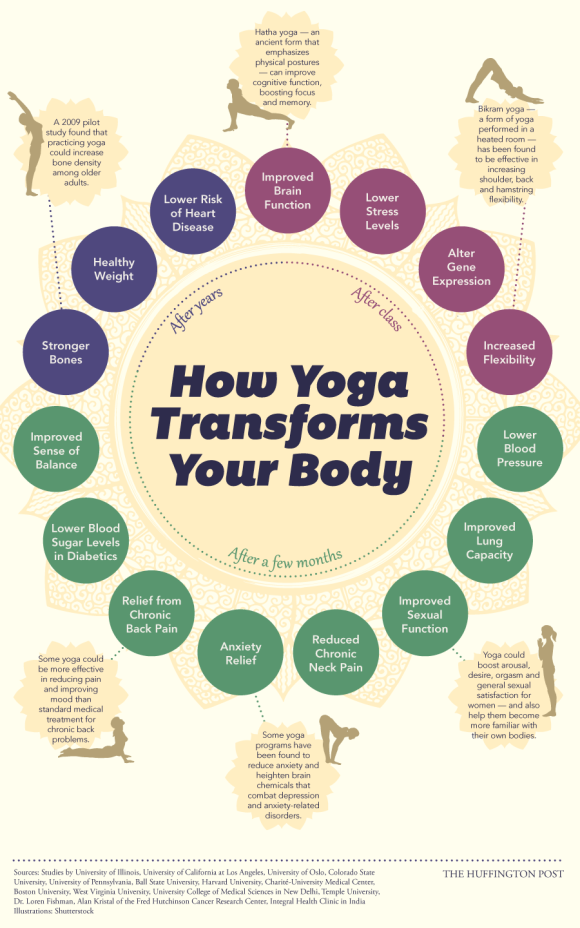
Image Source: bamboogardenyoga.com
Seeing How Yoga Makes You More Flexible
One of the first things people notice about yoga is how it makes them more flexible. The flexibility benefits of yoga are well known. Yoga poses ask you to stretch your muscles gently. You hold these stretches for some time. This helps your muscles get longer and looser.
Stretching Your Muscles
When you stretch, you are asking your muscle fibers to extend. Think of a rubber band. When you pull it, it gets longer. Muscles work a bit like that. Yoga poses slowly stretch different muscle groups.
- Hamstrings: Poses like forward folds stretch the back of your thighs.
- Hip Flexors: Poses like lunges help open the front of your hips. Sitting a lot can make these tight.
- Shoulders and Chest: Poses that open the chest help undo tightness from sitting or using computers.
- Spine: Twists and bends help the muscles around your spine become more flexible.
Stretching in yoga is usually done with breath. You often breathe in to lengthen your spine and breathe out to go deeper into a stretch. This mindful way of stretching helps your muscles relax and open up.
More Than Just Muscle Stretch
Yoga also helps the tissues around your muscles. These are called fascia and connective tissues. They can get tight too. Stretching helps these tissues become more pliable. This leads to better range of motion in your joints.
Daily Benefits of More Flexibility
Being more flexible helps you in simple daily tasks.
* Picking things up from the floor becomes easier.
* Reaching for things is not as hard.
* Moving around feels less stiff.
* It can help prevent injuries. Tight muscles are more likely to get pulled. Flexible muscles can move through a fuller range without strain.
Over time, with regular practice, your muscles will get used to stretching. They will become longer and more elastic. This is a key physical change you will see from yoga.
Getting to Know How Yoga Builds Strength
Yoga is not just about stretching. It also builds real strength. Yoga for strength and muscle tone is very effective. You use your own body weight as resistance. Holding poses works your muscles in a deep way.
Using Your Body Weight
Many yoga poses require you to support your weight.
* Holding Plank Pose: This is like a push-up position. It works your arms, shoulders, core, and legs. Holding it for a while builds serious strength.
* Warrior Poses: Standing poses like Warrior I and II make your legs work hard. Your thighs and glutes get stronger. Your core helps you stay upright.
* Downward-Facing Dog: This pose strengthens your arms, shoulders, and back. It also stretches your hamstrings and calves.
* Chaturanga (Yoga Push-up): This pose builds strength in the arms, shoulders, and chest. It is a key part of many yoga flows.
You build lean muscle mass yoga practice helps achieve. It is not bulky muscle like from lifting very heavy weights. It is functional strength. This means your muscles work well together to support your body and help you move easily.
Working Different Muscle Groups
Yoga works muscles you might not target with other exercises. It works stabilizer muscles. These are small muscles around your joints. They help you stay steady. Strengthening them helps prevent injuries.
- Leg Strength: Poses like Chair Pose, Warrior poses, and standing balances build strong legs.
- Arm and Shoulder Strength: Poses like Downward Dog, Plank, Chaturanga, and arm balances build upper body strength.
- Back Strength: Poses like Cobra, Locust, and Warrior III strengthen the muscles along your spine. This is key for good posture.
Why Holding Poses Helps
Holding a pose for several breaths makes your muscles work hard for an extended time. This creates tiny tears in the muscle fibers. When these fibers repair, they become stronger and slightly bigger. This leads to improved muscle tone. Muscle tone means your muscles have a slight firmness even when not actively used.
Regular yoga practice, especially styles that involve holding poses or flowing between them, will make your body feel stronger. Simple things like carrying groceries or climbing stairs will feel easier.
Fathoming How Yoga Helps with Weight
We touched on this earlier, but let’s look closer at how does yoga help lose weight. It is not a quick fix like crash diets. Yoga helps in a more steady, long-term way. It helps with weight management by affecting several parts of your health.
Burning Calories
Yoga does burn calories. The exact amount depends on the style of yoga and how long you practice.
* Gentle Yoga (Hatha, Yin): Burns fewer calories, maybe 200-300 per hour.
* Vinyasa or Flow Yoga: Burns more calories, maybe 300-450 per hour, as you move between poses quickly.
* Hot Yoga (Bikram, Hot Vinyasa): Can burn even more, maybe 400-600+ per hour, due to the heat.
While these numbers might be lower than running or intense sports, regular practice adds up. Burning extra calories helps create a calorie deficit. This is key for losing weight.
Building Muscle Mass
As mentioned, yoga helps builds lean muscle mass yoga practice encourages. Muscle tissue burns more calories than fat tissue. So, the more muscle you have, the higher your metabolism can be. This means your body burns more calories even when you are resting. Over time, this helps your body composition change. You may see yoga reduces body fat and increases muscle.
Reducing Stress Hormones
Stress can make it hard to lose weight. When you are stressed, your body releases cortisol. High levels of cortisol can make your body store more fat, especially around the belly. Yoga is known for reducing stress. The focus on breath and mindful movement calms the nervous system. Lower stress can lead to lower cortisol levels. This makes it easier for your body to release fat.
Improving Body Awareness
Yoga teaches you to pay attention to your body. You notice how you feel. This increased awareness can extend to your eating habits. You might start to notice when you are truly hungry or just eating because of stress or boredom. This can help you make healthier food choices without feeling deprived.
Better Sleep
Yoga often helps people sleep better. Lack of sleep can mess with hormones that control hunger (ghrelin) and fullness (leptin). When these hormones are off, you might crave unhealthy foods and eat more. Getting enough good sleep supports healthy hormone levels, which helps with weight management.
So, yoga helps with weight by burning some calories, building metabolism-boosting muscle, reducing stress, improving awareness about eating, and helping you sleep better. It is a holistic approach to a healthy body weight.
Improving Your Stance: How Yoga Helps Posture
Bad posture is common today. Sitting at desks, looking at phones, and daily habits can make us slouch. Yoga helps improve posture with yoga practices. It does this by balancing muscle strength and flexibility.
Strengthening Key Muscles
Good posture needs strong muscles to hold your body upright.
* Back Muscles: Yoga poses like Cobra, Locust, and Superman strengthen the muscles along your spine. These muscles pull your shoulders back and help you stand tall.
* Core Muscles: Your core (belly and back muscles) supports your spine. Core strength from yoga is vital for good posture. Poses like Plank, Boat Pose, and even Mountain Pose work your core. A strong core keeps your torso stable.
* Shoulder Muscles: Poses that open the chest and strengthen the upper back help pull rounded shoulders back into alignment.
Stretching Tight Areas
Some muscles get tight from bad posture.
* Chest Muscles: Sitting slumped shortens chest muscles. Poses that stretch the chest counter this.
* Hip Flexors: Sitting a lot tightens hip flexors. This can pull your pelvis forward, leading to an exaggerated curve in your lower back. Yoga stretches for hip flexors help correct this.
* Hamstrings: Tight hamstrings can affect the position of your pelvis and spine. Stretching them helps.
Body Awareness and Alignment
Yoga teaches you about body alignment. You learn what it feels like to stack your bones correctly. In poses like Mountain Pose, you are coached to stand tall, ground your feet, lift through the crown of your head, and gently engage your core. This awareness carries into your daily life. You start to notice when you are slouching and can correct yourself.
Better posture makes you look taller and more confident. It can also help reduce pain in the back, neck, and shoulders. It improves breathing, as your lungs have more space to expand.
Steadying Yourself: How Yoga Builds Balance
Many yoga poses require you to balance. This helps yoga for better balance. Balance is more than just standing on one leg. It involves many systems in your body working together.
Working Stabilizer Muscles
Standing on one leg, like in Tree Pose or Warrior III, forces your body to use small stabilizer muscles around your ankles, knees, and hips. These muscles are key for keeping you steady. The more you challenge them, the stronger they become.
Connecting with Your Center
Yoga teaches you to find your center of gravity. You learn to root down through your standing foot and engage your core for stability. This sense of being centered helps you stay balanced not just in poses, but also when walking or moving in daily life.
Breath and Focus
Balance also needs a calm mind and steady breath. If your mind is racing or your breath is shaky, it’s harder to balance. Yoga’s focus on breath control (pranayama) and mindfulness helps calm your nervous system. This mental stillness improves your physical ability to balance.
Proprioception
Yoga improves proprioception. This is your body’s sense of where it is in space. When you do yoga, you are constantly adjusting small movements to stay balanced. This practice sharpens your body’s awareness of its position. This helps prevent falls and improves coordination.
Better balance is important at any age. It makes moving feel more secure and can help prevent accidents. For older adults, maintaining good balance is crucial for staying independent.
Looking Deeper: Core Strength from Yoga
Your core is the center of your power and stability. It includes muscles in your abdomen, back, hips, and pelvis. Building core strength from yoga has huge benefits for your whole body.
More Than Just Abs
When people think of core strength, they often just think of “abs.” But the core is much more. It supports your spine, helps you twist and bend, and connects your upper and lower body.
How Yoga Builds Core Strength
Many yoga poses naturally engage your core muscles.
* Plank and Forearm Plank: These poses are great for building overall core stability.
* Boat Pose (Navasana): Directly targets the abdominal muscles.
* Warrior Poses: Require core engagement to maintain upright posture and stability.
* Twisting Poses (e.g., Seated Twist): Work the oblique muscles (sides of your core).
* Standing Poses: Even simple standing poses like Mountain Pose or Triangle Pose need core engagement to maintain alignment.
* Cat-Cow Pose: Helps build awareness of moving the spine with core support.
Holding these poses and moving mindfully between them strengthens the deep core muscles. These are the muscles that wrap around your spine like a corset. They are vital for stability.
Benefits of a Strong Core
A strong core helps everything you do.
* Better Posture: A strong core helps you sit and stand taller.
* Reduced Back Pain: A strong core takes pressure off your lower back.
* Improved Balance: Your core is key to staying steady.
* More Power in Movements: Your core helps transfer energy between your upper and lower body for activities like walking, running, or lifting.
* Easier Breathing: A strong core supports your diaphragm, which helps with full, deep breaths.
Building core strength in yoga is often done in a gentle, integrated way. It’s not just doing crunches. It’s learning to activate your core to support your body in many different positions.
Seeing the Physical Changes from Regular Yoga
If you practice yoga regularly, you will start to see physical changes from regular yoga. These changes happen over time, often subtly at first, then becoming more obvious. Consistency is the most important factor.
Changes You Might See and Feel
- Improved Flexibility: Your muscles and joints will feel less stiff. Reaching and bending will be easier.
- Increased Strength: You’ll find yourself able to hold poses longer or do poses that were hard before. Everyday tasks requiring strength will feel easier.
- Better Posture: You might notice yourself sitting or standing taller naturally. Others might point it out.
- Improved Balance: Standing on one leg will feel more stable. You might feel more grounded in general.
- Increased Muscle Tone: Your muscles may look more defined, especially in areas like arms, shoulders, back, and legs. Remember, yoga builds lean muscle mass yoga practice encourages.
- Reduced Body Fat: As you build muscle and potentially become more active and less stressed, you might see yoga reduces body fat over time.
- More Energy: Moving your body and improving breathwork can boost your energy levels.
- Better Sleep: Physical activity and stress reduction from yoga often lead to deeper, more restful sleep.
- Improved Body Awareness: You’ll feel more connected to your body and how it moves.
These physical changes from regular yoga don’t happen overnight. Most people start feeling small differences within a few weeks of regular practice (2-3 times per week). More visible changes often take a few months.
How Often Is “Regular”?
To see lasting changes, most experts suggest practicing yoga at least 2-3 times per week. Even short sessions (20-30 minutes) done consistently are better than one long session rarely. Finding a style and time that fits your life is key to making it a regular habit.
Thinking About Joint Health
Yoga is often gentle on the joints, making it good for yoga for joint health. Movement is important for healthy joints. It helps keep the cartilage healthy and the surrounding muscles strong.
Gentle Movement
Unlike high-impact activities like running or jumping, yoga puts less stress on your joints. Poses are usually held steadily or moved into slowly. This gentle movement helps lubricate the joints. The synovial fluid, which cushions and nourishes your joints, is produced and circulated better with movement.
Strengthening Muscles Around Joints
Strong muscles around a joint help support it. For example, strong quadriceps and hamstrings help support the knee joint. Strong muscles around the hip and shoulder joints provide stability. Yoga strengthens these supporting muscles, which can reduce stress on the joints themselves.
Improving Range of Motion
By gently stretching and moving joints through their full range of motion, yoga helps maintain or improve joint mobility. This can help prevent stiffness and keep joints functioning smoothly.
Reducing Pain and Stiffness
For people with conditions like arthritis, yoga can be very helpful. Gentle yoga (like Hatha, Yin, or Restorative) can reduce pain and stiffness. It helps maintain mobility without causing flare-ups. Always consult a doctor before starting yoga if you have a joint condition. A qualified yoga teacher can offer modifications to make poses safe and comfortable for your joints.
Table: Yoga Poses and Their Physical Benefits
Here is a simple table showing some common yoga poses and what physical benefits they offer.
| Yoga Pose | Main Physical Benefits | Focus Areas |
|---|---|---|
| Downward-Facing Dog | Strength (arms, shoulders, back), Flexibility (hamstrings, calves, spine) | Upper body, Back of legs, Spine |
| Warrior II | Strength (legs, core), Balance, Flexibility (hips) | Legs, Core, Hips, Shoulders |
| Tree Pose | Balance, Strength (ankles, legs), Core strength | Ankles, Legs, Core, Balance |
| Plank Pose | Strength (core, arms, shoulders, legs) | Full Body, Core |
| Cobra Pose | Strength (back), Flexibility (spine, chest) | Back, Chest, Spine |
| Seated Twist | Flexibility (spine, shoulders), Core strength | Spine, Shoulders, Core |
| Child’s Pose | Gentle stretch (back, hips), Relaxation | Back, Hips, Nervous System |
| Triangle Pose | Flexibility (hamstrings, hips, side body), Strength (legs, core), Balance | Legs, Hips, Side body, Core, Balance |
| Bridge Pose | Strength (glutes, hamstrings, back), Flexibility (chest, spine) | Glutes, Hamstrings, Back, Chest, Spine |
| Forward Fold | Flexibility (hamstrings, spine), Relaxation | Back of legs, Spine |
This table shows how different poses work different parts of your body, leading to the variety of physical changes you see with yoga.
Pulling It Together: Overall Body Changes
Putting all these parts together shows the big picture of how yoga changes your body. The physical changes from regular yoga practice create a stronger, more flexible, and better-aligned body.
You don’t just get more flexible OR stronger. You get both. This balance is what makes yoga so effective for overall fitness.
* You build strength by holding poses.
* You increase flexibility by stretching in those same poses.
* You improve posture by strengthening weak muscles and stretching tight ones.
* You gain balance by challenging your stability.
* You build core strength from yoga practice, which supports your entire structure.
* You support yoga for joint health with gentle, fluid movement.
* You can manage weight as yoga reduces body fat and builds lean muscle mass yoga makes possible.
Beyond the physical look, these changes affect how you feel every day. Less pain, more energy, better sleep, and easier movement contribute to a higher quality of life. Your body becomes more capable and resilient. The mind-body connection that yoga fosters also means you become more aware of your body’s needs and signals. This can lead to even healthier habits over time.
How Long Until You See Changes?
Many people wonder how quickly they will see results.
* Feeling: You might start feeling more relaxed, less stiff, or slightly stronger within a few weeks (2-4 weeks) if you practice consistently.
* Seeing: Visible changes in muscle tone, posture, or flexibility usually take longer, perhaps 1-3 months of regular practice (2-3 times per week).
* Deeper Changes: Significant changes in body composition (fat vs. muscle) or major improvements in chronic pain might take several months to a year or more.
Consistency is key. Even 20 minutes a few times a week is better than an hour once a month. Listen to your body. Don’t push too hard, especially when you start. Yoga is a journey, not a race. Enjoy the process and the small changes you notice along the way. The long-term benefits are significant.
FAQ: Common Questions About Yoga and Your Body
Here are some common questions people ask about the physical effects of yoga.
H5 What Kind of Yoga Is Best for Physical Changes?
Different styles of yoga offer different benefits.
* For strength and muscle tone, Vinyasa, Ashtanga, or Power Yoga are good choices because they involve flowing between poses and holding challenging postures.
* For flexibility, Hatha, Yin, or Restorative yoga focus on holding stretches longer or using props to deepen stretches gently.
* For overall fitness and a mix of strength and flexibility, Hatha and Vinyasa are often recommended.
* For stress reduction, which helps with weight and overall health, any style can work, but Restorative or Yin yoga might be particularly calming.
The “best” style is the one you will do consistently. Trying different classes or videos can help you find what you enjoy.
H5 Can Yoga Help with Back Pain?
Yes, yoga can often help with back pain. It strengthens the core and back muscles that support the spine. It also increases flexibility in the spine, hips, and hamstrings, which can reduce tension that contributes to back pain. However, it is very important to practice safely. Always tell your teacher about any back issues. Some poses may need to be changed or avoided. Gentle yoga styles are often best if you have pain.
H5 Do I Need to Be Flexible to Start Yoga?
Absolutely not! Yoga is a tool to become more flexible. Many beginners are not flexible at all. This is perfectly normal. A good teacher will offer ways to change poses to fit your current body. Your flexibility will improve with practice.
H5 Will Yoga Make Me Bulky?
No, yoga is unlikely to make you bulky in the way that heavy weightlifting might. Yoga builds lean muscle mass yoga practice encourages. This means strong, functional muscles that make you look toned, not large and bulky. Women, in particular, lack the hormones needed to build very large muscles from bodyweight exercises like yoga.
H5 How Is Yoga Different from Stretching?
Yoga is more than just stretching. It combines physical poses (asanas) with breath control (pranayama) and often mindfulness or meditation. While stretching focuses mainly on lengthening muscles, yoga works on strength, balance, flexibility, core stability, joint health, and the mind-body connection. It is a more complete practice for overall well-being.
H5 Can Yoga Help Me Get Taller?
Yoga itself does not change the length of your bones. However, it can help you stand taller by improving your posture. By strengthening your back and core and reducing slouching, yoga helps you use your full height potential. It can make you appear taller and more upright.
In Conclusion
Yoga brings about many positive physical changes in the body. From making you more flexible and building strength to improving posture and balance, the benefits are wide-ranging. It supports healthy weight management by building muscle and reducing stress. It keeps your joints healthy and improves your core strength. With regular practice, you will likely feel and see these physical changes from regular yoga. It is a practice that benefits your body in a holistic way, helping you move better, feel stronger, and live with less stiffness and pain. Start slow, be consistent, and enjoy the journey of discovering what yoga can do for your body.