
Yoga is more than just stretching. It is a practice that joins the body and mind. People often ask, “How does yoga help mental health?” The short answer is that yoga uses movement, breath, and focus to calm the nervous system. This helps lower stress, ease worried thoughts, and improve how you feel. Yoga brings many gifts for your mind and heart. It offers a path to feel better inside.
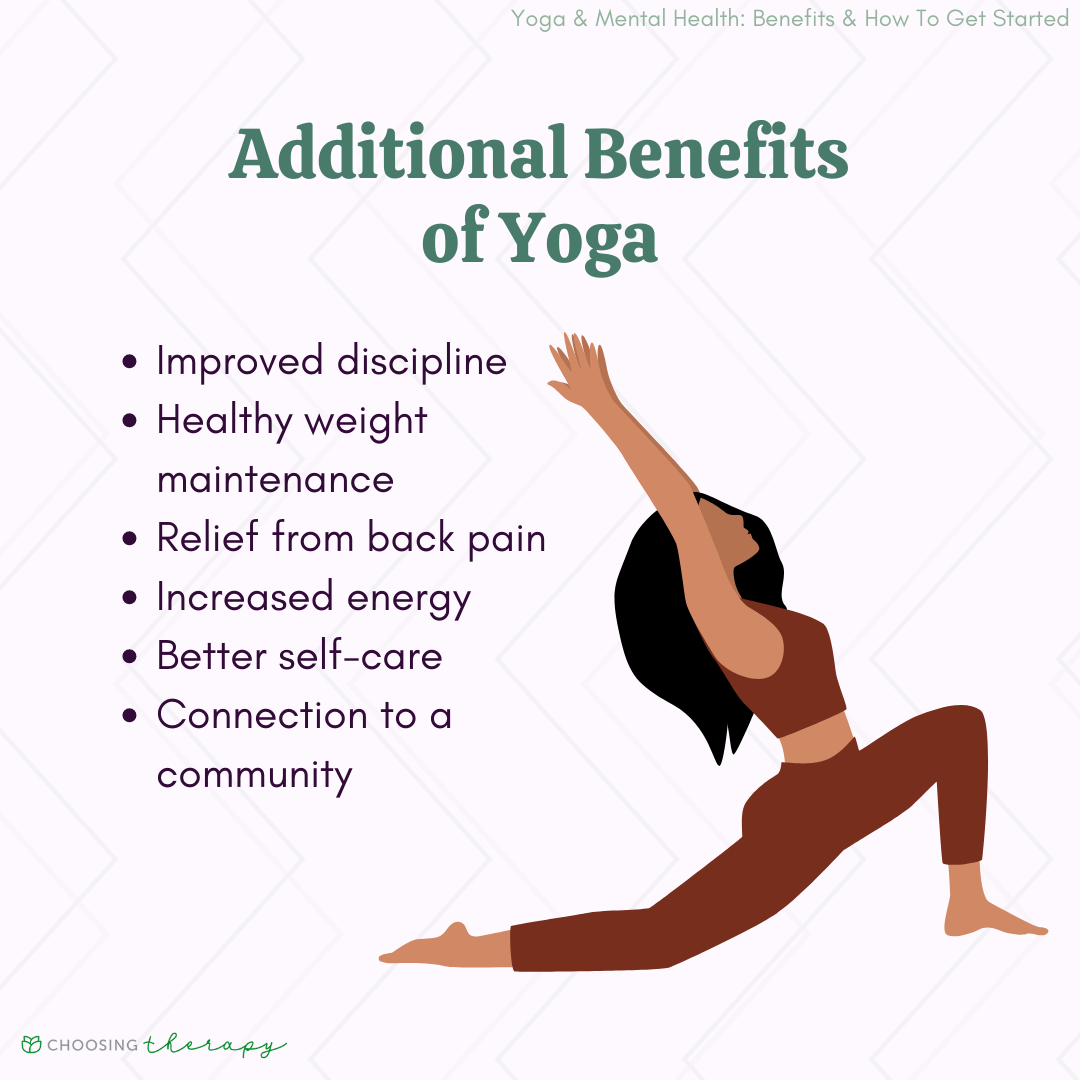
Image Source: www.choosingtherapy.com
The Link Between Body and Mind
Our bodies and minds are connected. What happens in one affects the other. If your body is tense, your mind might feel stressed. If your mind races, your body can feel restless. Yoga works on this deep link, also known as the yoga mind body connection.
Yoga teaches you to pay attention. You notice how your body feels. You notice your breath. You notice your thoughts. This helps you see the links between them. When you move your body in yoga poses (called asanas), you also work on your mind. When you focus on your breath (pranayama), you calm your thoughts. When you sit quietly (meditation), you build inner peace. This focus on the yoga mind body connection is key. It helps you manage feelings and thoughts better.
Grasping the Mind Body Connection
Think of your body as a house for your mind. If the house is shaky, the mind feels shaky too. Yoga helps make the house strong and stable.
- Body Signals: Yoga helps you listen to your body. Is your shoulder tight? Is your jaw clenched? These can be signs of stress in your mind.
- Mind Signals: Are you thinking worried thoughts? Does your mind jump around? These can make your body feel tense.
- Working Together: Yoga shows you that changing one part helps the other. Relaxing your body can relax your mind. Calming your mind can relax your body.
This deep link is why yoga helps so much with mental well-being. It doesn’t just stretch muscles. It stretches your view of yourself.
Deciphering Yoga Stress Reduction
Stress is a big problem for many people. It makes us feel jumpy, tired, or angry. It can hurt our bodies too. Yoga is a very good way to lower stress. It offers proven methods for yoga stress reduction.
Stress triggers our body’s “fight or flight” mode. This is a natural warning system. But if it stays on all the time, it hurts us. Yoga helps turn this system down. It boosts the “rest and digest” mode. This is the part of our nervous system that helps us relax and heal.
How Yoga Lowers Stress
Yoga uses simple tools to fight stress.
- Movement (Asanas): Moving your body releases tension. Holding poses can help you face tough feelings in a safe way. Gentle flows can soothe the nerves.
- Breath (Pranayama): Slow, deep breathing tells your body it’s safe. This is a core part of yoga relaxation techniques. Simple breathing exercises can quickly calm you down.
- Focus (Mindfulness): Paying attention to the present moment stops your mind from worrying about the past or future. This practice builds mindfulness yoga skills. It keeps you anchored.
Let’s look closer at breathing. When you are stressed, your breath gets fast and shallow. Yoga teaches you to breathe slowly and deeply into your belly. This kind of breath sends a message to your brain: “Everything is okay.” This simple act is a powerful yoga relaxation technique.
Another way yoga reduces stress is by giving you a break. When you are on the mat, you step away from daily worries. You focus only on your breath and movement. This mindful break helps clear your head. It gives your mind and body a chance to rest and reset. This leads to real yoga stress reduction.
Yoga for Easing Worried Feelings: Yoga Anxiety Relief
Anxiety is a feeling of worry, nervousness, or unease. It can be mild or very strong. It can make your heart race or make you feel shaky. Yoga is very helpful for people with anxiety. It provides effective yoga anxiety relief.
Anxiety often makes your thoughts run wild. Your mind jumps from one worry to the next. Yoga helps quiet this mental noise. It brings you back to your body. It grounds you in the present moment.
How Yoga Helps Calm Anxiety
Yoga uses specific ways to ease anxious feelings.
- Breath Control: Anxious breath is often quick and high in the chest. Yoga teaches you belly breathing. It teaches you to make your exhale longer than your inhale. This slows your heart rate. It calms your nerves. This is a powerful tool for yoga anxiety relief.
- Moving Stuck Energy: Anxiety can make you feel restless or frozen. Moving your body in yoga helps release this stuck energy. Gentle stretches can ease tight muscles that come with worry. Poses that ground you, like standing poses, can make you feel safer and more stable.
- Facing Discomfort: Sometimes poses are a little hard or make you feel things in your body you usually avoid. Learning to stay with this small discomfort on the mat can help you handle uncomfortable feelings like anxiety in life.
- Building Resilience: Regular practice makes your nervous system stronger. You learn to handle stress better. This builds your ability to bounce back from anxious moments. It offers lasting yoga anxiety relief.
Consider a pose like Child’s Pose. You fold forward, resting your head on the mat. This pose is like hiding away safely. It is calming and grounding. Or poses that open your chest, like Cobra Pose, can help you feel less closed in by worry. These poses, combined with breath, offer real yoga anxiety relief.
Yoga for Lifting Spirits: Yoga Depression Benefits
Depression is more than just feeling sad. It is a deep feeling of hopelessness or emptiness. It can make you lose interest in things you once loved. Yoga can be a supportive tool for people with depression. It offers many yoga depression benefits.
When you feel depressed, you might have low energy. It can be hard to get out of bed. Your body might feel heavy. Your thoughts might be very negative. Yoga gently invites movement back into your life. It helps lift the heaviness.
Ways Yoga Helps with Depression
Yoga works on different levels to help with depression.
- Gentle Movement: Even a little gentle movement can help. It gets your blood flowing. It releases feel-good chemicals in your brain called endorphins. This is a key part of yoga depression benefits.
- Creating Routine: Depression can make life feel messy and without structure. Having a regular yoga time gives you a routine. This can feel grounding and give you a sense of purpose.
- Connecting with Others: Taking a yoga class can help you feel less alone. Being in a room with others, even in silence, can be comforting. This social link is a benefit of yoga for many.
- Changing Thought Patterns: Yoga helps you notice your thoughts without getting stuck in them. You learn that thoughts are not facts. This can help challenge negative thinking patterns common in depression.
- Empowerment: As you learn poses and get stronger, you feel more capable. This sense of achievement can boost your self-worth. It is a powerful yoga depression benefit.
Think about simple seated poses. Just sitting up straight can make you feel more alert. Poses that open the chest, like Warrior II, can make you feel stronger and more open to the world. The act of showing up for yourself on the mat, even when it’s hard, is a victory. This regular effort provides significant yoga depression benefits.
It is important to say that yoga is not a cure for depression. But it can be a very helpful part of getting better, along with help from doctors or therapists.
Being Present: Mindfulness Yoga
Mindfulness is paying attention to the present moment. You notice your thoughts, feelings, and body without judging them. Yoga is a practice of mindfulness. It teaches you mindfulness yoga skills.
When you do yoga, you are asked to focus on your breath. You are asked to feel your body in the pose. You are asked to notice what your mind is doing. This focus brings you into the now.
Building Presence with Yoga
Yoga builds mindfulness in many ways.
- Focusing on Breath: The breath is always in the present. Following your breath keeps you grounded. This is the most basic form of mindfulness yoga.
- Sensing the Body: Feeling the stretch, the strength, the balance in a pose brings you into your body. This makes you aware of what is happening right now.
- Noticing Thoughts: In yoga, you might notice your mind wandering. The practice is not to stop thoughts, but to notice them and gently bring your focus back to your breath or body. This practice is core to mindfulness yoga. It helps you detach from worries.
- Non-Judgment: Yoga teaches you to accept where you are today. Some days poses are easy, some days they are hard. You learn not to judge yourself. This kind and accepting attitude is key to mindfulness yoga.
Mindfulness yoga helps you become less reactive. Instead of getting swept away by a feeling or thought, you learn to notice it. You can then choose how to respond, rather than just reacting. This skill is helpful for dealing with stress, anxiety, and difficult emotions.
Cultivating Inner Harmony: Emotional Well-being Yoga
Emotional well-being is about feeling okay with your emotions. It’s about being able to handle them, both good and bad. Yoga helps you improve your emotional well-being. It is a practice that supports emotional well-being yoga.
Sometimes we try to push away difficult feelings like sadness or anger. Yoga creates a safe space to feel whatever comes up. The physical movement and breath can help you process these emotions in a healthy way.
How Yoga Nurtures Emotions
Yoga offers tools for better emotional health.
- Releasing Stuck Emotions: Emotions can get held in the body as tension. Hips, shoulders, and jaw are common spots. Certain yoga poses can help release this physical tension, which can also release stuck emotions. This is a key part of emotional well-being yoga.
- Building Self-Awareness: Yoga helps you notice how different emotions feel in your body. This awareness helps you catch emotions before they become overwhelming.
- Learning to Self-Soothe: The breathing exercises and calming poses in yoga teach you how to comfort yourself. You build tools you can use anytime, anywhere. These are great for emotional well-being yoga.
- Finding Inner Strength: Yoga can be challenging. Working through a tough pose builds mental strength and resilience. This feeling of capability helps you feel more able to handle life’s emotional ups and downs.
- Self-Acceptance: Yoga encourages you to accept yourself as you are. This kindness towards yourself is vital for emotional well-being.
Think about a pose that feels hard for you. As you hold it, you might feel frustration or doubt. Yoga teaches you to breathe through it. You learn that you can handle discomfort. This builds your ability to manage difficult feelings off the mat too. This practice directly supports emotional well-being yoga.
A Boost for Your Spirits: Improved Mood Yoga
Yoga doesn’t just calm you down; it can also cheer you up. Regular yoga practice often leads to an improved mood. This is why many people turn to yoga for feeling happier. It offers genuine improved mood yoga benefits.
There are several reasons why yoga helps lift spirits.
How Yoga Lifts Your Mood
Yoga uses different pathways to make you feel better.
- Chemical Boost: As mentioned earlier, movement releases endorphins. These are natural mood lifters. Even gentle yoga can do this. This is a simple, direct improved mood yoga effect.
- Less Stress and Anxiety: Since stress and anxiety often drag down your mood, reducing them naturally helps you feel better. Yoga’s stress reduction and anxiety relief benefits lead to improved mood.
- Feeling of Accomplishment: Finishing a yoga session, no matter how simple, gives you a feeling of having done something good for yourself. This can boost your mood.
- Connecting with Your Body: In modern life, we often live in our heads. Yoga brings you back into your body. This connection can feel grounding and positive. It shifts focus away from looping negative thoughts.
- Mindfulness and Gratitude: Practicing mindfulness in yoga can help you notice the good things around you and within you. This can lead to feelings of gratitude, which are powerful mood boosters.
Consider a flowing yoga class. Moving from one pose to the next with your breath can feel freeing and joyful. Even quiet, restorative yoga can lift your mood by helping you feel rested and cared for. The overall practice supports improved mood yoga.
Tools for Calm: Yoga Relaxation Techniques
Learning to relax is a skill. In our busy world, it’s a skill many of us have lost. Yoga is rich in practices that teach you how to relax deeply. It provides effective yoga relaxation techniques.
These techniques help calm your nervous system. They slow your heart rate. They quiet your mind. They release tension in your body.
Powerful Relaxation Tools in Yoga
Yoga offers specific ways to find deep rest.
- Savasana (Corpse Pose): This is often the final pose in a yoga class. You lie flat on your back, arms by your sides, eyes closed. The goal is to relax completely. It sounds simple, but it can be very challenging to let go fully. Practicing Savasana is a core yoga relaxation technique.
- Pranayama (Breath Control): We talked about breath for stress and anxiety. Specific breathing patterns are also used for deep relaxation. For example, Ujjayi breath (ocean breath) or Nadi Shodhana (alternate nostril breathing) can be very calming. These are powerful yoga relaxation techniques.
- Yoga Nidra (Yogic Sleep): This is a guided meditation technique. You lie down and listen to instructions that take you through different levels of relaxation. Your body rests deeply, but your mind stays aware. It is a very effective yoga relaxation technique for releasing tension and calming the mind.
- Restorative Yoga: This style of yoga uses props like blankets, bolsters, and blocks to support the body in gentle poses. The goal is to hold poses for a long time with no effort. This allows the body and mind to relax deeply.
Learning and using these yoga relaxation techniques can help you manage stress and anxiety daily. They give you tools you can use anytime you need to feel calm.
Clearing the Fog: Mental Clarity Yoga
Sometimes your mind feels cluttered or fuzzy. It’s hard to focus or make decisions. This is where yoga can help. It can bring mental clarity. Yoga practice helps you achieve mental clarity yoga.
A busy mind is like a muddy pond. You can’t see the bottom. Yoga helps the mud settle. It makes the water clear.
How Yoga Sharpens Your Mind
Yoga uses focus and calm to improve clear thinking.
- Focused Attention: Yoga requires you to focus on your breath, your body, and the pose. This practice trains your brain to focus. This skill transfers to other parts of your life, improving mental clarity yoga.
- Reducing Distractions: By calming the nervous system and quietening the mind, yoga reduces the internal noise that makes clear thinking hard. Less stress and anxiety mean more space for clear thoughts.
- Improved Blood Flow: Physical movement and deep breathing increase blood flow to the brain. This can help your brain work better.
- Present Moment Awareness: Mindfulness yoga helps you stay in the present. When you are not lost in worries about the past or future, you can think more clearly about what is happening now.
- Creating Space: The quiet time in yoga, especially during meditation or Savasana, gives your mind a chance to process things in the background. This can lead to new ideas or solutions appearing seemingly out of nowhere.
Consider a balancing pose like Tree Pose. It requires intense focus. If your mind wanders, you fall. Practicing this kind of focus on the mat helps you build concentration needed for mental clarity yoga off the mat.
Healing Past Wounds: Yoga for Trauma
Trauma can deeply affect the body and mind. It can make you feel unsafe in your own skin. It can lead to strong anxiety, flashbacks, and difficulty feeling calm. Yoga, when taught in a sensitive way, can be a powerful tool for healing from trauma. This is often called trauma-sensitive yoga or yoga for trauma.
Trauma can make people disconnect from their bodies. They might feel numb or disconnected from physical feelings. Yoga can help people gently reconnect with their bodies in a safe, controlled way.
How Trauma-Sensitive Yoga Supports Healing
Yoga for trauma has special considerations.
- Safety First: The focus is on creating a safe and predictable space. Teachers offer many choices so students feel in control of their bodies.
- Gentle Reconnection: Students are invited to notice physical sensations without judgment. There is no pressure to feel a certain way or do a certain pose. It is about noticing, not forcing.
- Empowerment: Giving choices (like how to do a pose, whether to have eyes open or closed, or if they want to move at all) helps people feel empowered. Trauma often takes away a sense of control, so regaining it is key.
- Predictable Structure: Having a clear start and end to the practice, and repeating similar patterns, can feel safe and grounding for people dealing with trauma.
- Focus on the Present: Bringing awareness to the breath and body in the present moment helps ground people who might otherwise be lost in past memories or future worries. This mindfulness is vital in yoga for trauma.
- Building Body Awareness: Slowly and gently, people learn to feel safe being in their bodies again. They notice sensations without being overwhelmed by them.
Yoga for trauma is not like a regular yoga class. Teachers are specially trained. They understand the impact of trauma on the nervous system. They use language that is inviting, not demanding. They create an environment where healing is possible. It is a supportive path for those on the journey of healing.
The Science Behind the Calm
It’s not just a feeling. There is science that helps explain why yoga helps mental health.
- Brain Changes: Studies using brain scans show that yoga can change the parts of the brain linked to stress, anxiety, and depression. It can increase grey matter in areas related to calmness and focus.
- Stress Hormones: Yoga can lower levels of cortisol, the main stress hormone. Lower cortisol means less “fight or flight” response in the body.
- Heart Rate and Blood Pressure: Yoga relaxation techniques and breathwork can lower heart rate and blood pressure. This is a sign of a calmer nervous system.
- GABA Levels: Yoga can increase levels of GABA in the brain. GABA is a chemical that helps calm nerve activity. Low GABA levels are linked to anxiety and mood disorders.
- Inflammation: Chronic stress can cause inflammation in the body, which is linked to mental health problems. Yoga may help reduce inflammation.
This scientific backing supports what yoga practitioners have known for centuries. The practice has real, measurable effects on our physical and mental state.
Getting Started with Yoga for Your Mind
Ready to try yoga for your mental health? Here are some tips.
- Find a Gentle Class: Look for classes labeled “beginner,” “gentle,” “restorative,” or “yoga for stress.”
- Try Different Styles: Not all yoga is the same. Hatha, Yin, or Restorative styles are often good starting points for mental health focus. More active styles like Vinyasa can also be great for releasing energy, but start gently.
- Consider a Trauma-Sensitive Class: If you have a history of trauma, finding a specialized class is important.
- Listen to Your Body: Yoga is not about pushing yourself hard. It’s about noticing what your body needs and being kind to yourself. Do what feels right.
- Focus on the Breath: Even if you don’t know the poses, just focusing on your breath is doing yoga.
- You Don’t Need Fancy Gear: Comfortable clothes and a mat are enough. You can even start with just a blanket on the floor.
- Try Online Resources: Many free and paid online classes are available. This lets you practice in the comfort of your home.
- Be Patient: Like any new skill, yoga takes time. The benefits for your mind grow with regular practice.
Remember, showing up is the hardest part sometimes. Even 10-15 minutes of simple stretching and breathing can make a difference.
Types of Yoga and Their Mental Gifts
Different types of yoga offer slightly different benefits for the mind.
| Yoga Style | Pace | Focus Area | Possible Mental Benefits |
|---|---|---|---|
| Hatha | Slow | Basic poses, holding poses | Good for learning basics, building body awareness. |
| Vinyasa | Flowing | Linking breath to movement | Can release energy, build focus, feel like a moving meditation. |
| Restorative | Very Slow | Deep relaxation, supported poses | Excellent for stress, anxiety, deep yoga relaxation techniques. |
| Yin | Slow | Holding stretches long | Helps release deep tension, build patience, mindfulness yoga. |
| Kundalini | Varied | Breath, movement, chanting | Can feel energizing, sometimes intense for emotional release. |
| Trauma-Sensitive | Gentle | Safety, choice, body awareness | Supportive for healing from past difficult experiences (yoga for trauma). |
Exploring different styles can help you find what feels best for you and your mental health needs.
Consistency is Your Friend
Doing yoga every now and then is nice. But doing it regularly is where the magic happens for your mental health. Even short, frequent practices are better than long, rare ones.
Think of it like building a muscle. You don’t go to the gym once for five hours. You go for shorter times several days a week. Your mental strength and calm build the same way with consistent yoga. A few minutes of breathwork each day, or a short practice several times a week, adds up. It helps keep stress levels lower and mood more stable over time. It supports ongoing yoga stress reduction and improved mood yoga.
Taking Yoga Off the Mat
The benefits of yoga don’t just stay on your mat. The skills you learn can help you in your daily life.
- Mindful Moments: You might find yourself taking a deep breath when you feel stressed at work. This is using a yoga relaxation technique off the mat.
- Body Awareness: You might notice tension building in your shoulders during a tough conversation. This awareness, learned in yoga, helps you release it.
- Patience: You might find it easier to handle frustrating situations because you’ve practiced breathing through discomfort in yoga poses.
- Self-Compassion: You might be kinder to yourself when things are hard, remembering the non-judgmental attitude of mindfulness yoga.
Yoga gives you tools to navigate the challenges of life with more calm and ease.
Things to Keep in Mind
While yoga is safe for most people, there are a few things to be aware of.
- Not a Cure: Yoga is a powerful tool, but it is not a replacement for therapy or medical treatment for serious mental health conditions like severe depression, anxiety disorders, or trauma-related conditions. It works best as a support alongside other care.
- Find a Good Teacher: A teacher who understands how yoga affects the mind, especially if you are working with trauma, is very helpful.
- Listen to Your Body, Always: If a pose hurts, stop. Yoga should feel like a challenge sometimes, but not cause pain.
- Be Patient with Yourself: There will be days it feels hard. That’s okay. Just keep coming back to the mat or your breath.
When to Seek More Help
Yoga can help a lot. But if you are having very difficult feelings, thoughts of harming yourself, or finding it hard to function, please reach out for professional help. A doctor, therapist, or counselor can provide the support you need. Yoga can be a great addition to their care.
Conclusion: Yoga’s Gift to Your Mind
Yoga is a powerful practice for mental well-being. It connects your mind and body (yoga mind body connection). It helps lower stress (yoga stress reduction) and ease worry (yoga anxiety relief). It can lift your spirits (yoga depression benefits, improved mood yoga). Yoga teaches you to be present (mindfulness yoga) and handle your feelings better (emotional well-being yoga). It gives you tools to calm down (yoga relaxation techniques) and think clearly (mental clarity yoga). For those healing from tough times, yoga offers a gentle path (yoga for trauma).
Making yoga a regular part of your life can lead to a calmer mind, a stronger spirit, and a greater sense of peace. It’s a journey of self-care that is truly worth taking.
Frequently Asked Questions
h4 What kind of yoga is best for anxiety?
Gentle styles like Hatha, Restorative, or Yin yoga are often helpful for anxiety. They focus on slow movement, breath, and relaxation. Finding a teacher who understands anxiety can also make a big difference.
h4 How often should I do yoga for mental health?
Even short, regular practices are most effective. Aim for 10-30 minutes a few times a week. Daily short practices, even just 5 minutes of breathwork, can be very beneficial. Consistency is key.
h4 Can yoga replace therapy?
No, yoga is not a replacement for therapy or medical treatment for mental health conditions. It is a very helpful tool that can support and work alongside professional care.
h4 Is hot yoga good for stress?
Some people find the heat and intensity of hot yoga helpful for releasing tension. However, for others, especially those new to yoga or dealing with high stress/anxiety, the heat can be overwhelming. It’s best to start with gentler styles first or talk to your doctor.
h4 What if I’m not flexible?
Flexibility is not needed for yoga. Yoga is for everyone, no matter your body shape or how flexible you are. The goal is not to touch your toes. The goal is to connect with your breath and body. Listen to your body and don’t push yourself.