
So, you want to know how many calories yoga can burn? For a typical class, you might burn anywhere from 180 to over 400 calories. It depends a lot on the style and how hard you work. If you only do 30 minutes of yoga, you’ll burn about half the calories you would in a full hour class.
Yoga is a popular way to move your body. Many people love it for stretching and feeling calm. They also wonder, “Can yoga help me burn calories?” The answer is yes, but it’s different from running or jumping jacks. Yoga burns calories, but how many changes based on many things.
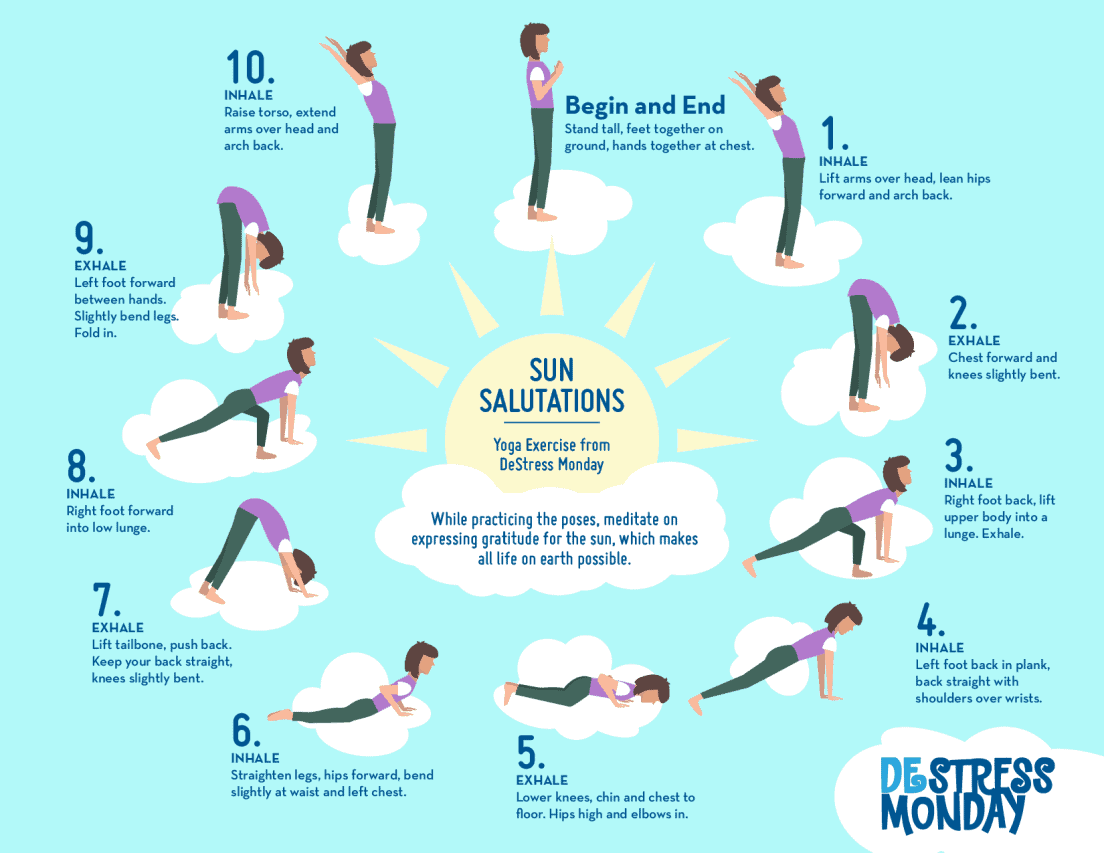
Image Source: shunyaapp.com
Deciphering Yoga’s Calorie Burn
When you do yoga, your body uses energy. This energy is measured in calories. How many calories you use depends on your body and the yoga you do. It’s not one set number for everyone or every class.
Scientists use a special number called a MET. MET stands for Metabolic Equivalent of Task. This number helps figure out how much energy an activity uses.
- A MET of 1 means sitting still.
- A MET of 3 means you use three times more energy than sitting.
- A MET of 7 means you use seven times more energy than sitting.
Yoga styles have different MET numbers. This is because some yoga styles are more active than others. A faster class uses more energy. A slower class uses less energy.
How Many Calories Per Hour?
You can use METs to estimate how many calories you burn per hour yoga. The basic idea is: your body weight + the MET value of the activity = calories burned.
A simple way to think about it: Heavier people burn more calories doing the same thing as lighter people. A high MET activity burns more calories than a low MET activity.
Let’s look at some general ideas for calories burned per hour yoga. Keep in mind these are just estimates. Your real number might be higher or lower.
- Gentle Yoga: Maybe 180-250 calories per hour.
- Hatha Yoga: Maybe 200-300 calories per hour.
- Vinyasa or Flow Yoga: Maybe 300-450+ calories per hour.
- Bikram or Hot Yoga: Maybe 350-500+ calories per hour.
These numbers show a range. Why a range? Because everyone is different. And every class is different!
Burn Rates for Different Yoga Styles
Yoga is not just one thing. There are many styles. Each style has its own speed and challenge. This means they burn different amounts of calories.
Hatha yoga calorie burn
Hatha yoga is a classic style. It often moves slower. You hold poses for a few breaths. It’s great for learning poses and stretching. Because it’s slower, the Hatha yoga calorie burn is usually lower than faster styles.
- Think about a MET value around 2.5 to 3.
- For a 150-pound person, this might be about 200-250 calories per hour.
- It’s good for building strength slowly.
- It helps you learn how to hold poses correctly.
Hatha yoga is a good start for many people. It helps your body move without jumping around a lot.
Vinyasa yoga calorie burn
Vinyasa means “flow.” In Vinyasa yoga, you move from one pose to the next with your breath. It’s more active. You often do sun salutations, which link many poses together quickly. This makes your heart rate go up.
- Vinyasa can have a MET value from 4 to 6 or higher.
- For a 150-pound person, the Vinyasa yoga calorie burn might be 300 to 450 calories per hour.
- Some very fast or difficult Vinyasa classes could burn even more.
- It’s like a dance between poses.
- It helps build heat in the body.
Vinyasa yoga is more of a workout for your heart. It helps build strength and makes you sweat more than Hatha.
Bikram yoga calorie burn
Bikram yoga is special. It’s a set series of 26 poses and 2 breathing exercises. And it’s done in a very hot room (around 105°F or 40°C) with high humidity. The heat makes it feel harder. You sweat a lot.
- Bikram yoga often has a high MET value, maybe 6 to 7 or more.
- For a 150-pound person, the Bikram yoga calorie burn could be 350 to 500+ calories per hour.
- The heat itself doesn’t burn many extra calories.
- But the heat makes the work feel harder.
- You might push yourself more.
- Sweating a lot makes you lose water weight, but not fat calories directly from the sweat.
Bikram yoga is very intense. It challenges your body in the heat. This high intensity leads to a higher calorie burn compared to cooler, slower styles.
Here is a simple table showing estimated calorie burn per hour for different styles for a 150-pound person:
h4 Table: Estimated Calories Burned Per Hour (150 lbs)
| Yoga Style | Typical Effort | Estimated Calories Per Hour |
|---|---|---|
| Gentle/Restorative | Very Easy | 180 – 250 |
| Hatha | Easy to Medium | 200 – 300 |
| Vinyasa/Flow | Medium to Hard | 300 – 450 |
| Power/Ashtanga | Hard | 350 – 500 |
| Bikram/Hot Yoga | Hard (with heat) | 350 – 500+ |
Note: These numbers are just estimates. Your personal burn rate will vary.
What Changes How Many Calories You Burn?
Many things affect how many calories you burn during yoga. It’s not just the style you choose. Think of these as the “Factors affecting yoga calorie burn.”
h4 Your Body Weight
This is a big one. A person who weighs more uses more energy to move their body. So, a heavier person will burn more calories doing the exact same yoga class as a lighter person.
- Moving more weight takes more work.
- Your body has to work harder.
- More work means more calories used.
h4 How Hard You Work
This is sometimes called intensity. Even in a gentle class, you can work harder. You can hold poses longer. You can stretch deeper. Or you can just go through the motions. The more effort you put in, the more calories you burn.
- Pushing yourself burns more.
- Staying focused helps you work harder.
- Don’t just rest, try to engage muscles.
This is part of Yoga intensity calorie expenditure. High intensity means burning more. Low intensity means burning less.
h4 The Class Length
This is simple. A 60-minute class burns more than a 30-minute class of the same style and intensity. The longer you do the activity, the more total calories you burn.
- A 90-minute class burns more than a 60-minute class.
- A quick 15-minute session still burns some calories, but not a lot.
h4 Your Experience Level
This might sound strange. But sometimes, someone new to yoga burns more calories than an expert. Why? Because new poses are hard! You use small muscles to balance. You might shake a bit. You are figuring things out.
- Learning takes energy.
- Trying new poses makes your body work.
- Experts move more smoothly. They might use less effort for the same pose.
However, experts can also choose to do very advanced, hard poses that burn lots of calories. So, it depends on what the expert is doing.
h4 The Specific Poses
Some yoga poses use more energy than others. Poses that need a lot of strength (like Plank, Warrior poses) or balance (like Tree pose, Eagle pose) use more calories than simple seated poses or lying-down poses.
- Standing poses generally burn more than sitting poses.
- Arm balances and inversions burn a lot (if you can do them!).
- Holding poses for a long time uses muscle energy.
h4 The Teacher and Class Energy
Every yoga teacher is different. Some lead fast classes. Some lead slow classes. The energy of the whole class can also affect how hard you push yourself. A lively class might make you work harder.
- A fast-paced teacher increases intensity.
- A very gentle teacher lowers intensity.
- The group energy can motivate you.
All these things come together to decide your personal calorie burn number for any single yoga class.
Yoga for Weight Loss
Can yoga help you lose weight? Yes, it can. But maybe not as fast as other exercises that burn more calories quickly. Yoga for weight loss works in a few ways:
h4 Burning Calories During Class
Like any physical activity, yoga burns calories. If you burn more calories than you eat, you can lose weight. Doing yoga regularly adds to your total daily calorie burn. Choosing more active styles helps more with this directly.
- Add yoga to your weekly routine.
- Choose Vinyasa or Power yoga for higher burn.
- Even slower styles add up over time.
h4 Building Muscle
Some yoga styles, especially those with lots of standing poses and arm support, help build muscle. Muscle uses more calories than fat, even when you are resting. So, building muscle can slightly increase your metabolism. This means your body burns more calories all the time.
- Stronger muscles help you burn more.
- Holding poses builds muscle strength.
- Don’t fear building muscle! It helps with weight loss.
h4 Reducing Stress
Stress can make it hard to lose weight. High stress can lead to your body holding onto fat. It can also make you crave unhealthy foods. Yoga is known to reduce stress. By calming your mind and body, yoga can help manage stress levels. This indirect effect can support your weight loss journey.
- Yoga helps calm your mind.
- Less stress can mean healthier choices.
- It helps you listen to your body better.
h4 Making Healthier Choices
Many people who start yoga find they want to live healthier in other ways too. They might start eating better food. They might sleep more. They might make other good choices for their body. Yoga can be the start of a healthier lifestyle.
- Yoga helps you connect with your body.
- This connection can lead to better habits.
- It’s often part of a bigger healthy change.
So, while a single yoga class might not burn as many calories as an hour of running, its benefits for weight loss go beyond just the calorie number. It helps your body and your mind.
How Intense is Yoga?
We talked about Yoga intensity calorie expenditure. But how is yoga intensity measured? And what does it feel like?
Intensity in exercise means how hard your body is working. We can look at it in a few ways:
- Heart Rate: Is your heart beating fast?
- Breathing: Are you breathing hard and fast?
- How You Feel: Do you feel like you are working hard? (This is called Perceived Exertion).
- METs: As we talked about, the higher the MET, the higher the intensity from a scientific view.
h4 Intensity by Style
- Low Intensity: Restorative, Yin, Gentle Yoga. Your heart rate stays pretty low. You can talk easily. METs are low (around 1.5-2.5).
- Moderate Intensity: Hatha, some slower Flow classes. Your heart rate goes up a bit. You can still talk, but maybe not sing. You feel like you are doing some work. METs are around 2.5-4.
- High Intensity: Vinyasa, Power Yoga, Ashtanga, Bikram. Your heart rate goes up quite a bit. You might breathe heavily. Talking is hard. You feel like you are getting a strong workout. METs are 4 and up.
Even within one style, intensity can change. A beginner Vinyasa class might be moderate. An advanced Vinyasa class could be very high intensity.
h4 Making Your Yoga More Intense
If you want to burn more calories, you can increase the intensity:
- Move faster between poses (in flow styles).
- Hold strength poses (like Plank, Warrior 2, Chair) for longer.
- Try more challenging poses (like balancing poses, inversions).
- Add small movements within poses (like pulsing in a lunge).
- Focus on engaging your muscles fully in every pose.
This increases the Yoga intensity calorie expenditure and helps you burn more energy during the class.
Comparing Yoga Calorie Burn Running
People often want to know how yoga stacks up against other exercises for burning calories. Let’s Compare yoga calorie burn running. Running is known as a high-calorie burning activity.
h4 Running Calorie Burn
Running burns a lot of calories quickly. How many depends on your speed and weight.
- Running at a slow pace (e.g., 5 mph or 8 km/h) might have a MET of 8-10.
- Running at a faster pace (e.g., 7 mph or 11 km/h) might have a MET of 11-12.
For a 150-pound person:
- Running slow (5 mph): Around 500-600 calories per hour.
- Running fast (7 mph): Around 650-750 calories per hour.
h4 Comparing the Numbers
Look back at the yoga table.
- Gentle Yoga: 180-250 calories/hour
- Vinyasa Yoga: 300-450 calories/hour
- Bikram Yoga: 350-500+ calories/hour
- Running (slow): 500-600 calories/hour
- Running (fast): 650-750 calories/hour
What does this tell us?
- Running, especially faster running, burns more calories per hour than most yoga styles.
- However, intense yoga styles (like Power, Bikram) can burn a similar number of calories per hour as slow to moderate running.
- Slower yoga styles burn significantly fewer calories per hour than running.
h4 Different Benefits
Does this mean running is always better? No! Yoga and running offer different benefits.
- Running is great for: Cardio fitness (heart and lungs), burning lots of calories quickly, building strong leg bones.
- Yoga is great for: Flexibility, balance, strength (especially core and upper body in some styles), reducing stress, body awareness, mental calm.
Yoga is not just about burning calories. It’s a full mind and body practice. Running is great for cardio and calorie burn, but doesn’t offer the same flexibility and balance benefits.
Think about what you want from your activity. If burning maximum calories in the shortest time is the only goal, running might be better. If you want flexibility, strength, balance, and stress relief along with calorie burn, yoga is fantastic. Many people do both!
Burning Calories in Shorter Sessions
What if you don’t have time for a full hour class? You asked, “How many calories 30 minutes yoga?”
It’s easy to estimate this. Just take the estimated calories for an hour and divide by two.
h4 Estimated Calories Burned in 30 Minutes (150 lbs)
| Yoga Style | Estimated Calories Per 30 Minutes |
|---|---|
| Gentle/Restorative | 90 – 125 |
| Hatha | 100 – 150 |
| Vinyasa/Flow | 150 – 225 |
| Power/Ashtanga | 175 – 250 |
| Bikram/Hot Yoga | 175 – 250+ |
Even a short session burns some calories. It also gives you other benefits:
- Quick stress relief.
- A boost of energy.
- A chance to stretch and move your body.
- It adds up! Doing 30 minutes often is better than doing nothing.
A short yoga practice might not burn hundreds of calories. But it contributes to your daily movement and well-being. This is also important for overall health and weight management.
Finding Your Personal Burn Rate
Knowing your exact calorie burn is tricky. Wearable devices like fitness trackers try to estimate this. They use your heart rate, weight, and activity type.
h4 Yoga Calorie Burn Calculator (Conceptual)
There isn’t one perfect yoga calorie burn calculator that works for everyone. Most calculators online use the METs method we talked about.
They ask for:
- Your Body Weight: In pounds or kilograms.
- The Activity: You choose “Yoga, Hatha” or “Yoga, Vinyasa” etc. (This tells it the MET value).
- The Duration: How long you did the activity.
The calculator then uses a formula:
Calories Burned = (MET value × weight in kg × 3.5) / 200 × Duration in minutes
Let’s make this simple:
- Heavier weight = More calories
- Higher MET (more intense yoga) = More calories
- Longer time = More calories
h5 Example Calculation Idea (Simple)
Let’s say you weigh 180 pounds (about 82 kg). You do Hatha yoga (MET ~ 3). You do it for 60 minutes.
- A calculator would use the numbers: 3 (MET) and 82 (kg) and 60 (minutes).
- The result might be around 250-300 calories. (Using the formula above: (3 * 82 * 3.5) / 200 * 60 ≈ 258 calories).
Now, say you do Vinyasa yoga (MET ~ 5) for 60 minutes at 180 pounds.
- The calculator uses: 5 (MET) and 82 (kg) and 60 (minutes).
- The result might be around 400-450 calories. (Using the formula: (5 * 82 * 3.5) / 200 * 60 ≈ 430 calories).
h5 Limits of Calculators and Trackers
These tools give you an estimate. They are not always perfect.
- METs are Averages: Your actual effort might be higher or lower than the average MET for that style.
- Trackers Guess: Wrist trackers estimate heart rate and movement. They can be wrong.
- Individual Differences: Your metabolism, fitness level, and how you move affect your real burn rate.
So, use a yoga calorie burn calculator or a fitness tracker as a guide. Don’t take the number as an exact truth. It’s more helpful to see if you burned more calories in one class than another, or if your effort level changed.
Frequently Asked Questions
h4 Does hot yoga burn more calories just because of the heat?
No, the heat itself doesn’t burn many extra calories. You sweat a lot in hot yoga, but that’s mostly water loss, not fat or calorie burning. Hot yoga often burns more calories because the poses and sequence are usually more demanding (like Bikram or Power Vinyasa in heat). The heat makes the intense work feel even harder.
h4 Is yoga good exercise for burning fat?
Yes, yoga helps burn fat as part of a healthy lifestyle. It burns calories, builds muscle (which boosts metabolism), and reduces stress (which can help with weight management). For faster fat burning, combine active yoga styles with other cardio activities and healthy eating.
h4 How many times a week should I do yoga to burn calories?
Doing yoga 3-5 times a week is great for overall health and calorie burning. Choose a mix of styles. Maybe some active Vinyasa for calorie burn and strength, and some gentle or Yin for flexibility and stress relief. Consistency is key.
h4 Can beginners burn a lot of calories in yoga?
Yes, beginners can burn calories. They might even burn more in some poses because they are working harder to balance and hold the shape. Choosing a beginner class in a more active style like Vinyasa will burn more calories than a beginner gentle class.
h4 Does holding poses longer burn more calories?
Yes, generally. When you hold a strength pose (like Warrior III, Plank, or Chair pose) for a longer time, your muscles have to work continuously. This uses more energy and burns more calories than just moving quickly through the pose.
h4 Is yoga enough exercise if I want to lose weight?
It depends on how much weight you want to lose and how much you currently exercise. If you are just starting out, active yoga styles can be enough to begin. But for significant weight loss, combining yoga with other types of exercise (like walking, running, swimming) and making big changes to your diet is usually needed. Yoga is an excellent part of a weight loss plan.
Wrapping Up
How many calories can yoga burn per class? The simple answer is it varies a lot, from under 200 to over 500, depending on the style, how long you practice, and your own body. Styles like Bikram, Power, and fast Vinyasa burn more calories than slower styles like Hatha or gentle yoga.
While yoga might not always burn as many calories per hour as high-impact cardio like running, it offers unique benefits. It builds strength and balance, increases flexibility, and helps manage stress. These benefits are super important for your overall health and can greatly support weight loss.
Don’t get too stuck on the exact calorie number. Focus on finding a yoga style you enjoy. Do it regularly. Pay attention to how your body feels and how your strength, balance, and flexibility improve. Yoga is a powerful tool for well-being, and the calorie burn is a great bonus! Keep exploring, keep moving, and enjoy your practice.