
How many calories do you burn doing yoga? You might burn anywhere from about 150 to over 500 calories in one hour of yoga. This number changes a lot based on the type of yoga you do, how hard you try, and your own body. There is no single number for everyone. It really depends on many things.
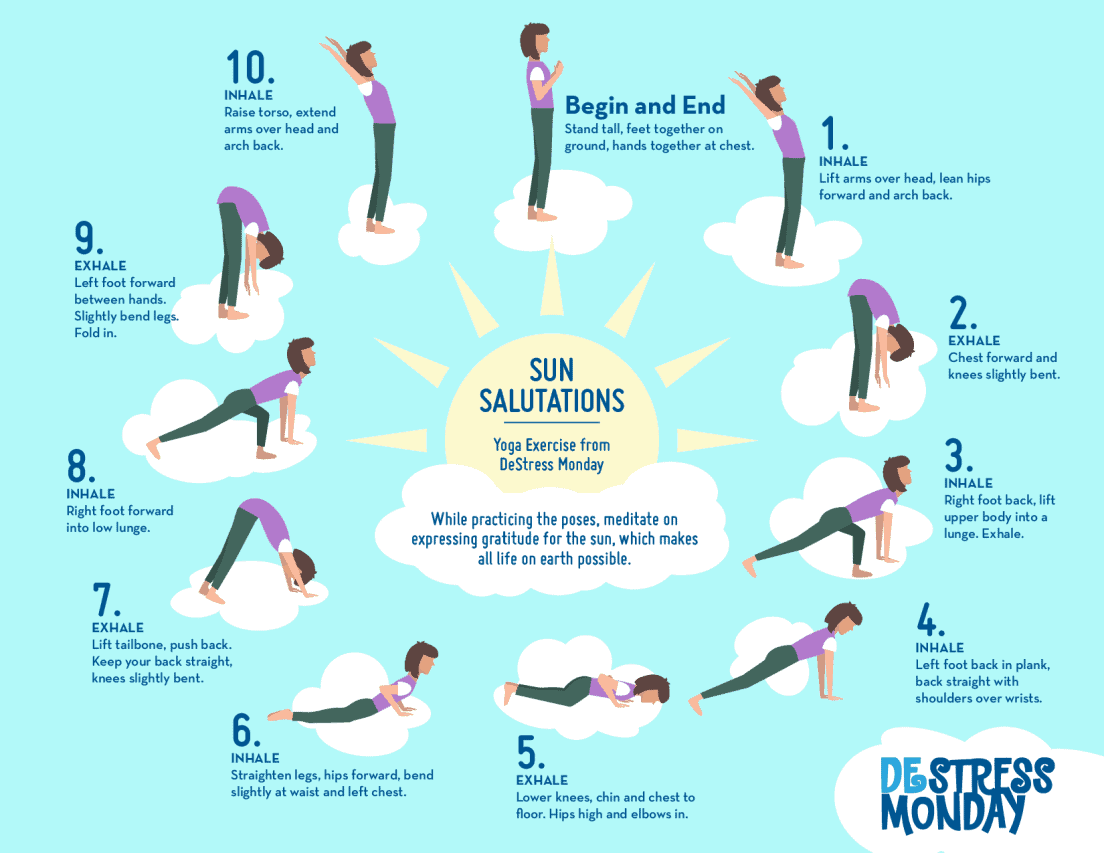
Image Source: shunyaapp.com
Grasping Yoga’s Energy Use
People do yoga for many reasons. Some want to feel calm. Some want to be more flexible. Others hope to burn calories. They want to lose weight. Yoga can help burn calories. But it burns fewer calories than some other exercises. Running or cycling burn more calories fast. Yoga still uses energy. Your body burns calories doing yoga. How much energy? It changes a lot. We need to look at different things.
How Many Calories Burned Per Hour Yoga
The calories burned per hour yoga depends on the style. It also depends on how much you weigh. A person who weighs more burns more calories. This is because a bigger body needs more energy to move.
Here are some general numbers. These numbers are for a person weighing about 150 pounds (68 kg).
* Gentle yoga (like Hatha or Yin): About 150-200 calories per hour.
* Moderate yoga (like Vinyasa or Ashtanga): About 250-400 calories per hour.
* Hot yoga (like Bikram): About 400-600 calories per hour.
These are just guesses. Your real number might be different.
Calculating Calories Simply
We can use something called METs. MET stands for Metabolic Equivalent of Task. It is a way to measure how much energy an activity uses. One MET is the energy your body uses sitting still. An activity with a MET of 3 uses 3 times the energy of sitting still.
You can guess calories burned using this formula:
Calories burned per minute = METs × weight in kilograms × 3.5 / 200
Then multiply by the minutes you did yoga.
Let’s use the 150-pound person (68 kg).
* Gentle yoga might be about 2.5 METs.
Calories per minute = 2.5 × 68 kg × 3.5 / 200 = 2.975 calories.
In one hour (60 minutes): 2.975 × 60 = 178.5 calories.
* Moderate yoga might be about 4 METs.
Calories per minute = 4 × 68 kg × 3.5 / 200 = 4.76 calories.
In one hour (60 minutes): 4.76 × 60 = 285.6 calories.
* Hot yoga might be about 5.5 METs.
Calories per minute = 5.5 × 68 kg × 3.5 / 200 = 6.545 calories.
In one hour (60 minutes): 6.545 × 60 = 392.7 calories.
See how the numbers match the general range? The MET value changes with how hard you work. This shows how calories burned per hour yoga is not fixed.
Deciphering Different Yoga Styles
Not all yoga is the same. Some styles are very slow and easy. Some are fast and make you sweat a lot. The style of yoga is a big factor affecting yoga calorie burn.
Hatha Yoga Calorie Expenditure
Hatha yoga is often slow. You hold poses for a few breaths. You move gently from one pose to the next. It is good for beginners. It is also good for learning poses. Because it is slow, the hatha yoga calorie expenditure is lower than faster styles.
For a 150-pound person, Hatha yoga might burn about 150-200 calories per hour. If you weigh more, you burn more. If you weigh less, you burn less. The MET value for Hatha is often around 2.5 METs. This confirms the number. Hatha yoga is good for flexibility and calm. It is not the best choice just for burning lots of calories quickly.
Vinyasa Yoga Calorie Burn
Vinyasa yoga is different. It links poses together. You move from one pose to the next with your breath. It flows. It is often faster than Hatha yoga. You might do many sun salutations. You might do many standing poses. This makes your heart rate go up.
The vinyasa yoga calorie burn is higher than Hatha. For a 150-pound person, Vinyasa might burn about 250-400 calories per hour. If the class is fast, you burn more. If it is slower, you burn less. The MET value for Vinyasa can be from 3.5 to 5 METs. This depends on how fast the flow is. Moving quickly between poses uses more energy. Standing poses where you hold your weight use more energy too. Vinyasa is a good mix of strength, flexibility, and calorie burn.
Bikram Yoga Calories Burned
Bikram yoga is a set series of 26 poses and two breathing exercises. You do them in a hot room. The room is heated to about 105°F (40°C). The humidity is high, about 40%. The heat makes you sweat a lot. People often think the heat itself burns many calories. This is not totally true. You burn calories staying cool. Your body works hard to not overheat. But the main burn comes from doing the poses.
Bikram yoga calories burned can be high. For a 150-pound person, it might be 400-600 calories per hour. Some numbers say even more. But researchers have found the actual calorie burn from the poses is similar to other tough yoga styles. The extra burn comes from the heat. Your body uses energy to control its temperature. However, be careful not to count sweat as calorie burn. Sweating is mostly losing water.
The MET value for Bikram is often around 5.5 METs. It can feel harder than other styles because of the heat. Always drink lots of water before, during, and after Bikram.
Other Styles and Their Burn
There are many other types of yoga.
* Ashtanga Yoga: This is a set series of poses. It is very physical and fast. It burns many calories. It is similar to high-end Vinyasa. Calories burned can be 300-500+ per hour.
* Power Yoga: This style is often based on Vinyasa or Ashtanga. It focuses on strength poses. It moves fast. It burns a lot of calories. Calories burned can be 300-500+ per hour.
* Restorative Yoga: This is very slow. You hold poses for a long time. You use props like blankets and bolsters. It is for deep rest and healing. It burns very few calories. Maybe 100-150 calories per hour. It is great for stress but not for weight loss from calorie burn.
* Yin Yoga: You hold poses for a long time, 3-5 minutes or more. It works deep tissues. It is slow and quiet. Like Restorative, it burns few calories. Maybe 100-150 calories per hour. Good for flexibility but not calorie burn.
Yoga Calorie Burn Comparison to Other Activities
How does yoga stack up against other ways to exercise? Yoga burns calories. But it is often less than many classic cardio exercises. This helps in a yoga calorie burn comparison.
Let’s compare for a 150-pound person for one hour:
* Gentle Yoga: 150-200 calories
* Vinyasa/Moderate Yoga: 250-400 calories
* Bikram/Power Yoga: 400-600 calories
* Walking (brisk, 3.5 mph): About 300 calories
* Cycling (moderate, 12-14 mph): About 500-600 calories
* Running (5 mph): About 600-750 calories
* Swimming (light to moderate): About 400-500 calories
* Weightlifting (general): About 300-450 calories
This yoga calorie burn comparison shows that faster, harder yoga styles burn a good amount of calories. They burn more than walking. They can burn as much as moderate cycling or swimming. But they usually burn less than running or fast cycling.
Yoga combines strength, flexibility, and sometimes cardio. Other exercises focus more on just one thing. Running is mostly cardio. Lifting is mostly strength. Yoga gives a mix. This is good for overall health.
Factors Affecting Yoga Calorie Burn
The style of yoga is key. But many other things change how many calories you burn. These are the factors affecting yoga calorie burn.
- Your Weight: As we said, a heavier person burns more calories doing the same activity. A 200-pound person doing Vinyasa yoga will burn more than a 150-pound person. Their body uses more energy to move.
- Your Body Composition: Muscle burns more calories than fat, even at rest. If you have more muscle, your metabolism is higher. This means you burn more calories all the time. Yoga builds some muscle, especially in arms, legs, and core. Building muscle can help you burn more calories during yoga and when you are not exercising.
- Exercise Intensity Yoga Calories: How hard are you working? Are you holding poses strongly? Are you moving quickly in flow? Are you resting a lot? The harder you work, the more calories you burn. Pushing yourself a little increases the exercise intensity yoga calories burn. This does not mean you should risk injury. But gentle effort burns fewer calories than strong effort.
- Yoga Session Duration Calorie Burn: How long is your yoga session? A 90-minute class burns more calories than a 60-minute class of the same style and intensity. If you do yoga for a longer time, the total yoga session duration calorie burn goes up. This is simple math. More time equals more energy used.
- Your Fitness Level: If you are new to yoga, your body might work harder to do the poses. You might shake more. You might use small muscles you have not used before. This can burn more calories at first. As you get fitter, your body becomes more efficient. Poses might feel easier. You might burn slightly fewer calories doing the exact same class. But as you get fitter, you can often do harder poses or faster flows. This would increase your burn.
- Environmental Factors: We saw this with Bikram yoga. Heat and humidity make your body work harder to stay cool. This increases calorie burn slightly. But it also makes it feel harder. Altitude can also change things, but this is not common for most people’s yoga practice.
- Your Metabolism and Yoga: Your metabolism is the process your body uses to turn food into energy. Some people have a naturally faster metabolism than others. This affects how many calories you burn at rest and during activity. Yoga can help metabolism over time. How? By building muscle. Muscle is more active than fat tissue. More muscle means a slightly higher resting metabolism. Regular exercise like yoga also helps keep your metabolism working well. Metabolism and yoga are connected. Regular practice can support a healthy metabolism.
Yoga for Weight Loss Calories
Can you lose weight doing yoga? Yes, you can. But you need to burn more calories than you eat. Yoga for weight loss calories can help. But you probably need to do faster, harder styles of yoga. Or you need to do yoga often and for a long time.
Let’s say you want to lose one pound of fat. You need to burn about 3,500 more calories than you eat.
If you do Hatha yoga (175 calories/hour) 3 times a week for an hour:
175 calories/hour × 3 hours/week = 525 calories per week.
To lose one pound (3500 calories) just from this yoga, it would take 3500 / 525 = about 6.7 weeks.
If you do Vinyasa yoga (350 calories/hour) 3 times a week for an hour:
350 calories/hour × 3 hours/week = 1050 calories per week.
To lose one pound, it would take 3500 / 1050 = about 3.3 weeks.
If you do Power Yoga (500 calories/hour) 3 times a week for an hour:
500 calories/hour × 3 hours/week = 1500 calories per week.
To lose one pound, it would take 3500 / 1500 = about 2.3 weeks.
This assumes you eat the same number of calories. To lose weight faster, you need to eat fewer calories AND burn more.
Yoga helps with weight loss in other ways too:
* Stress Reduction: Yoga helps lower stress hormones like cortisol. High cortisol can make your body hold onto fat, especially around the belly. Lowering stress helps weight management.
* Mindfulness: Yoga teaches you to be more aware of your body. This can make you more mindful about eating. You might notice when you are truly hungry. You might stop eating when you are full. This can help you eat fewer calories overall.
* Better Sleep: Good sleep is important for weight control. Yoga can improve sleep quality.
* Building Muscle: As noted, muscle burns more calories than fat. Even gentle yoga builds some muscle over time. Stronger styles build more.
So, yoga for weight loss calories is possible. It works best as part of a larger plan. This plan should include healthy eating and maybe other types of exercise too.
Interpreting Calorie Burn Numbers
The numbers you see for calorie burn are estimates. They are based on averages. Calorie counters on watches or apps use formulas. These formulas guess your METs based on movement. They use your weight, height, age, and heart rate. They are not perfectly accurate.
Your heart rate monitor might give you a number. This number might be high during hot yoga. But some of that high heart rate is from the heat, not just muscle work.
Focus less on the exact number of calories. Focus more on:
* How you feel during the practice.
* Are you challenging yourself safely?
* Are you consistent with your practice?
Consistency is more important than burning a huge number of calories in one class. Regular yoga builds strength, flexibility, and calm. These benefits help your health in many ways.
Building Exercise Intensity Yoga Calories Safely
If your goal is to burn more calories, you can make your yoga practice more intense. How?
* Choose faster styles: Vinyasa, Power Yoga, Ashtanga.
* Move with intention: Do not just go through the motions. Engage your muscles. Pull your belly in. Push through your hands or feet.
* Hold poses longer (in power/vinyasa): Holding challenging poses uses more muscle energy.
* Try harder variations: If you can do a pose, try a more difficult version. For example, lift your back leg higher in Warrior 3.
* Reduce rest: Move more directly between poses in a flow style.
* Add strength focus: Do extra push-ups or core work if your teacher offers it and you feel strong.
Remember, listen to your body. Do not push so hard you get hurt. Injury will stop your practice. Then you burn zero calories. Safe practice is key.
Metabolism and Yoga: A Deeper Look
Metabolism is the engine of your body. It is always running. It uses energy even when you are asleep. This is called your resting metabolic rate (RMR).
Does yoga directly boost your RMR a lot? Not as much as building a lot of muscle from heavy weightlifting. But regular yoga, especially stronger styles, does build muscle. Building muscle increases your RMR slightly. This means you burn a few more calories all day, every day.
Also, consider how metabolism and yoga interact beyond RMR.
* Efficiency: As you get better at yoga, your body might become more efficient at doing the poses. This means it uses less energy for the exact same movement. However, fitter people often move more strongly or do harder poses. This increases the METs and the calorie burn.
* Hormones: Regular exercise, including yoga, helps balance hormones. Hormones affect metabolism, hunger, and how your body stores fat. Yoga’s stress reduction effect is important here. Lowering cortisol can have a positive effect on metabolism and weight.
* Blood Sugar: Yoga can help improve insulin sensitivity. This means your body uses sugar more effectively. Good blood sugar control is part of a healthy metabolism.
So, while yoga might not make your metabolism skyrocket like intense cardio or heavy lifting, it supports a healthy metabolism in several indirect ways. The combination of building some muscle, reducing stress, and improving overall health helps your body’s engine run more smoothly.
Yoga Session Duration Calorie Burn in Practice
Let’s see how session length changes things.
Suppose you do a moderate Vinyasa class (MET 4) and weigh 150 pounds (68 kg).
Calories per minute = 4 × 68 × 3.5 / 200 = 4.76 calories/minute.
- 30-minute session: 4.76 × 30 = 142.8 calories
- 60-minute session: 4.76 × 60 = 285.6 calories
- 90-minute session: 4.76 × 90 = 428.4 calories
- 120-minute session (2 hours): 4.76 × 120 = 571.2 calories
The yoga session duration calorie burn increases directly with time. A longer practice burns more total calories, assuming the intensity stays the same. This is obvious, but it is a key point for calorie goals. If you want to burn more, spend more time on the mat. Just make sure your body can handle the longer duration without injury.
Table of Estimated Calorie Burn (Per Hour, by Weight)
Here is a table with estimated calories burned per hour for different styles and body weights. These are general estimates. Your actual burn may vary. Use this for yoga calorie burn comparison.
| Yoga Style | METs (Approx.) | 100 lbs (45 kg) | 125 lbs (57 kg) | 150 lbs (68 kg) | 175 lbs (79 kg) | 200 lbs (91 kg) |
|---|---|---|---|---|---|---|
| Restorative/Yin | 2.0 | 95 cal | 119 cal | 143 cal | 167 cal | 191 cal |
| Hatha/Gentle | 2.5 | 119 cal | 149 cal | 179 cal | 208 cal | 238 cal |
| Vinyasa/Moderate | 4.0 | 191 cal | 238 cal | 286 cal | 334 cal | 382 cal |
| Power/Ashtanga | 5.0 | 238 cal | 298 cal | 357 cal | 417 cal | 476 cal |
| Bikram/Hot Yoga | 5.5 | 262 cal | 327 cal | 393 cal | 458 cal | 523 cal |
Calculations use the formula: METs × weight in kg × 3.5 / 200 × 60 minutes.
Round numbers are used for clarity.
This table clearly shows:
1. Heavier people burn more calories.
2. More active styles burn more calories.
3. Gentle styles burn fewer calories.
These are just averages. Your personal exercise intensity yoga calories will make your real number higher or lower.
The Mind-Body Connect and Calories
Yoga is not just physical poses. It also includes breath work and sometimes meditation. Do these parts burn calories? Yes, but very few. Focused breathing uses tiny amounts of energy. Sitting still for meditation uses energy similar to resting. The calorie burn from these parts is very small compared to the physical poses.
However, the mind-body connection helps in other ways. It helps you stick with your practice. It helps with stress. It helps with mindfulness around food. These all support a healthy lifestyle that can lead to weight loss. So, the non-physical parts of yoga help indirectly.
Making Yoga Part of a Fitness Routine
If your main goal is calorie burn and weight loss, yoga can be a great addition to your routine. It might not be the only thing you do. Think about mixing yoga with other activities.
- Do yoga a few times a week for flexibility, strength, and calm.
- Do cardio exercise (like running, swimming, cycling) a few times a week for higher calorie burn and heart health.
- Maybe add some dedicated strength training too.
This kind of mixed routine gives you all-around fitness. Yoga complements other exercises well. It helps prevent injury by improving flexibility and balance. It helps recovery with its focus on breath and rest.
Conclusion on Yoga Calories
So, how many calories do you burn doing yoga? It is not a single number. It is a range. From a low of about 150 to a high of over 500 calories per hour.
- The style of yoga matters most. Gentle styles burn less. Fast, hot styles burn more.
- Your body weight matters a lot. More weight means more burn.
- How hard you try (intensity) changes the number.
- Longer sessions burn more total calories.
Yoga for weight loss calories is effective when done consistently, especially more challenging styles. It also helps weight loss through stress relief, mindfulness, and building some muscle.
Do not get too hung up on the exact calorie count. Focus on finding a yoga practice you enjoy. A practice you stick with. The benefits of yoga go far beyond just calorie burn. They include better flexibility, more strength, less stress, and a clearer mind. These are all valuable for a healthy, happy life.
Frequently Asked Questions (FAQ)
h4 Does hot yoga really burn more calories?
Yes, hot yoga usually burns more calories than the same yoga done in a regular room. The heat makes your body work harder to stay cool. This uses extra energy. But the difference might not be as huge as some people think. Most of the burn comes from the poses themselves. The heat adds extra, but it is not like melting fat away.
h4 Is yoga good enough for weight loss on its own?
It can be, but it depends on the yoga style and how often you do it. Fast, intense styles done often can help burn enough calories. But for many people, especially when starting, yoga might not burn as many calories as running or other cardio. For best results with weight loss, combine yoga with healthy eating and maybe other types of exercise. Yoga helps with weight loss in many ways beyond just burning calories, like reducing stress and improving mindfulness.
h4 How can I increase the calorie burn in my yoga practice?
To burn more calories in yoga, choose more active styles like Vinyasa, Power Yoga, or Ashtanga. Work harder during poses – engage your muscles strongly. Hold poses longer if it is a strength pose. Move with less rest between poses if it is a flow style. Practice for a longer time. And the more you weigh, the more you naturally burn.
h4 Do calorie counts on fitness trackers for yoga mean anything?
Fitness trackers give estimates. They use your heart rate and movement patterns. For yoga, especially slower styles, they might not be very accurate. Yoga involves many small, controlled movements and holds, not just big steps like walking or running. Hot yoga can also trick the tracker because your heart rate is high from heat, not just exercise. Use these numbers as a rough guide, not a precise measurement.
h4 Does gentle yoga burn any calories?
Yes, even gentle yoga burns calories. It is more than sitting still. Hatha, Yin, or Restorative yoga might burn around 100-200 calories per hour depending on your weight. This is less than more active styles, but it is still energy used. These styles are great for flexibility, relaxation, and stress relief, which are also important for overall health.