
Doing yoga burns calories. How many exactly? Well, it really changes a lot from person to person and depends on the type of yoga you do. Some yoga styles burn more calories than others because they are faster or hotter. Your body size and how hard you try also make a big difference in your yoga calorie burn rate. We will look at how to get an idea of the calories burned from yoga and what makes the numbers change.
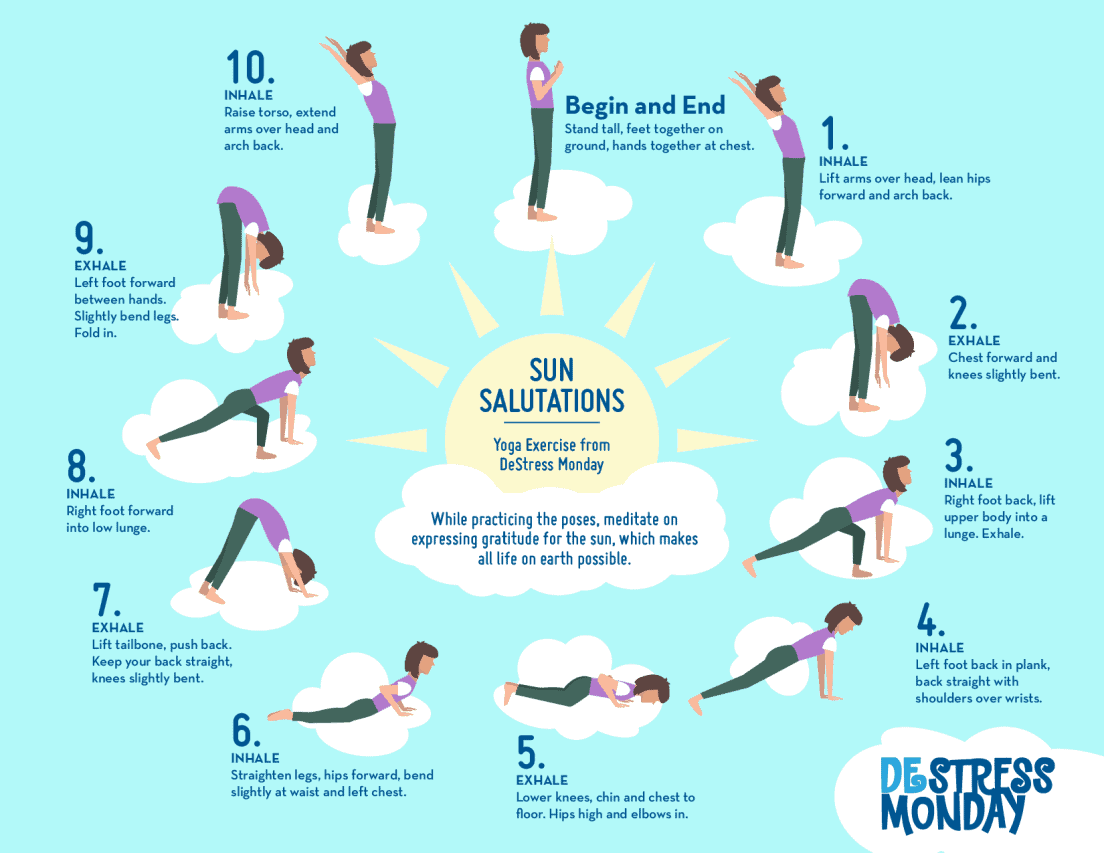
Image Source: shunyaapp.com
Grasping Why Yoga Burns Calories
Your body burns energy all the time, even when you are resting. This energy comes from calories in food. When you move your body, you use more energy. Yoga is a type of movement. So, when you do yoga, your body uses more energy than it does when you sit still. This means you burn calories.
Even gentle yoga uses your muscles. When muscles work, they need energy. More active yoga, like Vinyasa flow, makes your heart beat faster. When your heart works harder, your body burns more calories. Holding poses also uses energy. Your muscles must work to keep you steady. The longer you hold a pose, the more energy your muscles use. So, yoga practice definitely adds to the calories you burn each day.
Key Aspects Affecting Your Yoga Calorie Burn
The number of calories you burn during yoga is not the same for everyone or every class. Many things change the final number. Knowing these factors helps you get a better idea of your own yoga calorie burn rate.
Your Body Size
This is one of the biggest factors. People with bigger bodies generally burn more calories doing the same activity for the same amount of time. This is because it takes more energy to move a heavier body. Think about walking up a hill. It’s harder work if you weigh more. The same idea applies to yoga. Your body has to work harder to hold poses and move through flows.
How Long You Do Yoga
The length of your yoga session matters a lot. Doing yoga for 60 minutes burns more calories than doing it for 30 minutes. This seems simple, but it’s a key point. Longer practice times mean your body is working and using energy for a longer period. A quick 15-minute practice might not burn many calories, but an hour-long class or longer adds up more.
The Type of Yoga Style
Different yoga styles have different speeds and levels of difficulty. A fast, flowing Vinyasa class makes you move a lot. A slow, gentle Hatha class is calmer. A hot yoga class, like Bikram, adds heat. These differences mean the calorie burn is very different between styles. We will look at different styles more closely soon. The different yoga styles calorie count is a major point.
How Hard You Work (Intensity)
Even within the same style, how much effort you put in changes things. If you push yourself in poses, engage your muscles strongly, and move with focus, you burn more calories. If you take many breaks, do poses easily, or move slowly in a faster class, your calorie burn will be lower. Your personal effort level counts. Your intensity affects your yoga calorie burn rate.
Your Experience Level
Beginners might shake in poses and use more energy just to stay balanced. Advanced students might hold harder poses longer or move more smoothly and efficiently. Sometimes beginners burn slightly more in basic poses just from the effort of learning and balancing. However, advanced students can often handle more challenging poses and faster flows for longer, which can lead to a higher overall burn in a challenging class.
Room Temperature
Doing yoga in a hot room, like hot yoga or Bikram yoga, increases your calorie burn. Your body uses energy to cool itself down in the heat. This extra work adds to the total calories burned hot yoga provides.
These factors combine to make your personal yoga calorie burn unique. This is why estimates are just that – estimates.
Different Yoga Styles Calorie Count: A Look at the Numbers
Let’s explore how many calories you might burn doing different types of yoga. These are just estimates. Remember that your own number could be higher or lower based on the factors we just talked about. We often talk about calories burned per hour. These numbers are usually for a person weighing about 150 pounds (68 kg). If you weigh more, you likely burn more. If you weigh less, you likely burn less.
Hatha Yoga Calorie Expenditure
Hatha yoga is often seen as a basic style. It includes holding poses for a few breaths and resting between poses. The pace is usually slow to moderate. It is a good choice for beginners. Because it is slower, the calorie burn is not as high as faster styles.
- Estimated Calories Burned (150 lb person): About 180-240 calories per hour.
Hatha yoga calorie expenditure is on the lower end compared to more active styles. However, it is still a great way to move your body and build strength and flexibility.
Calories Burned Vinyasa Flow
Vinyasa yoga is known for its flowing movements. You move from one pose to the next almost like a dance, often linking breath to movement. Classes can be gentle or very fast and challenging. The speed and constant movement mean your heart rate stays higher. This leads to a higher calorie burn.
- Estimated Calories Burned (150 lb person): About 300-450 calories per hour.
Calories burned Vinyasa flow can vary a lot depending on the teacher and the specific class. A power Vinyasa class will likely burn more than a gentle flow class.
Bikram Yoga Calorie Estimate and Calories Burned Hot Yoga
Bikram yoga is a set series of 26 poses and 2 breathing exercises done in a room heated to 105°F (40°C) with 40% humidity. The heat makes it much harder work. Your body sweats a lot to cool down, using extra energy.
- Estimated Calories Burned (150 lb person): About 400-600 calories per 90-minute class. This works out to roughly 260-400 calories per hour.
Calories burned hot yoga in general (which includes Bikram and other styles done in heat) tend to be higher than in regular temperature rooms. The Bikram yoga calorie estimate is based on the specific series and heat. Be aware that some of the weight lost during a hot yoga class is just water from sweating, not true calorie burn.
Other Popular Yoga Styles and Their Estimates
Many other yoga styles exist. Here are some estimates for a few others:
- Ashtanga Yoga: This is a set series of poses, like Bikram, but usually not in a heated room (though some practice spaces are warm). It’s physically demanding and involves a lot of movement and holding poses. It is similar to intense Vinyasa.
- Estimated Calories Burned: About 350-500 calories per hour.
- Iyengar Yoga: This style focuses on precise alignment and often uses props like blocks and straps. Poses are held for a longer time. While not fast, holding poses requires significant muscle work.
- Estimated Calories Burned: About 200-300 calories per hour.
- Restorative Yoga: This is a very gentle style. Poses are held for a long time using lots of props to support the body fully. The goal is deep relaxation. It is very passive.
- Estimated Calories Burned: About 50-100 calories per hour.
- Yin Yoga: This style involves holding passive poses for several minutes (3-5+ minutes) to target deep connective tissues. It is slow and quiet.
- Estimated Calories Burned: About 100-150 calories per hour.
These different yoga styles calorie count numbers show the wide range possible. A calm Yin class burns far fewer calories than a strong Ashtanga practice.
Here is a quick table summarizing different yoga styles calorie count estimates per hour for a 150 lb person:
| Yoga Style | Estimated Calories Burned per Hour |
|---|---|
| Restorative Yoga | 50 – 100 |
| Yin Yoga | 100 – 150 |
| Hatha Yoga | 180 – 240 |
| Iyengar Yoga | 200 – 300 |
| Vinyasa Flow | 300 – 450 |
| Ashtanga Yoga | 350 – 500 |
| Bikram Yoga | ~260 – 400 (per hour from 90 min) |
| Hot Yoga (Gen.) | 260 – 450+ |
Again, these are estimates. Your actual number will vary.
Tools to Estimate Yoga Calorie Burn Calculator Style
How can you get a number closer to what you burn? You can use online tools or fitness trackers. These work like an estimate yoga calorie burn calculator.
Online Calculators
Many websites offer online calculators. You usually put in:
- Your body weight.
- The type of yoga (often listed as gentle, moderate, or vigorous).
- How long you did the yoga.
The calculator then gives you an estimated number of calories burned. These calculators use standard formulas based on weight and activity type. They are easy to use but are still just estimates. They do not know how hard you personally worked or the exact heat of the room.
Fitness Trackers and Smartwatches
Devices like Fitbits, Apple Watches, and other fitness trackers can give you a calorie burn estimate for your yoga practice. These devices often use:
- Your age, weight, height (from your profile).
- Your heart rate during the activity (if worn on your wrist or chest).
- How much you moved (using sensors).
Tracking your heart rate can make the estimate more accurate than a simple online calculator. A higher average heart rate during your practice usually means a higher calorie burn. However, even these devices are not perfect. They use algorithms to guess calorie burn, and yoga movements can sometimes be slow, making it harder for the device to measure effort accurately compared to steady running or cycling.
Grasping the Numbers from Calculators
When using an estimate yoga calorie burn calculator or a fitness tracker, remember what the number means. It’s your body’s way of using energy. A higher number means you used more energy during that time. If your goal is to burn calories, these tools give you a rough idea of how much energy your yoga session used. They help you track your progress over time.
Yoga Weight Loss Calories and the Bigger Picture
People often want to know about yoga weight loss calories. Can yoga help you lose weight just by burning calories? Yes, it can. To lose weight, you need to burn more calories than you eat. This is called creating a calorie deficit.
Yoga adds to the calories you burn. If you do yoga regularly and don’t eat extra food to make up for those burned calories, you will create a deficit.
However, yoga for weight loss calories is just one part of the story. Yoga helps with weight loss in many other ways that are not just about burning calories during the practice itself.
- Building Muscle: Some yoga styles, especially those with longer holds and challenging poses, help build muscle. Muscle tissue burns more calories at rest than fat tissue. So, building muscle can slightly increase your metabolism, meaning you burn more calories all the time, even when not exercising.
- Reducing Stress: Stress can lead to weight gain for some people. Stress increases levels of a hormone called cortisol, which can make your body store more fat, especially around the belly. Yoga is known for reducing stress. By lowering stress, yoga can help manage hormones that affect weight.
- Improving Mind-Body Awareness: Yoga encourages you to pay attention to your body and how it feels. This can help you become more mindful of your eating habits. You might start to notice when you are truly hungry versus when you are eating out of boredom or stress. This mindfulness can lead to healthier food choices.
- Better Sleep: Good sleep is important for weight management. Lack of sleep can mess with hormones that control hunger and fullness, potentially leading to overeating. Yoga can help you relax and sleep better.
- Increasing Activity Levels: For someone who is not very active, starting yoga adds movement to their day. This extra movement burns calories and can be a stepping stone to trying other forms of exercise.
So, while looking at yoga weight loss calories from the practice is useful, remember that yoga helps you lose weight through these other important paths too. It’s a full approach to health, not just a calorie-burning workout like running.
Yoga Compared to Other Exercises Calorie Burn
How does the yoga calorie burn rate stack up against other physical activities? Let’s look at some common exercises and their estimated calorie burn per hour for a 150 lb person.
| Activity | Estimated Calories Burned per Hour |
|---|---|
| Resting | ~70 |
| Walking (moderate) | 250 – 350 |
| Hatha Yoga | 180 – 240 |
| Light Cycling | 300 – 400 |
| Vinyasa Flow Yoga | 300 – 450 |
| Brisk Walking / Hiking | 350 – 450 |
| Ashtanga / Power Yoga | 350 – 500 |
| Swimming (moderate) | 400 – 550 |
| Running (moderate) | 500 – 700 |
| High-Intensity Int. | 600 – 800+ |
Looking at yoga compared to other exercises calorie burn numbers, you can see yoga is often in the moderate range.
- Gentle yoga styles (like Hatha) burn similar calories to moderate walking.
- More active yoga styles (like Vinyasa, Ashtanga) burn calories similar to brisk walking, light cycling, or moderate swimming.
- Yoga generally burns fewer calories per hour than activities like running or high-intensity interval training (HIIT).
This does not mean yoga is not good for you or not good for weight loss. It just means its main benefit might not be burning a huge number of calories in a short time compared to intense cardio. Yoga offers balance, flexibility, strength, and mental benefits that many other exercises do not. For some people, yoga is an activity they can do consistently, which is key for health and weight management. Finding an activity you enjoy and stick with is more important than just picking the one that burns the most calories per hour.
Interpreting Your Yoga Calorie Burn: What the Numbers Show
When you see an estimate for your yoga calorie burn, what should you think?
First, know it’s an estimate. It’s not a perfect count. Factors like your body’s unique metabolism and small changes in your effort are hard to measure exactly.
Second, use the numbers to track your activity. If you do Vinyasa three times a week, tracking the estimated calories helps you see the energy you are using over time. It helps you understand the impact of your practice.
Third, compare estimates between different sessions or styles to see how intensity or duration changes your burn. Did a longer class burn more? Did a faster flow burn more than a slower one? This helps you learn about your body and the effects of different practices.
Fourth, do not get too focused only on the calorie number. Yoga offers strength, balance, peace of mind, and flexibility. These benefits are just as important, if not more important, than the calories burned during the session. Yoga is good for your whole body and mind.
The calories burned from yoga are real energy used by your body. Knowing the yoga calorie burn rate helps you plan your fitness goals. But keep the bigger picture of health and well-being in mind.
Making the Most of Yoga for Calorie Burn (If That’s a Goal)
If burning more calories is one of your reasons for doing yoga, here are some ways to potentially increase your yoga calorie burn rate:
- Choose More Dynamic Styles: Practice Vinyasa, Ashtanga, Power Yoga, or Hot Yoga (Bikram or other hot styles). These styles keep you moving or add heat, increasing the energy your body uses.
- Increase Your Effort: Engage your muscles fully in each pose. Move with intention. If it’s a flow class, try to keep up with the pace while keeping good form.
- Practice Regularly and Longer: Doing yoga more often and for longer sessions means more time spent burning calories. A 60-minute class burns more than a 30-minute one. Three classes a week burn more than one.
- Challenge Yourself Safely: As you get stronger, try more difficult versions of poses if your teacher guides you. This increased challenge requires more muscle work and burns more calories.
- Focus on Breath: Connecting your breath to movement can help maintain a steady rhythm in flow classes, which keeps your heart rate up.
- Consider Adding Variety: Mix in some faster yoga styles with slower ones. This keeps your body challenged and works different aspects of your fitness.
Remember, push yourself safely within your body’s limits. Yoga is also about listening to your body and avoiding injury.
Frequently Asked Questions About Yoga and Calories
Let’s answer some common questions about calories burned from yoga.
H3 Is Yoga Enough Exercise for Weight Loss?
Yoga can be enough for weight loss, especially when combined with healthy eating. As we discussed, yoga helps with weight loss in many ways, not just calorie burning. For significant weight loss from exercise alone, higher-intensity activities usually burn more calories per hour. But if you do intense yoga often, eat fewer calories than you burn (including those burned in yoga and daily life), and use yoga’s other benefits like stress reduction and muscle building, it can definitely help you lose weight. Consistency is key.
H3 Which Type of Yoga Burns the Most Calories?
Generally, the most dynamic and physically demanding styles burn the most calories per hour. These include:
- Ashtanga Yoga
- Power Yoga (a form of vigorous Vinyasa)
- Vinyasa Flow (faster-paced classes)
- Hot Yoga (like Bikram, or other styles done in heat)
Styles that involve constant movement, holding challenging poses, or heat tend to have the highest yoga calorie burn rate.
H3 How Many Calories Do You Burn in a 30-Minute Yoga Session?
To estimate calories burned in a 30-minute session, take the hourly estimates and divide them by two.
- Gentle Yoga (Hatha, Yin): About 25 – 120 calories per 30 mins.
- Moderate Yoga (Vinyasa): About 150 – 225 calories per 30 mins.
- Vigorous Yoga (Ashtanga, Hot Yoga): About 180 – 250+ calories per 30 mins.
Again, this depends on your weight and how hard you work.
H3 Does Holding Poses Longer Burn More Calories?
Yes, generally holding a pose for a longer time requires your muscles to work steadily. This sustained effort uses more energy than moving quickly through poses or briefly holding them. Holding strong poses like Warrior, Plank, or Chair pose for several breaths increases the calorie burn compared to just touching on the pose for a moment.
H3 Does Sweating Mean I’m Burning More Calories?
Sweating means your body is working to cool down. In a hot environment (like hot yoga) or during intense exercise, you will sweat more. While the process of cooling down does use some energy and intense exercise makes you sweat more because you’re burning calories, sweating itself is not a direct measure of calories burned. You can sweat a lot in a hot room without doing much work. In hot yoga, some of the increased calorie burn comes from the body working to regulate temperature, but the visible sweat is mostly water loss, not fat burning.
H3 How Often Should I Do Yoga for Weight Loss?
Consistency is more important than doing one really long session every now and then. Doing yoga 3-5 times a week is a good goal for many people looking to improve health and aid weight loss. The length and type of practice can vary. Maybe mix some more active classes with some gentle ones. The key is to make it a regular part of your week.
H3 Is Yoga Good for Building Muscle?
Yes, especially certain styles. Styles that involve holding your body weight in poses (like Plank, Chaturanga, Warrior poses, arm balances) and styles that you do often can build muscle strength and tone. Vinyasa, Ashtanga, and Power Yoga are good for building muscle. Even slower styles like Hatha and Iyengar help build strength by requiring you to hold poses and support your body weight.
H3 Can Yoga Help Improve Metabolism?
Yes, in a few ways. Building muscle through yoga can slightly increase your resting metabolism. Also, regular physical activity in general helps keep your metabolism healthy. By reducing stress and improving sleep, yoga helps balance hormones that can affect metabolism. While yoga might not give the same big metabolic boost as very intense cardio right after a session, its overall effects on body composition, stress, and sleep support a healthy metabolism over time.
H3 Is Yoga Enough to Stay Fit?
Yoga can be a complete fitness program for many people. It improves strength, flexibility, balance, and mental well-being. More vigorous styles also provide cardiovascular benefits. If your fitness goals include building a lot of muscle mass or training for endurance events like marathons, you might need to add other types of exercise. But for overall health, fitness, and functional strength, yoga can be enough. Combining it with other activities you enjoy is also a great approach.
Conclusion: Yoga’s Value Goes Beyond Calories
So, how many calories do you burn from yoga practice? The answer varies quite a bit based on the style, your effort, your size, and the time you spend. Gentle Hatha might burn around 200 calories per hour, while a vigorous Ashtanga or hot yoga class could burn 400-500+ calories per hour for some people. Using an estimate yoga calorie burn calculator or fitness tracker can give you a rough idea, but remember these are just estimates.
While the number of yoga weight loss calories is a real factor, focusing only on this number misses much of what makes yoga so valuable. Yoga helps build strength and flexibility, reduces stress, improves mindfulness, and supports overall mental and physical health. These benefits all contribute to a healthier lifestyle that can support weight goals and general well-being.
Whether you do yoga for flexibility, stress relief, strength, or to add to your calorie burn, know that you are doing something good for yourself. Find a style you enjoy, listen to your body, and make yoga a regular part of your journey towards better health.