
How much money do yoga teachers make each year? The average yoga teacher income in the United States often falls between $30,000 and $70,000 annually. But this number changes a lot. Many things affect how much a yoga teacher earns each year. This includes where they teach and how much experience they have.
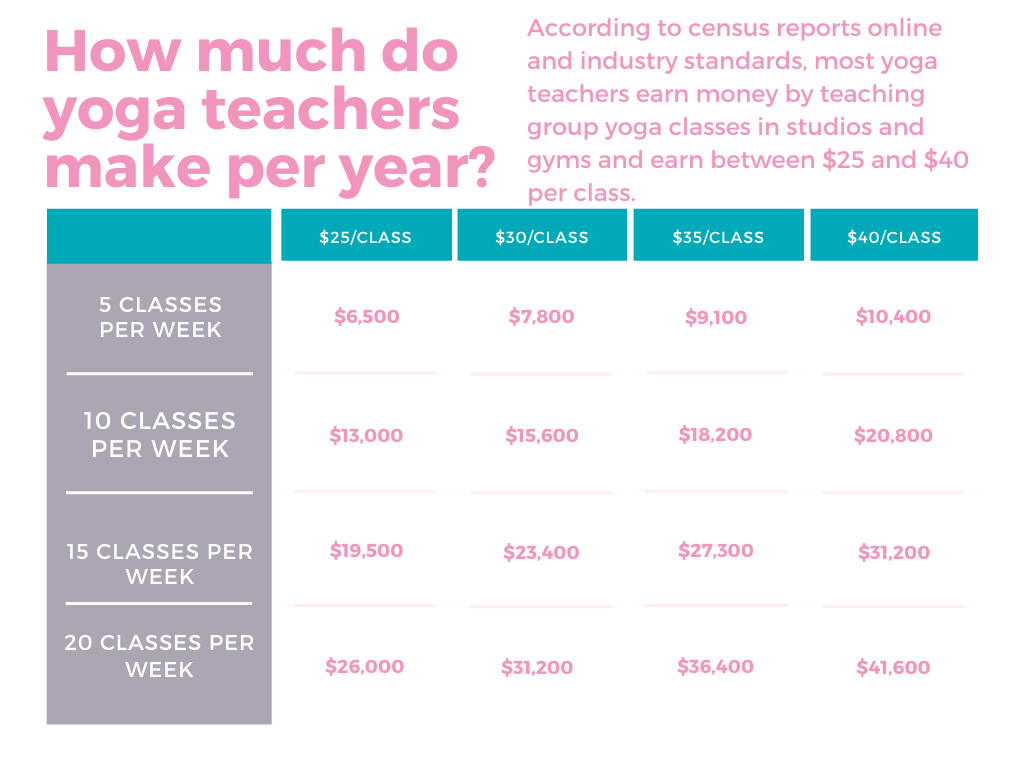
Image Source: www.brettlarkin.com
Grasping Yoga Teacher Pay Rates
Knowing the average yoga teacher income is just the start. Yoga teachers can make money in many ways. This is why the total amount changes so much.
How Pay Works
Yoga teachers often do not get a fixed yearly salary like many other jobs. Their pay usually depends on how many classes they teach. It also depends on how many people are in the classes.
- Pay Per Class: This is very common. A studio pays a set amount for each class taught.
- Pay Per Head: Some studios pay a smaller base rate plus an extra amount for each student over a certain number.
- Hourly Rate: Some jobs, like teaching at a gym or for a company, might pay a set yoga instructor hourly rate.
- Salary: A few yoga teachers might get a full salary. This is rare. It usually happens if they have a big role, like managing a studio or being a lead teacher trainer.
- Private Clients: Teachers can earn more by teaching people one-on-one.
- Workshops and Retreats: Running special events can bring in extra money.
Average Earnings
Looking at the average yoga teacher income can give you a general idea. But remember, this average includes people who teach full-time and those who only teach a few classes a week for fun money.
Data from different places shows varied numbers. Some sources say the average is closer to $40,000 a year. Others say it’s higher, around $60,000 or more. This difference happens because of all the factors involved.
Breaking Down How Teachers Earn Money
Let’s look closer at the different ways teachers get paid.
Pay Per Hour: Yoga instructor hourly rate
Many teaching jobs pay by the hour or by the class. The yoga instructor hourly rate can change a lot.
- Low End: A new teacher at a small studio might make $20 to $30 per hour or per class.
- Average: A teacher with some experience at a regular studio might make $35 to $50 per hour or per class.
- High End: Very experienced teachers, or those teaching private clients, might make $70, $100, or even more per hour.
Remember that teaching one class might take more than one hour of work. You spend time getting to the studio, setting up, talking to students, and cleaning up. So, an hourly rate might feel lower when you add up all the time spent.
Working at a Studio: Yoga studio pay rates
Most yoga teachers start by working at a studio. Yoga studio pay rates can differ a lot.
- Standard Model: Many studios pay a flat rate per class. This might be $30-$60 per class.
- Client Bonus: Some studios add a little extra pay for each student in the class. This helps teachers who can bring in a lot of students. For example, you might get $40 for the class plus $1 or $2 for every student over 8 people.
- Energy Exchange: Some studios might pay a very low rate, like $15-$20 per class, or even pay with free classes or store credit instead of money. This is less common now but still happens, especially for new teachers.
Working at a studio gives you a place to teach and students to teach. But the studio keeps a large part of what students pay for the class.
Working for Yourself: Freelance yoga instructor earnings
Many yoga teachers work for themselves. They might teach private classes, work for companies, or teach at special events. Freelance yoga instructor earnings can be higher per hour or per class. But you have to find your own students.
- Private Classes: Teaching one person or a small group can pay well. You might charge $70 to $150+ per hour. But you have to find the clients yourself.
- Corporate Yoga: Teaching at companies can pay well, often $75 to $150+ per hour. Companies want to help their workers relax and stay healthy.
- Events: Teaching at places like schools, libraries, or community centers might pay a set fee for a series of classes.
- Online Teaching: Teaching online, either live or with recorded videos, is another way to earn money. Pay varies a lot depending on how you set it up (subscription, per class, etc.).
With freelance work, you keep more of the money. But you also have to do all the other work: marketing, finding clients, scheduling, billing, and paying taxes. This takes time and effort. Freelance yoga instructor earnings often mean wearing many hats, not just the teacher hat.
Money Based on Where You Live
Where you live has a big effect on how much you can make. This is called yoga instructor salary by location.
Location Matters
Teachers in big cities or places where lots of people do yoga often make more per class. For example, teaching in New York City or Los Angeles will likely pay more per class than teaching in a small town in the Midwest.
But you also need to think about how much it costs to live in that place. While you might make $70 per class in a big city, the rent and other living costs are much higher there. Making $40 per class in a place with lower living costs might give you more money left over at the end of the month.
- High-Paying Areas: Large cities, especially on the coasts (like California, New York, Massachusetts), often have higher rates. Tourist areas or wealthy towns might also pay more.
- Lower-Paying Areas: Smaller towns or areas with lower living costs usually have lower pay rates for yoga teachers.
- Competition: In areas with many yoga teachers, there might be more competition. This can keep pay rates from going up quickly.
Finding Your Place
The yoga instructor salary by location isn’t just about the state or city. It’s also about the specific studio or client. A popular studio in a busy part of town might pay better than a small one hidden away. Teaching corporate classes in a downtown area might pay more than teaching at a local community center.
It helps to research the pay rates in your specific area before you start teaching. Talk to other teachers if you can.
How Much New Teachers Make
Everyone starts somewhere. The entry-level yoga instructor salary is usually lower than what experienced teachers make.
Starting Out
When you are a new yoga teacher, you are still learning how to lead classes and connect with students. Studios know this. They might offer new teachers fewer classes or a lower rate per class.
- Typical Starting Pay: An entry-level yoga instructor salary might be closer to $20-$35 per class.
- Building Experience: New teachers often take any teaching chance they can get. This helps them practice and get better. They might teach at gyms, community centers, or offer free/cheap classes to friends at first.
- Getting Classes: It can take time for a new teacher to get regular classes at a studio. Studios usually give classes to teachers with proven experience and student following first.
Building Your Way Up
The entry-level yoga instructor salary is just the beginning. As you teach more, you gain experience. You learn what works best. You build confidence. Your classes get better.
Getting more experience is key to earning more. After teaching for a year or two, you can ask for a higher rate. You might also be able to teach more classes or get better class times. Your income will likely go up as you move past the entry-level yoga instructor salary stage.
Things That Change How Much You Make
Many things affect how much a yoga teacher gets paid. Looking at these factors affecting yoga instructor pay helps explain why earnings vary so much.
Key Factors
Here are the main factors affecting yoga instructor pay:
- How Long You’ve Taught (Experience): This is one of the biggest factors. Teachers with many years of experience have refined their skills. They know how to manage a class, help students, and create a great experience. Studios and private clients are often willing to pay more for this skill and knowledge. New teachers make less than those with 5+ years of teaching.
- What Training You Have (Certification Level): Most teachers start with a RYT 200-hour training. Getting more training, like a RYT 500-hour certification or special training in areas like prenatal yoga or yoga therapy, can increase your earning potential. It shows you have deeper knowledge.
- What You Teach (Specializations): Teachers who teach special kinds of yoga can sometimes charge more. This includes:
- Yoga for specific health needs (e.g., back pain, cancer patients)
- Yoga for certain groups (e.g., kids, seniors, athletes)
- Specific styles that are less common (e.g., Iyengar, Ashtanga primary series lead classes)
- Workshops on topics like inversions, flexibility, or breathing techniques. These special skills make you stand out.
- Where You Work (Location): As discussed, pay rates change based on where you live and the cost of living in that area. Teaching in a high-cost-of-living city usually means higher pay rates than teaching in a low-cost area, though your overall buying power might be similar.
- Who You Teach (Client Base): Having a loyal group of students who follow you from studio to studio, or building a list of regular private clients, is very valuable. Studios like teachers who fill classes. Private clients pay higher rates. Building relationships is a key factor affecting yoga instructor pay.
- How Many Classes You Teach (Teaching Volume): This is simple math. If you make $50 per class, teaching 5 classes a week is $250. Teaching 20 classes a week is $1000. Full-time teachers teach many classes per week, sometimes 15-25 or more, plus workshops, private clients, etc. Part-time teachers teach just a few.
- Your Brand and Marketing: How well you market yourself matters, especially for freelance work. Having a good website, social media presence, or being known in the community can help you find more clients and teaching chances.
- Type of Employer: Pay rates differ between small independent studios, large chain gyms (like YMCA, Equinox), community centers, corporate offices, and private clients.
Adding these factors affecting yoga instructor pay together helps explain why one teacher might make $25,000 a year and another might make $75,000 or more.
Cost to Become a Teacher
Before you can earn money as a yoga teacher, you need to get trained. The yoga instructor certification cost is an important first step.
Training Expenses
The most common first step is a 200-hour yoga teacher training (YTT). These trainings give you the basics of teaching yoga safely and effectively.
- Typical Cost: The yoga instructor certification cost for a 200-hour program usually ranges from $1,000 to $4,000.
- Lower costs might be for local trainings at smaller studios or online programs.
- Higher costs are often for longer or more well-known programs, trainings in popular or expensive locations, or those with famous teachers.
- Some programs include food and housing if they are in a retreat format, which adds to the cost.
- Ongoing Costs: Training doesn’t stop after 200 hours. To keep learning and improve, teachers often pay for:
- Workshops (maybe $50 – $300 each)
- Advanced training (300-hour training can cost another $2,000 – $5,000+)
- Specialized training (costs vary widely, maybe $300 – $1,000+)
- Classes for their own practice (monthly pass or drop-in fees)
- Yoga Alliance membership (if they choose to register, yearly fee)
- Insurance (protects you if a student gets hurt, maybe $150 – $250 a year)
- First aid/CPR certification (needs renewing)
So, the yoga instructor certification cost is just the first big payment. You need to keep spending money on your own learning and business needs.
Making More Money Over Time
Teaching yoga can be a yoga instructor career path salary that grows over time. You can take steps to earn more money as you gain experience.
Ways to Increase Earnings
Here are paths you can take to increase your yoga instructor career path salary:
- Teach More Classes: The most direct way is to simply teach more hours per week. As you get more experienced, it becomes easier to get more classes at studios.
- Get More Training: Completing a 300-hour or 500-hour certification, or getting special training, makes you more valuable. You can teach more types of classes or offer more depth. This can lead to higher pay rates or new opportunities.
- Teach Special Classes: Develop skills in teaching areas like prenatal, kids, seniors, therapeutic yoga, or advanced poses. These classes are often in demand and might pay slightly more.
- Build Your Name (Brand): Create a strong reputation. Have a clear teaching style. Connect with your students. Use social media or a simple website to share your passion. Being well-known helps you get more teaching jobs and private clients.
- Offer Workshops or Retreats: Design and lead your own special classes (workshops) or longer trips (retreats). These can bring in significant income, but they require a lot of planning and marketing.
- Teach Online: Reach students anywhere in the world. You can offer live classes through video calls or create recorded courses. This opens up a much larger market, but requires technical skills and online marketing.
- Start Your Own Place (Opening a Studio): This is a big step. Owning a studio can be very rewarding, but it’s a full-time business job. It involves high costs (rent, staff, marketing) and risks. The income potential is higher, but so is the workload and stress. This is a business owner path, not just a teaching path.
- Teach New Teachers (Teacher Training): If you have many years of experience (often 5-10+ years) and advanced training (like 500-hour), you can become a lead trainer in teacher training programs. This is a high level of the yoga instructor career path salary and can pay well, but requires deep knowledge and experience.
Your yoga instructor career path salary is not fixed. It depends on the choices you make and the effort you put into growing your skills and business.
Is Teaching Yoga a Good Job?
Beyond the money, people wonder: is yoga instruction a good career? Let’s look at the pros and cons.
Thinking About the Career
Deciding if is yoga instruction a good career means looking at more than just how much money you make.
Good Things (Pros):
- Passion: You get to do something you love every day.
- Helping People: You help people feel better, stronger, and calmer. This can be very rewarding.
- Flexibility: You often have control over your schedule, especially as you gain experience or work freelance. You can teach when it works for you.
- Positive Environment: Yoga studios and wellness centers are usually positive places to work.
- Personal Growth: You keep learning and growing in your own yoga practice and as a person.
- Variety: You can teach different types of classes, different people, and work in different places.
Challenging Things (Cons):
- Unsteady Income: Income is often not steady. It can change based on class attendance, seasons, or if you get sick and can’t teach. Average yoga teacher income can look okay on paper, but weekly or monthly pay can vary a lot.
- Low Starting Pay: As we saw with the entry-level yoga instructor salary, it can be hard to make ends meet when you are new.
- Physical Job: Teaching many classes is physically demanding. You are moving, talking loudly, and helping students for several hours a day.
- Self-Promotion Needed: You often have to market yourself to get students or jobs. This takes time and effort.
- Finding Classes: It can be hard to get enough classes to make a full-time living, especially at the beginning.
- No Benefits: Most studios don’t offer health insurance, paid time off, or retirement plans. You have to handle these things yourself.
- High Competition: In many areas, there are lots of yoga teachers. This can make it hard to stand out.
For many, the love of yoga and the joy of teaching make the challenges worth it. The answer to is yoga instruction a good career really depends on what is important to you. If a steady, high income and traditional job benefits are your top needs, it might be hard. If flexibility, passion, and helping others are key, and you are willing to work hard to build your income, it could be a great fit.
Adding Up Different Jobs
Most yoga teachers do not just teach at one place. They often combine different ways of earning money.
Mixed Income
A typical full-time yoga teacher might have an income that comes from:
- Teaching 10-15 classes per week at one or two studios (paid per class)
- Teaching 2-3 private clients per week (paid per hour)
- Teaching one corporate class per week (paid per hour)
- Leading a workshop every few months
- Maybe teaching a few online classes
This mix helps them get closer to a full-time income. It also helps if one source of income slows down. Building this kind of mixed income takes time and effort. It involves managing many schedules and client types.
How to Earn More as a Yoga Teacher
Want to increase your income as a yoga teacher? Here are simple ways:
- Teach More Classes: Look for chances at more studios or gyms.
- Get More Training: Learn special skills (prenatal, therapeutic, etc.).
- Teach Private Clients: Offer one-on-one sessions for higher pay.
- Teach Corporate Classes: Reach out to local companies.
- Lead Workshops: Plan and market special themed classes.
- Teach Online: Create videos or offer live classes over the internet.
- Build Your Name: Use social media or a simple website to show your teaching style and schedule.
- Connect with Students: Build a loyal following who will come to your classes.
- Keep Learning: Take classes and workshops from other teachers to improve your own skills.
- Be Reliable: Show up on time, be prepared, and be professional. Studios value teachers they can count on.
Putting It All Together
How much a yoga instructor makes each year changes a lot. There isn’t just one answer. It depends on many things: experience, training, location, how many hours they work, and how they choose to make money (studio, freelance, online, etc.). The average yoga teacher income gives a starting point, but individual earnings can be much lower or higher.
The yoga instructor hourly rate or yoga studio pay rates might seem low at first, especially the entry-level yoga instructor salary. But as teachers gain experience, invest in more training (increasing yoga instructor certification cost over time), and build their student base, their income potential grows. Following a smart yoga instructor career path salary by adding different income streams and specializing is key for earning more.
For many, teaching yoga is more than just a job; it’s a passion. While the income can be unsteady or require a lot of work to build up (freelance yoga instructor earnings require business skills), the chance to help people and do something you love makes it a rewarding career for many. Knowing the factors affecting yoga instructor pay and planning how to grow can help teachers reach their money goals while sharing the practice of yoga.
Frequently Asked Questions
Q: What is the average amount a yoga teacher makes?
A: The average yoga teacher income in the US is often said to be between $30,000 and $70,000 a year. But this number changes based on experience, location, and how many hours are worked.
Q: How much does a new yoga teacher make?
A: The entry-level yoga instructor salary is usually lower. New teachers might make $20 to $35 per class. Their yearly income will be less until they get more classes and experience.
Q: Does where I live change my yoga teacher pay?
A: Yes, definitely. Yoga instructor salary by location is a big factor. Teachers in big cities with high costs of living usually have higher pay rates per class than those in smaller towns.
Q: How much does it cost to become a certified yoga teacher?
A: The yoga instructor certification cost for a basic 200-hour training usually ranges from $1,000 to $4,000. There are also ongoing costs for workshops, advanced training, and insurance.
Q: Is it possible to make a full-time living teaching yoga?
A: Yes, it is possible. But it often requires teaching many classes per week (15-25+), having multiple sources of income (studio, private, corporate, workshops, online), and actively marketing yourself. It takes time and effort to build up to a full-time income.