
How much is a yoga mat? A yoga mat can cost anywhere from about $10 to over $200, depending on what it’s made of, how thick it is, the brand, and special features it might have. The yoga mat price varies a lot because different mats are made for different people and uses. Some cost very little. Some cost a lot more.
A yoga mat is a simple thing. It is a soft pad for the floor. You stand on it for yoga poses. But mats are not all the same. Their cost changes based on many things. Thinking about these things helps you know where your money goes. It helps you find the right mat for you.
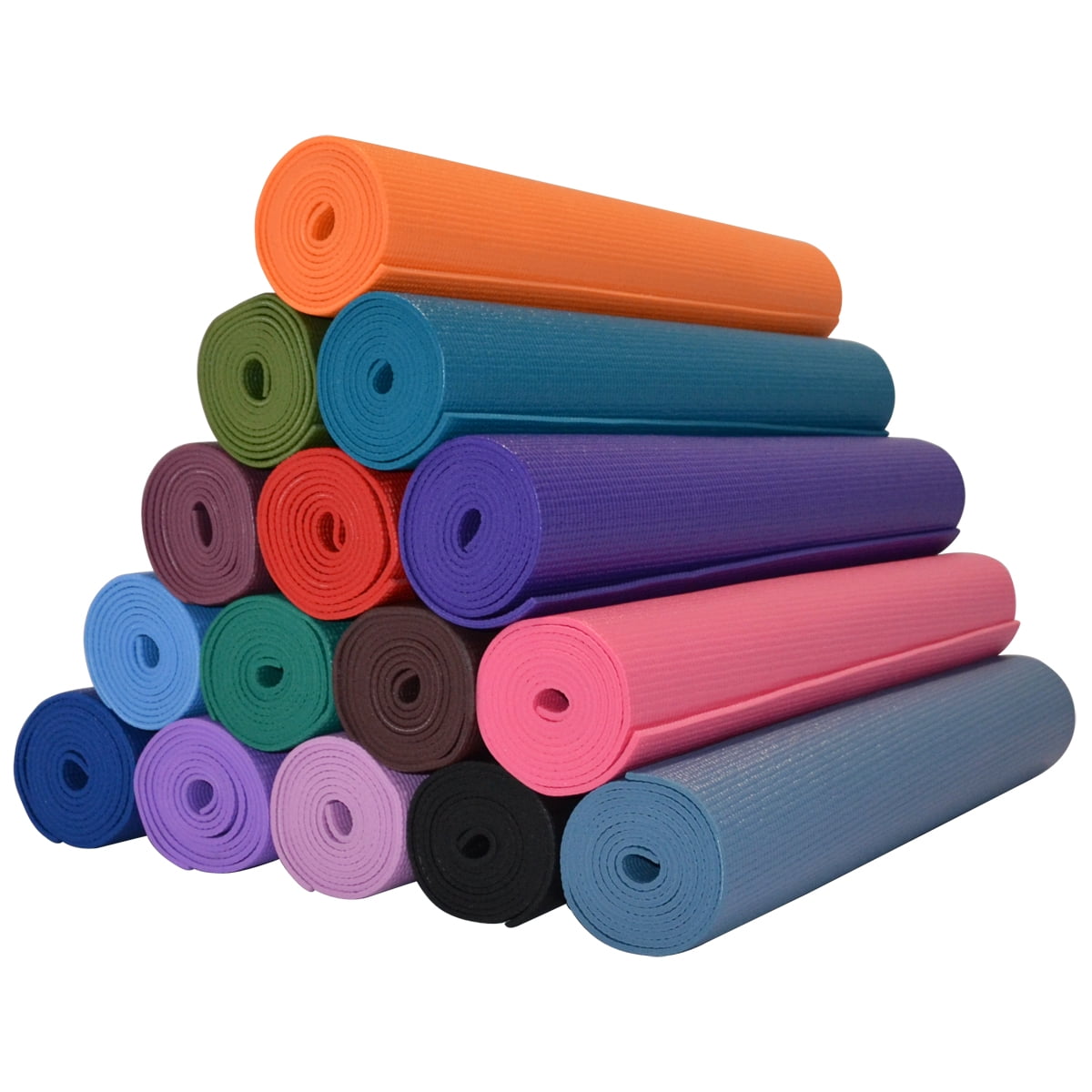
Image Source: i5.walmartimages.com
Fathoming What Makes Mats Cost Different Amounts
Why do some mats cost $20 and others cost $150? It is not just a random number. Many things affect the yoga mat cost. Let’s look at the main ones.
What the Mat Is Made Of
The stuff used to make the mat matters a lot. Different materials cost different amounts. They also feel different. They last different amounts of time.
-
PVC (Polyvinyl Chloride): This is a type of plastic. Many cheap mats are made from PVC.
- Pros: PVC mats are often sticky. This helps you not slip. They are easy to clean. They last a while. They are usually the cheap yoga mat price mats.
- Cons: Some people worry about the chemicals in PVC. It is not good for the Earth. It can have a smell when new.
- Cost: Very low. This is why many starter mats are PVC.
-
TPE (Thermoplastic Elastomer): This is a mix of plastic and rubber. It is seen as more eco-friendly than PVC.
- Pros: Lighter than rubber. Feels soft. No bad chemicals usually. Better for the Earth than PVC. Good grip.
- Cons: Not as long-lasting as PVC or rubber sometimes. Can tear more easily.
- Cost: A bit more than PVC. These are often in the affordable yoga mat range.
-
Natural Rubber: This comes from rubber trees. Many people like natural rubber mats.
- Pros: Very good grip. Often heavy and stays in place. Good for the Earth if made in a good way. Very strong and lasts a long time.
- Cons: Can smell like rubber. Some people are allergic to latex, which is in rubber. Can be heavy to carry. Can break down if left in the sun.
- Cost: Higher than PVC or TPE. These mats are often mid-range to expensive yoga mat cost. The yoga mat material cost for rubber is higher.
-
Cork: This comes from oak trees. It is taken from the bark. It grows back.
- Pros: Good for the Earth. Has a nice feel. Gets grippier when wet (from sweat). Does not hold onto smells. Looks nice.
- Cons: Can be less cushioned than other mats. Needs to be laid flat often to prevent cracks. Can feel a bit stiff at first.
- Cost: Often in the mid-range. Can be higher depending on how it is made.
-
Jute: This is a plant fiber. It is often mixed with PER (a type of plastic) or other materials.
- Pros: Natural look and feel. Good grip. Feels rough in a good way. Good for the Earth.
- Cons: Can feel a bit rough for some people. May not be as cushioned.
- Cost: Mid-range price usually.
-
Cotton or Cotton Blends: Used for yoga rugs, often placed on top of a mat or used alone for certain types of yoga.
- Pros: Very good for sweat. Can be washed. Natural feel.
- Cons: Not cushioned. Needs a mat under it for padding. Can slip on the floor.
- Cost: Varies a lot. Can be cheap or quite costly for special types.
The yoga mat material cost is a big reason for the final price. Rubber and cork cost more than PVC or TPE to start with.
How Thick the Mat Is
Mats come in different thicknesses. A thin mat is like a few sheets of paper. A thick mat is like a finger.
* Thin Mats (1-3 mm): Good for travel. Easy to pack. Help you feel the ground more. This is good for balance poses.
* Cost: Often lower, but high-end travel mats can still be costly.
* Standard Mats (4-6 mm): This is the most common thickness. Good for most kinds of yoga. Gives some cushion for knees and joints. Not too heavy to carry.
* Cost: Most mats fall in this range. The average yoga mat cost is often for a mat of this thickness.
* Thick Mats (7+ mm): Give a lot of cushion. Good for people with knee pain. Good for exercises other than yoga, like floor workouts.
* Cons: Can be hard for balance poses because they are soft and wobbly. Can be heavy and bulky.
* Cost: Usually cost more than standard mats. The yoga mat thickness price goes up with more material.
More material means a higher yoga mat price. So, thicker mats usually cost more than thin ones made of the same stuff.
Size and Length
Most mats are a standard size. But some are longer or wider. If you are tall, you might need a longer mat. If you like extra space, you might like a wider one.
* Cost: Bigger mats use more material. More material means a higher price.
The Brand Name
Some companies are well-known. They have been making mats for a long time. They spend money on making their mats good. They also spend money on telling people about their mats.
* Cost: Mats from famous or high-end brands often cost more. You are paying for their name and their promise of quality. A manduka or Lululemon mat will cost more than a mat from a lesser-known brand, even if the materials are similar.
Special Features
Some mats have extra things. These can make them work better or look nicer.
* Grip: Some mats have special surfaces to stop you from slipping, even when you sweat a lot. High-grip mats often cost more.
* Texture: Some mats have raised patterns or textures for feel or grip. This can add to the cost.
* Alignment Lines: Some mats have lines printed on them to help you put your hands and feet in the right place. Adding these lines costs money.
* Eco-Friendliness: Mats made from recycled things or natural materials that are gathered in a good way can cost more. This is because these materials or methods cost more to make.
* Antimicrobial: Some mats have things added to stop germs from growing. This costs extra.
* Design/Color: Fancy patterns or special colors might cost a bit more, though usually this is a small part of the price.
These extra features add to the cost of good yoga mat.
How Long It Will Last
Some mats are made to last for many years. They use strong materials. They are made well.
* Cost: Mats that last longer often cost more at first. But you do not have to buy a new one as often. So, over time, a more expensive, strong mat might cost less than buying many cheap mats. Durability affects the overall yoga mat price range you might consider.
Deciphering the Yoga Mat Price Range
Yoga mats fall into different price groups. Knowing these groups helps you see what you get for your money.
Cheap Mats (Around $10 – $30)
- What you get: These are usually basic mats. They are often made of PVC or a very simple TPE. They are typically 3mm to 4mm thick.
- Where to find them: Big stores, online marketplaces.
- Good for: People just starting yoga who do not know if they will stick with it. People who need a mat for very light use. People on a tight budget.
- Pros: Very low entry cost. Easy to find.
- Cons: May not last long. Grip might not be great, especially when you sweat. Can be thin, offering little cushion. Might have a strong smell at first. Not usually eco-friendly. The cheap yoga mat price means basic quality.
Affordable Mats (Around $30 – $60)
- What you get: You start to see better materials here, like higher quality TPE or basic natural rubber blends. Thickness is usually 4mm to 6mm. Grip is better than the cheapest mats.
- Where to find them: Sports stores, online retailers, some yoga studios.
- Good for: People who practice yoga more often. People who want something better than the cheapest option but still need to save money.
- Pros: Better quality and feel than cheap mats. Better cushion and grip. Lasts longer than very cheap mats. Often includes TPE options that are better for the Earth than PVC. This is a common average yoga mat cost.
- Cons: Not the best grip for heavy sweating. May still not be super durable for daily hard use.
Mid-Range Mats (Around $60 – $100)
- What you get: You find good quality natural rubber, cork, or jute mats here. Thickness is often 4mm to 6mm, sometimes thicker. Grip is usually very good. Mats start to be quite durable. You see more features like good alignment lines or special textures. Brands start to matter more here.
- Where to find them: Yoga stores, online specialty shops, brand websites.
- Good for: People who practice yoga regularly. People who want a mat that feels good and lasts. People who care about the material. This is where the cost of good yoga mat often starts.
- Pros: Good balance of price, quality, grip, and durability. Often made from better materials. Feels good to use.
- Cons: More of an investment than cheaper mats. Still not the top-tier for extreme durability or grip.
Premium / Expensive Mats (Around $100 – $200+)
- What you get: Top-of-the-line materials like high-density natural rubber or special blends. Often very durable, made to last 5-10 years or more. Excellent grip, even with sweat. Can be thicker (5mm-6mm is common, but made with very dense material). May have unique textures, designs, or features. These are often from well-known, high-quality brands.
- Where to find them: Brand websites, high-end yoga stores, specialty online retailers.
- Good for: Dedicated yoga practitioners. Teachers. People who practice every day or do hot yoga (where grip is key). People who want a mat that lasts a very long time. People who want the best feel and performance. This is the expensive yoga mat cost range.
- Pros: Best possible grip and cushion (for the thickness). Extremely durable. Often made with high standards. Feels like a quality tool.
- Cons: Very high upfront cost. Can be heavy (especially rubber).
The yoga mat price range is wide. What you pay really changes what you get.
A Simple Yoga Mat Cost Comparison
Let’s put some examples in a table to see the difference clearly. Prices are rough ideas.
| Mat Type | Typical Material(s) | Typical Thickness | Grip | Durability | Typical Price Range |
|---|---|---|---|---|---|
| Basic/Cheap | PVC, simple TPE | 3-4 mm | Fair | Low | $10 – $30 |
| Affordable | TPE, basic Rubber/PER | 4-6 mm | Good | Medium | $30 – $60 |
| Mid-Range | Natural Rubber, Cork, Jute | 4-6 mm (+ thicker options) | Very Good | Good | $60 – $100 |
| Premium/Expensive | High-density Rubber, special blends | 5-6 mm (dense) | Excellent | Very High | $100 – $200+ |
This yoga mat cost comparison shows a clear link between price and features like material, grip, and how long the mat lasts.
Interpreting Material Costs More Deeply
Let’s look a bit more at the yoga mat material cost.
* PVC: Cheap to make in large amounts. It’s durable in that it doesn’t break down easily, but it can lose its grip over time. It is a petroleum product. Its low cost is why it’s used for the cheapest mats.
* TPE: Costs more to make than PVC. It’s lighter. It’s often sold as a more eco-friendly choice because it can be recycled more easily than PVC and doesn’t use harmful chemicals in the same way. The cost is mid-range.
* Natural Rubber: Harvesting latex from rubber trees and processing it costs more than making plastic. Quality varies based on how pure the rubber is and how it’s processed. Dense, natural rubber is heavy and provides great support and grip, but the raw material and making process are more costly. This significantly drives up the yoga mat price.
* Cork: Cork comes from the bark of cork oak trees. Taking the bark does not hurt the tree. It grows back. Processing it into a mat layer costs more than making plastic. It’s seen as very good for the Earth. This higher cost shows in the mat’s price.
* Jute: A natural fiber. Growing and processing jute adds to the cost. It is often used as a top layer for grip and feel, usually on a rubber or PER base. The cost is similar to cork or mid-range rubber mats.
The material is perhaps the single biggest factor in the starting yoga mat cost.
Comprehending Yoga Mat Thickness and Its Price
The yoga mat thickness price is easy to understand. More material means more cost.
* A 1.5 mm travel mat uses much less material than a 6 mm mat. So, it usually costs less, even if made of the same stuff. (Example: A thin rubber travel mat might cost less than a thick PVC mat, but a thin rubber mat will cost less than a thick rubber mat).
* Thicker mats offer more padding. This is better for poses where your knees, hips, or hands press into the floor a lot.
* Thin mats are better for standing poses where you need to feel stable and connected to the ground.
* The most common thickness is 4-6 mm. This gives a good mix of cushion and stability for many people and many types of yoga. It represents the average yoga mat cost for most shoppers.
If you need a lot of cushion because of joint sensitivity, be ready to pay a bit more for a thicker mat made of decent material. If you travel often and need a light mat, a thin one will likely cost less but check the material – a thin, high-quality rubber mat can still be expensive.
Beyond the Basics: What Else Adds to the Price?
It’s not just material and thickness. Other things bump up the yoga mat price.
- Eco-Friendly Claims: Mats that say they are good for the Earth often cost more. This can be because they use recycled materials, sustainable materials (like natural rubber or cork harvested in a way that doesn’t hurt the forest), or use cleaner ways to make the mat. Companies doing this often have higher costs.
- Special Technology: Some brands put money into making their mats extra grippy using science. This research and special making process adds to the final price.
- Looks and Design: A plain mat costs less to make than one with many colors or a complex pattern. Special limited edition designs can also cost more.
- Where it’s Made: Mats made in countries with higher labor costs will cost more than those made where labor is cheaper.
- Certificates: Some mats have checks by outside groups to say they are safe, good for the Earth, or made fairly. Getting these checks costs money.
All these small things add up to the final yoga mat price range.
Finding an Affordable Yoga Mat
You do not need the most expensive mat to do yoga. Many affordable yoga mat options are good, especially when you are starting.
* Look for mats in the $30-$60 range.
* TPE mats are a good mix of price and quality. They are better than the cheapest PVC mats.
* Read reviews. See what others say about the grip and how long the mat lasts.
* Check sales. Sometimes stores have discounts.
* Think about what you need most. If cushion is key, maybe find a thicker mat in a less expensive material. If grip is key, maybe find a thinner mat in a grippier material.
You can find a good mat that does not break the bank. The affordable yoga mat section has many solid choices.
Why Some Mats Have an Expensive Yoga Mat Cost
What makes someone pay $150 or more for a mat?
* Extreme Durability: These mats are built like tanks. They can handle daily use, even in hot, sweaty conditions, for many years. You might buy one mat that lasts you a decade instead of buying 5-10 cheap ones.
* Superior Grip: For hot yoga or people who sweat a lot, top grip is very important. Premium mats often use materials and textures that give excellent grip even when wet. This stops slips and helps prevent hurts.
* Best Materials: High-density natural rubber, special engineered surfaces. These materials feel different and perform at a higher level.
* Brand Promise: Companies selling expensive mats often stand by their product with good service and warranties.
* Long-Term Value: While the first cost is high (expensive yoga mat cost), the cost per year can be low if the mat lasts a very long time.
Buying an expensive mat is an investment for someone serious about yoga.
Does a Higher Price Always Mean Better Quality?
Usually, yes, to a point. A mat that costs $150 is almost always better quality (material, grip, durability) than a mat that costs $20. The materials are better. They last longer. The grip is usually much better.
But the most expensive mat is not always the “best” for you.
* If you do yoga once a week in a cool room, you might not need the extreme grip or durability of a $200 mat. A mid-range or even affordable yoga mat might be perfect.
* “Quality” also means fitting your needs. A thick, expensive mat might be bad quality for balance if it’s too soft. A thin, expensive mat might be bad quality for your knees if you need cushion.
So, price is a good sign of build quality and material quality, but think about what you need before you buy the most expensive one. The cost of good yoga mat means finding a mat that works well for your practice and budget.
Putting It Together: Choosing Your Mat Based on Cost and Need
Here is how to think about the yoga mat price for yourself.
-
How often do you do yoga?
- Once a week or less? A cheap or affordable yoga mat might be fine.
- Several times a week? Think mid-range for better life and feel.
- Every day? Hot yoga? Consider a premium mat for durability and grip (expensive yoga mat cost, but maybe worth it).
-
What style of yoga do you do?
- Gentle, slow flow? Cushion might be important (thicker mat). Grip might be less key.
- Active, sweaty flow? Grip is key (natural rubber, special surfaces).
- Need to travel? Thin mat is best.
-
What is your budget?
- Be realistic. You can find a good mat in the affordable yoga mat range.
- Think of it as an investment. A $60 mat that lasts 3 years is $20 a year. A $20 mat that lasts 6 months is $40 a year. The yoga mat cost comparison over time matters.
-
Do you care about materials?
- Want something good for the Earth? Look at TPE, natural rubber, cork, jute. These cost more (yoga mat material cost).
- Need to avoid latex? Do not get natural rubber.
By thinking about these things, you can narrow down the yoga mat price range that makes sense for you.
Where You Buy Matters Too
The price can also change based on where you buy the mat.
* Big online stores might have the lowest prices, especially for cheaper mats.
* Buying directly from a brand website might cost more, but you get support from the company.
* Local yoga studios might sell mats. They could be more expensive, but buying there helps the studio. They might also offer mats you can try first.
In Summary: The Yoga Mat Price Range
The yoga mat price range is wide. From $10 to over $200.
* Cheap yoga mat price ($10-$30): Basic, often PVC, thin, good for trying out yoga.
* Affordable yoga mat ($30-$60): Better materials like TPE, standard thickness, good for regular practice. The average yoga mat cost is in this area.
* Cost of good yoga mat ($60-$100): Natural rubber, cork, jute options, good grip, durable, for dedicated practice.
* Expensive yoga mat cost ($100+): Premium materials, best grip and durability, for daily or hot yoga, long-term investment.
The price depends most on:
* Material (yoga mat material cost)
* Thickness (yoga mat thickness price)
* Brand name
* Special features (grip, eco-friendly, etc.)
Doing a yoga mat cost comparison based on your needs helps you find a great mat without spending too much or too little. Think about how you will use it. Then find the best mat you can in your price range.
Frequently Asked Questions About Yoga Mat Prices
Here are some common questions people ask about how much yoga mats cost.
h4 How much should a beginner spend on a yoga mat?
A beginner does not need to spend a lot. A good start is an affordable yoga mat in the $30-$60 range. This gets you a mat with decent grip and cushion that will work well as you learn. If you are not sure you will stick with yoga, a cheap yoga mat price mat ($10-$30) is okay to start, but you might want to upgrade later if you keep practicing.
h4 What is the average yoga mat cost?
The average yoga mat cost that people buy is probably in the $40-$70 range. This gets you a standard size and thickness (4-6 mm) mat made of TPE or basic rubber, which is good for most general yoga classes.
h4 Why are some yoga mats so expensive?
Expensive yoga mat cost comes from using high-quality, durable, and often natural materials like dense rubber. They are made to last many years and offer superior grip, especially for hot or sweaty yoga. You are paying for performance, durability, and brand quality.
h4 Is a thicker yoga mat always better?
Not always. A thicker mat (7+ mm) gives more cushion, which is good for knees and joints. But it can make it harder to balance in standing poses because you feel less connected to the floor. Standard thickness (4-6 mm) is a good mix for most people. Thicker mats also usually cost more (yoga mat thickness price).
h4 Do yoga mat materials affect the price a lot?
Yes, the material is one of the biggest factors affecting yoga mat price. PVC is cheapest, TPE is a bit more, and natural rubber, cork, and jute are often in the mid-range to expensive range (yoga mat material cost).
h4 How can I find an affordable yoga mat that is still good quality?
Look for mats made of TPE in the $30-$60 price range. Read reviews to check the grip and how long it lasts. Sometimes brands have sales. Focus on finding a mat with good grip and enough cushion for your needs in your budget.
h4 Is it worth buying an expensive yoga mat?
It can be, if you practice yoga often (several times a week or daily) or do types like hot yoga where grip is very important. An expensive yoga mat cost up front can save money over time if the mat lasts many years compared to replacing cheaper mats often. It also provides a better experience with superior grip and cushion.
h4 What is the typical yoga mat price range I will see in stores?
You will typically see a wide yoga mat price range, from basic mats around $20 up to popular mid-range mats around $70-$100. High-end specialty stores or brand websites will have the more expensive yoga mat cost options over $100.
h4 Does the color or design change the yoga mat price?
Usually, color and simple designs do not change the price much. But special patterns, printed alignment lines, or limited edition designs can add a little to the yoga mat cost.
h4 How does eco-friendliness affect the cost of a yoga mat?
Mats made from sustainable, natural, or recycled materials often cost more. The yoga mat material cost for these options can be higher, and the processes used to make them might also be more expensive. So, eco-friendly mats are usually in the mid-range to expensive yoga mat cost categories.