
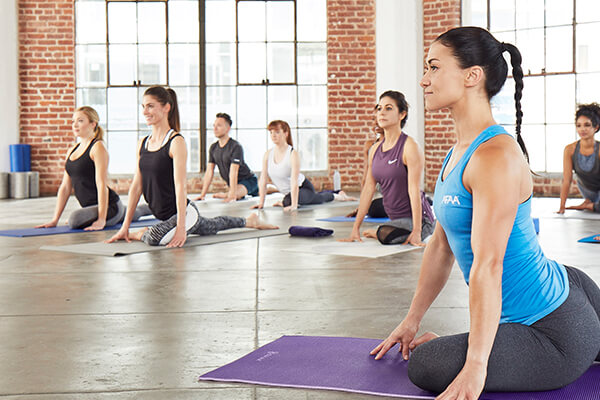
Image Source: www.afaa.com
How To Be A Yoga Trainer: Steps To Get Certified
Do you want to become a yoga instructor? How do you become a certified yoga trainer? To become a yoga trainer, you must complete specific yoga teacher training programs. These programs give you the skills and knowledge you need. Getting certified is a key step to start teaching yoga safely and effectively.
The Path to Teaching Yoga
Yoga is more than just poses. It is a way of life for many people. Sharing yoga can be very rewarding. Many people want to become a yoga instructor. It lets you help others feel better. You help them grow stronger. You help them find calm.
This path takes effort. It needs study and practice. You will learn about the body. You will learn about the mind. You will learn how to teach others. It is a journey of learning and sharing.
First Steps: Finding Your Training
Your first big step is finding the right school. You need to enroll in yoga teacher training programs. Many different programs exist. They vary in style and length. They also vary in cost.
Look for a program that fits you. Think about the type of yoga you like. Think about your schedule. Think about how you learn best.
Picking the Right Program Level
Yoga training has different levels. The most common starting point is the 200-hour training. This is often called RYS 200. RYS stands for Registered Yoga School. This level gives you a strong base.
After 200 hours, you can do more training. You can do a 300-hour or 500-hour course. These give you deeper knowledge. They help you teach more complex yoga. But the 200-hour training is usually the minimum to become a yoga instructor.
What to Expect in 200-Hour Training
A 200-hour training is intense. It covers many topics. You will spend about 200 hours studying. This can be done in different ways.
Some programs are full-time. You study for a few weeks straight. Some are part-time. You study on weekends over several months. Some are online programs.
Here are common things you will learn:
- Yoga poses (asanas)
- How to teach poses safely
- Putting poses together (sequencing)
- Breathing exercises (pranayama)
- Meditation techniques
- Yoga anatomy for teachers
- Yoga philosophy for instructors
- Teaching practice
- Ethics for teachers
Decoding Yoga Anatomy for Teachers
Knowing how the body works is vital. Yoga anatomy for teachers is a big part of training. You learn about bones and muscles. You learn how they move in poses. This helps you teach safely. You learn how to modify poses for different bodies. You learn how to help students avoid injury.
Teachers must understand alignment. Good alignment protects the body. It makes poses more effective. Anatomy lessons explain why certain cues work. They explain risks in some poses. This knowledge builds confidence in teaching. It keeps your students safe.
Grasping Yoga Philosophy Ideas
Yoga is more than just exercise. It has a deep history. It has core principles. Yoga philosophy for instructors explores these ideas.
You will learn about ancient texts. Texts like the Yoga Sutras of Patanjali. These texts offer guidance. They talk about ethics. They talk about how to live a good life.
Key philosophical concepts include:
- The Yamas (social ethics)
- The Niyamas (personal ethics)
- The eight limbs of yoga
- Karma (action and consequence)
- Dharma (purpose)
Grasping these ideas shapes your teaching. It helps you share the full depth of yoga. It helps you connect with students on a deeper level. It informs how you live your own life too.
The Cost of Training
Many people ask about the cost. The 200 hour yoga teacher training cost varies a lot. It depends on many things.
Factors affecting cost:
- Location (big city vs. small town)
- School reputation
- Program format (intensive vs. part-time)
- In-person vs. online
- Included items (manuals, retreats)
Prices can range widely. You might find programs for $1,500. Some can cost $3,000 or more. High-end retreats might cost $5,000 or higher.
It is smart to save money. Look for scholarships. Some schools offer payment plans. Think of it as an investment. It is an investment in your future. It is an investment in helping others.
Yoga Certification Requirements
Completing the training is a major step. But what are the actual yoga certification requirements? Getting certified usually means passing tests.
Tests often cover:
- Anatomy knowledge
- Philosophy concepts
- Your ability to teach a class
- Understanding sequencing
- Giving adjustments (safely helping students in poses)
Most schools issue a certificate. This certificate proves you finished their program. It shows you met their standards. This certificate is very important. You will need it for the next step.
Yoga Alliance Registration Explained
After getting your certificate, you can register. Many teachers register with Yoga Alliance. Yoga Alliance registration is not legally required. But it is widely recognized. It is a global registry.
Registering with Yoga Alliance shows you met common standards. It shows you trained at a Registered Yoga School (RYS). It gives you credentials like RYT 200. RYT means Registered Yoga Teacher.
Steps for Yoga Alliance registration:
- Complete a 200-hour program at a RYS.
- Get your certificate from the school.
- Create an account on the Yoga Alliance website.
- Pay the registration fee.
- Submit your certificate and training details.
Being a Registered Yoga Teacher adds credibility. Many studios prefer to hire registered teachers. It shows you have a baseline of training.
Table: Steps to Become a Certified Yoga Trainer
Here is a simple breakdown of the steps.
| Step | Description |
|---|---|
| Step 1: Find a Program | Research and choose a yoga teacher training program. |
| Step 2: Complete Training | Finish the required hours (usually 200-hour). Learn anatomy, philosophy, teaching skills. |
| Step 3: Pass School Requirements | Meet your school’s criteria. Pass tests or practical exams. |
| Step 4: Get Your Certificate | Receive your certificate from the training school. |
| Step 5: Consider Yoga Alliance | Apply for Yoga Alliance registration (optional but helpful). |
| Step 6: Start Teaching | Begin teaching classes. Gain experience (how to start teaching yoga). |
| Step 7: Continue Learning | Take workshops. Consider advanced training (300/500 hour). |
How to Start Teaching Yoga
You have your certificate. Now what? The next step is simple: start teaching. But how to start teaching yoga?
It can feel scary at first. Your first class might be small. It might be just friends or family. That is okay. Practice makes perfect.
Ways to start teaching:
- Offer free classes for practice.
- Teach friends or family.
- Teach at local parks or community centers.
- Find opportunities for yoga studio employment.
- Teach online classes.
- Offer private lessons.
Gaining experience is key. The more you teach, the better you become. Ask for feedback. Learn from each class.
Finding Yoga Studio Employment
Many new teachers look for work at studios. Yoga studio employment is a common path. Studios offer a ready-made space. They handle marketing and booking.
Getting a job at a studio can be competitive. Studios look for qualified teachers. They look for teachers who fit their style.
Tips for getting studio work:
- Attend classes at studios you like.
- Talk to the studio owner or manager.
- Offer to substitute teach.
- Have a clear resume showing your training.
- Prepare for an audition class.
Audition classes are typical. You teach a short class segment. The studio checks your teaching style. They check how you interact with students.
Teaching Beyond the Studio
Studio work is great, but not the only option. You can build your own teaching path.
- Teach independently: Rent space, market yourself, handle everything. This gives you freedom. It takes more work.
- Teach online: Offer live classes via Zoom. Create pre-recorded videos. This lets you reach students anywhere. It requires tech skills.
- Corporate yoga: Teach classes at offices. Help workers reduce stress.
- Private clients: Work one-on-one with people. Offer personalized yoga. This can pay more per hour.
Mix and match these options. See what works best for you. Your teaching journey is unique.
Deciphering the Yoga Teacher Salary Range
Let’s talk about money. What is the typical yoga teacher salary range? This varies greatly. It depends on many factors.
Factors affecting salary:
- Location (cost of living)
- Your experience level
- Where you teach (studio, gym, private, online)
- How many classes you teach
- If you have specializations (kids yoga, prenatal, therapy)
- If you have advanced training
Many yoga teachers do not earn a high full-time salary. Often, it is supplemental income.
- Studio pay: Studios usually pay per class. Rates might be $25 to $50 per class. Some pay more based on experience or class size.
- Gym pay: Gyms might pay an hourly rate or per class. Rates can be lower than studios.
- Private lessons: You can charge much more. Rates might be $50 to $150+ per hour.
- Online: Depends on platform and student numbers. Can range widely.
A full-time teacher teaching many classes might earn $30k to $60k per year. But many teachers work part-time. They teach a few classes a week. Their yoga income is lower.
Building a full-time career takes time. It often means combining different types of teaching. It might include workshops or retreats. It might include selling yoga products.
Continuing to Learn and Grow
Getting certified is the start. It is not the end. Great teachers never stop learning. Yoga is a vast subject. There is always more to explore.
Consider continuing education. Take workshops on specific topics. Topics like:
- Advanced anatomy
- Specific pose breakdowns
- Teaching methods for certain groups (seniors, athletes)
- Therapeutic yoga
- Deeper philosophy studies
You can also pursue higher certification. A 300-hour training adds to your 200-hour. It lets you become RYT 500 with Yoga Alliance. This shows advanced skills. It can open more doors.
Reading books helps. Practicing yoga yourself is crucial. Taking classes from other teachers gives you ideas. Stay curious. Stay a student first.
Practical Tips for New Teachers
Here are some tips for when you start teaching.
- Practice teaching a lot: Before your first paid class, teach friends. Teach family. Get comfortable leading a group.
- Plan your classes: Write out your sequence. Think about the flow. What is the peak pose? How will you warm up? How will you cool down?
- Arrive early: Get to your teaching space early. Set up. Greet students.
- Talk clearly: Speak loudly enough for everyone to hear. Use simple language for poses and cues.
- Watch your students: See what they are doing. Offer modifications if needed.
- Be yourself: Let your personality shine. Your unique voice is valuable.
- Handle questions: Be ready for questions after class. If you do not know an answer, it is okay to say so. Offer to find out.
- Get insurance: Teaching yoga has risks. Liability insurance protects you.
- Set boundaries: Decide your teaching hours. Decide your rates. Value your time and energy.
The Joy of Sharing Yoga
Becoming a yoga trainer is a big step. It takes effort, time, and money. But it offers huge rewards. You get to share something you love. You help people feel better in their bodies. You help them find peace in their minds.
The journey continues long after certification. You learn with every class you teach. You learn from your students. You learn from other teachers.
If you feel called to share yoga, follow that call. Research yoga teacher training programs. Find the right one for you. Take the leap. The world needs more good yoga teachers.
Frequently Asked Questions (FAQ)
Do I need to be good at yoga poses to teach?
No, you do not need to do every hard pose. You need to know safe ways to do poses. You need to teach them well. Focus on clear cues. Focus on helping students. Your personal practice is important, but being perfect is not required.
How long does it take to get certified?
A 200-hour training can take different amounts of time. An intensive program might be 3-4 weeks. A part-time program might be 3-6 months. It depends on the school’s schedule.
Is online yoga teacher training okay?
Yes, many good online programs exist now. Yoga Alliance started registering online RYS programs. Make sure the program is thorough. Check reviews. See if it offers live interaction. Online training can be flexible.
How soon after certification can I start teaching?
You can start teaching right away after getting your certificate. Some people teach practice classes during their training. The key is to feel ready and confident. Start small to build experience.
Do I have to register with Yoga Alliance?
No, it is not legally required. You can teach without it. However, many studios and gyms prefer teachers who are registered. It shows you met a standard. It gives you a recognized credential (RYT).
What is the difference between a 200-hour and 300-hour training?
200-hour training is for beginners. It gives you basic skills to teach safely. 300-hour training is advanced. It adds to the 200 hours. It goes deeper into topics like anatomy, philosophy, and specific teaching methods. You need 200 hours first to do a 300-hour course. Together, they make you eligible for RYT 500.
How much does it cost to stay registered with Yoga Alliance?
There is an annual fee to keep your registration active. You also need to complete continuing education hours. This ensures teachers keep learning.
Can I make a living as a yoga teacher?
Yes, it is possible. But it takes time and effort. Many teachers combine different income streams. This might include studio classes, private lessons, online teaching, workshops, or retreats. It can take several years to build a full-time income. The yoga teacher salary range varies widely based on your work and location.