
Are you asking how to begin doing yoga at home? It’s simple! You just need a little space, some comfy clothes, and a mat. What are the benefits of practicing yoga at home? You get stronger, feel less stressed, become more flexible, and find peace. What do you need? A basic yoga mat for beginners and maybe a few simple props. Practicing yoga at home is a great way to start. You can do easy yoga poses for beginners any time you like. It helps you relax and feel good in your body.
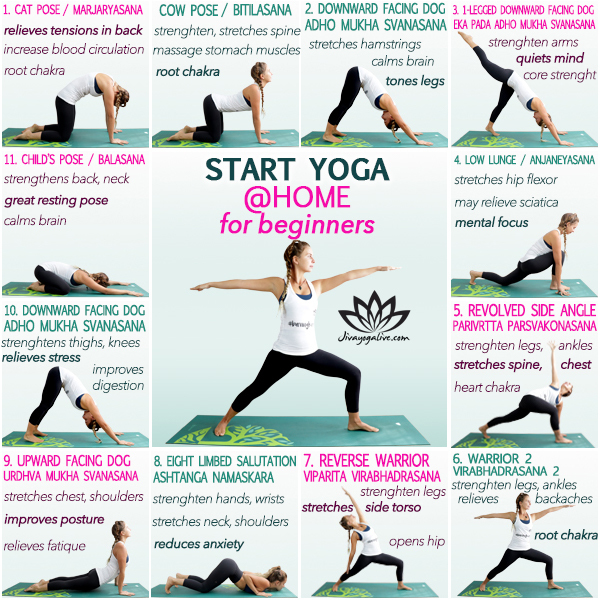
Image Source: jivayogalive.com
Getting Ready: What You Need
Starting yoga at home is easy. You do not need many things. You just need a few basics to set up your space. This is your home yoga setup.
Choosing Your Spot
Find a quiet place in your home. It should be big enough for you to lie down and stretch out. It can be a corner of a room, a space in your living room, or even outside if the weather is nice. This space should make you feel calm.
- Make sure you have enough room to move your arms and legs.
- Try to choose a place with few distractions. Turn off your phone.
- Good light helps. Soft light is nice.
- Make the space tidy. This helps your mind feel tidy too.
Getting Your Mat
A yoga mat is important. It gives you grip so you do not slip. It also makes hard floors softer for your joints.
Picking a Yoga Mat for Beginners
For your first mat, do not worry too much. A basic mat is fine.
- Look for a mat that is sticky. This helps your hands and feet stay in place.
- A mat that is thick enough feels better on your knees and elbows. About 4mm to 6mm is good for beginners.
- Think about the size. Make sure it is long enough for you to lie on.
- You can find good mats online or in sports stores. They do not need to be costly.
Think of your mat as your special spot for yoga. Roll it out in your space. This tells your mind it is time for yoga.
Thinking About Simple Aids
Beginner yoga props can help you get into poses more easily. They help your body feel supported. You do not need all of these when you start. But they can help.
- Yoga Blocks: These are made of foam, cork, or wood. They help bring the floor closer to you in poses like forward bends. They can also support your hands or sit bones.
- Yoga Strap: This is a belt. It helps you reach parts of your body you cannot touch yet. Like if you cannot reach your feet in a stretch. The strap helps you grab them.
- Blanket: A folded blanket can make sitting more comfy. It can also cushion your knees.
- Bolster: This is a firm pillow. It is great for relaxing poses. It supports your body fully.
You can use things you have at home too. Books can be like blocks. A towel or belt can be a strap. Pillows can be bolsters. Use what you have at first.
Finding Your Path: Choosing How to Learn
You can learn yoga in many ways at home.
Trying Online Classes
Online beginner yoga classes are a very popular way to start. There are many options.
- YouTube: Many teachers offer free classes here. Search for “beginner yoga” or “gentle yoga”. Look for teachers you like.
- Yoga Apps: Apps on your phone or tablet offer guided classes. Some are free, some cost money. They often have plans for beginners.
- Subscription Sites: Websites offer many classes for a monthly fee. These often have high-quality videos and many different styles and levels.
Tips for Online Classes
- Start with classes made for true beginners.
- Find a teacher whose voice and style you like.
- Do not worry if you cannot do everything. Just try your best.
- Watch the video once first if you can. Then do it.
Using online classes makes it easy to get started. You can do them any time that works for you.
Discovering Simple Shapes: Learning Easy Poses
Yoga poses are called asanas. There are many poses. As a beginner, focus on a few easy ones. These are easy yoga poses for beginners. They help you learn how your body moves. They also help you feel grounded.
Table of Easy Poses
Here are some simple poses to start with:
| Pose Name | How to Do It | Helps With |
|---|---|---|
| Mountain Pose | Stand tall. Feet together or hip-width apart. Arms down by your sides. Stand strong. | Posture, feeling grounded |
| Child’s Pose | Kneel on the mat. Sit back on your heels. Fold your body forward. Rest your forehead on the mat. Arms can be forward or back. | Resting, gentle stretch for back and hips |
| Downward-Facing Dog | Start on hands and knees. Lift hips up and back. Make a shape like an upside-down V. Press into hands and feet. | Stretching whole body, strength in arms/legs |
| Cat-Cow Pose | Start on hands and knees. On one breath, round your back like a cat. On the next breath, arch your back and lift your head like a cow. | Warming up the spine, linking breath to movement |
| Warrior II | Step one foot back. Turn that foot out slightly. Bend front knee over ankle. Arms out to sides, parallel to floor. Look over front hand. | Strength in legs, opening hips/chest |
| Tree Pose | Stand tall. Place sole of one foot on inner ankle, calf, or thigh of other leg (not on the knee). Hands at heart or overhead. Find balance. | Balance, focus |
| Corpse Pose | Lie flat on your back. Let arms and legs relax. Close your eyes. Just be still. | Deep relaxation, ending practice |
These poses are a good start. Move into them slowly. Pay attention to how your body feels. It is okay if you wobble or cannot go very deep into a pose. Yoga is a practice, not a test.
Putting Shapes Together: Your First Routine
After you know a few poses, you can link them. This makes a beginner yoga routine at home. A routine gives structure to your practice. It helps you flow from one pose to the next.
Creating a Simple Routine
Your first routine does not need to be long or complex. Even 15-20 minutes is great.
- Start Calmly: Sit comfortably on your mat. Close your eyes for a few moments. Just notice your breath. Maybe 2-3 minutes.
- Warm Up: Do Cat-Cow pose. This warms up your back. Do this 5-10 times with your breath.
- Move Slowly: Come to hands and knees. Go into Child’s Pose for a few breaths.
- Add Simple Poses: Move from Child’s Pose to Downward-Facing Dog. Stay for 5 breaths. Then step or walk your feet forward to your hands. Stand up slowly.
- Stand Tall: Do Mountain Pose. Feel strong and tall.
- Gentle Flow: From Mountain Pose, maybe try bending forward gently (forward fold). Then lift halfway up. Then fold again. Slowly come back up to standing.
- Repeat or Add: You can repeat a few poses. Or add another easy standing pose like Warrior II.
- Cool Down: Come back to sitting. Or lie down for Corpse Pose (Savasana). This is important for relaxing. Stay here for 5-10 minutes.
This is just an idea. You can change it based on how you feel. The goal is to move gently and breathe.
A Simple Sequence for Stress Relief
Yoga is great for calming the mind. A simple yoga sequence for stress relief focuses on gentle movement and breath.
- Sit and Breathe: Start by sitting comfortably. Focus on your breath for 5 minutes. Make your exhales longer than your inhales. This calms the nervous system.
- Gentle Cat-Cow: Move on hands and knees. Do slow Cat-Cow poses. Link each movement to your breath. Feel the stretch in your back. Do this 10 times.
- Child’s Pose: Rest in Child’s Pose. Let your body sink down. Feel supported by the earth. Stay here for 1-2 minutes.
- Legs Up the Wall: Find a wall. Sit with one side of your body touching the wall. Lie back and swing your legs up the wall. Your hips can be close to the wall or a little away. Rest your arms by your sides. This pose is very calming. Stay here for 5-10 minutes.
- Corpse Pose: Lie flat on your back away from the wall. Relax completely. Let go of all muscle tension. Stay here for 5-10 minutes.
This kind of sequence is short. It is easy to do. It helps quiet your mind and release tension.
Moving Gently: Yoga for More Bendiness
One of the great things about yoga is it helps you become more flexible. Gentle yoga for flexibility is perfect for beginners. It focuses on slow, steady stretches. You do not force your body. You just invite it to open up a little more each time.
How Gentle Yoga Helps Flexibility
- Holding Poses Longer: In gentle yoga, you often hold poses for more breaths. This gives muscles time to lengthen.
- Listening to Your Body: Gentle yoga teaches you to pay close attention to how your body feels. You learn not to push into pain.
- Using Breath: Your breath helps you relax deeper into stretches. On the exhale, you can sometimes soften or go a little deeper (if it feels good).
- Improving Blood Flow: Gentle movement helps blood flow to muscles and joints. This can improve their health and range of motion.
Simple Flexibility Poses
Many easy beginner poses help flexibility:
- Seated Forward Bend: Sit with legs straight out. Reach for your feet or shins. It’s okay if you cannot touch your toes. Use a strap or towel around your feet if you like.
- Supine Spinal Twist: Lie on your back. Bring knees to chest. Let knees fall to one side. Turn head the other way. Do both sides. This helps the back and hips.
- Reclining Bound Angle Pose: Lie on your back. Bring the soles of your feet together. Let your knees fall open to the sides. You can put blocks or pillows under your knees for support. This opens the hips gently.
- Hamstring Stretch: Lie on your back. Bring one knee to your chest. Hold behind your thigh or calf (not the knee). Gently try to straighten the leg up towards the sky. Keep the other leg straight on the mat. Use a strap if needed. Repeat on the other side.
Remember, flexibility is not about being able to do splits. It is about having healthy joints and muscles that can move freely. Gentle yoga helps you get there safely.
Feeling the Goodness: Benefits of Practicing Yoga at Home
Why do yoga at home? There are so many good reasons! The benefits of practicing yoga at home touch your body, mind, and feelings.
Good for Your Body
- Gets You Stronger: Yoga uses your own body weight. Poses like Downward Dog and Warrior help build strength in your arms, legs, and core.
- Helps You Be More Flexible: As we talked about, gentle yoga helps muscles stretch and joints move better.
- Improves Your Balance: Standing poses like Tree Pose help you find your center and stand steady.
- Makes Your Posture Better: Yoga helps you become more aware of how you stand and sit. This can help you stand taller and feel better.
- Boosts Energy: Moving your body and breathing deeply can make you feel more awake and alive.
Good for Your Mind
- Lowers Stress: Yoga helps calm your nervous system. The focus on breath takes your mind off worries.
- Makes You More Mindful: Yoga asks you to notice what is happening in your body and mind right now. This presence helps you worry less about the past or future.
- Helps You Focus Better: Holding poses and balancing needs concentration. This trains your mind to focus.
- Calms Racing Thoughts: When you are on your mat, you have a chance to step away from busy thoughts.
Good for Your Feelings
- Helps You Feel Happier: Physical activity releases feel-good chemicals in your brain.
- Gives You a Sense of Peace: The calm space you create and the focus on breath can bring inner quiet.
- Connects You to Yourself: Yoga is a time to listen to your body and your feelings without judgment.
- Boosts Confidence: As you learn poses and see your body become stronger and more flexible, you feel more capable.
Doing yoga at home lets you get these benefits in a way that fits your life. You do not need to go anywhere. You can practice when you have time.
Adding Quiet Moments: Starting Yoga Meditation at Home
Yoga is not just about moving the body. It is also about the mind. Starting yoga meditation at home is a great way to add calm to your practice. Meditation helps you train your mind to be present. It is not about stopping thoughts. It is about noticing them without getting carried away.
How to Start Meditating at Home
Meditation can be simple.
- Find a Comfy Seat: Sit on your mat or a cushion. Your back can be against a wall if that helps you sit tall. Let your hands rest on your knees or in your lap.
- Close Your Eyes or Soften Your Gaze: Close your eyes fully or look softly at a spot on the floor a few feet in front of you.
- Notice Your Breath: Just feel the air going in and out of your nose or mouth. Do not try to change your breath. Just watch it.
- Thoughts Will Come: Your mind will wander. This is normal. When you notice you are thinking, just gently bring your attention back to your breath. Do not judge yourself. Just return to the breath.
- Start Small: Begin with just 2-5 minutes. You can slowly do it for longer as you feel more comfortable.
You can meditate before or after your yoga poses. Or you can do it at a different time of day. Adding meditation helps make your home yoga practice more complete. It helps you find inner quiet.
Making It a Habit: Keeping It Up
Starting is one step. Keeping going is another. How do you make home yoga a regular thing?
- Be Kind to Yourself: Some days you will want to practice. Some days you will not. That is okay. Do not give up. Just try again tomorrow.
- Start Small: Even 10-15 minutes of yoga is worth it. Do not feel like you need a full hour. A short practice is better than no practice.
- Find a Time: Try to do yoga at the same time each day or week. This helps make it a habit. Maybe first thing in the morning. Or after work.
- Listen to Your Body: Some days you might feel tired. Do gentle poses or just rest. Other days you might feel strong. Do more active poses. Your practice will change day to day.
- Use Online Classes: Following a video can help you stay on track. It is like having a teacher there with you.
- Track Your Progress: Notice how you feel after yoga. Maybe you sleep better. Maybe you feel less stressed. Remembering the good things helps you keep going.
- Make Your Space Nice: Keep your yoga space ready. Having your mat rolled out makes it easy to start.
- Try Different Things: If you get bored, try a new online teacher or a different style of yoga (still for beginners!).
Making yoga a habit takes time. Be patient with yourself. Enjoy the process of learning and growing.
Common Questions About Starting Yoga at Home
Here are some questions people often ask when starting yoga at home.
Do I Need Special Clothes for Yoga?
No. Just wear clothes that you can move easily in. Stretchy pants and a comfortable top are good. You usually do yoga without shoes.
How Often Should I Do Yoga?
Start with 2-3 times a week. Even once a week is fine. Listen to your body. As you feel stronger and more used to it, you might want to practice more often.
Is It Okay If I Can’t Do the Pose Perfectly?
Yes! Yoga is not about perfect shapes. It is about how the pose feels in your body. Do not compare yourself to others. Focus on your own journey. It is okay to use props. It is okay to rest.
What if I Feel Pain?
Stop the pose if you feel sharp pain. Yoga should not hurt. You might feel a stretch, but not pain. Be gentle with yourself. If something feels wrong, try an easier version of the pose or skip it.
How Long Should My Practice Be?
Even 10-15 minutes is great for beginners. You can build up to longer sessions if you like. Find what fits into your day. Consistency is more important than length.
Can I Eat Before Yoga?
It is best not to eat a big meal right before yoga. A light snack is okay. Practice on a mostly empty stomach.
What is the Best Time of Day to Practice?
Any time that works for you! Some people like morning yoga to wake up. Others like evening yoga to relax before bed. Find the time that feels best and that you can stick to.
Starting yoga at home is a wonderful gift you can give yourself. It is a path to feeling better in your body and mind. Be patient, be kind to yourself, and enjoy your practice. You have everything you need to begin right where you are.