
Exercising keeps you healthy. But sweat and germs can build up on your equipment. Knowing how to clean exercise equipment helps keep you healthy and your gear working right. This guide shows you the best ways to clean your workout gear and keep it fresh.
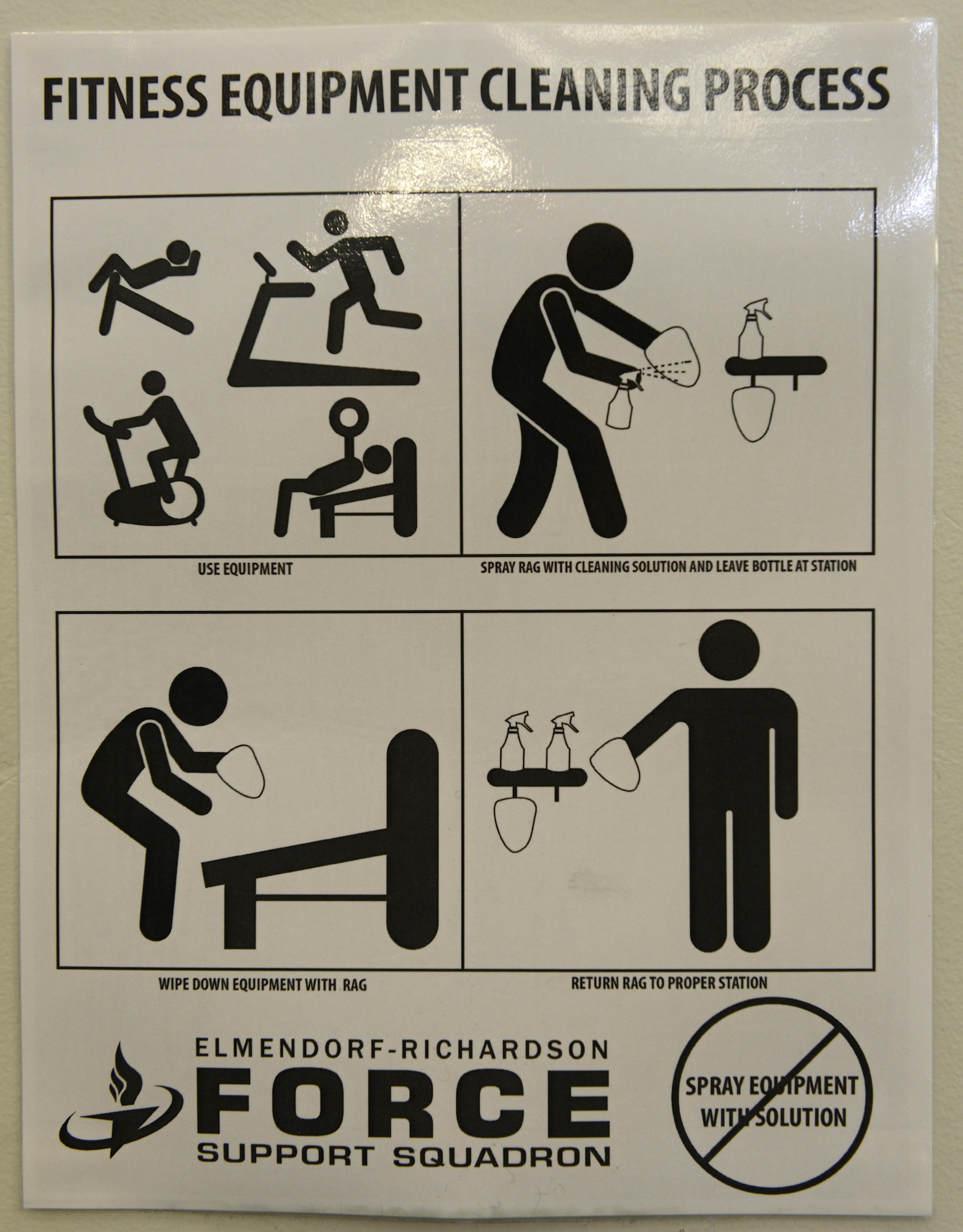
Image Source: media.defense.gov
The Big Need to Clean Exercise Equipment
Keeping your exercise equipment clean is super important. Why? Think about sweat, dirt, and oils from your skin. They get all over the places you touch.
- Stop Germs: Many people touch gym equipment. Even in a home gym, you bring germs from outside. These germs can make you sick. Cleaning helps stop the spread of things like colds, flu, and skin problems. Disinfect gym equipment regularly is a key step here.
- Make Equipment Last Longer: Sweat is salty. It can damage metal parts, padding, and electronics over time. Wiping down your gear after use helps protect it. Routine exercise equipment cleaning keeps your equipment in good shape.
- Keep Things Fresh: No one likes smelly, sticky equipment. Cleaning makes your workout space a nicer place to be.
- Feel Good: A clean workout area just feels better. It helps you focus on your exercise.
Preventing germs on exercise equipment is a main goal. Simple cleaning steps make a big difference.
Grasping Cleaning Basics
Before cleaning any equipment, know these simple rules:
- Unplug It: If it’s a machine with a plug (like a treadmill or bike), always unplug it before cleaning. Water and electricity do not mix safely.
- Use the Right Stuff: Don’t just grab any cleaner. Some cleaners can harm your equipment. Harsh chemicals can damage surfaces, screens, and padding.
- Wipe Gently: Don’t soak equipment with liquid. Use a damp cloth, not a dripping wet one. Too much water can hurt electronics or seep into padding.
- Wipe Down After Every Use: This is the easiest way to keep things clean. A quick wipe stops sweat from sitting on the surface.
- Read the Manual: Your equipment manual might have special cleaning instructions. Always check it first.
Knowing the best cleaner for exercise equipment depends on what you are cleaning. Often, a mild soap and water mix is good for general cleaning. For killing germs, you need something stronger.
Choosing Your Cleaning Helpers
You have many choices for cleaning supplies. Some are good for general wiping. Others are for killing germs.
- Soap and Water: A small amount of dish soap in water works well for removing dirt and sweat. Use a soft cloth. Make sure to wring out the cloth well so it’s just damp.
- Cleaning Wipes:
Cleaning gym equipment wipesare super handy for quick cleanups. Look for wipes made for gym equipment or general cleaning wipes that are safe for surfaces. Some wipes also disinfect. Read the label! - Spray Cleaners: You can use a spray bottle with your cleaner. Spray onto a cloth, not directly onto the equipment, especially near electronics.
- Disinfectant Sprays or Wipes: These are needed for
disinfecting gym equipment. They kill germs. Look for products that say “disinfectant” on the label. They usually need to stay wet on the surface for a certain time (check the label!) to kill germs. - Microfiber Cloths: These cloths pick up dirt and germs better than regular cloths. They are soft and won’t scratch surfaces.
- Rubbing Alcohol (Isopropyl Alcohol): A mix of 70% rubbing alcohol and 30% water can kill many germs. It dries fast. It’s good for non-porous surfaces like weights or machine handles. Test in a small spot first.
Table: Common Cleaning Supplies
| Supply Type | Best For | How to Use | Notes |
|---|---|---|---|
| Mild Soap & Water | General dirt/sweat removal | Mix a little soap in water, use damp cloth. | Safe for most surfaces, not a strong germ killer |
| Cleaning Wipes | Quick wiping, light soil | Wipe down surfaces after use. | Convenient, check if they also disinfect |
| Disinfectant Wipes | Killing germs | Wipe surface, let stay wet for time on label. | Important for stopping illness spread |
| Disinfectant Sprays | Killing germs, larger areas | Spray onto cloth, wipe surface, let sit. | Don’t spray directly on screens/electronics |
| Rubbing Alcohol (70%) | Hard surfaces, quick disinfection | Mix with water (70/30), apply with cloth. | Dries fast, can be harsh on some materials |
| Microfiber Cloths | Wiping, polishing | Use with cleaners or just to dry/clean. | Good for all surfaces, soft and effective |
When choosing the best cleaner for exercise equipment, think about the equipment material and what you need to clean (just sweat or sweat and germs).
Cleaning Specific Equipment Types
Different types of equipment need slightly different care.
Cleaning Cardio Machines
Treadmills, ellipticals, bikes, and rowers have many parts: screens, handles, seats, pedals, decks.
- Turn Off and Unplug: Always start here.
- Wipe Down Handles and Rails: These are high-touch spots. Use a disinfectant wipe or a cloth with disinfectant spray (sprayed onto the cloth first).
- Clean the Console/Screen: Use a slightly damp cloth (water only or a cleaner safe for electronics). Do not spray liquid directly onto the screen. Fingerprints and sweat can damage the screen over time. Some manufacturers sell special screen cleaners.
- Wipe Seats and Backrests: If your machine has a seat or back, wipe it down with a mild cleaner or disinfectant. Check the material – some need special care.
- Clean Pedals and Footrests: Wipe away dirt and sweat.
- Treadmill Deck: Wipe the sides and front. For the belt itself, usually, you just need to keep it free of dirt. Check your manual for belt cleaning – some need special sprays or no cleaning at all. Avoid getting liquids under the belt.
- Under the Machine: Dust and dirt collect here. Use a vacuum cleaner with a hose to clean under treadmills and other machines regularly.
Cleaning cardio machines takes a few minutes but keeps them running well and germ-free.
How to Clean Weight Equipment
Dumbbells, barbells, weight plates, kettlebells, weight machines – metal and padding are common here.
- Dumbbells, Barbells, Plates, Kettlebells: These get a lot of hand contact.
- Wipe them down with a disinfectant wipe or a cloth dampened with disinfectant spray or 70% rubbing alcohol mix.
- For metal weights, you can scrub stubborn dirt with a brush if needed, then wipe clean.
- Make sure they are dry before putting them away, especially metal, to prevent rust.
- Weight Machine Pads and Seats:
- Wipe down all padded areas with a mild cleaner or disinfectant.
- Check the material. Vinyl or leather-like pads are common. Avoid harsh chemicals that can dry out or crack the material. Many gyms use special vinyl cleaners.
- Make sure pads are dry before the next person uses them.
- Machine Handles and Adjustment Pins: Wipe all spots you touch to change weights or adjust the machine. Use a disinfectant.
How to clean weight equipment is mostly about wiping down the surfaces people touch and making sure metal parts stay dry to avoid rust.
Cleaning Resistance Bands
These are flexible and often made of rubber or latex. They can get sticky and dirty.
- Mild Soap and Water: The best way to clean resistance bands is usually with a small amount of mild soap and cool water.
- Gentle Wash: Fill a sink or basin. Add a tiny bit of mild soap. Swish the bands in the soapy water.
- Rinse Well: Rinse the bands completely under cool running water to get all the soap off. Soap residue can make them sticky or break down the material.
- Dry Fully: This is important. Hang the bands to air dry completely before storing them. Do not store them wet, as this can damage the material or cause mold.
- Avoid Heat and Sun: Don’t dry them in direct sunlight or with heat (like a hairdryer). This can weaken the rubber/latex.
- Avoid Harsh Chemicals: Never use strong cleaners, bleach, or petroleum-based products on resistance bands. They will ruin the material.
Cleaning resistance bands requires a gentle touch to protect the material.
Sanitizing Workout Gear
This includes smaller items like yoga mats, exercise balls, jump ropes, and weightlifting gloves. Sanitizing workout gear keeps all parts of your workout clean.
- Yoga Mats and Exercise Balls:
- Use a spray made for yoga mats or a mix of water with a little vinegar (maybe 1 part vinegar to 4 parts water) or mild soap.
- Spray the mat or ball, then wipe with a cloth.
- For deep cleaning, you can wash some mats in a tub with soap and water, but check the mat’s instructions.
- Hang mats to dry completely before rolling them up.
- Jump Ropes and Resistance Tubes with Handles: Wipe down the handles with a disinfectant wipe. For the rope/tube part, use a damp cloth with mild soap or water. Dry fully.
- Weightlifting Gloves/Straps: These soak up sweat. They need to be washed regularly, just like clothes. Check the tag for washing instructions. Usually, hand washing with soap and water and air drying is best.
- Foam Rollers: Wipe down with a disinfectant spray or wipe after use.
Making a Cleaning Plan
Routine exercise equipment cleaning is the best way to keep your gear in good shape and germ-free. Don’t wait until things look or smell bad.
After Every Workout: Quick Clean
This is the most important step for preventing germs on exercise equipment.
- Wipe down all surfaces you touched with a cleaning wipe or a cloth dampened with a mild cleaner or a basic disinfectant.
- Focus on handles, seats, backrests, screens, and adjustment points.
Weekly: Deeper Clean
Once a week, do a more thorough cleaning.
- Wipe down the entire machine frame, not just the touch points.
- Vacuum or sweep around and under equipment to remove dust and dirt.
- Clean the floor of your workout space.
- Clean any accessories like resistance bands, mats, or jump ropes.
Monthly or As Needed: Deep Dive
Every month or when you notice more build-up, do a deep clean.
- Check all parts of the equipment for dirt or sweat you missed.
- Clean weight plates and dumbbells more thoroughly if needed.
- For cardio machines, check areas that might collect dust, like motor covers (if easily accessed and safe).
- Check equipment for any maintenance needs while you are cleaning.
Table: Sample Cleaning Schedule
| How Often | What to Do | Purpose |
|---|---|---|
| After Each Use | Wipe down all touched surfaces (handles, seats, screens). | Stop sweat damage, prevent germs |
| Weekly | Wipe down frame, clean floor, clean accessories (mats, bands). | Remove general dirt, deeper clean |
| Monthly/As Needed | Inspect equipment, thorough wipe-down of all parts, check maintenance needs. | Deep cleaning, check health of equipment |
Following a schedule makes preventing germs on exercise equipment a habit.
Special Notes for Home Gym Cleaning Tips
Cleaning a home gym is different from a public gym. You are the only one using the equipment, or maybe your family uses it.
- Still Clean Regularly: Even if it’s just you, sweat and skin oils still build up. Germs can still come from your hands after touching things outside your gym.
Routine exercise equipment cleaningis still needed. - Choose Your Cleaners Wisely: Since it’s your space, you can choose cleaners you like. Consider natural options if you prefer, as long as they are effective for what you need (cleaning vs. disinfecting).
- Air Flow: Make sure your home gym space has good air flow. This helps reduce moisture and smells, which helps keep equipment cleaner longer. Open windows or use a fan.
- Floor Care: The floor in a home gym gets dirty with sweat and maybe dropped weights. Clean it as part of your routine. The type of flooring (rubber mats, carpet, wood) will affect how you clean it.
- Storage: Clean equipment before putting it away. Store smaller items like resistance bands and jump ropes neatly to keep them from getting dusty or damaged on the floor.
Using these home gym cleaning tips helps keep your personal workout space fresh and healthy.
Deciphering Cleaning, Sanitizing, and Disinfecting
These words sound similar, but they mean different things. Knowing the difference helps you choose the right cleaning steps for preventing germs on exercise equipment.
- Cleaning: This means removing dirt, dust, sweat, and grime from a surface. Soap and water is a cleaning method. Cleaning gets rid of visible mess. It removes some germs because they wash away with the dirt.
- Sanitizing: This means reducing the number of germs on a surface to a safe level, as judged by public health rules. Sanitizing kills most germs, but not all of them. It’s often done in places that handle food. Many cleaning wipes sanitize.
- Disinfecting: This means killing almost all germs, including bacteria, viruses, and fungi, on a surface. Disinfecting is needed to stop the spread of sickness. Products that disinfect often need to stay wet on the surface for a certain amount of time (like 3-10 minutes) to work fully.
Disinfect gym equipmentis important, especially in shared spaces or when someone has been sick.
For exercise equipment, you usually do both cleaning and either sanitizing or disinfecting. You clean away the sweat and dirt first. Then, you use a sanitizer or disinfectant to kill the germs left behind. Sanitizing workout gear like mats or gloves also helps reduce germs.
Best Practices for Preventing Germs
Beyond just wiping, some habits help with preventing germs on exercise equipment.
- Wash Your Hands: Wash your hands with soap and water for at least 20 seconds before and after your workout. This is a huge step in not spreading germs to or from the equipment.
- Use a Towel: Bring a towel to wipe sweat off yourself and the equipment as you go. This reduces the amount of sweat that soaks into surfaces.
- Cover Cuts: If you have a cut or scrape, cover it with a bandage. This protects the cut and prevents spreading any germs from it to the equipment.
- Don’t Go to a Shared Gym When Sick: If you feel sick, stay home. This is the best way to protect others from your germs.
- Follow Gym Rules: If you use a public gym, follow their cleaning rules. Most gyms provide cleaners and ask you to wipe down equipment after you use it.
These simple actions, along with routine exercise equipment cleaning, create a much cleaner workout space.
Maintaining Equipment Too
Cleaning is part of taking care of your equipment, but not the only part.
- Check for Wear and Tear: While cleaning, look for loose bolts, frayed cables, or torn padding. Fix small problems before they become big ones.
- Lubrication: Some machines, like treadmills, need their belts lubricated sometimes. Check your manual.
- Tighten Bolts: Equipment can loosen over time with use. Periodically check and tighten bolts and screws.
Keeping your equipment clean and well-maintained makes it last longer and work better.
Summing Up a Clean Workout Space
Keeping exercise equipment clean is vital for health, hygiene, and the life of your gear. By following simple steps like wiping down equipment after each use, using the right cleaners for different surfaces, and sticking to a cleaning schedule, you can greatly reduce germs and keep your workout space fresh.
Remember to tailor your cleaning to the type of equipment, whether it’s cleaning cardio machines, how to clean weight equipment, or cleaning resistance bands. Using cleaning gym equipment wipes or other suitable cleaners helps you do the job quickly and well. Making routine exercise equipment cleaning a habit is key to preventing germs on exercise equipment.
Investing a little time in cleaning goes a long way in making your workouts safer and more enjoyable.
Frequently Asked Questions (FAQ)
Q: Can I use regular household cleaner on my gym equipment?
A: It depends on the cleaner and the equipment. Harsh chemicals like bleach or ammonia can damage surfaces, padding, and electronics. Mild dish soap and water is usually safe for general cleaning. For disinfecting, look for products specifically for gym equipment or surfaces that can handle disinfectants. Always test a small, hidden area first.
Q: How often should I disinfect my home gym equipment?
A: If you are the only user, weekly disinfecting of high-touch areas is often enough after your daily wipe-down. If multiple people use the equipment, or if someone has been sick, disinfecting after each use is best for disinfecting gym equipment effectively.
Q: What is the difference between cleaning and disinfecting for gym equipment?
A: Cleaning removes visible dirt, sweat, and grime (like using soap and water). Disinfecting kills the germs left behind (like using a disinfectant spray or wipe). You usually clean first, then disinfect or sanitize to kill germs.
Q: Are cleaning gym equipment wipes effective?
A: Yes, many wipes are effective for both cleaning and sanitizing or disinfecting. Check the label to see what they do (clean, sanitize, disinfect) and what surfaces they are safe for. They are very convenient for quick wipe-downs after a workout.
Q: Can I use alcohol wipes on all surfaces?
A: Alcohol wipes (like 70% isopropyl alcohol) are good for hard, non-porous surfaces like metal weights or machine frames. They can kill many germs. However, alcohol can dry out or damage some materials like rubber, certain plastics, or padded surfaces over time. Test first and use carefully on sensitive parts like screens.
Q: How do I clean exercise mats and resistance bands?
A: For mats and bands, mild soap and cool water is often the safest and best method. Gently wash, rinse well, and hang or lay flat to air dry completely away from heat or sun. Avoid harsh chemicals which can damage these materials.
Q: Is there a best cleaner for exercise equipment that works for everything?
A: No single cleaner is perfect for every type of equipment and material. A mild soap and water solution is a safe general cleaner. For killing germs, a disinfectant specifically approved for killing viruses and bacteria on surfaces is needed. Some products are designed to be safe and effective on multiple gym surfaces, but always check labels and maybe the equipment manual.
Q: Why is sanitizing workout gear like gloves important?
A: Gear that directly touches your body and absorbs sweat, like gloves or straps, can hold a lot of germs. Sanitizing or washing these items regularly prevents skin issues and reduces the spread of germs.
By keeping your equipment clean, you make your workout time safer, more pleasant, and help your gear last longer.