
Cleaning your yoga mat naturally uses simple things you likely have at home, like water, vinegar, baking soda, and natural essential oils. These easy methods help keep your mat clean, fresh, and free from germs without using harsh chemicals. This is a good way to take care of your mat and yourself. Let’s look at simple, safe ways to make your yoga mat clean using natural items.
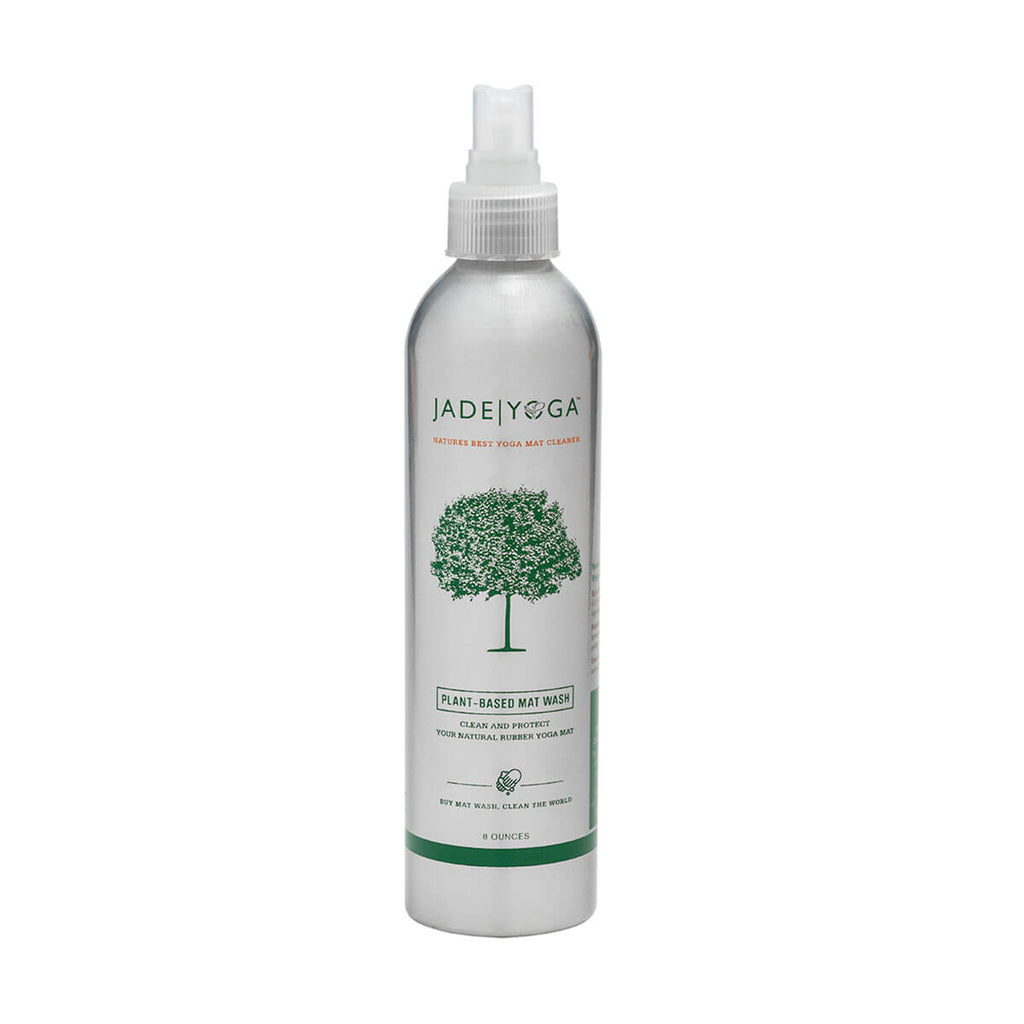
Image Source: jadeyoga.com
Why Use Natural Cleaning?
Taking care of your yoga mat is important. A dirty mat can hold sweat, dirt, and germs. Cleaning it helps it last longer and makes your practice nicer. Using natural cleaners has many good points:
- Better for You: No harsh chemicals mean no strong smells or skin irritation.
- Better for Your Mat: Natural cleaners are often gentler on mat materials. This helps your mat stay nice for a long time.
- Better for the Earth: Natural things break down easily and don’t harm the planet. This makes them an Eco friendly yoga mat cleaning solution.
- Save Money: You use cheap things you already own.
Many people look for a Homemade yoga mat cleaner. Making your own is simple. You control what goes in it. This means no hidden chemicals.
What You Need for Natural Cleaning
You don’t need special cleaners. Simple things work well.
- Water: The base of most natural cleaners. Use clean, filtered water if you can.
- White Vinegar: Great for cutting through grime and killing some germs. It helps with smells.
- Baking Soda: Good for scrubbing gently and soaking up bad smells. It’s a key part of a Vinegar baking soda yoga mat cleaner for tough jobs.
- Essential Oils: Add a nice smell. Some, like tea tree or lavender, have properties that help kill germs. This is Essential oil yoga mat cleaning. Make sure to use real essential oils.
- Spray Bottle: Handy for mixing and using liquid cleaners.
- Soft Cloths or Sponges: Microfiber cloths work well. They clean without scratching.
- Tub or Large Sink: For deeper cleaning methods.
Basic Ways to Clean Your Mat
There are a few simple methods you can use often.
h4 Simple Wipe Down
This is for quick cleaning after a light practice.
- Use a damp cloth.
- Wipe down the whole mat.
- Let it air dry fully before rolling it up.
This helps remove light sweat and dirt right away. It stops buildup.
h4 Using a Natural Spray
This is the most popular method for a regular clean. You make a cleaning mix in a spray bottle. This is your DIY natural yoga mat spray.
- Mix water and a natural cleaner in a spray bottle.
- Spray the mat lightly. Don’t make it too wet.
- Wipe the mat with a clean cloth.
- Let the mat air dry completely.
This method cleans well and helps kill some germs too.
h4 Deeper Cleaning
Sometimes your mat needs more. Maybe it smells bad or has marks.
- Washing in a Tub: Some mats can be washed gently in a tub with water and a little natural soap. Check your mat type first. This can help with Cleaning porous yoga mat naturally or Cleaning rubber yoga mat naturally depending on the material.
- Using a Paste: For spots or smells, a baking soda paste works well.
Deeper cleaning takes more time. Your mat needs to dry fully after.
Making Natural Cleaning Sprays
Here are simple recipes for making your own cleaner. These are Homemade yoga mat cleaner recipes.
h5 Simple Vinegar and Water Spray
This is easy and works well for everyday cleaning and killing germs naturally.
- What you need:
- Spray bottle
- White vinegar
- Water
- How to mix:
- Mix equal parts white vinegar and water in the spray bottle.
- For example, use 1 cup water and 1 cup vinegar.
- How to use:
- Spray lightly over the mat.
- Wipe with a clean cloth.
- Let air dry.
The vinegar smell goes away as the mat dries. This mix is a good Natural yoga mat disinfectant spray.
h5 Adding Essential Oils
You can add nice smells and germ-fighting power with essential oils. This is Essential oil yoga mat cleaning.
- What you need:
- Simple Vinegar and Water Spray (from above) OR just water
- Pure essential oils (like tea tree, lavender, lemon)
- How to mix:
- For every 1 cup of liquid (vinegar mix or water), add 5-10 drops of essential oil.
- Tea tree oil is good for germs. Lavender or lemon add nice smells.
- If using only water, add a tiny drop of mild liquid soap (like castile soap) to help the oil mix with the water. Just one drop!
- How to use:
- Shake the bottle well before each use. Oil and water can separate.
- Spray lightly on the mat.
- Wipe clean.
- Let air dry.
Be careful with essential oils on some mat types, especially natural rubber. Always test a small spot first. Use only a few drops. Too much can hurt the mat. This mix is another good Natural yoga mat disinfectant spray.
h5 Vinegar and Baking Soda Mix for Tough Stuff
This mix is great for bad smells or sticky dirt. It’s a Vinegar baking soda yoga mat cleaner. It’s also one of the best Natural ways to clean yoga mat odor.
- What you need:
- Baking soda
- White vinegar
- Water
- Bowl (for paste) OR spray bottle (for liquid)
- How to mix (Paste for spots/smells):
- Mix baking soda with a little water in a bowl to make a thick paste.
- For smells, you can also sprinkle dry baking soda on the mat.
- How to mix (Liquid for general cleaning):
- Mix equal parts water and vinegar in a spray bottle.
- Do not mix baking soda and vinegar in a closed bottle! It makes a gas.
- You use the baking soda paste or sprinkle separately from the liquid spray.
- How to use (Paste):
- Apply the baking soda paste to dirty or smelly spots.
- Let it sit for 10-15 minutes.
- Gently rub with a damp cloth or soft brush.
- Wipe clean with a wet cloth to remove all paste.
- Dry thoroughly.
- How to use (Sprinkle for odor):
- Sprinkle baking soda evenly over the mat.
- Let it sit for several hours, maybe overnight.
- Shake or vacuum off the baking soda.
Using baking soda is a powerful way to get rid of smells naturally.
Step-by-Step Guide to Cleaning Your Mat
Here is a general way to clean your mat using natural methods. You can adjust it based on how dirty your mat is and what material it is made from.
h4 Getting Ready
- Lay your mat out flat.
- Get your cleaning supplies ready: Your chosen natural cleaner (spray or paste), clean cloths.
- If cleaning in a tub, fill it with warm water.
h4 Applying the Cleaner
- For Spray Cleaners:
- Shake your spray bottle.
- Spray a fine mist over the mat. Don’t soak it.
- Focus on areas that touch your hands and feet most.
- For Baking Soda Paste:
- Apply the paste to dirty spots or areas that smell.
- Spread it gently.
h4 Wiping the Mat
- Use a clean, damp cloth (not dripping wet).
- Wipe down the mat surface. Work in sections.
- Gently rub areas with more dirt or sweat.
- Use a second clean, damp cloth if needed to remove any leftover cleaner.
h4 Rinsing (If Needed)
Most spray cleaners don’t need rinsing if used lightly.
- If you used a paste or natural soap in a tub:
- Wipe down the mat with a cloth soaked in clean water.
- Or, rinse the mat gently in a tub of clean water.
- Be sure all cleaner or paste is gone. Leftover cleaner can make the mat slippery or sticky.
h4 Drying the Mat
This is a very important step.
- Wipe off as much water as you can with a dry towel.
- Hang your mat up to dry completely. Use a shower rod or clothesline.
- Make sure air can get to both sides.
- Keep it out of direct sunlight and away from heaters. Heat and sun can damage some mat types, like rubber.
- Let it hang until it is totally dry. This can take several hours.
- Do not roll up a damp mat. It can grow mold and smell bad.
Cleaning Different Mat Materials Naturally
Yoga mats are made from different materials. How you clean them naturally can change a little based on the material. This helps you with Cleaning porous yoga mat naturally and Cleaning rubber yoga mat naturally.
h4 PVC Mats
- Most common and durable.
- Less porous (doesn’t soak up liquids easily).
- How to clean: Can handle most natural sprays well. Vinegar and water sprays are fine. Essential oils are usually okay, but test first.
- Deeper clean: Can often be wiped down or even gently rinsed in a tub.
- Things to note: May feel a bit slippery right after cleaning until fully dry.
h4 TPE Mats (Thermo Plastic Elastomer)
- Lighter and more eco-friendly than PVC.
- Can be more porous or delicate than PVC.
- How to clean: Use natural sprays (vinegar/water, water/essential oil). Use less spray than on PVC. Wipe gently. Avoid soaking.
- Deeper clean: Wipe only. Do not put in a washing machine or soak.
- Things to note: Can break down with too much liquid, heat, or harsh rubbing. Gentle is best.
h4 Natural Rubber Mats
- Eco-friendly and offer good grip.
- Very porous and can soak up liquids easily.
- Sensitive to sunlight, heat, and some oils.
- How to clean: Use a simple mix of water with maybe just one drop of very mild soap (like castile soap). Vinegar can break down rubber over time, so use it rarely or in a very weak mix (more water than vinegar). Essential oils can also damage rubber; avoid them or use with extreme care and test first. Wipe gently.
- Deeper clean: Wipe only. Do not soak or put in a machine.
- This is specific for Cleaning rubber yoga mat naturally.
- Things to note: Takes longer to dry because it’s porous. Needs to be fully dry before rolling up.
h4 Cork Mats
- Naturally good at stopping germs and smells.
- Porous material layered on rubber or TPE.
- How to clean: Cork cleans itself pretty well. Usually, just a wipe down with water is enough. A very weak vinegar/water spray is okay for deeper clean, but use sparingly. Do not use baking soda paste on the cork surface; it can damage it. Avoid soaking the cork layer.
- This is key for Cleaning porous yoga mat naturally.
- Deeper clean: Wipe with a damp cloth.
- Things to note: Dries quickly. Do not roll up cork mats when wet; lay them flat to dry.
h4 Cotton or Jute Mats (often called ‘rugs’)
- Natural fibers. Can be more like a thick fabric.
- Very porous.
- How to clean: Check the label! Some can be machine washed on a gentle cycle with natural detergent. Others need hand washing. Air dry fully.
- This is another type covered by Cleaning porous yoga mat naturally.
- Deeper clean: Machine or hand wash if allowed.
- Things to note: Take a long time to dry. Make sure they are completely dry before storing.
Tackling Common Yoga Mat Problems Naturally
Natural methods are great for fixing specific problems.
h4 Getting Rid of Bad Smells
Smelly mats happen from sweat and germs. Natural ways work well for Natural ways to clean yoga mat odor.
- Vinegar Spray: As mentioned, the vinegar/water spray helps kill the germs that cause smells. The vinegar smell goes away as it dries.
- Baking Soda: This is excellent for smells.
- Sprinkle dry baking soda all over the mat.
- Leave it for several hours or overnight.
- Brush or vacuum it off. The baking soda soaks up the smell. This is part of the Vinegar baking soda yoga mat cleaner approach (using them separately).
- Air It Out: Often, just letting your mat air out well after each use stops smells before they start.
h4 Natural Disinfecting
You can kill germs naturally. How to disinfect yoga mat naturally is possible with common items.
- Vinegar: White vinegar kills many types of bacteria and viruses. The equal parts vinegar/water spray works as a Natural yoga mat disinfectant spray.
- Tea Tree Essential Oil: This oil is known for fighting germs. Add a few drops to your water or weak vinegar spray (test on mat first, especially rubber). Remember, this is part of Essential oil yoga mat cleaning.
Using these regularly helps keep your mat clean from invisible germs.
h4 Cleaning Off Sweat Marks or Stains
Sometimes sweat or dirt leaves marks.
- Baking Soda Paste: Mix baking soda with a little water to make a paste. Gently rub it on the stain with a soft cloth. Let it sit, then wipe clean. This is useful with the Vinegar baking soda yoga mat cleaner concept, focusing on the baking soda part for stains.
- Mild Soap and Water: For some mats (like PVC), a tiny bit of very mild, natural liquid soap in water can help lift stains. Use just one drop of soap per cup of water. Wipe clean, then wipe again with just water to remove soap.
Always test stain removal methods on a small, hidden spot first.
Drying Your Mat Properly
Getting your mat completely dry after cleaning is just as important as cleaning it.
- Wipe Dry First: Use a clean, dry towel to wipe off as much water as you can from both sides.
- Hang It Up: Hang the mat somewhere where air can get to it freely. A shower rod or outdoor line on a non-sunny day is perfect.
- Allow Time: Let it hang for several hours or until it feels bone dry.
- Avoid Direct Heat/Sun: Don’t put it in direct sunlight or near a radiator or heater. This can damage the mat material, especially rubber and TPE.
- The Risk of Damp: Rolling up a mat that is even a little damp can lead to mold, mildew, and bad smells. This makes your efforts in Natural ways to clean yoga mat odor useless if the mat isn’t dried right.
Proper drying makes sure your mat is fresh and lasts a long time.
Taking Care Between Cleanings
Simple habits keep your mat cleaner longer.
- Wipe After Each Use: A quick wipe down with a damp cloth (or your natural spray) after each practice takes seconds but makes a big difference.
- Air It Out: Don’t roll up your mat right after practice. Let it air out for a bit to let sweat dry.
- Clean Hands and Feet: Start your practice with clean hands and feet to avoid transferring dirt.
- Use a Yoga Towel: Laying a yoga towel over your mat during practice can soak up sweat and keep the mat cleaner. This reduces how often you need to do a deep clean.
Storing Your Clean Mat
Where and how you store your mat matters.
- Roll it Up: Once completely dry, roll your mat up with the clean side out. This protects the top surface.
- Cool, Dry Place: Store it away from direct sunlight, heat, and moisture. A closet or corner of a room is fine.
- Avoid Tight Spaces: Don’t store it in a place where it gets crushed or bent.
When It’s Time for a New Mat
Even with great care and Eco friendly yoga mat cleaning solutions, mats don’t last forever. Here are signs it might be time for a new one:
- It’s Falling Apart: Cracks, tears, or pieces breaking off.
- The Grip is Gone: If you’re slipping a lot and cleaning doesn’t help.
- Bad Smells Won’t Leave: If even deep cleaning and baking soda don’t remove the odor.
- It Looks Bad: Stains that won’t come out, faded colors.
If your mat is worn out, think about replacing it with an eco-friendly option like natural rubber or cork.
Summary of Natural Cleaning Methods
Here is a quick look at the natural cleaners discussed:
| Cleaner Type | Ingredients | Best For | Notes |
|---|---|---|---|
| Simple Wipe | Water | Quick clean after light use | Needs no special mix. |
| Basic Spray | Water + White Vinegar (equal parts) | Regular cleaning, light disinfecting | Vinegar smell fades. Avoid on sensitive rubber mats often. |
| Spray with Oils | Water (or weak vinegar) + Essential Oils | Adding scent, mild disinfecting | Test oils first. Use few drops. Be careful on rubber. |
| Baking Soda Paste | Baking Soda + Water | Spot cleaning, removing tough marks/smells | Rub gently. Rinse completely. |
| Dry Baking Soda | Baking Soda | Removing odors | Sprinkle, let sit, brush off. Good for Natural ways to clean yoga mat odor. |
| Mild Soap Water | Water + 1 drop Natural Liquid Soap (Castile) | Gentle cleaning for certain mat types | Use very little soap. Rinse well. |
Using these simple, natural methods keeps your mat clean and nice for your practice. They are safe for you, your mat, and the environment.
FAQ: Questions About Natural Yoga Mat Cleaning
Here are answers to common questions people ask about cleaning yoga mats with natural things.
h5 How often should I clean my yoga mat?
It depends on how often you use it and how much you sweat.
* After every sweaty practice: Give it a quick wipe down and let it air dry.
* After every few light practices: Use your natural spray cleaner.
* Monthly or as needed: A deeper clean if it starts to look dirty or smell.
If you use a mat shared by others (like at a studio), clean it before and after every use.
h5 Can I use essential oils on any yoga mat?
No. Be careful with essential oils.
* They are usually fine on PVC mats.
* Use them sparingly and diluted on TPE mats.
* Avoid or use with extreme caution and test first on natural rubber mats. Oils can break down rubber.
* Avoid on cork or fabric surfaces unless the mat maker says it’s okay.
Always test a tiny spot first to see how the mat reacts.
h5 Will vinegar damage my yoga mat?
- Vinegar is fine for most PVC mats.
- It can potentially break down natural rubber over time. If you have a rubber mat, use vinegar rarely and use a very weak mix (much more water than vinegar).
- It’s generally okay for TPE and cork if diluted and used sparingly.
Water is always the safest base for any mat material.
h5 Can I put my yoga mat in the washing machine?
Most yoga mats (PVC, TPE, Rubber, Cork) should not go in a washing machine. It can damage the material and backing. Some cotton or jute yoga rugs or mat towels can be machine washed, but check the label.
h5 My mat still smells after cleaning. What can I do?
- Make sure it dried completely after cleaning. Dampness causes smells.
- Try the dry baking soda method. Sprinkle baking soda, let it sit overnight or longer, then brush/vacuum it off. This is very effective for odor. This is part of the Natural ways to clean yoga mat odor.
- Use a vinegar and water spray regularly (if your mat material is okay with vinegar) as it kills odor-causing germs.
- If smells still don’t go away after trying these methods, the smell might be deep in the mat, and it could be time to consider replacing it.
h5 Is castile soap safe for yoga mats?
A tiny drop of mild, pure castile soap diluted in a lot of water is often safe for wiping down mats like PVC or TPE. Use very little soap (like 1 drop per cup of water). Too much soap can leave a slippery residue. Always wipe off soap residue with a clean, damp cloth afterward and dry fully. Avoid soap on porous cork surfaces.
h5 How does cleaning porous yoga mat naturally differ from cleaning non-porous ones?
- Porous mats (like natural rubber, cork, fabric) soak up liquid more easily.
- Use less liquid when cleaning. Avoid spraying too much or soaking.
- They take longer to dry and must be fully dry to avoid mold/mildew.
- They can be more sensitive to certain cleaners (like strong vinegar or oils on rubber).
- Non-porous mats (like PVC) are more water-resistant.
- They can handle more liquid spray.
- They dry faster.
- They are often more durable and less sensitive to different natural cleaners.
This highlights why Cleaning porous yoga mat naturally needs a gentler touch and less liquid than cleaning a non-porous PVC mat.
Using simple, natural ways to clean your yoga mat is good for your health, your mat, and the planet. Give these easy methods a try to keep your practice space fresh and clean.