
Do you want to disable the touchscreen on your Lenovo Yoga laptop? Yes, you can easily turn off the touch function. The simplest way is to use a built-in Windows tool called Device Manager. This lets you disable touchscreen on Lenovo Yoga laptop quickly. This guide will show you exactly how to do it. It works for both Windows 10 and Turn off touch screen Windows 11 Yoga models.
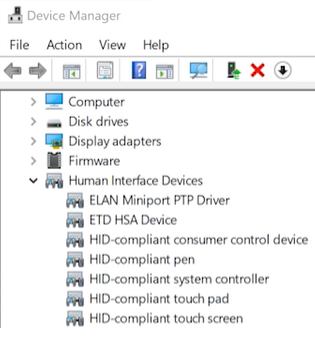
Image Source: download.lenovo.com
Why Turn Off the Touch Screen?
Many people like the touchscreen on their Yoga laptop. But sometimes, you may want to turn it off. Why?
Preventing Accidental Touches
Your hand might brush the screen while you type. This can move the cursor or click something you didn’t mean to. It’s a common reason to prevent accidental touch Yoga laptop use. If you use a mouse and keyboard, the touchscreen might get in the way.
Saving Battery Power
The touchscreen uses a little power. Turning it off can help your battery last longer. This is helpful when you are not near a power outlet.
Using an External Monitor
When your laptop is connected to a bigger screen, you might close the laptop lid. Or you just use the external screen. The laptop screen’s touch function is not needed then.
Solving Problems
Sometimes, the touchscreen might act strange. It might click on its own or not work right. Disabling it can help you see if the screen is the problem. This is part of solving Lenovo Yoga touchscreen problems disable needs.
How to Disable the Touch Screen
The main way to disable the touchscreen on your Yoga laptop is through Device Manager. This is a part of Windows that lists all the hardware in your computer. You can turn parts on or off here.
Navigating to Device Manager
First, you need to open Device Manager. There are a few simple ways to do this.
Using the Search Bar
This is a very easy way.
- Click on the search icon or bar next to the Start button. It looks like a magnifying glass.
- Type “Device Manager”.
- You will see “Device Manager” in the list of results.
- Click on it to open the window.
Using the Run Command
Another way is using the Run box.
- Press the Windows key and the R key at the same time. This opens the Run box.
- In the box, type
devmgmt.msc. - Press Enter or click OK.
- The Device Manager window will open.
Using the Start Button Right-Click Menu
This is a quick way for many users.
- Right-click on the Start button (the Windows logo in the corner).
- A menu will pop up.
- Find “Device Manager” in the list.
- Click on it.
- The Device Manager window will open.
Once you have Device Manager open, you will see a list of different types of hardware.
Locating the Touch Screen Device
Inside Device Manager, you need to find the entry for the touch screen. Touch screens are listed under a specific category.
Finding Human Interface Devices
Look for a category called “Human Interface Devices”. This section lists things you use to interact with your computer. It includes things like your keyboard, mouse, and yes, the touch screen.
- Click the arrow next to “Human Interface Devices” to expand the list.
Identifying the Touch Screen
Now you see a list of devices under “Human Interface Devices”. Many items might look similar. You are looking for one that says “HID-compliant touch screen”.
- Scroll down the list until you see “HID-compliant touch screen”.
- There might be more than one entry that looks similar. Often, the touch screen is clearly labeled “HID-compliant touch screen”.
- This is the device you need to turn off.
This entry is often called “HID-compliant touch screen disable Yoga” when people search for it. It means the part of the touch screen that follows the HID standard. HID stands for Human Interface Device. It’s a standard way for different devices to talk to the computer. The touch screen uses this standard. So, when you disable human interface devices touch screen entry, you are turning off the touch function.
Performing the Disable Action
Now that you have found “HID-compliant touch screen”, you can turn it off.
Steps to Disable
- Right-click on “HID-compliant touch screen”.
- A small menu will appear.
- Look for the option that says “Disable device”.
- Click on “Disable device”.
Confirming the Action
Windows will ask you if you are sure you want to disable it.
- A box will pop up saying something like: “Disabling this device will cause it to stop functioning. Do you really want to disable it?”
- Click “Yes”.
The “HID-compliant touch screen” entry will now have a small arrow pointing down on its icon. This means the device is turned off. The touch screen on your Yoga laptop should stop working right away.
You have now completed the process to turn off touch screen via Device Manager. This is how you disable touchscreen on your Lenovo Yoga laptop.
Checking if the Touch Screen is Off
After following the steps, touch your laptop screen. It should not respond to your touch. You will need to use your touchpad or an external mouse and keyboard to control the computer. This confirms you have successfully turned off touch screen via Device Manager.
Re-enabling the Touch Screen
What if you want the touch function back? You can easily turn it on again using the same steps in Device Manager.
Steps to Re-enable
- Open Device Manager again using any of the methods described before (Search, Run, Start button right-click).
- Expand “Human Interface Devices”.
- Find “HID-compliant touch screen”.
- Right-click on “HID-compliant touch screen”.
- This time, the menu will show “Enable device”.
- Click on “Enable device”.
The touch screen should start working again immediately. The down arrow icon on the device in Device Manager will disappear.
Yoga Laptop Disable Touch Input Windows 10 vs Windows 11
The steps to disable the touch screen are the same in Windows 10 and Windows 11. Device Manager works the same way in both versions of Windows. So whether you are using Yoga laptop disable touch input Windows 10 or Turn off touch screen Windows 11 Yoga, the process is identical. You still find “HID-compliant touch screen” under “Human Interface Devices” and disable it there.
Is Disabling Permanent?
When you disable the device in Device Manager, is it Yoga laptop permanently disable touch screen? No, not really. It is turned off until you enable it again. It will stay off even if you restart your laptop. It will stay off if you turn your laptop off and on.
The setting saves until you change it back. So it is ‘permanently’ off in that sense, until you decide to turn it back on. You can easily re-enable it anytime you want.
True permanent disabling would need changes to the computer’s hardware or the basic settings the computer uses when it starts (BIOS). But for the touch screen, using Device Manager is the standard and recommended way. It gives you control to turn it on or off as you need.
Troubleshooting
What if you disable “HID-compliant touch screen” but the touch screen still works?
Check the Right Device
Make sure you disabled the correct entry. Sometimes there might be more than one entry with a similar name. Look for the one that specifically says “touch screen”.
Restart Your Laptop
Sometimes, disabling a device needs a computer restart to fully take effect.
- Disable the device in Device Manager.
- Close Device Manager.
- Restart your Yoga laptop.
- Check the touch screen after the laptop turns back on.
Check for Other Touch Entries
Rarely, the touch screen might be listed under a slightly different name or in a different section.
- Look through “Human Interface Devices” again carefully.
- Look in “Mice and other pointing devices”. Though touch screens are usually under HID, it’s worth a quick look if the usual method failed.
If you are having Lenovo Yoga touchscreen problems disable issues, meaning you disabled it but it still works or causes issues, this might mean the problem is deeper. But for simply turning off the touch function, Device Manager is almost always the right place.
Benefits of Turning Off Touch
Let’s look more at why turning off the touch screen can be good.
Better Typing Experience
If you rest your hands on the laptop base to type, you might accidentally touch the screen above the keyboard. This happens often. Turning off the touch screen stops these accidental touches. You can type without worrying about the cursor jumping around. This makes typing smoother and faster. It really helps prevent accidental touch Yoga laptop users face.
Cleaner Screen
When you use the touch screen often, it gets fingerprints and smudges. Turning off the touch screen means you won’t be touching it. This keeps your screen cleaner for longer. A clean screen is easier to see.
Using with a Pen
Some Yoga models work with a stylus pen. If you use a pen for drawing or writing on the screen, you might still want touch off. This prevents your hand resting on the screen from making marks while you draw. The pen input still works, but your palm resting on the screen does not. This is called palm rejection. While some pens have good palm rejection, turning off the touch screen ensures no accidental marks from your hand at all.
Using as a Regular Laptop
Sometimes you just want your Yoga to act like a standard laptop with a keyboard and touchpad. Turning off the touch screen simplifies the interaction. You use the keyboard and mouse, like on any desktop computer or traditional laptop. This is a personal preference for many users.
Troubleshooting Touch Screen Issues
If your touch screen is not working right – maybe it’s too sensitive, not sensitive enough, or making phantom touches – disabling it is a key step in fixing the problem.
- First, disable the touch screen using Device Manager.
- See if the computer acts normally with touch off.
- If it does, the problem is definitely with the touch screen hardware or its driver (the software that makes it work).
- Then you can try enabling it again. If problems return, you know the screen needs attention.
- You might try updating or reinstalling the driver for “HID-compliant touch screen”. You can do this from the same right-click menu in Device Manager. Select “Update driver”.
This method helps diagnose Lenovo Yoga touchscreen problems disable needs.
Getting More Detail on HID
Let’s grasp the idea of “HID-compliant touch screen” a little more.
HID stands for Human Interface Device. Think of it as a standard language. It allows different input devices like keyboards, mice, game controllers, and touch screens to connect to a computer and work without needing special software for each one.
When Windows says a device is “HID-compliant”, it means the device speaks this standard language. The computer understands this language.
So, the “HID-compliant touch screen” entry in Device Manager is the software representation of your touch screen hardware using this standard language. Turning it off tells Windows to stop listening to the touch data coming from the screen hardware. This is why disabling this specific entry stops the touch function.
It’s not the raw hardware itself you are turning off, but the way Windows interacts with it. This is why it’s safe to disable and re-enable through Device Manager. You are not hurting the hardware. You are just telling the operating system to ignore its input.
Disabling human interface devices touch screen entries selectively is a powerful way to control how you interact with your computer. You can disable a mouse, a keyboard (if you have others), or the touch screen.
Step-by-Step Summary
Here is a quick list of the main steps to disable the touch screen on your Yoga laptop in Windows 10 or 11:
- Open Device Manager.
- Search for “Device Manager” in the Windows search bar.
- OR Press Windows + R, type
devmgmt.msc, and hit Enter. - OR Right-click the Start button and choose “Device Manager”.
- In the Device Manager window, find “Human Interface Devices”.
- Click the arrow next to it to see the list inside.
- Find “HID-compliant touch screen” in the list.
- Right-click on “HID-compliant touch screen”.
- Click “Disable device”.
- Click “Yes” when Windows asks if you are sure.
Your touch screen is now disabled.
To turn it back on, follow the same steps but click “Enable device” in step 6.
Thinking About Other Methods
Are there other ways to turn off the touch screen? For most users, Device Manager is the only practical and recommended way.
- Software: There isn’t a standard Lenovo or Windows app just for turning the touch screen on or off with a button. Some custom tools might exist, but using a built-in Windows feature like Device Manager is best.
- BIOS/UEFI: The computer’s basic settings (BIOS or UEFI) control hardware before Windows starts. Some laptops let you disable certain devices here. However, it is very rare for the touch screen to have a setting in the BIOS. Device Manager is the typical control point.
- Physical Switch: Some older or different types of devices might have a physical switch to turn things like wireless on or off. Laptops generally do not have a physical switch for the touch screen.
So, Device Manager is truly the main method. This is why “Turn off touch screen via Device Manager” is the key action.
Making it Simple
Let’s simplify the process even more for clarity.
Think of your computer having different parts. Device Manager is like a list of these parts.
Your touch screen is one of these parts. It’s in the “Human Interface Devices” group, because it’s how a human (you!) gives input. Its name on the list is usually “HID-compliant touch screen”.
To turn it off, you find its name on the list. You right-click on the name. You tell the computer to “Disable” that part. The computer asks if you are sure, and you say “Yes”.
That’s it. You’ve told the computer to ignore input from the touch screen part.
To turn it back on, you find its name again. You right-click. You tell the computer to “Enable” that part.
This simple action lets you easily manage the touch function on your Lenovo Yoga laptop. Whether you are using it as a tablet, a regular laptop, or troubleshooting, you have control.
This method works perfectly for Yoga laptop permanently disable touch screen requests, as it keeps the touch off until you decide otherwise. It addresses how to disable touch on Lenovo Yoga models effectively. It’s the standard answer for how to disable touchscreen on Lenovo Yoga laptop models running Windows.
Considering Different Yoga Models
Lenovo makes many Yoga laptop models. They come in different sizes and with different features. However, the way Windows manages hardware is standard across all models.
This means the steps to disable the touch screen using Device Manager are the same whether you have a Yoga 7i, Yoga 9i, Yoga C940, Yoga Slim, or any other model. As long as it runs Windows 10 or Windows 11 and has a touch screen, you will find the “HID-compliant touch screen” entry in Device Manager.
The hardware might be slightly different inside, but Windows lists and controls it in the same standard way through the HID interface. So, the guide works for your specific Yoga model.
Summary Table of Steps
Here is a quick look at the steps:
| Step | Action | Details |
|---|---|---|
| 1 | Open Device Manager | Search, Run, or Right-click Start button |
| 2 | Find Category | Look for “Human Interface Devices” |
| 3 | Expand Category | Click the arrow next to the name |
| 4 | Find Device | Look for “HID-compliant touch screen” |
| 5 | Right-Click Device | Click the right mouse button on the name |
| 6 | Choose Action | Click “Disable device” |
| 7 | Confirm | Click “Yes” when asked |
| 8 | (Optional) Test | Touch the screen to confirm it is off |
To turn it back on, repeat steps 1-5, then choose “Enable device” in step 6.
This table gives a quick overview of the process for how to disable touchscreen on Lenovo Yoga laptop.
Final Thoughts on Using Your Yoga
Your Lenovo Yoga is a versatile computer. It can be a laptop, a tablet, or something in between. The touchscreen is a big part of its tablet mode. But it’s good to know you have the choice to turn it off when you don’t need it.
Using Device Manager is the proper Windows way to manage hardware. It’s safe, easy, and reversible. You are not installing extra software or making risky changes. You are simply telling Windows how to use the hardware already there.
Whether you need to disable touchscreen on Lenovo Yoga laptop for better typing, longer battery life, cleaner screen, or to fix a problem, Device Manager is the tool to use. Remember the term “HID-compliant touch screen disable Yoga” refers to this process. You are disabling the human interface devices touch screen entry for your specific Yoga model.
This guide should help you confidently turn off the touch screen on your Yoga laptop running Windows 10 or Windows 11 whenever you choose.
Frequently Asked Questions (FAQ)
Q: Can I disable the touchscreen on my Lenovo Yoga laptop?
A: Yes, absolutely. You can easily turn off the touchscreen using Windows Device Manager.
Q: How do I disable the touchscreen on my Yoga laptop?
A: You open Device Manager, find “Human Interface Devices”, locate “HID-compliant touch screen”, right-click it, and choose “Disable device”.
Q: Will disabling the touchscreen affect other functions?
A: No. Disabling the “HID-compliant touch screen” only turns off the touch input on the screen itself. Your keyboard, touchpad, and external mouse will still work normally.
Q: Is disabling the touchscreen permanent?
A: It stays off until you turn it back on. It will remain disabled even after you restart your laptop. You can easily re-enable it anytime through Device Manager. It is not a physical permanent change.
Q: The steps mention “HID-compliant touch screen”. What does HID mean?
A: HID stands for Human Interface Device. It is a standard that lets devices like touch screens, keyboards, and mice work with the computer using a common language. “HID-compliant touch screen” is the computer’s name for the touch screen hardware interface that follows this standard.
Q: I disabled the touch screen, but it still works. What is wrong?
A: Make sure you disabled the correct device, “HID-compliant touch screen”. Sometimes restarting your laptop after disabling can help. If it still does not work, there might be a deeper software or hardware issue, but disabling in Device Manager is the standard method.
Q: Will this work on Windows 11?
A: Yes, the steps using Device Manager are the same for disabling the touch screen on Lenovo Yoga laptops running Windows 10 or Windows 11.
Q: Can disabling the touch screen save battery life?
A: Yes, disabling the touch screen can save a small amount of battery power as the hardware uses some energy when active.
Q: Is there a physical switch to turn off the touch screen on my Yoga?
A: No, Yoga laptops typically do not have a physical switch for the touch screen. The control is done through Windows settings like Device Manager.
Q: How do I turn the touch screen back on after disabling it?
A: Go back to Device Manager, find “Human Interface Devices”, right-click on “HID-compliant touch screen”, and select “Enable device”.
By following these steps, you gain full control over the touch functionality of your Lenovo Yoga laptop, tailoring it to your specific needs at any given time.