
Starting yoga at home is easy. You can do yoga right where you live. You don’t need much to begin. This guide will show you simple steps for starting yoga at home today. You can learn how to do yoga at home even if you have never tried it before.
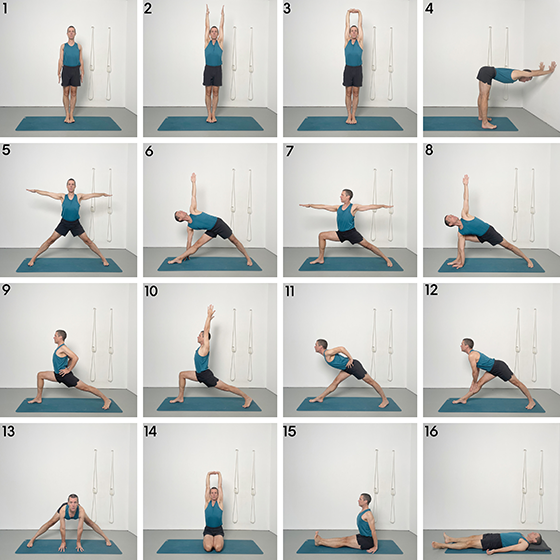
Image Source: yogaselection.com
Why Do Yoga at Home?
Doing yoga at home is a great choice. It has many good points.
- You save time. You do not need to travel to a studio. Just step onto your mat.
- It is private. You can try new things without feeling watched.
- You save money. Many online options are free or cheaper than classes.
- You make your own schedule. Do yoga any time that works for you. Morning, noon, or night.
- You control the space. Make your area calm and nice for you.
These are just some of the benefits of home yoga. It makes starting simple and stress-free.
Getting Ready to Start
You don’t need a lot of fancy things. Let’s look at what helps when starting yoga at home.
Yoga Equipment for Home
You can start with almost nothing. But some items make it better.
- A Yoga Mat: This is the most useful item. A yoga mat for home gives you a soft spot. It stops your hands and feet from slipping. It marks your space.
- Comfy Clothes: Wear clothes you can move in. Stretchy pants and a t-shirt are fine.
- Props (Optional): Things like blocks or straps can help. They make some poses easier. You don’t need them at first. Books or pillows can work like blocks. A belt can work like a strap.
That’s really all you need to begin. A yoga mat for home is the main item to get.
Setting Up Your Space
Having a good spot helps you focus. Here are some home yoga practice tips.
- Find a Quiet Corner: Look for a place where you won’t be bothered.
- Make Room: Clear some space for your mat. Make sure you can stretch your arms and legs out.
- Fresh Air: Open a window if you can. Good air feels nice when you breathe deep.
- Nice Temperature: Don’t be too hot or too cold.
- Soft Light: Bright lights can be harsh. Try softer light or daylight.
- Clean Space: A tidy spot helps calm your mind.
Your space does not need to be big. Just a small area that feels good to you. These home yoga practice tips help you make your home practice special.
Finding Ways to Learn
You can learn yoga at home in many ways. You don’t need a teacher right next to you.
Online Yoga Classes
The internet is full of yoga help. Online yoga classes are very popular.
- Live Classes: Join a class at a set time. It feels like you are with others.
- On-Demand Classes: Choose a class any time you want. Do it when it works for you.
Many websites and apps offer online yoga classes. Some cost money, but many are free. Look for classes made for beginners.
Yoga Video Tutorials
Another great way to learn is with yoga video tutorials.
- Short Videos: Learn just one pose or a few steps.
- Full Routines: Follow a video that guides you through a whole session.
YouTube has many free yoga video tutorials. Look for ones titled “Yoga for Absolute Beginners” or “Gentle Yoga Practice”. These videos show you what to do. They tell you how to move safely. They are a big help when starting yoga at home.
Making a Simple Plan
How often should you do yoga? How long should your sessions be? This is part of building a beginner yoga routine.
- Start Small: Don’t try to do too much at first. Maybe 15-20 minutes a day. Or three times a week.
- Be Regular: It is better to do a little yoga often than a lot of yoga once in a while.
- Listen to Your Body: Some days you might feel tired. Do a shorter or easier practice. Some days you might feel strong. Do a bit more.
A simple beginner yoga routine could be 15 minutes, 3-4 times a week. This helps you build a habit without feeling overwhelmed.
Learning Basic Poses
Now, let’s look at some simple moves. These are gentle yoga poses perfect for starting yoga at home. These yoga poses for beginners help you feel your body and move gently.
Mountain Pose (Tadasana)
This pose seems simple, but it is important. It helps you stand tall and balanced.
- How to Do It:
- Stand with your feet together or a little apart.
- Press your feet down into the floor.
- Stand up tall through your legs and body.
- Let your arms hang by your sides.
- Turn your palms to face forward.
- Roll your shoulders up, back, and down.
- Look straight ahead.
- Breathe easily.
- Why Do This Pose? Helps with good standing shape. Makes you feel steady.
Child’s Pose (Balasana)
This is a restful pose. It feels calming.
- How to Do It:
- Kneel on your mat.
- Sit back on your heels. You can spread your knees wide or keep them together.
- Bend forward from your hips.
- Lay your body down between your thighs.
- Let your forehead rest on the mat.
- Stretch your arms forward or bring them back by your sides.
- Let your body be heavy.
- Breathe slow and deep.
- Why Do This Pose? It is a resting pose. Helps you feel calm and safe. Stretches the back.
Cat-Cow Pose (Marjaryasana-Bitilasana)
These two poses move together. They warm up your spine.
- How to Do It:
- Get on your hands and knees. Your hands are under your shoulders. Your knees are under your hips.
- Cow Pose (Breath In): Drop your belly down. Lift your chest and tailbone up. Look up a little.
- Cat Pose (Breath Out): Round your spine up towards the ceiling. Pull your belly button in. Drop your head down.
- Move slowly between Cat and Cow. Match your breath to the movement.
- Why Do This Pose? Makes your spine more flexible. Connects movement with breath.
Downward-Facing Dog (Adho Mukha Svanasana)
This is a common pose. It stretches your whole body.
- How to Do It:
- Start on your hands and knees (like for Cat-Cow).
- Place your hands a little bit in front of your shoulders. Spread your fingers wide.
- Tuck your toes under.
- Push your hands into the mat.
- Lift your hips up towards the ceiling.
- Straighten your legs as much as you can. It is okay if your knees are bent a little.
- Your body should look like an upside-down V.
- Let your head hang freely.
- You can pedal your feet here (bend one knee, then the other).
- Breathe deep.
- Why Do This Pose? Stretches shoulders, back, legs. Makes arms strong. Helps blood flow to your head.
Cobra Pose (Bhujangasana)
This pose gently bends your back.
- How to Do It:
- Lie on your belly.
- Place your hands under your shoulders. Your elbows are close to your body.
- Press the tops of your feet and your hips into the mat.
- Breath in: Push lightly with your hands. Lift your chest off the mat. Keep your hips down.
- Only lift as high as feels good. Do not push too hard.
- Keep your neck long.
- Breath out: Lower back down.
- Why Do This Pose? Makes your spine more flexible. Opens your chest.
Warrior II (Virabhadrasana II)
This pose makes you feel strong and steady.
- How to Do It:
- Stand up tall. Step your feet wide apart.
- Turn your right foot out to the side (90 degrees). Turn your left foot in a little (maybe 45 degrees).
- Line up the heel of your front foot with the middle of your back foot.
- Bend your right knee. Keep your knee over your ankle. Your thigh should be close to parallel to the floor if you can.
- Keep your body facing the side.
- Lift your arms out to the sides at shoulder height. Your arms are straight.
- Look over your right hand.
- Keep your shoulders relaxed.
- Breathe deep.
- To come out, straighten your front leg and lower your arms. Repeat on the other side.
- Why Do This Pose? Makes legs and arms strong. Opens hips and chest. Helps you feel strong and steady.
Tree Pose (Vrksasana)
This pose helps you find balance.
- How to Do It:
- Start in Mountain Pose.
- Shift your weight to your left foot.
- Bend your right knee.
- Place the sole of your right foot on your left ankle, calf, or inner thigh. Do not place it right on your knee.
- Keep your left leg strong and straight.
- Press your right foot into your leg. Press your leg back into your foot. This helps you stay steady.
- Bring your hands together in front of your chest. Or raise them over your head.
- Find a spot to look at that is not moving. This helps with balance.
- Breathe easily.
- Lower your foot down. Repeat on the other side.
- Why Do This Pose? Helps with balance. Makes legs and feet strong. Helps you focus.
Seated Forward Bend (Paschimottanasana)
This pose stretches the back of your body.
- How to Do It:
- Sit on your mat with your legs straight out in front of you.
- Your feet are flexed (toes pointing up).
- Sit up tall.
- Breath in: Reach your arms up.
- Breath out: Bend forward from your hips.
- Rest your hands on your legs, ankles, or feet.
- Keep your back long. Do not round your back too much.
- It is okay if your knees are bent. Focus on bending from the hips.
- Let your head relax down.
- Breathe deep into your back.
- Why Do This Pose? Stretches hamstrings (back of legs) and back. Calms the mind.
Easy Pose (Sukhasana)
This is a simple sitting pose. It is good for breathing or just sitting quietly.
- How to Do It:
- Sit on your mat.
- Cross your legs in front of you.
- You can place a pillow or folded blanket under your hips. This helps your back stay straight.
- Rest your hands on your knees or in your lap.
- Sit up tall through your spine.
- Relax your shoulders.
- Close your eyes or look softly forward.
- Breathe normally.
- Why Do This Pose? A simple way to sit still. Good for beginning and ending your practice.
These gentle yoga poses give you a good start. They are basic building blocks for many yoga practices. Practicing these yoga poses for beginners helps you feel more comfortable on your mat.
Putting Poses Together
You can link the poses you learned. This makes a simple beginner yoga routine. Here is an idea for a short flow:
- Start: Sit in Easy Pose for a few breaths. Close your eyes. Just breathe. (1-2 minutes)
- Warm Up: Do Cat-Cow pose several times. Move with your breath. (2-3 minutes)
- Standing Prep: Come to standing in Mountain Pose. Feel steady. (1 minute)
- Gentle Stretch: Move into Downward-Facing Dog. Hold for 5-10 breaths. You can pedal your feet. (2-3 minutes)
- Opening: Gently lower to your belly for Cobra Pose. Do this 2-3 times, lifting gently. (2 minutes)
- Rest: Push back to Child’s Pose. Rest here for a few breaths. (1 minute)
- Balance (Optional): Try Tree Pose on each leg. Hold for 5-10 breaths on each side. (4-6 minutes)
- Cool Down: Sit in Seated Forward Bend. Hold for several breaths. (2 minutes)
- Relax: Lie flat on your back for a final rest. Just breathe and let go. (3-5 minutes)
This is just an idea. You can change it. Do the poses that feel good to you. Make your own beginner yoga routine using these yoga poses for beginners.
Listening to Your Body
This is maybe the most important rule for starting yoga at home. Your body talks to you. Listen to it.
- No Pain: Yoga should not hurt. Some poses might feel like a stretch. But sharp or strong pain means stop.
- Go Slow: Don’t rush into poses. Move with care.
- Modify: If a pose is hard, make it easier. Use props. Don’t go as deep. For example, in Seated Forward Bend, keep your knees bent a lot.
- Rest: Take Child’s Pose or just lie down any time you need a break.
Remember these are gentle yoga poses. They are safe when done with care. Always be kind to yourself on the mat.
Making Yoga a Habit
Doing yoga at home needs you to stick with it. Here are some tips for making it a regular part of your life.
- Set a Time: Pick a time of day that works for you. Try to do yoga around that time most days.
- Start Small: As said before, even 15 minutes helps. A short practice is better than no practice.
- Put it on Your Schedule: Write down your yoga time. Treat it like any other meeting.
- Find Joy: Do the poses and routines you like. If it feels like work, you won’t want to do it.
- Be Patient: You won’t be perfect at first. That is okay. Yoga is a journey.
- Track Your Progress: Notice how you feel. Maybe you can reach a little further. Maybe your balance is better. See the small wins.
These home yoga practice tips help you keep going. Starting yoga at home is the first step. Making it a habit keeps the benefits coming.
Common Questions
Here are some things people often ask about starting yoga at home.
How long should my home yoga practice be?
Start with 15-20 minutes. As you feel stronger, you can add more time. Even 10 minutes of gentle stretching and breathing is good.
What if I am not flexible?
Perfect! Yoga is for everyone. It is not about touching your toes. It is about moving your body and breathing. Flexibility comes with time. The gentle yoga poses shown here are great for building flexibility slowly.
Do I need a lot of space?
No. Just enough room for your mat and to stretch your arms and legs out. A small corner is fine.
Can I just follow yoga video tutorials?
Yes! Yoga video tutorials are a great way to learn. Find one you like and just follow along. There are many great free options for beginner yoga routine videos.
What if my pet or family bothers me?
This is part of home yoga! You can try to set a time when you are less likely to be bothered. Or just accept that distractions happen. You can step out of a pose and come back. It is your practice, your rules.
Is home yoga as good as a class?
Both are good. Home yoga gives you freedom and comfort. Classes give you a teacher to watch you and help. For starting yoga at home, it’s a great way to build comfort and learn the basics before maybe trying a class later.
Final Thoughts
You are ready to start yoga at home. You have the basics: why it is good, what you need, how to set up, where to find help (online yoga classes, yoga video tutorials), and some simple yoga poses for beginners.
Remember to be gentle with yourself. Go at your own speed. Enjoy the feeling of moving your body and breathing deep.
Starting yoga at home is a gift you give yourself. It can help your body feel better. It can help your mind feel calmer. Roll out your yoga mat for home, choose a simple beginner yoga routine, and just begin. Your yoga journey starts now.