
So, you want to start yoga? That’s great! If you’re wondering how to start yoga practice right at home, you can simply begin by setting aside a little space and time. No fancy studio needed. You can start with easy moves, learn to breathe better, and find calm. Doing yoga at home for beginners offers many rewards, like becoming more flexible, feeling less stressed, and getting stronger. This guide will show you simple ways to start your yoga trip without leaving your house.
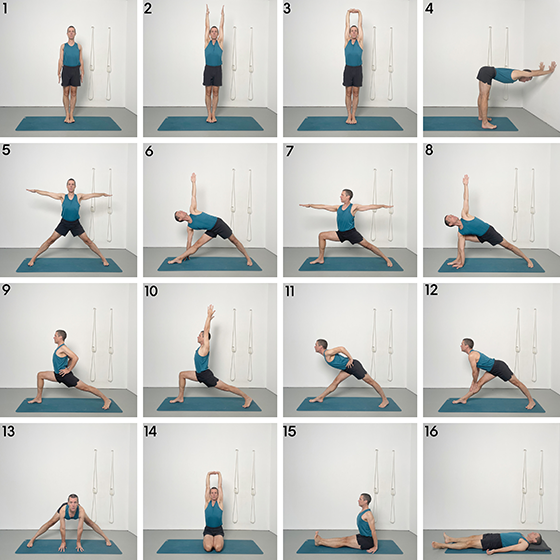
Image Source: yogaselection.com
Finding the Benefits of Yoga
Yoga is more than just stretching. It helps your body and your mind. For beginners doing yoga at home, the rewards are many.
Why Yoga Helps You
- More flexible: Your body will feel less stiff. Moving will get easier.
- Stronger muscles: You will build strength over time.
- Better balance: Yoga helps you stand steady.
- Less stress: Yoga calms your mind. It helps you feel more peaceful. This is a big part of yoga for stress relief beginners home.
- More energy: You might feel less tired during the day.
- Better sleep: Many people sleep better after doing yoga.
- Mindful living: You learn to notice your body and your breath.
These benefits of yoga for beginners at home make it a great habit to start. You don’t need much space or special gear. Just a willingness to try.
Getting Ready for Home Yoga
What do you need to start yoga at home? Not much, really. You can start simple.
Yoga Equipment for Home Practice
- Yoga Mat: This is the most helpful thing. A mat stops you from slipping. It also makes the floor softer for your joints. You can find basic mats for a low cost. You don’t need the most expensive one to start.
- Comfy Clothes: Wear clothes you can move in easily. They should not be too tight or too loose. Think t-shirts, leggings, or shorts.
- Space: Find a quiet spot in your home. Make sure you have enough room to stretch your arms and legs out without hitting things. A living room corner or bedroom space works well.
- Props (Optional): As you go on, you might like using props.
- Blocks: These help bring the ground closer. They can make poses easier if you are not very flexible yet. You can use thick books instead when starting out.
- Strap: A strap helps you reach your feet or hands in stretches. A towel or belt works fine too.
- Blanket: A folded blanket can give your knees or sitting bones some soft support.
Don’t wait until you have everything perfect. You can start with just a mat (or even a carpeted floor) and comfortable clothes. The key is to begin.
Tips for Starting Yoga at Home
Starting something new can feel a bit hard. Here are some tips for starting yoga at home to make it easy and fun.
Simple Steps to Begin
- Start Small: Don’t try to do an hour-long session on day one. Begin with 10-15 minutes. Even a short practice helps.
- Pick a Time: Find a time that works for you. Morning, afternoon, or evening. Try to do it at the same time each day if you can. This helps build a habit.
- Find a Quiet Spot: Go to your chosen space. Turn off your phone. Let others in your home know you need some quiet time.
- Listen to Your Body: This is very important. Don’t push yourself into pain. If a pose feels wrong, ease out of it. Yoga is not about forcing your body.
- Breathe: Pay attention to your breath. Breathe in through your nose, out through your nose. Deep, steady breaths help you stay calm and focused. Your breath is a guide.
- Use Online Resources: Many free yoga videos are online. Look for videos made for beginners. This can help you learn poses safely.
- Be Patient: You won’t be able to do every pose right away. That’s okay. Yoga is a journey. Celebrate small steps.
- Be Consistent: Try to practice a few times a week. Short, regular practices are better than long, rare ones.
Following these tips helps you build an easy home yoga routine. It makes starting less scary and more enjoyable.
Learning the Basics: Simple Poses
Let’s look at some basic yoga poses for beginners. These poses are gentle and help you get used to moving your body in new ways.
Key Basic Yoga Poses
You don’t need to know many poses to start. Here are a few core ones to try. Always move slowly and listen to your body.
H5 Mountain Pose (Tadasana)
- How to do it: Stand tall with your feet together or slightly apart. Your weight should be balanced on both feet. Let your arms hang by your sides. Palms can face forward. Feel your feet rooted on the ground. Straighten your back. Lift your chest. Look straight ahead.
- Why it helps: This pose helps you find good posture. It grounds you and makes you feel steady.
H5 Child’s Pose (Balasana)
- How to do it: Kneel on the floor. Touch your big toes together. Spread your knees wide, about mat width. Fold forward, letting your belly rest between your thighs. Lower your forehead to the mat. Your arms can be stretched forward or placed back along your body. Breathe deeply here.
- Why it helps: This is a resting pose. It gently stretches your back, hips, and thighs. It helps you feel calm and safe.
H5 Downward-Facing Dog (Adho Mukha Svanasana)
- How to do it: Start on your hands and knees. Your hands should be shoulder-width apart. Your knees should be hip-width apart. Tuck your toes under. Lift your hips up and back, making an upside-down “V” shape with your body. Your hands are flat on the mat. Your feet are about hip-width apart. You can keep your knees bent a lot if your hamstrings feel tight. Let your head hang freely.
- Why it helps: This pose stretches your whole body – shoulders, hamstrings, calves. It builds strength in your arms and legs.
H5 Cat-Cow Pose (Marjaryasana-Bitilasana)
- How to do it: Start on your hands and knees, like a table. Hands under shoulders, knees under hips.
- Cow Pose: Breathe in. Drop your belly towards the floor. Lift your chest and tailbone towards the sky. Look slightly up.
- Cat Pose: Breathe out. Round your spine towards the ceiling. Tuck your chin to your chest. Pull your belly button in.
- Move slowly back and forth between these two poses with your breath.
- Why it helps: This warms up your spine. It links your breath to your movement. It’s great for easing back stiffness.
H5 Plank Pose
- How to do it: Start on your hands and knees. Step your feet back so your body makes a straight line from head to heels. Your hands are under your shoulders. Keep your body strong and straight. Don’t let your hips drop or lift too high. You can lower your knees to the mat if this is too hard at first (this is a modified plank).
- Why it helps: This builds core strength and arm strength.
H5 Cobra Pose (Bhujangasana)
- How to do it: Lie on your belly. Place your hands under your shoulders, fingers pointing forward. Keep your legs together, tops of your feet flat on the floor. Breathe in. Press your hands down. Gently lift your chest off the floor. Keep your lower ribs on the mat. Don’t push up too high using only your arms; use your back muscles. Keep your neck long.
- Why it helps: This pose strengthens your back muscles. It opens your chest and shoulders.
H5 Warrior II (Virabhadrasana II)
- How to do it: Start standing. Step your feet wide apart, about the length of one of your legs. Turn your right foot out 90 degrees. Turn your left foot in slightly. Line up the heel of your right foot with the middle of your left foot. Bend your right knee so it’s right over your ankle. Keep your knee pointing straight ahead. Your left leg is straight. Lift your arms out to the sides, level with your shoulders. Look over your right fingertips. Keep your body strong and tall. Repeat on the other side.
- Why it helps: This builds strength in your legs and core. It opens your hips and chest. It makes you feel powerful.
H5 Tree Pose (Vrksasana)
- How to do it: Start in Mountain Pose. Shift your weight to your left foot. Lift your right foot off the ground. Place the sole of your right foot on your left ankle, calf, or inner thigh. Avoid putting your foot directly on your knee joint. Bring your hands together in front of your chest or raise them overhead. Find a spot to look at that doesn’t move (this helps with balance). Stand tall. Repeat on the other side.
- Why it helps: This pose improves balance and focus. It strengthens your legs and core.
H5 Corpse Pose (Savasana)
- How to do it: Lie flat on your back. Let your legs fall open slightly. Your arms are by your sides, palms facing up. Close your eyes. Let your whole body relax completely. Breathe naturally. Just rest here for a few minutes.
- Why it helps: This pose is for full relaxation. It lets your body soak in the benefits of your practice. It calms the mind. It’s a vital part of any yoga practice.
These basic yoga poses for beginners are a great starting point. Practice them slowly. Pay attention to how your body feels.
Creating Simple Yoga Sequences
Putting poses together creates a flow or a sequence. Simple yoga sequences for beginners are short and easy to follow. They help you move smoothly from one pose to the next.
Sample Sequence 1: Morning Wake-Up
This sequence is gentle and good for starting your day.
- Child’s Pose: Start here for a few breaths. Ease into your body.
- Cat-Cow Pose: Do 5-10 rounds, linking breath and movement. Warm up the spine.
- Downward-Facing Dog: Stay for 5 breaths. Stretch out.
- Mountain Pose: Slowly walk your feet to your hands and stand up. Feel grounded.
- Gentle Standing Side Stretch: Stand in Mountain Pose. Reach one arm up and over to the side. Feel a stretch along your side body. Repeat on the other side.
- Mountain Pose: Come back to standing tall.
- Corpse Pose: Lie down for 5 minutes of rest. Let your body settle.
This takes about 10-15 minutes. It’s an easy home yoga routine to start your day feeling good.
Sample Sequence 2: Evening Wind-Down
This sequence is calming and great before bed.
- Child’s Pose: Start here. Soften your body and mind.
- Cat-Cow Pose: A few rounds to release any back tension from the day.
- Downward-Facing Dog (with bent knees): Stay for 5 breaths. Keep knees bent if needed.
- Forward Fold (standing or seated): From standing, bend your knees and fold your body over your legs. Let your head hang. Or sit on the floor with legs out and gently fold forward. Don’t strain.
- Child’s Pose: Return for a moment of rest.
- Lying Spinal Twist: Lie on your back. Hug one knee to your chest. Let that knee fall over to the opposite side. Keep your shoulders on the floor. Look the other way if it feels okay for your neck. Hold for several breaths. Repeat on the other side.
- Corpse Pose: Rest for 5-10 minutes. This is key for yoga for stress relief beginners home.
This sequence is designed to calm your nervous system. It helps you prepare for sleep.
Focusing on Beginner Flexibility
Many beginners want to improve their flexibility. Yoga is great for this. Beginner flexibility yoga focuses on holding poses for a bit longer and using your breath to deepen the stretch safely.
Simple Poses for More Bendiness
- Forward Fold (Uttanasana): From standing, bend your knees a lot and fold your upper body over your legs. Let your head hang. Hold for 5-10 breaths. Bend your knees as much as you need to. Over time, you might find you can straighten your legs a bit more.
- Seated Forward Fold (Paschimottanasana – modified): Sit on the floor with your legs out in front of you. You can bend your knees. Gently fold forward from your hips. Reach towards your feet, but don’t force it. Hold for 5-10 breaths. Using a strap or towel around your feet can help.
- Low Lunge (Anjaneyasana): From hands and knees or Downward Dog, step one foot forward between your hands. Lower your back knee to the ground. You can place a blanket under the back knee for comfort. Lift your chest. Hold for 5-8 breaths. This stretches the front of the hip. Repeat on the other side.
- Pigeon Pose (Eka Pada Rajakapotasana – modified): From Downward Dog or hands and knees, bring one knee forward towards your hands. Let your shin be angled. The other leg is stretched back. Rest on your hands or forearms. You can place a block or folded blanket under the hip of the bent leg for support. This stretches the hip deeply. Hold for 5-8 breaths. Repeat on the other side. Be gentle with your knees in this pose.
- Reclining Bound Angle Pose (Supta Baddha Konasana): Lie on your back. Bring the soles of your feet together and let your knees fall out to the sides. Your feet can be close to your hips or further away. Place pillows or blocks under your knees for support if needed. Rest your hands on your belly or by your sides. Hold for several minutes. This pose gently opens the hips and is very relaxing.
When doing these poses for flexibility, remember:
* Breathe: Use your exhale to relax deeper into the stretch.
* Don’t Bounce: Hold the stretch steady.
* Feel, Don’t Force: You should feel a stretch, not sharp pain.
* Give it Time: Flexibility builds slowly with regular practice.
Adding these poses to your easy home yoga routine will help you gain more flexibility over time.
Practicing Gentle Yoga at Home
Gentle yoga for beginners at home is perfect if you have a stiff body, joint issues, or just want a very soft approach. It uses simple moves and focuses on comfort and ease.
Elements of Gentle Practice
- Slow Movements: Move into and out of poses slowly.
- Using Props: Use blankets, pillows, blocks, or chairs to support your body in poses.
- Shorter Holds: Hold poses for a shorter time if needed.
- Focus on Breath: Pay extra attention to deep, calming breaths.
- Listening Carefully: Be extra mindful of your body’s signals. Don’t push into discomfort.
Gentle Poses to Try
Many basic poses can be made gentle.
- Seated Mountain Pose: Sit on a chair or the floor with support under your hips. Sit tall, feeling your spine lengthen.
- Seated Cat-Cow: Do the cat-cow movement while seated in a chair.
- Supported Forward Fold: Sit in a chair or on the floor. Gently fold forward, resting your arms or head on a table, blocks, or pillows.
- Wall Push-Ups / Wall Plank: Stand facing a wall. Place your hands on the wall. Step back slightly. Lean into the wall like a push-up or just hold the plank shape. This is easier on wrists and shoulders.
- Legs Up the Wall (Viparita Karani – modified): Lie on your back. Slide your hips close to a wall. Extend your legs up the wall. Rest your arms by your sides. This pose is very calming and helps with tired legs.
- Supported Bridge Pose: Lie on your back. Bend your knees, feet flat on the floor hip-width apart. Lift your hips slightly and slide a block, firm pillow, or rolled blanket under your lower back/hips. Rest your weight on the support. This is a gentle backbend.
- Corpse Pose: Always end with rest!
A gentle yoga for beginners at home practice can be just as powerful as a more active one. It helps you connect with your body in a kind way.
Yoga for Stress Relief at Home
Yoga is well-known for its ability to calm the mind. Yoga for stress relief beginners home uses specific poses and breathwork to help you feel less stressed and more peaceful.
How Yoga Helps Lower Stress
- Calms the Nervous System: Slow, deep breathing (pranayama) is a key part of yoga. It tells your body it’s safe to relax.
- Releases Muscle Tension: Stress often makes us hold tension in our bodies, especially in the neck, shoulders, and hips. Poses help to release this tightness.
- Focuses the Mind: When you focus on your breath and body in a pose, your mind has less room to worry about other things.
- Promotes Relaxation: Ending practice with Corpse Pose (Savasana) allows for deep rest.
Poses for Stress Relief
Most gentle and basic poses help with stress, but some are especially good:
- Child’s Pose: Safe, comforting, turns your focus inward.
- Cat-Cow: Releases tension in the back and links breath to movement.
- Downward-Facing Dog: While active, the inversion (hips above heart) can be calming for some. It also stretches tight stress-holding spots like shoulders and hamstrings.
- Standing Forward Fold: Releasing the head helps to calm the mind.
- Legs Up the Wall: Deeply relaxing and helps calm the nervous system.
- Seated Forward Fold: Encourages introspection and calms the breath.
- Reclining Bound Angle Pose: Opens hips gently, a place where stress can be stored.
- Corpse Pose (Savasana): The ultimate stress reliever. Dedicate 5-10 minutes to this pose at the end of your practice.
- Easy Pose (Sukhasana): Simple seated pose for meditation or focusing on breath. Sit cross-legged on a cushion or blanket to lift your hips. Sit tall. Close your eyes or lower your gaze. Focus on your breath coming in and out.
Making time for yoga for stress relief beginners home can make a big difference in how you feel each day. Even just 10-15 minutes of quiet poses and breath can help.
Designing Your Easy Home Yoga Routine
Now you have poses and sequence ideas. How do you put it all together into an easy home yoga routine that you’ll actually do?
Making Your Routine Work
- Keep it Short at First: Aim for 15-20 minutes. You can always add more time later.
- Mix it Up (but not too much): Use a few of the basic poses you like. Add one or two new ones as you feel ready.
- Follow a Video: This is the easiest way to start. Search for “beginner home yoga routine 15 minutes” on YouTube. Find an instructor whose style you like.
- Use a Simple Plan: Write down 5-10 poses you will do in order. Keep it simple.
- Include Warm-up, Poses, and Rest: A good routine includes:
- A few minutes of gentle movement (like Cat-Cow or gentle stretches).
- A selection of basic poses (standing, seated, on the belly/back).
- Ending with relaxation (Corpse Pose).
Example Easy Home Yoga Routine (20 Minutes)
Here is a simple plan you can follow:
| Time | Pose/Activity | Notes |
|---|---|---|
| 0-2 mins | Gentle Breathing/Centering | Sit comfortably, focus on breath. |
| 2-5 mins | Cat-Cow Pose | Move with breath, warm the spine. |
| 5-8 mins | Downward-Facing Dog | Hold 5 breaths, maybe gentle pedal feet. |
| 8-10 mins | Mountain Pose | Walk to front of mat, stand tall. |
| 10-12 mins | Warrior II | Right side, hold 5 breaths. |
| 12-14 mins | Warrior II | Left side, hold 5 breaths. |
| 14-16 mins | Child’s Pose | Rest and reset. |
| 16-18 mins | Cobra Pose | Gentle backbend, hold 5 breaths. |
| 18-20 mins | Corpse Pose (Savasana) | Lie flat, relax completely. |
This plan includes standing, all-fours, belly, and back poses. It gives you a taste of different movements. As you get more comfortable, you can hold poses longer or try new ones. Remember, the goal is to create a habit that feels good, not hard. Your easy home yoga routine should feel doable and helpful for you.
Keeping Up Your Home Practice
Starting is one thing, but keeping going is key to seeing the benefits of yoga for beginners at home. How can you stay motivated?
Tips for Sticking With It
- Be Kind to Yourself: Some days you might not feel like practicing. That’s okay. Do a shorter session, a gentler routine, or just rest in Child’s Pose.
- Track Your Progress: Notice how your body feels different. Are you more flexible? Stronger? Do you feel less stressed? Paying attention to these small wins helps.
- Join an Online Community: Find online forums or social media groups for beginner home yogis. Sharing your journey and asking questions can be helpful.
- Try Different Styles: Once you are comfortable with basics, try a gentle Hatha flow, or a Yin yoga session for deep stretching (beginner flexibility yoga). Variety can keep things interesting.
- Listen to Music: Soft, calm music can make your practice more enjoyable.
- Set the Mood: Light a candle, dim the lights. Make your yoga space feel nice.
- Remember Why You Started: Think about the benefits of yoga for beginners at home that you want most, like stress relief, flexibility, or strength. Let that be your drive.
Building a regular how to start yoga practice routine takes time and effort, but the rewards for your body and mind are worth it. Your easy home yoga routine can become a peaceful and powerful part of your life.
Frequently Asked Questions (FAQ)
You might have some questions as you start doing yoga at home. Here are answers to common ones.
H5 Can I do yoga every day?
Yes, you can! If you are a beginner, start with shorter, gentle practices. Listen to your body. If you feel tired or sore, take a rest day or do a very gentle session like just breathing and stretching. Consistency is more important than length when you are starting.
H5 How long should a beginner yoga session be?
Beginners can start with 10-15 minutes. As you get more comfortable, you can increase it to 20-30 minutes or longer. Even 10 minutes of focused movement and breath offers benefits of yoga for beginners at home.
H5 Do I need to be flexible to start yoga?
No! This is a big myth. You do not need to be flexible at all to start yoga. Yoga helps you become more flexible over time. Start with poses you can do without pain, maybe using props like blocks. Everyone starts somewhere. Beginner flexibility yoga is designed exactly for people who aren’t flexible yet.
H5 What kind of yoga is best for beginners at home?
Gentle Hatha yoga, slow flow yoga, or restorative yoga are good choices. Look for videos labeled “beginner” or “gentle”. The poses in this guide are good starting points for simple yoga sequences for beginners.
H5 How can yoga help with stress at home?
Yoga helps you focus on your breath, which calms the nervous system. It also helps release physical tension often held during stress. Finishing with rest poses like Savasana allows your body and mind to fully relax. Practicing yoga for stress relief beginners home regularly trains your body to respond to stress better.
H5 What if I don’t have yoga props?
You can use things you already have at home! Thick books can be blocks. A belt, tie, or towel can be a strap. A folded blanket or pillow can provide support for knees or hips. Don’t let not having official yoga equipment for home practice stop you.
H5 How do I know if I’m doing a pose right?
Listen to your body. You should feel a stretch or effort, but not sharp pain. Watch beginner-friendly videos carefully to see how the pose looks. It’s okay if your pose doesn’t look exactly like the instructor’s. Focus on how it feels in your body. Over time, as you build body awareness, you’ll understand the poses better.
H5 Should I eat before doing yoga?
It’s best not to eat a large meal right before yoga. A light snack an hour or two before is usually fine. Doing yoga on a full stomach can feel uncomfortable, especially in poses that involve bending forward or twisting.
Conclusion
Starting a yoga practice at home is a wonderful gift you can give yourself. It doesn’t require much, just a little space, some time, and a willing mind. By starting with basic yoga poses for beginners, following simple yoga sequences for beginners, and creating an easy home yoga routine, you can quickly start to feel the amazing benefits of yoga for beginners at home. Remember to listen to your body, be patient, and enjoy the journey. Whether you seek greater beginner flexibility yoga, yoga for stress relief beginners home, or just a way to move gently with gentle yoga for beginners at home, starting at home is a perfect way to begin. Roll out your mat, take a deep breath, and start your practice today.