
Want to teach yoga? You can become a certified yoga instructor by completing a special training program. Most people start with a 200-hour program. Many programs help you meet the yoga certification requirements set by groups like Yoga Alliance, which can give you an RYT designation.
Teaching yoga is a rewarding path. It lets you share your love for yoga with others. It helps people feel better in their bodies and minds. But how do you start? Getting certified is the first big step.
It is more than just doing yoga poses well. It is about learning to teach safely and wisely. It is about understanding the deep ideas of yoga. It is about helping different kinds of people. This guide will walk you through the steps.
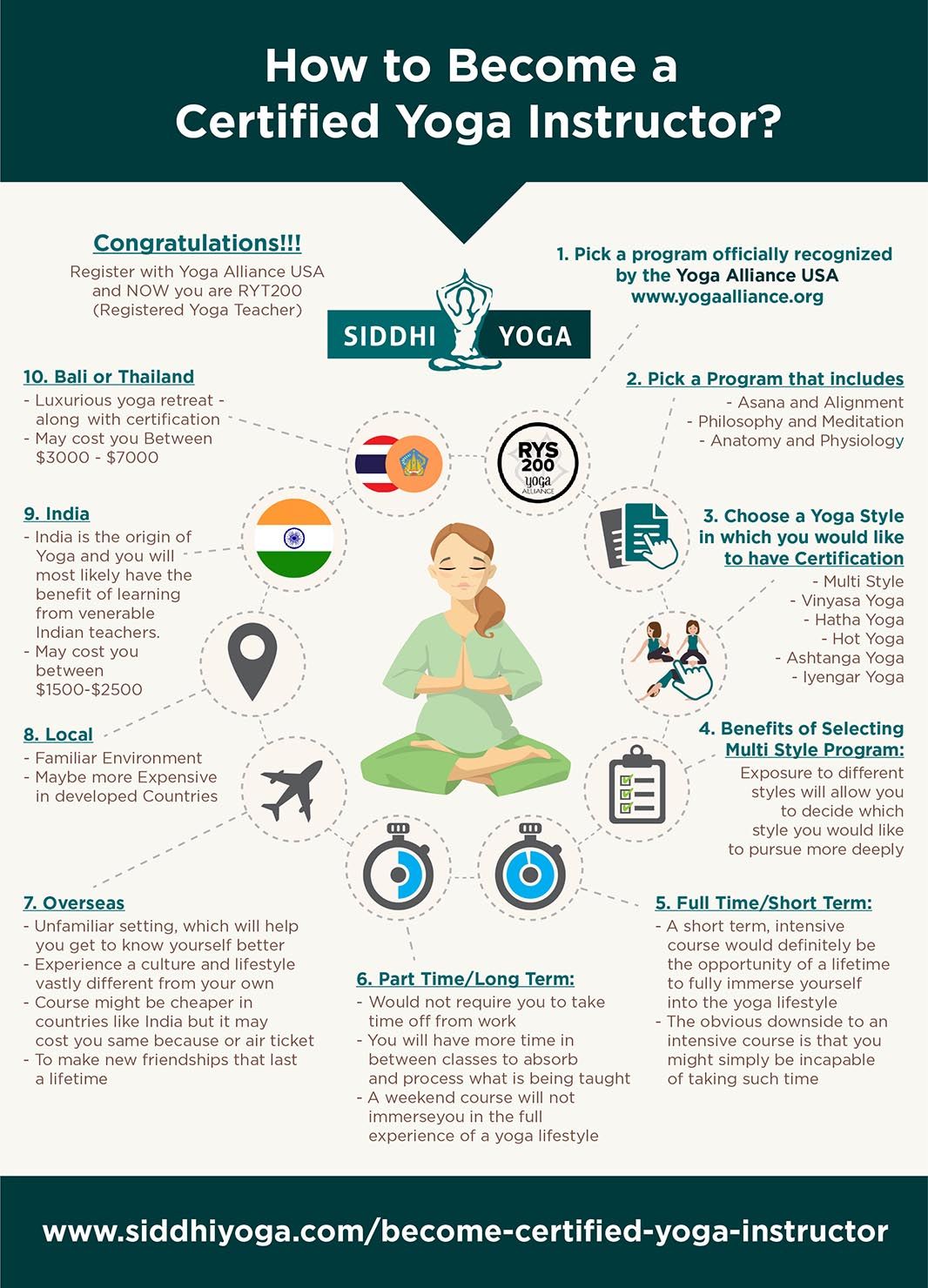
Image Source: www.siddhiyoga.com
Step 1: Think About Why You Want to Teach
Why do you want to become a yoga instructor? Is it just the poses? Or is it more? Think about this before you start.
Yoga teaching asks for passion and patience. You will guide people. You will share knowledge. You will hold a safe space for them.
Ask yourself these questions:
* Do I love sharing things with others?
* Am I excited to learn more about yoga history and ideas?
* Can I stand in front of people and talk?
* Do I feel ready to help people on their yoga journey?
* Am I ready for a lot of hard work and study?
Answering these helps you see if a yoga teaching career is right for you. It is a big choice.
Step 2: Look Into Yoga Teacher Training Programs
Getting certified means finishing a special course. This is called a yoga teacher training program. There are many different types. They teach different styles of yoga. They have different amounts of time.
The most common starting point is a 200-hour yoga certification. This is seen as the basic standard. It gives you the key skills to teach general yoga classes.
What do these programs teach? A good program covers many things.
* Yoga poses (Asanas): How to do them, how to teach them, how to help students fix poses.
* Breathing exercises (Pranayama): How to do them and teach them safely.
* Yoga ideas and history (Philosophy): Learning old texts like the Yoga Sutras.
* How the body works (Anatomy): Learning muscles, bones, and how they work in yoga.
* Teaching skills: How to plan a class, talk to students, show poses, and manage a group.
* Healthy living (Ayurveda): Sometimes included to learn about overall health.
Different schools offer these programs. Some are weekend studies over many months. Some are short, intense programs done in a few weeks. Some are online. Think about which fits your life best.
Step 3: Learn the Yoga Certification Requirements
What do you need to do to get certified? It depends on the school and if you want to register with a group like Yoga Alliance.
Most schools have their own rules. You usually need to:
* Be a regular yoga student for some time (often 1-2 years).
* Finish all parts of their specific yoga teacher training program.
* Pass their tests (these can be written or showing you can teach a class).
* Attend a certain number of classes.
If you want to register with Yoga Alliance later, their rules are important. They set basic standards for schools. Schools that meet these standards are called registered yoga schools (RYS).
To get a Yoga Alliance certification (the RYT designation), you first need to finish a program at an RYS. The RYS says you met their rules. Then you register with Yoga Alliance. We will talk more about this later.
Key requirements often include:
* Finishing a training program (200 hours for RYT 200).
* Having contact hours (time spent directly with teachers).
* Having non-contact hours (homework, practice).
* Learning set topics (like anatomy, philosophy, teaching).
Make sure the program you pick meets the rules you need.
Step 4: Pick the Right Training Program
Choosing a program is a big step. It shapes how you will teach. Here are things to think about when looking at yoga schools and programs.
- Yoga Style: What kind of yoga do you like? Hatha, Vinyasa, Iyengar, Ashtanga, Yin, Restorative? Choose a program that teaches the style you feel most linked to.
- Teachers: Who will teach you? Look up the main teachers. Do they have a lot of experience? Does their style fit yours? Can you learn from them?
- School Reputation: Are they well-known? What do past students say? Look for reviews. Accredited yoga schools often have set standards and good reputations.
- Format: Is it weekends only? A few weeks straight? Is it online yoga teacher training? Think about your job and life.
- Location: Is it close to home? Or is it a retreat in a new place? Travel can add to the cost but can be a great experience.
- Cost: How much does the program cost? This is the yoga instructor course cost. Get the full price, including books and fees. Compare costs between different schools.
- Yoga Alliance Status: If you want the RYT title, pick a Registered Yoga School (RYS) with Yoga Alliance for the right hour level (RYS 200 for RYT 200).
It is a good idea to visit the school if you can. Talk to the teachers. Maybe take a class from them. This helps you feel if it is the right fit.
Step 5: Dive Into the 200-Hour Training
The 200-hour yoga certification is where the real work happens. This program is packed with learning. It is intense but rewarding.
What exactly do you learn?
* Techniques (100 hours): This is learning the poses (asanas), breathing (pranayama), cleaning actions (kriyas), chanting (mantra), and thinking deep (meditation). You learn how to do them and how to teach them safely to others. This is the core of your teaching practice. You spend lots of time practicing poses and learning ways to teach them well.
* Teaching Method (25 hours): This part is about how to teach a class. You learn to talk clearly, show poses, plan a class flow, work with different students, and lead group classes. It covers how to make your class safe and fun. You might practice teaching small parts of a class to others.
* Anatomy and Feeling (20 hours): This is about the body. You learn bones, muscles, and how they work when you do yoga. You also learn about the energy body, like chakras and nadis. Fathoming how the body moves helps you teach poses safely and help students with injuries.
* Yoga Ideas and Living (30 hours): This part goes deep into yoga history and old texts. You learn about the Yoga Sutras, Bhagavad Gita, and other writings. You talk about yoga ethics and how to live a yoga life off the mat. This helps you share the full meaning of yoga, not just the poses.
* Practice Teaching (10 hours): You get to teach real classes or parts of classes. You get feedback from teachers and other students. This is very important for building your skills and feeling ready to teach on your own.
* Other (15 hours): This can include things like business basics for teachers, special topics, or extra practice.
These hours are a guide. Different schools spend slightly different amounts of time on each topic. But they must cover all these areas to be a proper program.
During the training, you will learn a lot. You will practice teaching. You will learn about yourself. It is a journey of growth.
Step 6: Consider Online Yoga Teacher Training
In today’s world, doing a yoga teacher training program online is an option. Is it as good? Does it count?
Online yoga teacher training became very popular. It offers flexibility. You can learn from home. You can learn at your own speed sometimes. It might cost less than traveling to a far-off school.
Pros of Online Training:
* Learn from anywhere in the world.
* Often costs less money.
* Can fit around your work or family life.
* Access to teachers you might not reach otherwise.
Cons of Online Training:
* Less direct, hands-on help. Interpreting adjustments or cues online is harder.
* Less face-to-face time with teachers and other students. The community feel might be missing.
* You need self-discipline to keep up.
* Some people learn better in person.
What about Yoga Alliance? For a time, they allowed online-only training to count for RYT 200. But they have changed their rules back. Now, most of the program must be in person or ‘synchronous’ online (live classes). There might be a limit on how many hours can be done purely online without live teacher interaction.
If you choose online, make sure it is from a school you trust. Check their history. Do they offer live sessions? Do they give good feedback? Does it meet the rules for any certification you want? Deciphering the quality of an online program needs careful looking.
Online training can be a good way to start. But think hard about how you learn best. And check the rules for certification groups if that is your goal.
Step 7: Plan for the Yoga Instructor Course Cost
Getting certified costs money. The yoga instructor course cost can change a lot. It depends on the school, where it is, how long it is, and what is included.
Here is a rough idea of costs:
* Local studio training: $1,500 to $3,500 (often over several months).
* Intense retreat training: $3,000 to $6,000 or more (often includes food and lodging).
* Online training: $300 to $1,500 (can be less, but check if it is complete and certified).
What might add to the cost?
* Books and materials.
* Travel to the location.
* Food and place to stay (if it is not a retreat).
* Extra workshops needed during training.
* Yoga Alliance registration fees ($50 application, $85 yearly).
Think of the cost as an investment in your future yoga teaching career. Do not pick a program just because it is cheap. Look for value, good teachers, and a strong course plan. Sometimes, schools offer payment plans or early bird deals. Ask about ways to make it fit your budget.
Step 8: Finish Your Training Program
Once you pick a program, the hard work begins. Attend all classes. Do the reading. Practice teaching. Ask questions. Talk to your teachers and fellow students.
During the training, you will:
* Learn the fine points of poses.
* Learn how to adjust students gently and safely.
* Practice teaching full or partial classes.
* Give and get feedback.
* Study the body and yoga ideas.
* Spend time doing your own yoga and meditation.
It is a time of deep learning and personal change. It can be tiring but also very exciting. You will likely feel more connected to yoga than ever before.
To finish the program, you usually need to:
* Attend a set number of hours.
* Pass any tests or tasks given by the school.
* Show you can teach a basic class.
Once you finish, the school gives you a certificate. This shows you completed their yoga teacher training program. You are now a certified yoga teacher by that school.
Step 9: Think About Yoga Alliance Certification (RYT)
After getting your certificate from a school, you might want to register with Yoga Alliance. This is a common step, but not always needed to teach. Some studios like it if you are registered.
Yoga Alliance certification is like a mark of quality. It tells people you trained at a school that met certain standards. The main label is RYT designation. RYT stands for Registered Yoga Teacher.
To get your RYT 200:
1. Finish a 200-hour program with a Registered Yoga School (RYS 200).
2. Create an account on the Yoga Alliance website.
3. Put in your training details.
4. Pay the fees.
You do not need teaching hours to get RYT 200 right away. You get the title just by finishing the RYS 200 training.
There are other RYT levels too:
* RYT 500: You need a 200-hour training, a 300-hour training (total 500 hours from RYS), and 100 hours of teaching time after your first training.
* E-RYT 200: You need a 200-hour training and 1000 hours of teaching time after that training. You can then be a lead teacher in a 200-hour program.
* E-RYT 500: You need a 500-hour training (or 200 + 300 hours) and 2000 hours of teaching time after your first training. You can lead 200-hour and 300-hour programs.
Registering with Yoga Alliance gives you a listing in their directory. Some people feel it adds trust. It is up to you if you want this extra step. It is an extra yoga certification requirement if you aim for that specific title.
Step 10: Start Your Yoga Teaching Career
You are certified! What is next? Start teaching! Your yoga teaching career can begin in many ways.
- Offer free classes: Teach friends or family to gain comfort.
- Teach community classes: Offer classes at parks, libraries, or community centers for free or cheap.
- Teach at a studio: Apply to local yoga studios. Start with covering classes or teaching less busy times.
- Teach online: Offer classes via Zoom or other platforms.
- Teach private lessons: Work with one person or a small group.
- Teach at gyms or workplaces: Many places want yoga teachers.
Getting your first teaching job takes effort. Be ready to talk about your training and your passion. Offer to teach a sample class. Do not worry if you start small. Every class you teach helps you grow.
Keep learning. Watch other teachers. Get feedback. Ask for help. The first few classes can feel scary, but they get easier with practice.
Step 11: Keep Learning and Growing
Your 200-hour training is just the start. A good yoga teaching career means always learning.
- Practice your own yoga: Keep doing yoga for yourself. This helps you understand poses and teaching better.
- Take classes from other teachers: See how they teach. Get new ideas.
- Read books: Study more about yoga history, philosophy, and the body.
- Attend workshops: Learn special skills like teaching poses for injuries, kids yoga, or prenatal yoga.
- Consider more training: Think about a 300-hour program to reach 500 hours total. This makes your knowledge deeper and opens up more teaching chances. It is another level of yoga certification requirements.
Learning never stops for a yoga teacher. Each student, each class, and each new study is a chance to grow.
Summing Up Your Path
Becoming a certified yoga teacher is a process. It takes time, money, and effort.
- Think deeply about why you want to teach.
- Research different yoga teacher training program options.
- Grasping the yoga certification requirements helps you choose wisely.
- Pick a program (maybe from accredited yoga schools).
- Complete your 200-hour yoga certification or more.
- Decide if online yoga teacher training is right for you, knowing its limits.
- Plan for the yoga instructor course cost.
- Finish your training and get your first certificate.
- Choose if you want Yoga Alliance certification and the RYT designation.
- Start building your yoga teaching career.
- Keep learning always.
This path is rewarding. You get to share something you love. You help others. You keep learning about yourself and the world. It is a journey worth taking if your heart calls you to teach yoga.
Frequently Asked Questions
Q: Do I need to be very flexible to become a yoga instructor?
A: No, you do not need to touch your toes easily or do hard poses. You need to know how poses work and how to teach them safely to all kinds of bodies. Your training will help you understand this. Being a perfect yoga model is not the goal. Helping students is.
Q: How long does it take to get certified?
A: A 200-hour program can take anywhere from 3-4 weeks (intense, full-time) to 3-12 months (part-time, weekends). After you finish the training, you are certified by that school right away. Registering with Yoga Alliance is quick once the school confirms you finished.
Q: Can I teach yoga only with an online certification?
A: It depends on where you want to teach and who certifies the online program. Some places might accept it, especially if the program was live and connected to a known school. But many studios still prefer in-person training or programs with a lot of live teacher time. Yoga Alliance now requires most hours to be live contact hours. It is best to check with potential places where you want to teach.
Q: What is the difference between RYT 200 and RYT 500?
A: RYT 200 means you finished a basic 200-hour training. RYT 500 means you finished a total of 500 hours of training (a 200-hour plus a 300-hour program) and have teaching experience (100 hours). RYT 500 shows deeper study and more experience.
Q: Is Yoga Alliance required to teach yoga?
A: No, it is not required by law or most places. You get certified by your school. Yoga Alliance is a voluntary group that sets standards and lists teachers and schools. Some employers might prefer it, but your teaching skill is the most important thing.
Q: What if I trained at a school not registered with Yoga Alliance?
A: You are still certified by that school. You can still teach yoga. You just cannot register as an RYT with Yoga Alliance using that specific training. Your teaching skills and experience matter more than the RYT title for many teaching chances.
Q: How much money can a yoga teacher make?
A: Pay changes a lot based on where you teach, your experience, and how many classes you teach. Studio pay might be $20-$50 per class. Private lessons pay more ($50-$100+ per hour). Building a full yoga teaching career takes time and often means teaching in many places or having other jobs.
Q: Do I need insurance to teach yoga?
A: Yes, it is strongly recommended. Even if you teach at a studio that has insurance, you should get your own. It protects you if a student gets hurt in your class. Yoga Alliance offers insurance options for its members, but you can find it other places too.