
Can I learn yoga easily? Yes, absolutely! Learning yoga is very possible for anyone, even if you have never tried it before. Yoga might seem complicated at first glance, with all the different poses and names, but the basics are simple. This guide will show you how to start, step by step, and make learning yoga easy and fun. You’ll discover simple poses, helpful breathing tricks, and how yoga can make you feel better in your body and mind.
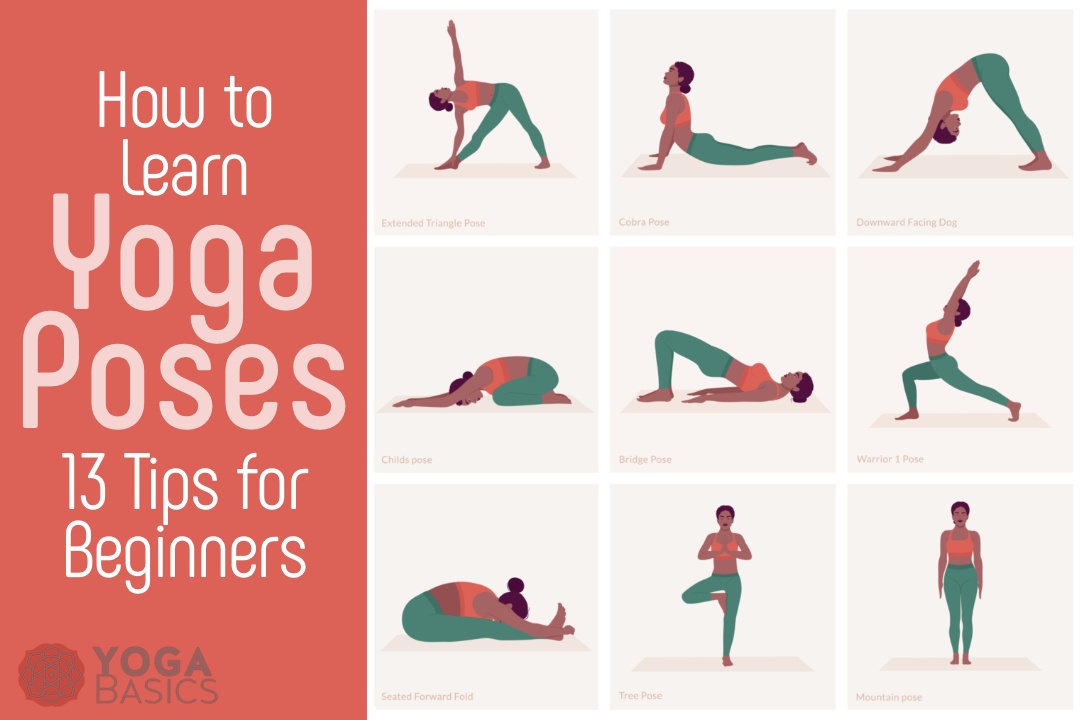
Image Source: www.yogabasics.com
Grasping the Basics of Yoga
Yoga is an old practice from India. It links your body, breath, and mind. It’s not just about bending into strange shapes. It’s about moving your body while paying attention to your breath. This helps you feel more connected to yourself. Millions of people around the world do yoga. They do it for many reasons.
What Yoga Can Do for You
Yoga offers many good things for your body and mind. It’s well known for improving flexibility. Regular practice helps stretch your muscles. This makes your body more able to move freely. Yoga also builds strength. Holding poses works your muscles gently. It gets you stronger over time.
Beyond the body, yoga is great for your mind. It is a proven method for yoga for stress relief. The focus on breath and slow movement calms your nervous system. This helps quiet busy thoughts. Many people find they feel less worried and more peaceful after yoga. It helps you handle life’s challenges better. Yoga is also a path to feeling more present. It encourages you to notice how you feel right now. This can lead to a greater sense of calm and awareness.
Why Beginners Love Yoga
Yoga is great for people just starting out. You don’t need to be strong or flexible to begin. You don’t need special clothes or fancy gear. You just need a little space and a willingness to try. Yoga meets you where you are. You can start with simple movements. You can go at your own speed. Many find it’s a gentle way to get active. It feels good for the body. It helps the mind relax. This makes it a friendly start to fitness and wellness.
Gathering Your Gear
You don’t need much to start yoga. A few simple things will make your practice better. The most important item is a good surface to practice on.
Choosing Your Yoga Mat
A yoga mat is helpful for your practice. It gives you a soft place to land. It also stops you from slipping. This keeps you safe in different poses. Yoga mats come in many types.
- Thickness: Thicker mats (around 6mm) are softer. They are good if your knees or joints need extra cushion. Thinner mats (around 3mm) are firmer. They help you feel more balanced.
- Material: Mats are made from rubber, PVC, or other stuff. Rubber mats are often more eco-friendly. PVC mats are usually sticky and last a long time.
- Stickiness: A good mat feels a bit sticky. This helps your hands and feet grip the mat. It stops you from sliding.
When choosing your yoga mat, think about where you’ll practice. If you travel, a thinner mat is easier to carry. If you practice on hard floors, a thicker mat gives more comfort. Find one that feels good to you and fits your budget. It’s an important tool for when you learn yoga at home or in a studio.
What to Wear
Wear clothes you can move freely in. Stretchy pants or shorts work well. A comfortable top that doesn’t ride up is also good. You don’t need shoes for yoga. You practice with bare feet. This helps you grip the mat. It also helps you feel grounded. Pick clothes that let you stretch and bend without feeling tight.
Beginning Your Yoga Journey
There are many ways to start learning yoga. You can go to a studio, use books, or watch videos. For beginners, having guidance is key. It helps you learn the poses safely and correctly.
Ways to Begin Learning
One popular way to start is by taking classes. You can find classes near you or use online resources.
- In-person classes: These are great because a teacher can watch you. They can help you fix your poses. They can answer your questions right away. Being in a class with others can also feel nice.
- Books and apps: These can show you poses and sequences. They are good if you like to learn on your own. But they can’t tell you if you are doing a pose right.
- Online yoga classes: These are very flexible. You can practice anytime, anywhere. Many websites and apps offer online yoga classes. They have classes for all levels, including complete beginners. This is a great way to learn yoga at home. You can pause the class, go back, and repeat sections.
Finding Online Help
Using online yoga classes is a simple way to begin. Many platforms offer lots of choices. You can find short classes or long ones. You can find classes focused on certain things, like yoga for flexibility or yoga for stress relief. Look for classes clearly marked for beginners. Teachers in these classes will explain things simply. They will show you basic poses and how to breathe. This makes it much easier to start learning yoga at home at your own speed.
Trying a Local Class
If there’s a yoga studio near you, consider trying a beginner class. Look for classes labeled “Beginner,” “Intro to Yoga,” or “Level 1.” These classes move slower. The teacher will explain the poses clearly. They will help you adjust your body so you feel comfortable and safe. Don’t feel shy. Everyone in a beginner class is new too!
Focusing on Hatha Yoga
When looking for classes or online resources, you might see different styles of yoga. For beginners, Hatha yoga is often the best place to start. Hatha yoga focuses on basic poses (called asanas) and breathing practices (pranayama). Hatha yoga for beginners usually moves at a slow pace. It gives you time to learn each pose. It helps you build strength and flexibility gently. It’s a good foundation for learning other types of yoga later on. It’s less about fast flow and more about holding poses and finding stillness.
Your First Poses
Starting with simple poses is key. Don’t try the complicated ones you see in pictures yet. These beginner yoga poses help you feel how your body moves. They help you get used to holding poses and balancing.
Trying Simple Yoga Shapes
Here are some basic poses that are good for beginners. Try them one by one. See how each one feels in your body.
Learning Key Starter Poses
- Mountain Pose (Tadasana): This is standing tall. Stand with your feet together or slightly apart. Feel the ground under your feet. Lengthen your spine. Let your arms hang by your sides. Feel strong and steady like a mountain. This pose helps you feel your posture.
- Child’s Pose (Balasana): This is a resting pose. Kneel on your mat. Sit back on your heels. Bring your chest down to your thighs. Let your forehead rest on the mat. Your arms can be alongside your body or stretched overhead. This pose is calming. It is great for yoga for stress relief.
- Downward-Facing Dog (Adho Mukha Svanasana): This pose looks like an upside-down V shape. Start on your hands and knees. Put your hands a little ahead of your shoulders. Your knees are under your hips. Lift your hips up and back. Straighten your legs a bit, but keep a small bend in your knees if your hamstrings are tight. Press your hands into the mat. Let your head relax. This pose stretches your whole body. It’s a common pose in many yoga sequences.
- Cat-Cow Pose (Marjaryasana-Bitilasana): This is a gentle warm-up for your spine. Start on your hands and knees. Hands under shoulders, knees under hips. As you breathe in, drop your belly down and look up (Cow pose). As you breathe out, round your back up like a cat and tuck your chin (Cat pose). Move slowly with your breath. This feels great for the back and helps with flexibility.
- Easy Pose (Sukhasana): This is a simple seated pose. Sit cross-legged on your mat. Rest your hands on your knees. Sit up tall, feeling your spine long. Relax your shoulders. This pose is good for sitting quietly and focusing on breath. It’s often used for mindfulness meditation yoga.
Why Simple Poses Help
These basic poses are the building blocks. They help you learn how to move your body safely. They start to improve yoga for flexibility gently. They teach you to balance and feel where your body is in space. They also connect you to your breath. This link between movement and breath is central to yoga. Doing these poses helps calm your mind. They are a great way to use yoga for stress relief. As you get used to them, you can try holding them a little longer. You can notice the small feelings in your body.
Breathing in Yoga
Breath is a huge part of yoga. It’s not just something you do without thinking. In yoga, breath is a tool. It helps you move better. It helps you focus your mind. It helps you relax deeply.
Why Breath Matters
In yoga, we call breath “prana.” It means life force. How you breathe affects how you feel. Short, fast breaths can make you feel stressed. Slow, deep breaths can make you feel calm. Yoga breathing exercises, called pranayama, teach you how to control your breath. This control helps you in your poses. It helps you stay calm when poses are hard. It helps you connect your mind and body. It is essential for mindfulness meditation yoga.
A Simple Breathing Practice
Try this simple breathing exercise first. It’s called Equal Breathing or Sama Vritti.
- Sit comfortably in Easy Pose or lie down.
- Close your eyes gently if you like.
- Just notice your normal breath for a few moments. Don’t try to change it yet.
- Now, start to count the length of your inhales and exhales. Breathe in for a count of 4. Breathe out for a count of 4.
- Do this for a few minutes. Try to make your breath smooth and steady.
- If 4 is too long or too short, choose a count that feels easy for you. The key is that the inhale and exhale are the same length.
This simple practice is a powerful yoga breathing exercise. It helps calm your nervous system. It brings your focus inward. You can do this anytime you feel stressed. It’s a great way to use breath for yoga for stress relief.
Putting Poses Together
Once you know a few poses, you can start to link them. Moving smoothly from one pose to the next is called a sequence or a flow. A yoga sequence for beginners is simple and easy to follow.
Linking Shapes Smoothly
Linking poses makes your practice more like a dance. You move with your breath. As you breathe in, you might lift your arms. As you breathe out, you might fold forward. This creates a moving meditation. It helps build heat in the body. It improves strength and flexibility in a flowing way.
Building Your First Flow
Start with just a few poses you know well. Think about how to get from one to the next simply. For example, from Mountain Pose, you might lift your arms up. Then, as you breathe out, fold forward. Then, maybe step back into Downward Dog. A simple sequence for beginners will focus on ease of movement. It won’t be too many poses back-to-back.
Example Beginner Sequence
Here is a simple yoga sequence for beginners using poses you already know. Try moving slowly through this a few times. Pay attention to your breath with each movement.
| Step | Pose | Breath Action | Notes |
|---|---|---|---|
| 1 | Mountain Pose | Inhale/Exhale | Stand tall, feel grounded. |
| 2 | Mountain Pose with Arms Up | Inhale | Reach arms overhead, feel a stretch. |
| 3 | Forward Fold | Exhale | Hinge from hips, let head hang. Knees can bend. |
| 4 | Halfway Lift | Inhale | Straighten back, hands on shins or thighs. |
| 5 | Forward Fold | Exhale | Fold back down. |
| 6 | Downward-Facing Dog | Exhale | Step or walk feet back, lift hips. |
| 7 | Child’s Pose | Exhale/Hold | Rest here for a few breaths. |
| 8 | Cat-Cow (repeat a few times) | Inhale/Exhale | Move with breath, arch and round spine. |
| 9 | Easy Pose | Hold | Sit up tall, focus on breath. |
This simple flow links standing, folding, back release, and rest. It’s a basic yoga sequence for beginners that touches on different movements. You can repeat parts or just do it once. Practice this sequence to get used to moving with your breath. It’s a core part of learning yoga at home.
Connecting Mind and Body
Yoga is more than just physical poses. It’s also about bringing your mind into the practice. This link between mind and body is where many of the deep benefits of yoga come from.
Finding Stillness
Yoga often includes time for stillness and quiet. This can be at the start or end of a practice. It might be sitting quietly or lying down. This time is for mindfulness meditation yoga. It’s a chance to just be present. You notice your breath. You notice how your body feels. You don’t try to change anything. You just observe. This practice helps calm the busy mind. It builds your ability to focus. It is a powerful tool for yoga for stress relief. Even a few minutes of quiet awareness can make a big difference in how you feel.
How Yoga Helps Stress
Yoga’s power for stress relief comes from several things.
* Movement: The physical movement releases tension stored in the muscles.
* Breath: Deep breathing calms the nervous system, which lowers stress hormones.
* Focus: Concentrating on poses and breath takes your mind away from worries.
* Mindfulness: Being present helps you step back from stressful thoughts.
All these parts work together. They help your body and mind relax. Regular yoga practice can build your strength to handle stress better in your daily life. It teaches you ways to find calm when things get tough. This is a key benefit of yoga for stress relief.
Keys for a Safe Practice
As you start yoga, it’s important to be safe. Yoga should feel good, not painful. Here are some simple tips to help you practice safely.
Listening to Your Body
This is the most important rule in yoga. Your body will tell you what feels right and what doesn’t.
* No Pain: Yoga might be challenging sometimes, but it should not hurt. If you feel sharp pain, ease out of the pose.
* Gentle Edge: Find a stretch that feels good. Don’t push yourself too hard. Go to the point where you feel a stretch, not strain.
* Modify Poses: It’s okay to change poses. Use props like blocks or blankets if they help you feel more comfortable or stable. Beginner yoga poses often have simple ways to make them easier.
* Rest: Take Child’s Pose or lie down whenever you need a break.
Always listen to your body’s signals. Respect its limits each day. Some days you might feel more flexible or strong than others. That’s normal.
Being Patient
Learning yoga takes time. You won’t be able to do every pose right away. Your flexibility and strength will grow little by little. Be kind to yourself. Celebrate the small steps. Maybe you can touch your toes today when you couldn’t last week. Maybe you can hold a pose a little longer. These small wins add up. Regular practice is more important than doing fancy poses. Stick with it, even if you only have a short time. Even 10-15 minutes of practicing beginner yoga poses or a simple yoga sequence for beginners can make a difference. The key is consistency.
Getting Started – Your First Steps
Ready to try? Here’s a simple plan to begin your yoga journey today.
- Find a space: Clear a small area in your home. Make sure you have room to move your arms and legs.
- Get a mat: If you don’t have one, a carpet or a thick towel can work for now. But getting a yoga mat is a good investment if you plan to continue.
- Choose a resource: Find a beginner-friendly online yoga class or video. Search for “hatha yoga for beginners” or “beginner yoga sequence.”
- Start short: Try a class that is 15-20 minutes long. It’s better to do a short practice often than a long one rarely.
- Focus on breath: Remember to breathe deeply and smoothly throughout the practice. Don’t hold your breath.
- Try the poses: Move slowly through the poses shown. Pay attention to how your body feels.
- Rest: End your practice with a few minutes of quiet rest, maybe lying down (called Savasana).
- Do it again: Try to practice a few times a week. Even 2-3 times for 15-20 minutes is a great start.
Remember, learning yoga at home using online resources is a fantastic option. There are tons of free and paid online yoga classes available. Find teachers whose style you like.
Beyond the Poses: Living Yoga
Yoga is more than just the poses you do on the mat. It can also be a way of living. The ideas of yoga can help you in your daily life. Things like being kind, being truthful, and being content are part of the yoga path. When you practice yoga, you start to notice things more. You become more aware of your body, your thoughts, and your feelings. This mindfulness can help you make better choices off the mat too.
For example, the mindfulness meditation yoga you practice can help you stay calm when you are stuck in traffic. The flexibility you gain might make everyday tasks easier. The yoga for stress relief you experience can help you handle tough talks with more peace.
The Long-Term Benefits
Keeping up a regular yoga practice brings many long-term benefits.
* Better physical health: Improved strength, flexibility, balance, and posture. Less pain in the back and joints for many people.
* Calmer mind: Reduced stress and anxiety. Better sleep. Improved focus and concentration.
* Greater self-awareness: A deeper connection to your own body and mind. Better able to notice your feelings and reactions.
* More energy: Feeling more lively and less tired.
* Happier outlook: Many people report feeling more positive and peaceful overall.
These benefits build up over time. The key is to keep practicing, even when it’s hard to find the time. Find a way to make yoga a regular part of your week. It could be a morning routine, a lunchtime break, or an evening wind-down.
Making Yoga Your Own
There is no one “right” way to do yoga. Find what works for you.
* Explore different styles: Once you are comfortable with hatha yoga for beginners, you might try other styles like Vinyasa (faster flow) or Restorative (very gentle, with props).
* Try different teachers: Everyone teaches a bit differently. Find teachers whose voice and style you like.
* Adapt poses: Learn how to use props or change poses to fit your body. This is called modifying. A good teacher, even in online yoga classes, will show you how to do this.
* Listen inward: The most important teacher is your own body. Always come back to how a pose or breath feels inside you.
Remember, yoga is a journey, not a race. There’s always more to learn and explore. Start with the basics, practice often, and enjoy the process. Learning yoga easily begins with taking the first step onto the mat, or even just finding a quiet space to sit and breathe.
Frequently Asked Questions
Can I do yoga if I am not flexible?
Yes! Yoga is for everyone, no matter how flexible you are now. Yoga actually helps you become more flexible. Beginner yoga poses are chosen because they are gentle and help you start stretching safely. Everyone starts somewhere. Just try your best and don’t force anything. Flexibility comes over time with regular practice.
How often should a beginner do yoga?
Even doing yoga for 15-20 minutes, 2-3 times a week, can make a difference. If you can practice more often, that’s great, but consistency is more important than how long you practice each time. Find a schedule that you can stick to. Learning yoga at home makes it easier to fit it in.
Do I need a yoga mat to start?
While a yoga mat is very helpful for grip and cushioning, you can start without one. A non-slip surface like a carpet or a towel can work initially. But a yoga mat makes many poses safer and more comfortable. It’s a good idea to get one if you plan to continue practicing regularly.
What is the difference between Hatha and Vinyasa yoga?
Hatha yoga is generally slower and focuses on holding poses for a few breaths. It’s great for learning the basic poses and alignment. Hatha yoga for beginners is a very common starting point. Vinyasa yoga, on the other hand, links poses together with breath in a flowing sequence. It’s often faster and can be more physically demanding. Beginners usually start with Hatha before trying Vinyasa.
Is yoga good for weight loss?
Yoga can be part of a healthy lifestyle that supports weight loss. More active styles of yoga burn calories. Yoga also helps reduce stress, improve sleep, and increase body awareness, which can lead to healthier eating habits and overall wellness. However, yoga is not typically the fastest way to lose weight compared to cardio exercises. Its benefits for mind and body are often the main reasons people practice.
Can I do yoga if I have a health condition or injury?
It’s important to talk to your doctor before starting any new exercise, especially if you have a health condition or injury. Once you have their OK, look for gentle beginner classes or teachers who are experienced in working with people with specific needs. Make sure to tell the teacher about any concerns you have before class starts. Listen to your body and modify poses as needed. Yoga for flexibility can sometimes help with certain conditions, but always check with a medical professional first.
What are yoga breathing exercises called?
Yoga breathing exercises are called Pranayama. “Prana” means life force, and “ayama” means to extend or control. Pranayama techniques teach you how to control your breath, which has many benefits for both the body and mind, including helping with yoga for stress relief and deepening your mindfulness meditation yoga practice.
Learning yoga is a kind and rewarding journey you can easily begin today. With simple poses, mindful breathing, and a little practice, you’ll discover the many ways yoga can make your life better. Start slow, be patient, and enjoy the process of connecting with yourself.