
Riding an exercise bike is a great way to get fit. It’s easy on your joints. You can do it inside any time. But sometimes, the seat can hurt. A hard, uncomfortable seat can make you not want to ride. It can cause pain. It can make your bottom feel numb. Don’t let a bad seat stop you. There are many ways to make your exercise bike seat feel better. This guide will show you how.
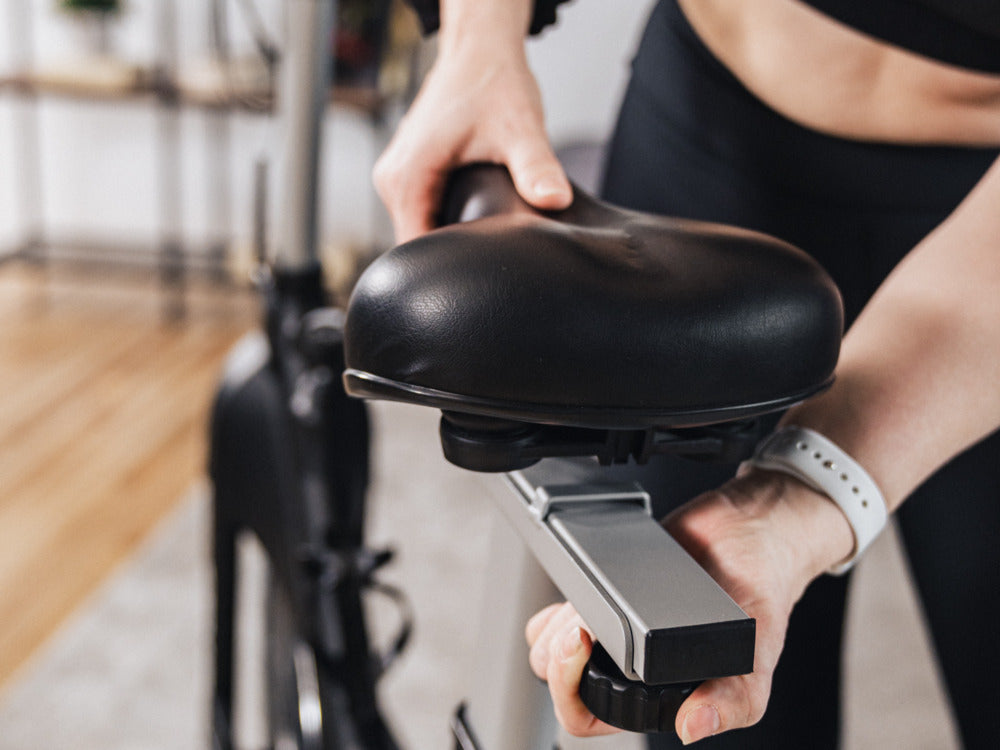
Image Source: movewithascend.com
Why a Comfortable Seat Matters
Riding a bike should feel good. It should not hurt. A bad seat makes riding painful. This pain can stop you from working out. You might ride for less time. You might not ride at all. A comfortable stationary bike seat lets you ride longer. It lets you ride more often. This helps you reach your fitness goals. It makes exercise something you enjoy. Not something you fear because of a sore bottom. Let’s fix that seat!
Checking Your Bike Setup
Before you add things or change the seat, look at your bike setup. How your bike is set up changes how your seat feels. The seat’s height is important. Its position forward or back matters. The angle of the seat is key too.
Adjusting the Seat Position
Making small changes to your seat’s spot can help a lot. This is called adjusting your exercise bike seat position. It can make your ride much better.
Setting the Right Height
Seat height is very important. If the seat is too low, your knees bend too much. This can hurt your knees. It also puts more weight on the seat. If the seat is too high, your legs stretch too much. Your hips rock side to side. This rubbing can cause pain.
To find the right height:
* Stand next to your bike.
* The top of the seat should be near your hip bone.
* Get on the bike. Put your feet in the pedals.
* Pedal backward slowly.
* Stop when one pedal is at its lowest point. Your leg should be almost straight. There should be a little bend in your knee. Think about 25 to 30 degrees of bend.
* Your heel should be able to touch the bottom pedal with a straight leg. When you put the ball of your foot on the pedal, your knee should bend just right.
If your seat is too low, lift it up. If it’s too high, lower it. Small changes can make a big difference.
Moving the Seat Forward or Back
Most exercise bikes let you move the seat. It can slide forward or back. This is called the fore/aft position. This also changes how you sit. It affects where your weight sits on the seat. It also affects how you reach the handlebars.
To find the right fore/aft position:
* Sit on your bike. Put your feet in the pedals.
* Pedal until the pedals are level with the floor. One foot will be forward, the other back.
* Look at the front pedal (the one forward).
* A straight line should go from the front of your knee cap down to the center of the pedal.
* You can use a string with a small weight on it to check this. Hang it from the front of your knee. It should line up with the pedal axle.
If your knee is too far forward of the pedal, move the seat back. If your knee is behind the pedal, move the seat forward. This helps put your weight in the right spot. It helps prevent bike seat numbness.
Tilting the Seat Angle
Some bike seats can tilt up or down. The angle can affect pressure points. Most people like the seat to be level. A level seat spreads your weight out.
- Place a level tool on your seat.
- Adjust the seat angle until the level shows it is flat.
Some riders tilt the nose of the seat down a little bit. This can take pressure off sensitive areas. But tilting it down too much can make you slide forward. This puts too much weight on your hands and wrists. Try a level seat first. If you still feel pain, try tilting the nose down just a little bit. Even a tiny change can help relieve saddle pain indoor cycling.
Seat Accessories for More Comfort
If adjusting your seat position is not enough, you can add things to the seat. These accessories add padding. They make the seat softer.
Exercise Bike Seat Cushion
An exercise bike seat cushion is one way to add softness. These are pads that you put on top of your current seat. They are usually thick. They add a layer of cushioning. They come in different materials.
Types of Seat Cushions
- Foam Cushions: These are often made of dense foam. They add padding but can flatten over time.
- Gel Cushions: These have a layer of gel inside. Gel shapes to your body. It can help spread pressure. A gel bike seat pad is a popular choice for extra comfort.
- Air Cushions: Some cushions use air pockets. You can change how much air is in them. This lets you set the firmness.
How to Choose a Seat Cushion
- Check the Size: Make sure the cushion fits your seat. Exercise bike seats can be wide or narrow. Measure your seat. Look at the cushion size before you buy.
- Look at the Material: Gel or gel-foam mixes often offer good pressure relief.
- How it Attaches: Most cushions have straps or a drawstring. This holds the cushion tight on the seat. Make sure it stays in place while you ride.
- Read Reviews: See what other riders say about the cushion. Does it stay soft? Does it slip? Does it really help relieve saddle pain indoor cycling?
An exercise bike seat cushion can add immediate comfort. It’s an easy fix for a hard seat.
Spin Bike Seat Cover
A spin bike seat cover is like a cushion. But it usually fits snugly over the seat. Many are made with gel or foam padding inside a fabric cover. They are popular for spin classes or spin bikes used at home.
Cover Materials
- Gel: Provides good cushioning and molds to your shape. A gel bike seat pad inside a cover works well.
- Foam: Offers basic padding.
- Combinations: Some covers mix gel and foam for different benefits.
- Outer Fabric: Look for a cover with a durable, breathable fabric. This helps with sweat.
Why Use a Spin Bike Seat Cover?
A spin bike seat cover adds extra padding. It helps make a narrow, hard spin seat more comfortable. It’s easy to put on and take off. If you use a shared spin bike, a cover can also add a layer of personal space and hygiene. Make sure the cover fits tight. You don’t want it to slide around when you pedal hard. A cover can be a good way to prevent bike seat numbness caused by pressure.
Gel Bike Seat Pad vs. Cushion vs. Cover
These terms are sometimes used for similar items.
* A gel bike seat pad usually means a pad with gel inside. It could be a full cushion or just an insert.
* An exercise bike seat cushion is a general term for padding added on top of the seat. It could be foam, gel, or air.
* A spin bike seat cover is usually a form-fitting cover with padding, often designed for narrower spin bike seats.
Choose the accessory that fits your bike seat shape and your comfort needs best. They all aim to make your current seat softer.
Your Riding Gear
What you wear when you ride also matters a lot. Your clothing can help or hurt your comfort.
Padded Cycling Shorts
One of the best ways to fight seat pain is wearing padded cycling shorts. These are special shorts designed for riding bikes. They have a built-in pad in the crotch area. This pad is called a chamois (pronounced “sham-mee”).
Benefits of Padded Shorts
- Padding: The pad adds a layer of cushion between you and the seat. This absorbs shock. It reduces pressure on sensitive spots.
- Reduced Rubbing: The smooth pad helps reduce friction. Friction can cause chafing and saddle sores.
- Moisture Wicking: Good cycling shorts pull sweat away from your skin. This keeps you dry. This also helps prevent chafing and sores.
- Compression: Some shorts offer compression. This supports your muscles.
Choosing Padded Shorts
- Pad Thickness and Material: Pads vary in thickness and material. Thicker pads might feel better on a hard seat. Look for pads made of foam, gel, or multi-density materials.
- Fit: Shorts should fit snugly. Loose shorts can cause rubbing. Try them on before you buy if possible.
- Length and Style: Choose shorts or capris or tights based on what feels best to you.
- Quality: Good quality shorts last longer. They also tend to have better pads.
Wearing padded cycling shorts is highly recommended. They work together with your seat setup. They are key to helping relieve saddle pain indoor cycling and prevent bike seat numbness. Do not wear underwear with padded shorts. The shorts are designed to be worn next to your skin. Underwear can cause extra seams and rubbing.
When to Replace Your Exercise Bike Seat
Maybe adding a cushion or wearing padded shorts isn’t enough. Or maybe your current seat is very old or damaged. In these cases, it might be time to replace exercise bike seat. You can swap your old seat for a new one.
Why Change the Seat?
- Old or Worn Out: Seats can break down over time. Padding gets flat. The structure can crack.
- Poor Design: Some stock seats are just not made for comfort. They might be too hard, too narrow, or the wrong shape for you.
- Need a Different Style: You might want a seat shaped for comfort, not speed.
Types of Comfortable Stationary Bike Seats
There are many kinds of seats. Some are better for comfort than others.
Wide Cruiser Seats
- These are wide and often very padded.
- They feel like a seat from a comfort bike or cruiser bike.
- Good for upright riding positions. They support your sit bones well.
- Less ideal if you lean forward a lot, as they can rub your inner thighs.
Ergonomic Bike Saddle
- These seats are shaped to fit your body better.
- They often have cutouts or channels in the middle. These reduce pressure on soft tissues.
- They might be wider at the back to support sit bones. They are narrower at the nose to prevent rubbing.
- An ergonomic bike saddle is designed to distribute weight more evenly. This helps prevent bike seat numbness and relieve saddle pain indoor cycling.
Gel Seats
- These seats have gel built right into them.
- Gel helps the seat mold to your shape under pressure.
- They offer more pressure relief than just foam.
Split or Noseless Seats
- These seats have the front part (the nose) removed or split.
- They completely remove pressure from the perineum (the area between your sit bones).
- They might take some getting used to. You need to make sure your sit bones are well supported.
How to Replace Exercise Bike Seat
Most exercise bike seats use a standard attachment system. This makes changing the seat fairly easy.
- Check the Mount: Look under your current seat. See how it connects to the seat post (the pole going into the bike frame). Most use two rails under the seat that clamp onto the seat post. Some older or simpler bikes might have a different mount.
- Get a New Seat: Choose a comfortable stationary bike seat that fits your needs. Check the description to make sure it has the standard rail mount. If your bike has a different mount, you might need an adapter or a seat specifically made for that mount.
- Remove the Old Seat: Use a wrench to loosen the bolts that hold the seat rails to the seat post clamp. Take the old seat off.
- Install the New Seat: Place the new seat onto the seat post clamp. Tighten the bolts by hand first.
- Adjust and Tighten: Put the seat at the height, fore/aft, and angle you want. Tighten the bolts firmly. Make sure they are very tight so the seat does not move while you ride.
- Test Ride: Get on the bike and pedal gently. Check that the seat is secure. Check the feel. Make small adjustments if needed.
Replacing your exercise bike seat can be a great long-term solution. Choose a seat designed for comfort. An ergonomic bike saddle can make a big difference compared to a standard hard seat.
Dealing with Pain and Numbness
Even with adjustments and padding, you might still feel pain or numbness. This is common. It often gets better as your body gets used to riding. But there are things you can do.
Why Pain and Numbness Happen
Pain often comes from pressure on your sit bones and surrounding soft tissues. Numbness, especially in the groin area, happens when blood flow or nerves are squeezed. This is often due to too much pressure on the perineum (the area between your sit bones and genitals). This pressure is more likely if your seat is too narrow at the nose or if your weight is not sitting on your sit bones.
Tips to Relieve Saddle Pain Indoor Cycling
- Check Your Fit Again: Go back to the seat height, fore/aft, and angle adjustments. Small changes can shift pressure. Make sure your weight is mostly on your sit bones.
- Increase Ride Time Slowly: Don’t ride for an hour on day one if you’re new. Start with 15-20 minutes. Slowly add time to let your body adapt.
- Stand Up: Stand on the pedals for 30-60 seconds every 10-15 minutes. This takes all pressure off the seat. It lets blood flow back to the area. This is key to prevent bike seat numbness.
- Use Proper Gear: Wear padded cycling shorts. Use an exercise bike seat cushion or a spin bike seat cover with good padding.
- Consider a Different Seat: If your current seat is just too hard or the wrong shape, changing it to a comfortable stationary bike seat like an ergonomic bike saddle might be the best fix.
- Check Your Posture: Sit up straight. Don’t slouch. Engage your core muscles a little. This can help support your weight better and take some pressure off the seat.
- Hydrate: Drink enough water. Dehydration can make muscle soreness worse.
- Give it Time: For many people, saddle pain gets better after a few weeks of regular riding. Your body adapts. Your sit bones get tougher.
Tips to Prevent Bike Seat Numbness
Numbness is a sign that something is being compressed. This needs attention.
- Check Seat Angle: Make sure your seat is level or tilted down very slightly at the nose. An upward-tilted nose puts too much pressure on the perineum.
- Check Fore/Aft Position: If your seat is too far forward, it can also increase pressure on the soft tissue area. Make sure you are lined up correctly over the pedals.
- Stand Up Often: As mentioned, standing breaks are very effective at restoring blood flow.
- Use an Ergonomic Saddle: Seats with cutouts or splits are specifically designed to remove pressure from the area that causes numbness. A comfortable stationary bike seat often has these features.
- Adjust Handlebars: If your handlebars are very low, you might be leaning forward too much. This puts more weight on your seat, specifically the nose area. Raising your handlebars slightly can shift some weight off the seat and onto your hands.
- Check Your Pedal Stroke: Try to pedal smoothly. Don’t rock your hips. This rocking can cause friction and discomfort that can lead to numbness.
- Consider Padded Shorts: The padding helps reduce pressure points.
If numbness lasts for a long time after riding, or if you have other symptoms, talk to a doctor. But usually, adjusting your setup and using the right gear will help prevent bike seat numbness.
Other Helpful Tips
Beyond the seat itself and your gear, here are a few more ideas to make your rides easier on your bottom.
Take Breaks
Don’t feel like you have to sit the whole time. Standing up for a minute or two helps a lot. You can stand while still pedaling. Or you can stop completely for a moment.
Use Chamois Cream
Cyclists often use a special cream called chamois cream. You put it on your skin where it touches the pad in your shorts. Or put it directly on the pad. It helps reduce friction. It prevents chafing and saddle sores. It can make a big difference on longer rides.
Try Different Seats
If possible, try out different types of comfortable stationary bike seats. Bike shops sometimes have demo seats. Or if you know someone with a different bike, ask if you can try sitting on it. What works for one person might not work for another. An ergonomic bike saddle comes in many shapes and sizes. Find one that fits your unique body.
Listen to Your Body
If you feel sharp pain or lasting numbness, stop or change something. Don’t just push through bad pain. Your body is telling you something is not right.
Putting It All Together
Getting comfortable on your exercise bike seat is a process. It might take trying a few different things. Start with checking your bike’s adjustments. Adjust exercise bike seat position first. Make sure the height, fore/aft, and angle are right. If that’s not enough, look into accessories. An exercise bike seat cushion or a spin bike seat cover can add padding. A gel bike seat pad offers good pressure relief. Wear padded cycling shorts for extra comfort and less rubbing. If your seat is still bad, consider replacing it. Choose a comfortable stationary bike seat designed for comfort, perhaps an ergonomic bike saddle with a cutout. To relieve saddle pain indoor cycling and prevent bike seat numbness, make small changes, take standing breaks, and listen to your body.
With a little effort, you can turn that uncomfortable seat into one that lets you ride for miles without pain. Happy pedaling!
Frequently Asked Questions
Q: Can any bike seat fit on my exercise bike?
A: Most modern exercise bikes use a standard rail clamp system for the seat. This means many regular bike seats will fit. However, some older or basic models might have a different post or clamp. It’s best to check how your current seat is attached before buying a replacement.
Q: How long does it take to get used to a new seat or riding?
A: It varies for each person. Some people feel better right away with adjustments or a new seat. For others, it takes a few weeks of regular riding for the body to adapt. Start with shorter rides and slowly increase the time.
Q: Will a soft, wide seat always be more comfortable?
A: Not always. While softness can help, too much padding can sometimes cause pressure points or rubbing. A very wide seat can also rub your inner thighs if you pedal fast. The best seat is one that supports your sit bones well and reduces pressure on soft areas, often an ergonomic bike saddle design.
Q: Should I use both a seat cushion and padded shorts?
A: Yes, you can use both. Padded shorts provide comfort right next to your body and reduce friction. A seat cushion adds extra padding to the seat itself. Using both can offer maximum comfort, especially if your seat is very hard.
Q: What if my seat feels okay at first, but then starts to hurt during the ride?
A: This is common. It suggests pressure builds up over time. Try taking more frequent standing breaks. Check your seat angle – tilting the nose down slightly might help. Make sure you’re wearing padded shorts. If it keeps happening, a different seat shape (like an ergonomic one) might be needed to better distribute pressure over the length of your ride.