
What is the first step to starting a climbing gym? The first step is creating a solid plan. Starting a climbing gym is a big dream, but it can become real with careful steps. This guide walks you through everything you need to know to open your own climbing space, from making your first ideas to opening the doors.
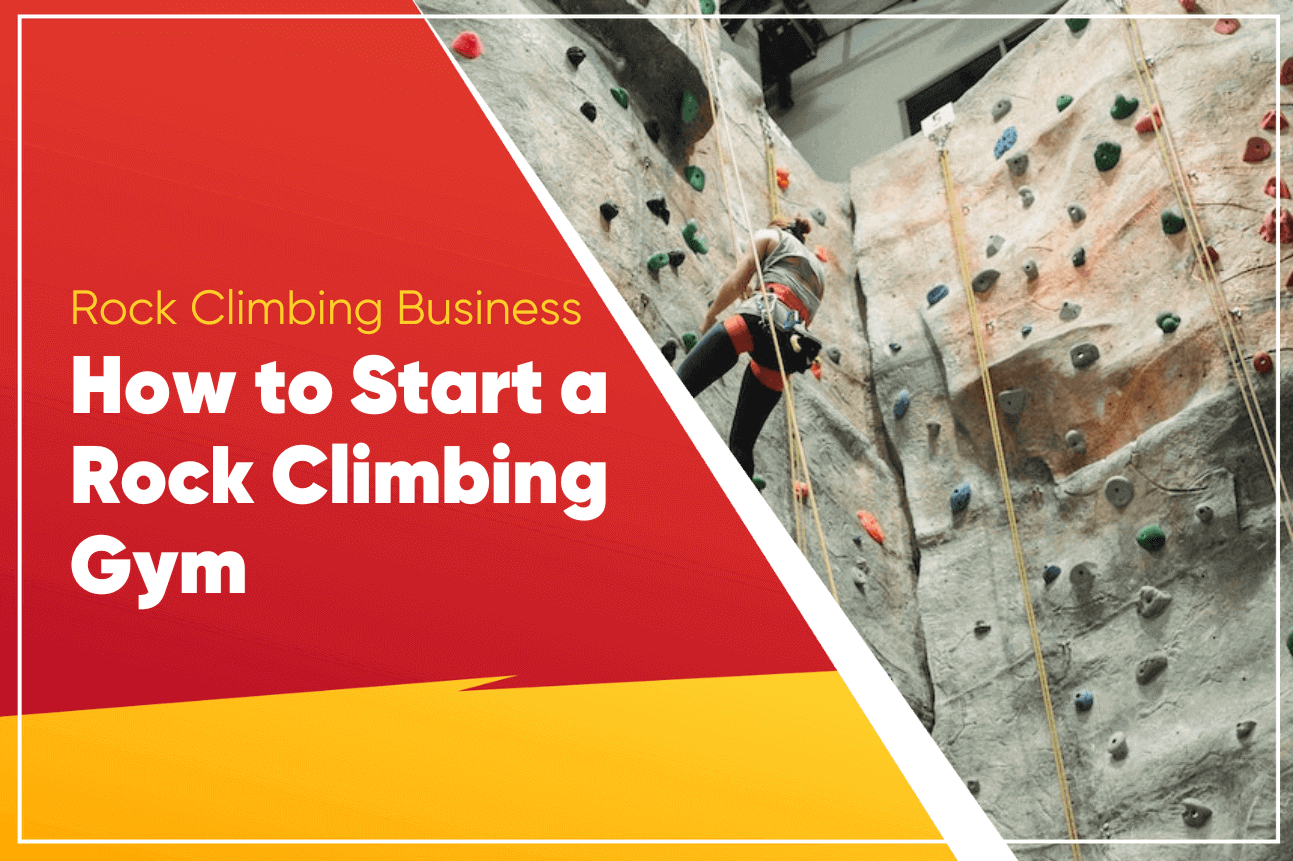
Image Source: gymdesk.com
Grasping the Vision
Before you start building, you need a clear picture of what you want your gym to be. Why do you want to open a climbing gym? What will make your gym special? Answering these questions helps guide all your next steps.
Why a Climbing Gym?
People love climbing. It is fun, a great workout, and builds community. Gyms offer a safe, easy way for people to climb indoors. The demand for climbing keeps growing. Maybe you are a climber who wants to share the sport. Maybe you see a need for a gym in your town. Your passion is key, but you also need to know if people nearby want to climb.
Types of Gyms
Climbing gyms come in different forms. The main types are rope climbing gyms and bouldering gyms.
- Rope Climbing Gyms: These gyms have tall walls. Climbers use ropes and harnesses. They need more space up high. They need staff to manage ropes or people trained to belay (hold the rope for the climber). They offer different types of climbing like top-roping and lead climbing.
- Bouldering Gyms: These gyms have shorter walls, usually under 15 feet high. Climbers do not use ropes. Instead, thick padded mats cover the floor below. Bouldering is about solving short, hard climbing problems. A bouldering gym startup often costs less initially because you do not need ropes, harnesses for everyone, auto-belays, or super tall buildings. Bouldering is very popular and a great way to start smaller.
- Hybrid Gyms: Many gyms offer both rope climbing and bouldering. This gives climbers more choices. It attracts a wider range of people.
Knowing which type of gym you want helps shape your plan, your budget, and your location needs.
Crafting Your Roadmap
Starting any business needs a map. For a climbing gym, this map is your business plan. A good plan helps you think everything through. It shows others you are serious and ready.
The Climbing Gym Business Plan
Your climbing gym business plan is more than just a paper. It is your guide. It helps you see if your idea can work and how to make it happen. Here are the main parts:
- Summary: A short overview of your whole plan. What is your gym? Who will come? How will it make money?
- Company Description: Tell about your business idea. What are its goals? What values will it have?
- Market Analysis: Look at the climbing market. Who are your customers? What other gyms are nearby? How is your gym different or better? Find your target audience (families, students, serious climbers).
- Services: What will your gym offer? Open climbing, classes, youth programs, fitness areas, gear shop, parties?
- Management Team: Who will run the gym? Show you have the right people with skills.
- Marketing and Sales Strategy: How will people find out about your gym? How will you get members?
- Financial Projections: This is about money. How much does it cost to start? How much money will come in? How much will you spend? When will you make a profit?
Writing this plan makes you think hard about every step. It also shows potential lenders or investors you have a solid idea.
Researching the Market
Before you pick a spot or build walls, study the area. Is there a need for a climbing gym?
- Location: Where do people live and work near your planned spot? Is it easy to get to? Is there enough parking?
- Competition: Are there other climbing gyms nearby? What do they offer? How can you be different?
- Demographics: Who lives in the area? Are there families, schools, colleges, young adults? Do they have money to spend on climbing?
- Climbers in the Area: Are there local climbing groups? Meetups? This shows there are already climbers wanting a place.
Doing this homework helps you make smart choices later. It proves your idea has a market.
Counting the Pennies and Pounds
Starting a business costs money. Starting a climbing gym costs a lot of money. You need to know the cost of starting a climbing gym fully. This helps you budget and find the money you need.
Cost of Starting a Climbing Gym
Costs can change a lot based on gym size, location, and if you build new or use an existing building. Here are the big costs:
- Building/Leasing Space: Renting or buying a large building is a major cost. Rent might be high each month. Buying needs a big payment upfront.
- Indoor Climbing Wall Construction: This is usually the biggest cost. Building the walls needs special skills and materials. It costs hundreds of thousands to millions of dollars, based on size and height.
- Climbing Gym Equipment: Ropes, harnesses, mats, holds, auto-belays, brushes, weights, maybe rental shoes. This adds up. Holds alone can cost a lot.
- Building Changes: You might need to add bathrooms, changing rooms, a front desk area, space for classes, or a small shop.
- Permits and Fees: Getting the right papers from the city or town costs money.
- Insurance: You need insurance before you open and all the time you are open.
- Staff: You need to hire people to work at the front desk, set routes, teach classes, and manage things. You pay their wages and possibly benefits.
- Marketing: You need money to tell people about your new gym. Signs, ads, social media.
- Opening Stock: Money for things you sell, like drinks, snacks, chalk, or small gear.
- Reserve Money: It is smart to have money set aside for unexpected costs or slow months when you first open.
Here is a simple look at some possible costs. These numbers can change a lot.
| Cost Area | Estimate (USD) | Notes |
|---|---|---|
| Building/Lease Deposit/First Rent | $10,000 – $100,000+ | Depends on size and location |
| Building Changes/Prep | $50,000 – $500,000+ | Basic cleanup to major build-out |
| Indoor Climbing Wall Construction | $500,000 – $3,000,000+ | Size and complexity drive this cost |
| Climbing Wall Holds | $50,000 – $200,000+ | You need thousands of holds |
| Mats/Flooring (Bouldering) | $100,000 – $500,000+ | Special thick padding needed |
| Ropes, Harnesses, Belay Devices | $20,000 – $100,000+ | For rope gyms |
| Auto-Belays | $10,000 – $30,000 per unit | Useful for rope areas |
| Front Desk/Office Setup | $10,000 – $50,000 | Computers, furniture, software |
| Initial Staff Salaries | $50,000 – $200,000+ | First few months before full income |
| Permits and Legal Fees | $5,000 – $50,000+ | Varies by location |
| Insurance (First Year) | $15,000 – $50,000+ | Liability is key |
| Marketing & Grand Opening | $10,000 – $50,000+ | Telling people you are open |
| Retail Stock (Optional) | $5,000 – $30,000+ | Gear, snacks, drinks |
| Total Estimate | $825,000 – $5,000,000+ | Can be lower for small bouldering gym |
These are just examples. Your real costs will depend on your specific project.
Funding a Climbing Gym
Now you know the cost. How do you get the money? Funding a climbing gym takes work.
- Personal Savings: Using your own money shows you believe in the business.
- Loans: Banks or other lenders can give you a loan. You will need a strong business plan to get one. The Small Business Administration (SBA) in the US offers loans that can help.
- Investors: People or groups might put money into your gym in exchange for part ownership. This often needs a very detailed plan and good presentation skills.
- Friends and Family: People you know might want to help you start.
- Grants: Sometimes there are grants for small businesses or community projects, though less common for for-profit gyms.
- Crowdfunding: Raising small amounts of money from many people, often online. Good for building early excitement.
You might use a mix of these. Getting enough money is one of the hardest parts.
Projecting Financial Health
Your business plan needs to show how the gym will make money and stay healthy over time.
- Revenue: Where will money come from? Memberships (monthly, yearly), day passes, classes, youth programs, birthday parties, gear sales, events.
- Expenses: What will you spend money on? Rent/mortgage, utilities (power, water), staff wages, insurance, maintenance, holds, repairs, marketing.
- Profitability: When will the money coming in be more than the money going out? Your plan should estimate this. Lenders and investors want to see this clearly.
Careful money planning is key to staying open after you launch.
Building Your Space
The building is the heart of your gym. Picking the right one and building the walls safely is very important.
Picking the Right Spot
Location matters a lot for a climbing gym.
- Size: You need a large space. More importantly, you need high ceilings, especially for rope climbing. Old warehouses or industrial buildings often work well.
- Accessibility: Is it easy for people to get to? Near highways, public transport, or in a busy area?
- Parking: Do you have enough parking spots for everyone who wants to come?
- Zoning: Is the building zoned for a business like yours? You need to check local rules before you sign a lease or buy.
- Community: Is the location near where your target customers live, work, or go to school?
The right building makes everything else easier.
Indoor Climbing Wall Construction
Building the walls is complex. It needs experts. Indoor climbing wall construction is not a DIY project for a gym.
- Hire Experts: You will hire a company that specializes in building climbing walls. They know how to design strong, safe walls.
- Design Phase: You work with the builder to plan the wall shapes, angles, heights, and features. This is part of climbing gym design.
- Materials: Walls are usually built with a strong wood frame covered by thick plywood panels. These panels have many holes for attaching holds.
- Structure: The walls must be tied into the building’s structure safely. This needs engineering.
- Safety Standards: Walls must meet strict safety rules. Your builder knows these rules.
This process takes many months. Plan for it in your timeline.
Climbing Gym Design
Beyond just the walls, how the whole gym looks and feels matters. Climbing gym design includes:
- Flow: How do people move through the space? From front desk to changing rooms to bouldering area to rope walls to restrooms?
- Different Areas: Is there clear separation between bouldering and rope climbing? Space for warm-up, training, classes, parties, retail?
- Welcoming Space: Is the entrance friendly? Is there space to hang out, work, or watch others climb?
- Lighting: Good lighting makes holds easy to see and the space feel good.
- Safety Layout: Make sure bouldering mats cover the right areas. Ensure rope lanes are clear.
Good design makes the gym safe and enjoyable for everyone.
Stocking Your Gym
Once the walls are up, you need the gear for people to climb.
Climbing Gym Equipment
You need a lot of gear. The type and amount depends on your gym size and type (bouldering, rope, hybrid).
- Climbing Walls: (Already covered in construction, but they are the biggest piece of equipment).
- Climbing Holds: Thousands of plastic or resin shapes that climbers grab onto. You need a wide variety of sizes, shapes, and colors.
- Crash Pads/Mats: Very thick, soft mats for the bouldering areas to cushion falls. These must cover the entire bouldering floor.
- Ropes: Static ropes for top-roping, dynamic ropes for lead climbing (if applicable).
- Harnesses: Gear that climbers wear around their waist and legs to connect to the rope. You will need rentals.
- Belay Devices: Tools used to manage the rope and catch falls. Different types exist.
- Auto-Belays: Machines that automatically take up slack and lower a climber gently. Useful for areas without partners.
- Rental Shoes: Climbing shoes are tight and sticky for grip. You need a large range of sizes to rent out.
- Chalk: Helps climbers’ hands stay dry. You will sell or provide chalk.
- Brushes: To clean holds.
- Other Gear: Possibly weights, training boards (hangboards, campus boards), yoga mats, gym equipment if you have a fitness area.
- Retail Items: Chalk bags, chalk, tape, brushes, maybe shoes or harnesses to sell.
Buying all this climbing gym equipment is a large part of the startup cost.
Safety First
Safety is the most important thing in a climbing gym.
- Padding: Ensure bouldering mats are placed correctly with no gaps.
- Rules: Have clear rules for using the gym (e.g., how to belay, how to fall in bouldering).
- Staff Training: Your staff must be well-trained in safety procedures, first aid, and rescue.
- Gear Checks: Regularly check ropes, harnesses, and belay devices for wear and tear.
- Route Setting: Routes should be set safely, considering where someone might fall.
Making safety the top priority protects your customers and your business.
Daily Operations
How will the gym run day-to-day?
- Staffing: Who works when? Front desk staff, route setters, coaches, managers. You need enough people for busy times.
- Systems: You need computer systems for check-in, memberships, sales, and waivers.
- Cleaning: Gyms get dusty from chalk. Regular cleaning is important for health and looks.
- Route Setting Schedule: How often will you change the climbs? New routes keep members coming back.
Planning daily tasks makes the gym run smoothly.
Covering Your Bases
Running a business means handling risks and following rules. You need the right protection and papers.
Climbing Gym Insurance
Climbing has risks, even indoors. Climbing gym insurance is a must-have.
- General Liability Insurance: This is the most important. It protects you if someone gets hurt in your gym and claims it was your fault. Accidents can happen.
- Property Insurance: Covers damage to your building and what’s inside (walls, equipment) from things like fire or storms.
- Workers’ Compensation: Covers medical costs and lost wages if an employee gets hurt while working.
- Other Possible Insurance: Umbrella policies for extra coverage, event insurance if you host competitions.
Insurance is a significant ongoing cost, but it protects you from huge financial problems if something goes wrong.
Climbing Gym Permits and Regulations
You must follow local and national rules. Getting all the necessary climbing gym permits and regulations in order takes time.
- Business License: You need a basic license to operate any business.
- Building Permits: For any construction or major changes you make to the building. This includes the climbing walls themselves.
- Zoning Permits: Ensures your business type is allowed in that specific location.
- Fire Safety Codes: You must meet rules about fire exits, sprinklers, and alarms.
- Health and Safety Rules: Rules about restrooms, drinking water, cleanliness.
- Occupancy Permit: This says how many people can be in the building at one time.
- Sign Permits: If you put up outdoor signs.
Work with local officials early to find out all the permits you need. This can take months, so start early. Building inspectors will check your walls and building changes.
Waivers and Risk Management
Even with insurance, you need to manage risk daily.
- Waivers: Every person who climbs must sign a waiver. This form says they understand the risks of climbing and agree not to sue if they get hurt. Get legal advice for your waiver to make sure it is strong.
- Rules Enforcement: Make sure staff enforce all safety rules consistently.
- Training: Offer good intro classes or check-outs to make sure people know how to use equipment safely.
- Maintenance: Fix broken holds, torn mats, or other issues quickly.
A good risk management plan goes hand-in-hand with insurance.
Spreading the Word
Once your gym is ready, people need to know about it! You need a plan to attract customers.
Marketing a Climbing Gym
Getting your name out there is key. Marketing a climbing gym can involve many things:
- Online Presence: A good website is needed. Use social media (Instagram, Facebook, TikTok) to show climbing photos and videos. Run online ads. Use Google My Business so people can find you on maps.
- Local Marketing: Put up flyers in local coffee shops, universities, outdoor stores. Partner with other local businesses. Join local community groups.
- Events: Host open house events, climbing competitions, clinics, or social nights.
- Community Building: Encourage a friendly atmosphere in the gym. Happy members tell their friends. Offer loyalty programs.
- Public Relations: Send a press release to local news outlets about your opening.
Think about who you want to reach and where they get their information.
Grand Opening Plans
Your opening day is a big event. Plan it carefully.
- Date and Time: Pick a good day, maybe a weekend.
- Special Offers: Free entry, discounts on memberships, raffles.
- Activities: Climbing demos, mini-contests, music, food truck.
- Invite Local People: City officials, local influencers, climbing groups.
Make it exciting so people come and see your gym.
Membership Models and Pricing
How will people pay to climb?
- Day Passes: For people visiting for just one day.
- Punch Passes: Buy 5 or 10 visits at once.
- Monthly Memberships: Pay each month for unlimited climbing. This provides steady income.
- Annual Memberships: Pay once for a whole year.
- Special Rates: Discounts for students, youth, families, or off-peak hours.
Look at other gyms in your area for ideas, but set prices that cover your costs and help you reach your financial goals.
Growing Your Vision
Opening is just the start. To succeed long-term, you need to keep improving and connect with your climbers.
Building a Community
Climbing is social. Gyms become places where people meet friends.
- Encourage Socializing: Create spaces for people to relax and talk.
- Host Events: Game nights, movie nights, member appreciation parties.
- Climbing Partners: Help members find partners for rope climbing.
- Staff Engagement: Friendly, helpful staff make people feel welcome.
A strong community makes members happy and keeps them coming back.
Future Growth
Think about what you might do later.
- Classes: Add more types of classes (technique, training, lead climbing).
- Youth Programs: Offer youth teams, after-school programs, summer camps.
- Retail Expansion: Sell more gear, clothing, books.
- Facility Upgrades: Add more training equipment, expand climbing areas if possible.
- Second Location: If the first gym does well, maybe open another!
Having ideas for the future keeps your gym fresh and exciting.
Starting a climbing gym is a challenging but rewarding path. It needs careful planning, money, hard work, and a love for climbing. By breaking it down into clear steps, you can move closer to opening your doors and sharing the joy of climbing with your community.
Frequently Asked Questions (FAQ)
Q: How long does it usually take to open a climbing gym?
A: It takes time. From the first idea to opening day, it often takes 1 to 3 years. Finding a building, getting money, building the walls, and getting permits all take many months.
Q: Do I need climbing experience to start a gym?
A: It helps a lot! Knowing climbing makes it easier to understand the needs of climbers, design the gym, pick equipment, and hire staff. But you can also partner with someone who has climbing knowledge if you have strong business skills.
Q: Is starting a climbing gym profitable?
A: It can be, but it takes time and good management. Startup costs are high. It can take 1-3 years or more to start making a profit. A strong business plan and careful money control are needed.
Q: How many staff members do I need?
A: It depends on the size and hours of your gym. You need staff for the front desk, route setting, cleaning, management, and possibly coaching. A small bouldering gym might start with 5-10 staff members, while a large hybrid gym needs many more.