
Can you start yoga today? Yes! Is yoga hard? No, not at all! Yoga is a kind way to move your body. It helps you feel good. You can begin doing yoga right now. You do not need many things. Yoga is for everyone. It helps your body get strong. It helps your mind feel calm. Let’s look at how you can start today.
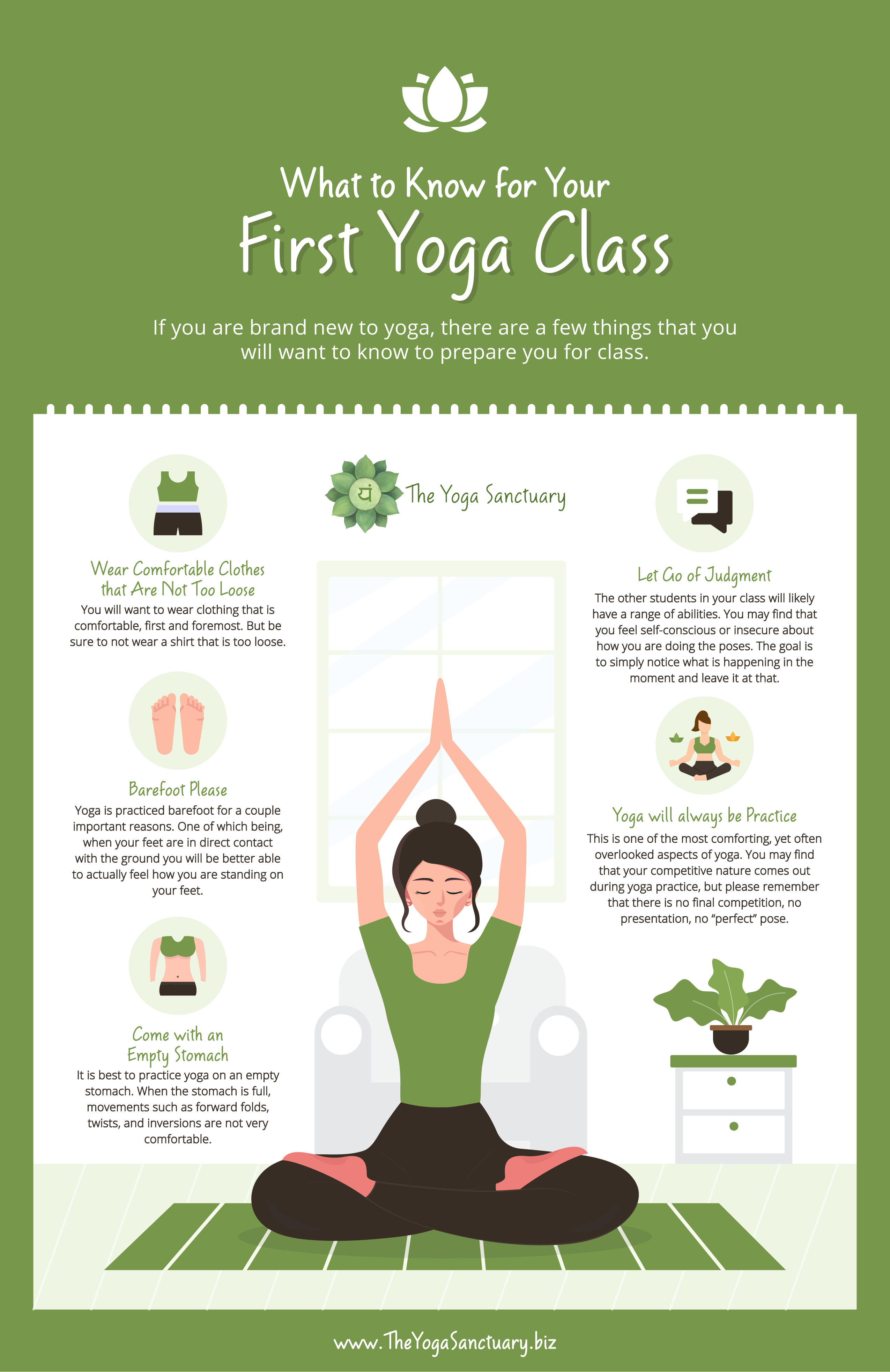
Image Source: www.theyogasanctuary.biz
Why Start Yoga?
Many people enjoy yoga. It helps you feel better. Yoga makes your body strong. It helps you bend and move more easily. This is a key benefit of practicing yoga. Your body feels more open. You feel less stiff.
Yoga is also good for your mind. It helps you feel calm. It can make you less worried. It helps you think clearly. These are all great benefits of practicing yoga.
Doing yoga links your breath to how you move. This helps you relax deeply. It lowers stress in your body and mind. It makes you feel more peaceful inside.
Yoga is good for your heart. It helps your blood move well. It can make you feel more alive.
Yoga can also help with pain. It might make your back feel better. It can help tight hips. It can help your knees feel strong. Doing yoga often helps your body feel its best.
Think of yoga as a tool. It helps you care for yourself. It helps you feel strong and calm every day.
Here are some good things yoga does for you:
- Stronger Body: Your muscles get stronger. You can do more things easily.
- More Flexible: Your body can move in bigger ways. Bending and reaching feel easier.
- Better Balance: You stand more steadily. You are less likely to fall.
- Less Stress: Your mind feels quieter. Worries seem smaller.
- More Peaceful: You feel calm inside. Life feels less rushed.
- Better Sleep: You fall asleep faster. You sleep more deeply.
- Helps Focus: Your mind stays on one thing. You can think better.
- Less Pain: Muscles feel less tight. Joints feel better.
- Better Posture: You stand up straighter. You look and feel more confident.
These benefits of practicing yoga grow over time. The more you practice, the better you feel.
What You Need To Begin
Starting yoga is easy. You do not need a lot of fancy things. Let’s look at basic yoga equipment for beginners.
The main thing you need is a yoga mat. A mat gives you a soft place. It stops you from slipping. You can find simple mats online or in shops. You do not need an expensive one to start. A basic mat works just fine.
You need clothes you can move in. Wear soft clothes. They should stretch. T-shirts and leggings or shorts work well. Your clothes should not feel too tight. They should not get in your way.
Some things can help you more. These are not must-haves at first. But they can make poses easier.
- Yoga Blocks: These are firm blocks, often made of foam. You can put your hands on blocks in some poses. They help you reach the floor. They make some poses more gentle.
- Yoga Strap: This is a long piece of fabric. You can use it to hold onto your feet. It helps you stretch more deeply. It is good if your body is not very flexible yet.
- Blanket: A folded blanket can make sitting more comfy. It lifts your hips. This helps your back feel straight. It can also be used to cushion knees.
You do not need all these things right away. Just a mat and comfy clothes are fine. You can add the other things later if you like.
For your space: find a quiet spot. Make sure you have room to stretch your arms and legs. It can be in your living room. It can be in your bedroom. Just make sure you have space to move freely.
Where To Practice Yoga
You have choices for where to do yoga. You can do yoga for beginners at home. Or you can go to a yoga studio. Both are good ways to start.
Yoga At Home
Many people start yoga at home. It is easy and free. You can do it any time you like. You can wear what you want. No one is watching you.
- Easy to Start: You just need a small space. Put down your mat.
- Save Money: You do not pay for classes.
- Your Own Time: Practice when you want. Morning or night.
- Feel Safe: You are in your own place. No one sees you learning.
You can find many yoga videos online. Look for “beginner yoga.” Find videos that feel right for you. Try different teachers. See whose style you like.
Set up a special spot at home. It does not need to be big. Just a corner where you can place your mat. Keep it tidy. This helps your mind get ready for yoga.
Yoga for beginners at home is a great way to build a habit. You can do a little yoga every day. Even just 15 minutes helps.
Going To A Yoga Studio
Some people like going to a studio. A studio is a place just for yoga. You go to classes there.
- Learn From a Teacher: A teacher can watch you. They can help you do poses safely. They can show you how to move.
- Be With Others: You practice with other people. This can feel nice. It can make you feel part of a group.
- Set Time: Classes are at certain times. This helps you go often.
- Quiet Space: Studios are made for yoga. They are often calm and peaceful places.
If you want to try a studio, look for beginner classes. These classes are for new students. The teacher will go slowly. They will show you the basic yoga sequence.
Finding a yoga studio can be simple. Search online for studios near you. Look at their class list. Find classes for new students. Call or email them if you have questions. Ask about beginner classes. Ask what you should bring.
When you go to a studio, arrive a little early. Tell the teacher you are new. They can help you feel welcome.
Both home practice and studio classes are good. You can even do both! Try home yoga first. See how you like it. If you want to learn from a teacher or be with others, try a studio.
Discovering Types of Yoga
There are many kinds of yoga. As a beginner, you can start with simple styles. These types of yoga for beginners move slower. They help you learn the basic poses.
- Hatha Yoga: This is a good place to start. Hatha classes often move slowly. They focus on holding poses. You learn how to stand, sit, and stretch. You learn basic yoga poses. Teachers explain things clearly.
- Gentle Yoga: This is even softer than Hatha. Poses are very easy. The pace is slow. It is good if your body feels stiff or sore. It is very kind to your body.
- Yin Yoga: This style holds poses for a long time. You sit or lie down in poses. You hold them for 2 to 5 minutes. It helps stretch deep parts of your body. It is quiet and calm. It is good for relaxing.
- Restorative Yoga: This yoga is all about resting. You use props like blankets and blocks. These props hold your body up. You relax fully in each pose. It is very calming. It helps you feel very rested.
Avoid fast-paced yoga styles at first. Styles like Vinyasa or Ashtanga move quickly. They might be too hard when you are new. Start with Hatha, Gentle, Yin, or Restorative. These styles are good types of yoga for beginners. They help you build strength and learn safely.
Beginning Your Practice: Poses and Sequences
Now let’s talk about doing yoga. You will learn some simple moves. These are called poses, or asanas. You will also learn how to link poses. This is called a sequence.
Simple Beginner Yoga Poses
Here are some easy yoga poses for beginners. Practice these to start. Do them slowly. Feel how your body moves.
- Mountain Pose (Tadasana):
- Stand tall.
- Place your feet together or a little apart.
- Keep your arms down by your sides.
- Stand up straight.
- Feel your feet on the floor.
- Reach the top of your head up.
- Breathe in and out slowly.
- This pose helps you feel grounded. It helps your posture.
- Child’s Pose (Balasana):
- Kneel on your mat.
- Touch your big toes together.
- Open your knees wide or keep them close.
- Bend forward from your hips.
- Put your belly between your thighs (if knees are wide).
- Lay your forehead on the mat.
- Reach your arms forward or back by your feet.
- Breathe softly.
- This pose is for resting. It helps you feel safe and calm.
- Cat-Cow Pose (Marjaryasana-Bitilasana):
- Get on your hands and knees.
- Put your hands under your shoulders.
- Put your knees under your hips.
- As you breathe in, drop your belly. Lift your chest and tailbone. Look up a little. (This is Cow pose).
- As you breathe out, round your back up like a cat. Tuck your chin to your chest. (This is Cat pose).
- Do this slowly with your breath.
- Repeat many times.
- This warms up your spine. It links breath and movement.
- Downward-Facing Dog (Adho Mukha Svanasana) – Simple version:
- Start on your hands and knees.
- Place your hands a little in front of your shoulders.
- Spread your fingers wide.
- Tuck your toes under.
- Lift your hips up and back.
- Make your body like an upside-down V shape.
- Let your head hang loose.
- You can bend your knees a lot here! Do not try to make your legs straight.
- Push into your hands. Send your hips high.
- This stretches your back and legs. It builds strength.
- Cobra Pose (Bhujangasana) – Simple version:
- Lie on your belly.
- Place your hands under your shoulders.
- Keep your elbows close to your body.
- Keep your legs straight behind you.
- As you breathe in, press your hands down.
- Lift your chest off the mat a little.
- Keep your hips on the floor.
- Do not lift too high. Just a small lift is good.
- Look slightly forward.
- Breathe out and lower down.
- Repeat a few times.
- This helps open your chest and back.
- Warrior II Pose (Virabhadrasana II) – Simple version:
- Stand up tall.
- Step one foot back a good distance.
- Turn your back foot out to the side.
- Bend your front knee. Keep your front knee over your ankle.
- Keep your back leg strong and straight.
- Lift your arms out to the sides. They are in a line from front to back.
- Look over your front hand.
- Stand strong like a warrior.
- Breathe steadily.
- Hold for a few breaths.
- Straighten the front leg. Step feet back together.
- Do the same on the other side.
- This builds strong legs and opens your hips.
Try these beginner yoga poses one by one. See how they feel. It is okay if they do not look perfect. What matters is how they feel in your body.
Trying a Basic Yoga Sequence
A sequence is just a few poses linked together. It helps your body move in a flow. Here is a simple basic yoga sequence you can try.
- Start in Mountain Pose. Stand tall. Breathe here for a few breaths. Feel grounded. (30 seconds)
- Reach your arms up. Breathe in as you lift your arms over your head. (5 seconds)
- Fold forward. Breathe out as you bend from your hips. Let your body hang down. You can bend your knees a lot. (15 seconds)
- Come to your hands and knees. Slowly lower down onto your hands and knees. (5 seconds)
- Do Cat-Cow. Breathe in for Cow pose. Breathe out for Cat pose. Do this 5 times. (30 seconds)
- Move to Child’s Pose. Sit back on your heels. Rest here. Breathe softly. (30 seconds)
- Come back to hands and knees. Get ready for the next pose. (5 seconds)
- Do simple Cobra Pose. Lie on your belly. Lift your chest a little as you breathe in. Lower as you breathe out. Do this 3 times. (30 seconds)
- Move back to Child’s Pose. Rest again. (30 seconds)
- Sit up. Slowly come up to a sitting position. Cross your legs or sit on your heels. Sit tall. (10 seconds)
- Rest. Close your eyes if it feels good. Just sit and breathe. Feel your body. Feel calm. (1-2 minutes)
This is a very simple basic yoga sequence. It moves slowly. It includes resting poses. It warms up your back. It helps you feel centered. You can do this whole sequence in about 5-10 minutes.
As you get used to it, you can try adding more poses. You can hold poses longer. But start simple. Learn the poses first.
Breathing Easy: Yoga Breathing Exercises
Breathing is a big part of yoga. How you breathe matters. Yoga uses special breathing ways. They help you feel calm and focused. These are called yoga breathing exercises.
The most simple breathing is just paying attention. Sit or lie down. Breathe in and out through your nose. Feel the air go in. Feel the air go out. Do not change your breath. Just watch it. This helps calm your mind.
Here is one simple yoga breathing exercise:
- Easy Three-Part Breath (Dirga Pranayama):
- Sit or lie down. Place one hand on your belly. Place the other hand on your chest.
- Breathe in slowly through your nose. Feel your belly fill with air like a balloon. Your hand on your belly moves up.
- Keep breathing in. Feel your ribs expand sideways.
- Keep breathing in. Feel your chest rise a little. Your hand on your chest moves up.
- You filled your low belly, then your sides, then your chest. This is like filling a glass from the bottom up.
- Now breathe out slowly through your nose. Feel your chest fall. Feel your ribs move in. Feel your belly soften and fall back down. This is like emptying the glass from the top down.
- Breathe in: belly, ribs, chest.
- Breathe out: chest, ribs, belly.
- Do this 5-10 times.
- Feel your breath move like a gentle wave inside you.
This breath helps you feel full of air. It helps calm your nerves. It makes your breath slow and steady. This is a great yoga breathing exercise to do any time you feel stressed.
In yoga poses, you will often hear the teacher say to link breath and movement. For example, breathe in to lift your arms. Breathe out to bend forward. Try to do this. Your breath helps you move more smoothly. It helps keep your mind on what you are doing.
Do not worry about doing the breath perfectly. Just try to breathe smoothly. Breathe in and out through your nose if you can.
Hints for New Yoga Students
Starting something new can feel strange. Here are some yoga tips for beginners. They can help you feel more at ease.
- Listen to Your Body: This is the most important tip. Your body is wise. It will tell you what feels good. It will tell you what does not feel good. Do not push into pain. If a pose hurts, stop. Or make it softer. Use props like blocks if they help. Every day is different. Some days you feel more open. Some days you feel more tight. Be kind to yourself.
- Do Not Compare: Do not look at others (in a class or online) and think you should look like them. Everyone’s body is different. Everyone is on their own path. Yoga is not a contest. It is about you and your body and breath.
- Practice Often: Even short practices help. Try to do yoga a few times a week. Even 10-15 minutes helps. Doing yoga regularly is better than doing a long practice once in a while. Build a habit.
- Be Patient: Your body will change over time. You will get stronger. You will get more flexible. But it takes time. Do not rush it. Enjoy the journey.
- It’s Okay to Rest: Child’s Pose is your friend. If you feel tired or need a break, go to Child’s Pose. Rest whenever you need to.
- Ask Questions: If you go to a studio, ask the teacher questions after class. If you practice at home, you can search online if you are unsure about a pose.
- Have Fun! Yoga should feel good. It should not feel like a chore. Enjoy the movement. Enjoy the calm feeling.
These yoga tips for beginners will help you start safely and happily.
Putting It Together: A Beginner Yoga Routine
How can you put this all together? You can create a simple beginner yoga routine. This is a plan for your practice.
Here is an idea for a simple daily routine:
- Wake Up: Sit up in bed or on the floor.
- Breath (5 minutes): Close your eyes. Just notice your breath. Or do the Three-Part Breath.
- Simple Moves (5-10 minutes): Do some Cat-Cow poses. Maybe sit and twist gently. Do a few slow movements that feel good for your back and shoulders.
- Short Sequence (5-10 minutes): Do the basic yoga sequence listed earlier. Or try a short beginner video online.
- Rest (5 minutes): Lie down flat on your back. Close your eyes. Let your body be soft. Just rest and breathe. This is called Savasana (Corpse Pose). It is very important.
This beginner yoga routine is only about 20-30 minutes. You can do it in the morning. You can do it in the evening. Even just doing the breath and a few moves is great.
On some days, you might have more time. You could try a longer online class. Or go to a studio class. On busy days, maybe you just do 5 minutes of breathing and one pose.
The key is to do something often. A regular beginner yoga routine helps you feel the benefits.
Here is a possible weekly routine idea:
- Monday: 20-minute home practice (basic sequence + breathing + rest).
- Tuesday: Rest day or 5 minutes of breathing.
- Wednesday: 30-45 minute online beginner class.
- Thursday: Rest day or 5 minutes of gentle stretches.
- Friday: 20-minute home practice (try different poses).
- Saturday: Maybe try a beginner class at a studio (Finding a yoga studio).
- Sunday: Restorative or Yin yoga video at home (calm and gentle).
This is just an idea. Make your routine work for your life. The best routine is the one you will actually do.
Getting Started at a Studio
If you choose to try a studio, here are a few more hints.
- Arrive Early: Get there 10-15 minutes before class starts. This gives you time to sign in. You can find a spot for your mat. You can tell the teacher you are new.
- Bring Your Mat (Usually): Most studios want you to bring your own mat. Check their website or ask. Some rent mats.
- Quiet Your Phone: Turn your phone off or put it on silent. This helps keep the space peaceful.
- Stay for Rest: At the end of class, there is almost always a rest time (Savasana). This is important! Do not skip it. It helps your body and mind take in the practice.
- Hydrate: Drink water after class.
Going to a studio is a step outside your comfort zone for some people. But teachers are used to beginners. Everyone started somewhere. Just be brave and try it!
Questions People Often Ask
Here are answers to some common questions about starting yoga.
What if I am not flexible?
Many people think they need to be flexible for yoga. This is not true! Yoga helps you become more flexible. You start as you are. Poses can be changed to fit your body. Use props like blocks and straps. Do not try to touch your toes if you cannot. Just go as far as feels okay. Your flexibility will improve the more you practice.
What if I have pain in my body?
If you have pain, talk to a doctor first. Tell the yoga teacher about your pain before class starts. They can tell you poses to be careful with. Or they can show you softer ways to do poses. Listening to your body is key. Do not do anything that makes your pain worse. Gentle yoga or Restorative yoga might be good styles to start with.
How long should a practice be?
Even 5-10 minutes helps! If you are busy, do a short practice. If you have more time, do 30-60 minutes. Doing yoga often is more important than doing it for a long time each session. Find what works for your day.
What should I eat before yoga?
It is best not to eat a big meal right before yoga. Your belly might feel full or upset in some poses. If you need to eat, have a small snack about 1-2 hours before. Like a piece of fruit. Drink water before and after, not usually during class unless you need a little sip.
Is yoga a religion?
No, yoga is not a religion. People of any faith or no faith can do yoga. Yoga came from ancient India. It has roots in old ways of thinking. But modern yoga in studios is mostly about movement, breath, and feeling calm. It is a way to care for your health.
What is the goal of yoga?
For many people today, the goal is to feel better in their body and mind. To be less stressed. To feel more peaceful. To connect with themselves. It is a way to feel healthy and happy.
Starting yoga is a kind thing you can do for yourself. It helps your body. It helps your mind. It does not have to be hard. Just start small. Do a little bit today. Find a simple pose or two. Breathe. Rest. You can start your yoga journey simply today. Enjoy the process!