
How can you start doing yoga? You can begin yoga right now! It’s easy to get started, even if you have never done it before. You don’t need to be flexible or strong. Yoga is for everyone. It helps your body and your mind. This guide will show you simple steps to begin your yoga path today.
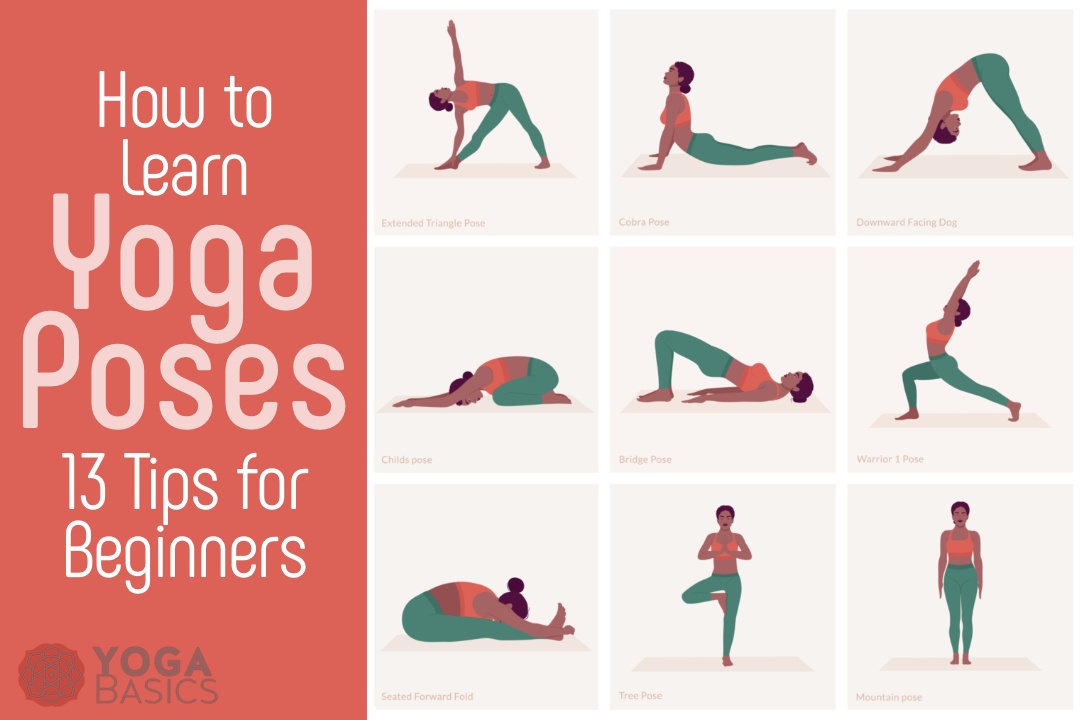
Image Source: www.yogabasics.com
Grasping What Yoga Is
Yoga is more than just bending your body into shapes. It’s an old practice that comes from India. It joins the body, breath, and mind. People do yoga to feel better in many ways.
Yoga uses poses for the body. These are called asanas. It uses breathing tricks. These are called pranayama. It also uses quiet thinking. This is called meditation or dhyana. All these parts work together. They help you feel calm, strong, and peaceful.
Think of yoga as a path. It’s a way to connect with yourself. It helps you slow down in a busy world. You learn to listen to your body. You learn to calm your thoughts. It’s a journey, not a race.
The Great Things Yoga Does
Many people start yoga for their body. They want to be more bendy. They want to get stronger. Yoga does help with these things. But it gives you much more. Here are some Benefits of yoga:
- Makes you more flexible: Yoga helps your muscles stretch. This lets you move more freely.
- Builds strength: Holding poses makes your muscles work. Over time, you get stronger.
- Helps your posture: Standing and sitting taller comes naturally.
- Lessens back pain: Gentle poses can ease aches.
- Boosts your heart health: Some types of yoga get your blood pumping.
- Makes you feel less stressed: Yoga calms your nervous system. This cuts down on stress feelings.
- Helps you sleep better: A calm mind and body help you rest well.
- Boosts your mood: Moving your body and breathing well can make you feel happier.
- Gives you more energy: You might feel more lively after yoga.
- Helps you focus: Yoga teaches you to pay attention to one thing at a time. This helps your mind outside of yoga too.
These good things build up over time. The more you do yoga, the more you get from it.
What Things Do You Need?
You don’t need much to start yoga. Really, you need very little. Here is the basic Yoga equipment needed:
- A yoga mat: This is the main thing. A mat stops you from slipping. It also makes hard floors softer for your body. Mats come in many prices. For starting, a basic mat is fine. Look for one that isn’t too thin or too slippery.
- Comfortable clothes: Wear clothes you can move in easily. Leggings, shorts, and a t-shirt work well. Make sure they don’t pinch or pull. You want to feel free to stretch.
- A water bottle: Stay hydrated, especially if you do a warm or active class.
That’s really it for starting! Later on, you might want other things.
h4 Additional helpful items
- Yoga blocks: These are foam or cork bricks. They help you reach the floor in some poses. They make poses easier if you are not very flexible yet.
- A yoga strap: This is a long piece of cloth. It helps you hold onto your feet or hands in stretches. It makes stretches more open without strain.
- A yoga bolster: This is a firm pillow. It helps support your body in resting poses. It feels very nice for relaxation.
- A blanket: A folded blanket can cushion your knees or sit bones. It can also keep you warm in quiet poses.
Don’t buy these extra things right away. Try yoga first. See if you like it. Then you can add things as you need them.
Finding Your Kind of Yoga
Yoga comes in many styles. Some are fast. Some are slow. Some are hot. Some are quiet. For beginners, it’s good to pick a style that is not too hard. Here are some Types of yoga for beginners:
- Hatha Yoga: This is a classic style. It’s usually slow-paced. You hold poses for a few breaths. It’s great for learning the basic poses. It helps you learn to link breath and movement. Many beginner classes are Hatha.
- Vinyasa Yoga: This style is more active. You move from one pose to the next with your breath. It can feel like a dance. Beginner Vinyasa classes move slowly. They teach you how to flow. It can build heat in the body.
- Iyengar Yoga: This style uses props a lot. It focuses on getting the pose shape just right. It is slower than Vinyasa. It is very good for learning safe body alignment. It helps prevent injuries. It’s great if you like details.
- Restorative Yoga: This is a very gentle style. You hold poses for a long time. You use many props like bolsters and blankets. The poses are easy and relaxing. It helps calm your nervous system deeply. It’s good for stress or when you feel tired.
- Yin Yoga: This style holds poses for several minutes. It works on the deep tissues in your body, like joints and ligaments. It’s slow and quiet. It can feel intense because you hold the stretch for a long time. It helps you learn to sit with feeling.
For your very first class, look for one named “Beginner,” “Gentle,” or “Level 1.” This way, the teacher will explain things clearly. They will help you learn the ropes.
Picking a Place to Do Yoga
You have choices for where to practice. You can go to a studio or do it at home.
h4 Finding a yoga class
Going to a studio or gym has good points.
- A teacher guides you: An experienced teacher can show you how to do poses safely. They can help you if a pose feels wrong.
- You feel the group energy: Being in a room with others doing yoga can be inspiring.
- Set class times help you stick to it: Having a schedule can make it easier to go often.
- They have equipment: Studios often have mats, blocks, straps, and blankets you can use.
To find a class, search online for “yoga studios near me.” Look at their schedule. Find a beginner class. Call or email them if you have questions. Tell them you are new to yoga.
h4 Yoga for beginners at home
Doing yoga at home is also a great choice.
- It’s easy and fits your time: You can do yoga any time of day or night.
- It can cost less: Many online resources are free or cheaper than studios.
- You can wear what you want: No need to worry about how you look.
- You learn at your own speed: You can pause videos or stay in a pose longer.
To do yoga at home, find a space where you have room to move. Use your mat. You can find many Yoga for beginners at home guides and videos online. YouTube has tons of free yoga videos for beginners. Many yoga websites and apps offer classes. Look for videos that are marked “beginner” or “gentle.” Start with short ones, maybe 15-20 minutes.
Here is a table showing pros and cons of each:
| Where to Practice | Good Points | Things to Think About |
|---|---|---|
| Yoga Studio/Gym | Teacher guidance, Group feeling, Set times | Costs money, Needs travel, Set schedule |
| Doing it at Home | Flexible time, Can be free/cheap, Private | No teacher help, Need self-discipline |
Both ways work. Pick what feels best for you right now. You can always try the other way later.
Learning Simple Poses
Let’s look at some Beginner yoga poses. These are basic shapes you will see often. Try them slowly. Do not push yourself too hard. If something hurts, stop or make it easier.
h4 Mountain Pose (Tadasana)
This pose is standing still. It might seem simple, but it’s key.
* Stand with your feet together or hip-width apart.
* Stand tall. Feel your feet on the ground.
* Lift your toes, then spread them wide and put them back down.
* Pull your belly button gently in.
* Roll your shoulders up, back, and down. Let your arms hang by your sides.
* Look straight ahead. Breathe slowly and evenly.
This pose helps you feel grounded. It teaches good posture.
h4 Child’s Pose (Balasana)
This is a resting pose. It feels good for your back and hips.
* Kneel on your mat.
* Sit back on your heels.
* Bring your big toes to touch.
* Open your knees wide, or keep them closer together.
* Fold your body forward over your thighs.
* Rest your forehead on the mat.
* Stretch your arms forward or bring them back by your sides.
* Breathe deeply here. Let your body relax.
Use this pose any time you need a break during practice.
h4 Downward-Facing Dog (Adho Mukha Svanasana)
This pose stretches your whole body. It is upside down.
* Start on your hands and knees. Hands under shoulders, knees under hips.
* Spread your fingers wide. Press into your palms.
* Lift your hips up and back. Make your body like an upside-down ‘V’.
* Your legs can be bent a lot here. Don’t worry if your heels don’t touch the floor.
* Let your head hang gently.
* Look back at your feet or knees.
* Press your hands down and forward. Lift your hips higher.
* Hold for a few breaths.
This pose is great for stretching hamstrings and shoulders.
h4 Warrior II (Virabhadrasana II)
This is a standing pose that builds strength.
* Stand with your feet wide apart.
* Turn your right foot out to the side (90 degrees). Turn your left foot in a little (about 45 degrees).
* Line up the heel of your right foot with the middle of your left foot.
* Bend your right knee over your right ankle. Keep the knee pointing straight ahead.
* Lift your arms up to shoulder height. Stretch them out to the sides.
* Look over your right fingertips.
* Keep your chest open. Shoulders relaxed.
* Hold strong for a few breaths. Repeat on the other side.
This pose makes your legs strong and opens your hips and chest.
h4 Tree Pose (Vrksasana)
This pose helps you balance.
* Start in Mountain Pose (standing tall).
* Shift your weight onto your left foot.
* Lift your right foot off the floor.
* Place the sole of your right foot on your left ankle, calf, or inner thigh. Avoid putting it right on your knee joint.
* Bring your hands together at your chest. Or stretch your arms up over your head.
* Find something to look at that doesn’t move. This helps with balance.
* Stand tall and steady.
* Hold for a few breaths. Repeat on the other side.
Balancing poses help your focus and build ankle strength.
h4 Easy Pose (Sukhasana)
This is a simple sitting pose. It’s good for breathing or meditation.
* Sit on the floor with your legs crossed.
* You can put a blanket or cushion under your hips to feel more comfy.
* Sit up tall. Don’t let your back round.
* Rest your hands on your knees or lap.
* Close your eyes or look softly forward.
* Just sit and breathe.
This pose helps you find a calm sitting position.
Practice these poses a few times. Get to know how they feel in your body.
Putting Poses Together
Once you know a few poses, you can link them up. This is called a sequence or flow. A Basic yoga sequence for beginners can be short and sweet. Here is an idea for a simple practice you can do at home:
Simple Beginner Sequence (about 15-20 minutes)
- Start Sitting: Sit in Easy Pose (Sukhasana) for 2-3 minutes. Focus on your breath. Just sit quietly.
- Cat-Cow Pose (Marjaryasana to Bitilasana):
- Start on your hands and knees.
- As you breathe in, drop your belly, lift your chest and tailbone (Cow pose).
- As you breathe out, round your back, tuck your chin to your chest (Cat pose).
- Repeat 5-10 times. This warms up your spine.
- Child’s Pose (Balasana): Sit back for 1-2 minutes. Rest and breathe.
- Downward-Facing Dog (Adho Mukha Svanasana): Stay for 5-8 breaths. Pedal your feet out if it feels good.
- Standing Forward Bend (Uttanasana): From Downward Dog, walk your hands back to your feet. Let your body hang over your legs. You can bend your knees a lot. Shake your head yes and no. Stay for 5 breaths.
- Mountain Pose (Tadasana): Slowly roll up to stand. Stand tall in Mountain Pose for 5 breaths.
- Tree Pose (Vrksasana): Do Tree Pose on your left leg for 5 breaths. Then on your right leg for 5 breaths.
- Warrior II (Virabhadrasana II): Do Warrior II with your right leg forward for 5 breaths. Then with your left leg forward for 5 breaths.
- Mountain Pose (Tadasana): Come back to standing tall.
- Sit Down: Come back to sit on your mat.
- Easy Pose (Sukhasana): Sit quietly for a few breaths.
- Corpse Pose (Savasana): Lie flat on your back. Let your arms and legs relax. Close your eyes. This is the final rest pose. It is very important. Stay here for 5-10 minutes. Let your body soak in the good feelings from your practice.
- Finish: Gently wiggle your fingers and toes. Stretch if you want. Roll to one side. Use your hands to push yourself back up to sit.
This is just one idea. You can find many basic sequences online. The key is to move slowly. Listen to your body. Breathe with your movements.
Learning to Breathe
Yoga is not just about poses. The breath is a big part. It connects your body and mind. Yoga breathing exercises are called pranayama. They help calm your mind and give you energy.
h4 Simple Breath Awareness
The easiest way to start is just by noticing your breath.
* Sit or lie down in a comfy spot.
* Close your eyes.
* Just feel your breath. Notice it going in and out.
* Don’t try to change it. Just watch it.
* Where do you feel it? In your belly? Your chest? Your nose?
* Stay here for a few minutes.
This simple practice helps you become more present.
h4 Three-Part Breath (Dirga Pranayama)
This breath fills your whole body.
* Lie on your back or sit up tall.
* Breathe in slowly through your nose.
* First, fill your belly like a balloon.
* Then, let the air fill your rib cage, making it expand out.
* Finally, feel the air fill your upper chest, lifting your collarbones a little.
* Breathe out slowly through your nose.
* Empty your upper chest first.
* Then let the ribs soften down.
* Last, pull your belly button towards your spine to push all the air out.
* Repeat this full breath 5-10 times.
This breath is calming. It helps you breathe more fully.
h4 Victorious Breath (Ujjayi Pranayama)
This breath makes a soft sound in your throat. It’s used in many yoga classes.
* Sit up tall.
* Take a breath in through your nose.
* As you breathe out through your nose, slightly close the back of your throat. Make a soft sound like ocean waves or Darth Vader.
* Try it breathing in too. Slightly close your throat to make the same soft sound as you inhale through your nose.
* Keep the sound even on the inhale and exhale.
* This breath helps keep your mind focused. It builds gentle heat inside.
Practice these breathing tricks for a few minutes each day. You can do them anytime, anywhere.
Resting Your Mind
Yoga also includes quiet time. This is called Yoga meditation for beginners. Meditation helps calm the busy mind. It’s about being still and present.
h4 Starting Simply
You don’t need to empty your mind. Just try to sit quietly.
* Find a quiet spot.
* Sit in Easy Pose or lie down in Savasana.
* Set a timer for 5 minutes.
* Close your eyes.
* Just notice your breath. When your mind wanders (and it will!), gently bring it back to your breath.
* Don’t judge your thoughts. Just let them pass like clouds.
* When the timer rings, slowly open your eyes.
Start with just 5 minutes. Add a minute or two each week if you like it.
h4 Guided Meditation
Many apps and videos offer guided meditations. Someone talks you through it. This can be easier for beginners. Search for “beginner guided meditation” online.
Meditation might feel hard at first. It’s okay! It takes practice, like the poses. Even a few minutes of quiet sitting can help you feel more calm.
Staying Safe While You Practice
Yoga is usually very safe. But it’s good to keep some Yoga safety tips in mind.
- Listen to your body: This is the most important rule. Yoga is not about pushing through pain. If a pose hurts, stop. Back off. Or try a simpler version. Pain is your body telling you something is wrong. Discomfort is okay, sharp pain is not.
- Don’t compare yourself to others: Everyone’s body is different. What one person can do, you might not be able to, and that’s okay! Focus on how the pose feels in your body, not how it looks.
- Use props: Blocks, straps, and blankets are your friends! They help you get the right shape safely. Don’t think using props means you are not good at yoga. It means you are smart and caring for your body.
- Warm up first: Don’t jump into hard poses when your body is cold. The Cat-Cow sequence is a good warm-up.
- Move slowly: Especially when you are new. Learn the poses slowly. Move into and out of them with care.
- Breathe: Keep breathing smoothly during poses. Holding your breath can create tension.
- Tell your teacher about injuries: If you are in a class, tell the teacher if you have any old injuries or body issues. They can show you how to change poses to be safe for you.
- Don’t eat a big meal right before: It’s best to practice on a mostly empty stomach. Wait 2-3 hours after a large meal.
Yoga should feel good, most of the time. There might be effort, but not sharp pain. Be kind and patient with your body.
Making Yoga a Habit
Starting is one thing. Keeping it up is another! Here are tips for making yoga a regular part of your life.
- Start small: Don’t try to do an hour-long class every day. Start with 15-20 minutes, 2-3 times a week. It’s better to do a little bit often than a lot just once.
- Pick a time: Find a time of day that works for you. Morning? Evening? Lunch break? Try to do it around the same time.
- Find your space: Set up a small area in your home where you can keep your mat rolled out or handy.
- Schedule it: Put your yoga time on your calendar like any other important meeting.
- Try different ways: Do a class one day, a home video another, maybe just 10 minutes of stretching and breathing on a third day. Keep it fresh.
- Be kind to yourself: You will miss days. That’s okay! Just start again the next day. Don’t give up.
- Think about how it makes you feel: After yoga, notice if you feel calmer, stronger, or happier. Remembering these good feelings can help you want to do it again.
Making yoga a habit takes time. Give yourself grace. Each time you come back to the mat, it counts.
Watching How You Change
As you do yoga, you might notice changes. These can be big or small.
- In your body: Do you feel a bit stronger? More bendy? Is your balance better? Does your back hurt less?
- In your mind: Are you calmer? Less stressed? Do you focus better? Do you react less to annoying things?
- In your breath: Is your breath deeper? Does it feel smoother?
Keep a simple note in your phone or a small book. Write down how you felt before and after yoga. Write down any new poses you tried. This helps you see your progress. It keeps you going!
Common Questions About Starting Yoga
h4 FAQ for New Yoga Students
- Q: Do I need to be flexible to start yoga?
- A: No, not at all! Yoga helps you become more flexible. You start where you are.
- Q: What if I can’t touch my toes?
- A: Most people can’t at first! That’s okay. Yoga isn’t about touching your toes. It’s about stretching safely. Blocks and straps help a lot.
- Q: How often should I do yoga?
- A: Starting with 2-3 times a week is great. Even 15-20 minutes per session is good. Do what you can manage.
- Q: Is yoga a sport?
- A: It can build strength and fitness like a sport. But it also has parts for the mind and spirit. It’s more than just exercise for many people.
- Q: Can yoga help me lose weight?
- A: More active types of yoga can burn calories. But yoga’s main help is often stress relief, which can help with weight management. It also makes you more aware of your body and health.
- Q: What should I eat before yoga?
- A: It’s best not to eat a heavy meal 2-3 hours before. A light snack an hour before is usually fine if you are hungry.
- Q: Is yoga religious?
- A: Yoga started with roots in old Indian traditions. But modern yoga, especially in the West, is often practiced just for health and wellness. You can practice yoga no matter your beliefs. You take what works for you.
Your Yoga Journey Begins Now
Starting yoga is a wonderful gift you give yourself. It’s a path to feeling better in your body and more peaceful in your mind. You have learned about what yoga is, what you need, different styles, where to practice, basic poses, breathing, quiet time, and staying safe.
Remember to start small. Be kind to yourself. Listen to your body. The most important step is the first one. Roll out your mat, or find a beginner class online or nearby. Just start moving and breathing.
Your yoga journey is yours alone. There’s no right or wrong way to be a beginner. The goal is not perfect poses. The goal is to connect with yourself, breath by breath, movement by movement.
So, how to start doing yoga today? Just begin. Right now. Pick one simple pose, like Child’s Pose, or try 5 minutes of noticing your breath. The rest will follow. Welcome to the path!