
Starting yoga at home is simple. You need a little space, a comfortable surface, and some guidance. Many resources teach you how to start. You can begin with just a few basic movements. You can build a good practice on your own schedule.
Yoga is a way to move your body and calm your mind. Doing yoga at home means you can practice whenever you want. It fits your life easily. You don’t need a special studio. You can find many helpful tools and lessons online. Let’s look at how you can start your home yoga journey today.
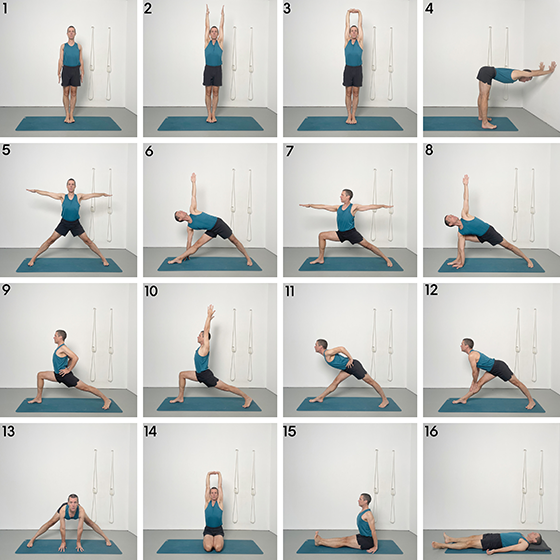
Image Source: yogaselection.com
The Good Things About Home Yoga Practice
Why do yoga at home? There are many good reasons.
- It saves time. You don’t have to travel to a class. Just step onto your mat.
- It saves money. Home practice can be free or cost less than a studio.
- You pick the time. Practice early morning, late night, or any time. It fits your day.
- It’s private. You can try new things without others watching. Feel free to make mistakes.
- You make it your own. You choose what yoga to do. Do what feels good for you.
- It’s always there. Rain or shine, your yoga space is ready.
These benefits of home yoga practice make it a great choice for many people. It helps you feel better in body and mind.
Finding Your Yoga Corner
You need a place to do yoga. It does not have to be big.
- Look for a quiet spot in your home.
- Find a place where you can stretch your arms and legs fully.
- Make sure you have enough room for your mat.
- Choose a spot where you feel peaceful.
Setting up your space helps you want to practice. Think about these things:
- Light: Soft, natural light is nice.
- Air: Make sure the air is fresh. Open a window if you can.
- Sound: Can you make it quiet? Maybe turn off your phone. Some like soft music.
- Feel: Keep the area clean and tidy. It helps your mind feel clear.
This is how to set up home yoga space. It does not need to be fancy. Just make it a place you like being in. A corner of your living room or a space in your bedroom can work well.
Picking Your Yoga Mat
A yoga mat is very helpful. It gives you grip so you don’t slip. It also adds a little cushion for your body.
When looking for the best yoga mat for home practice, think about these things:
- Thickness: Mats come in different thicknesses.
- A thicker mat (like 6mm or more) is softer on your knees and joints.
- A thinner mat (like 3-4mm) helps you feel the floor more for balance. For home, a middle thickness (around 5-6mm) is good for many beginners.
- Material: Mats are made from different things.
- PVC is common and lasts long.
- Rubber or TPE are more eco-friendly. They often have good grip.
- Grip: This is important! You want a mat that does not feel slippery, especially when your hands or feet get a little wet from sweat. Read reviews to see what others say about the grip.
- Size: Most mats are a standard size. Make sure it is long enough for you to lie down on.
- Price: Mats can cost a little or a lot. You can find good, basic mats at a fair price. You don’t need the most expensive one to start.
You can buy a mat online or in many stores. Choose one that feels right for you and your budget. It is a key tool for your home practice.
Helpful Things for Yoga (Props)
Yoga props help you get into poses more easily. They support your body. They are not cheating! They make yoga possible for everyone. You might not need them right away, but they are good to have.
Here are essential yoga props for home:
- Yoga Blocks: These are usually made of foam, cork, or wood.
- They make the floor seem higher.
- You can put your hands on blocks in standing poses if you can’t reach the floor.
- You can sit on a block to make sitting easier.
- You can use them under knees or hips for support.
- Most people use two blocks.
- Yoga Strap: This is a long fabric belt.
- It helps you reach parts of your body that are far away.
- Use it to hold onto your foot in stretches if you can’t reach it with your hand.
- It helps lengthen your reach in poses.
- Blanket: A firm blanket (like a Mexican blanket) can be folded.
- Use it to sit on to lift your hips. This makes your back straighter.
- Pad your knees in poses that put weight on them.
- Use it for warmth during rest at the end.
- Bolster: This is a firm, long pillow.
- It gives a lot of support.
- You can lie over it to open your chest.
- Use it under your knees when lying down for comfort.
- Bolsters are more of an “extra” prop, but very nice for relaxing poses.
You can start without props. You might use thick books for blocks or a scarf for a strap. But having real props makes a big difference as you practice more.
Starting Your Yoga Practice: Simple Poses
Ready to move? You can start with some beginner yoga poses at home. Do not worry about doing them perfectly. Just try to move and breathe.
Here are a few simple poses to begin with:
- Mountain Pose (Tadasana):
- Stand tall with your feet together or a little apart.
- Feel your feet on the floor.
- Stand up straight, but not stiff.
- Let your arms hang by your sides.
- Breathe easy. This pose is about standing strong and still.
- Chair Pose (Utkatasana):
- Stand like in Mountain Pose.
- Bend your knees like you are sitting in a chair.
- Lift your arms up beside your ears.
- Keep your back straight.
- Your weight is in your heels. Hold for a few breaths. This builds leg strength.
- Downward-Facing Dog (Adho Mukha Svanasana):
- Start on your hands and knees.
- Put your hands flat on the floor, shoulder-width apart.
- Tuck your toes under.
- Push your hips up and back.
- Make your body like an upside-down V shape.
- You can bend your knees a little.
- Let your head hang. This stretches your back and legs.
- Child’s Pose (Balasana):
- Start on your hands and knees.
- Bring your big toes together.
- Open your knees wide or keep them close.
- Sit back on your heels.
- Lower your chest between your thighs.
- Rest your forehead on the floor.
- Reach your arms forward or back by your sides.
- This is a resting pose. Breathe deeply here.
- Cat-Cow Pose (Marjaryasana-Bitilasana):
- Start on your hands and knees. Put your hands under your shoulders, knees under your hips.
- As you breathe in, drop your belly, lift your chest and tailbone (Cow pose).
- As you breathe out, round your back, tuck your chin to your chest (Cat pose).
- Move slowly with your breath between these two shapes. This warms up your spine.
- Cobra Pose (Bhujangasana):
- Lie on your belly.
- Place your hands flat under your shoulders.
- Keep your legs together or a little apart.
- Press the tops of your feet into the floor.
- As you breathe in, gently lift your chest off the floor. Use your back muscles more than your hands.
- Keep your shoulders relaxed and away from your ears.
- Lower back down as you breathe out. This stretches the front of your body.
- Bridge Pose (Setu Bandhasana):
- Lie on your back with knees bent. Put your feet flat on the floor, hip-width apart. Your heels should be close to your hips.
- Keep your arms by your sides, palms down.
- As you breathe in, press into your feet and lift your hips off the floor.
- You can stay here or walk your shoulders closer under you and maybe hold hands.
- Lower down slowly as you breathe out. This pose opens the chest and front of the hips.
- Corpse Pose (Savasana):
- Lie flat on your back.
- Let your legs fall open naturally.
- Let your arms rest by your sides, palms up.
- Close your eyes.
- Let your body relax completely.
- Just lie still and breathe. This is the most important pose! It helps your body and mind rest after practice. Stay here for 5-10 minutes.
These are just a few simple yoga stretches for beginners. Start by trying these poses. Hold each one for a few breaths. See how they feel in your body.
Building Your Home Yoga Routine
How do you put poses together? You can create a simple home yoga routine for beginners.
Here is an example of a short routine:
- Start: Sit quietly for a few breaths. Feel your body.
- Warm-up: Do Cat-Cow poses (5-10 times).
- Standing:
- Stand in Mountain Pose (5 breaths).
- Try Chair Pose (3-5 breaths).
- Move carefully to Downward-Facing Dog (5 breaths).
- Go back to hands and knees, then sit back in Child’s Pose (5-10 breaths).
- Floor Poses:
- Lie on your belly for Cobra Pose (hold for 3 breaths, repeat 2-3 times).
- Roll onto your back for Bridge Pose (hold for 5 breaths, repeat 2-3 times).
- Relax: Finish by lying in Corpse Pose (Savasana) for 5-10 minutes.
This is just one idea. You can change it. Do more of what feels good. Do less of what feels hard. Keep it simple at first. Even 10-15 minutes of yoga is good. A daily yoga practice for beginners helps you see the benefits faster. It does not need to be long. Just be regular.
Getting Clear on Breathing in Yoga
Breathing is key in yoga. It helps you move and stay calm. You do not need complex methods at first. Just notice your breath.
Here are some beginner yoga breathing exercises:
- Just Notice: Sit or lie down. Close your eyes. Just pay attention to your breath going in and out. Where do you feel it? Your nose? Your chest? Your belly? Do this for a few minutes.
- Deep Belly Breathing:
- Sit or lie down. Put one hand on your belly.
- Breathe in slowly through your nose. Feel your belly rise like a balloon.
- Breathe out slowly through your nose or mouth. Feel your belly fall.
- Try to make your breath smooth and quiet. Do this for 5-10 breaths. This helps calm your nervous system.
- Matching Breath and Movement:
- As you do poses, try to let your breath guide you.
- Often, you breathe in to lift or open.
- You breathe out to fold or twist.
- In Cat-Cow pose, you breathe in as you drop your belly (Cow). You breathe out as you round your back (Cat).
- In Downward Dog, you breathe in to prepare, breathe out to lift your hips. Then just breathe evenly while you hold the pose.
Do not hold your breath unless a teacher tells you to. Try to breathe in and out through your nose. It warms and cleans the air. But if that is hard, breathe however you can. Focus on breathing slowly and fully.
Finding Help: Online Yoga Classes
Learning from someone is helpful. You can find many teachers online. There are many online yoga classes for beginners free.
Look for classes that say “Beginner” or “Gentle Yoga.”
- YouTube: Many yoga teachers offer free classes here. Search for “beginner home yoga.” Look for teachers you like. Check how long the videos are. Start with short ones (15-30 minutes).
- Yoga Apps: Some apps offer free trial periods or a selection of free classes. These can guide you pose by pose.
- Studio Websites: Some local or online studios offer a free first class or trial.
When picking a class:
- Find a teacher whose voice you like.
- Look for clear instructions.
- Pick a class length that fits your day.
- Try different teachers until you find one you like.
Using online classes can feel like having a teacher with you in your home. They can help you learn new poses. They can help you link breath and movement. They can make your daily yoga practice for beginners more interesting.
Making Yoga a Daily Habit
Doing yoga often is better than doing it once in a while. Even short practices help.
- Set a time: Pick a time of day that works for you. Morning? Lunch break? Evening? Try to stick to it.
- Start small: Begin with just 10-15 minutes. It is easier to do a short practice every day than a long one sometimes.
- Be kind to yourself: If you miss a day, it is okay. Just start again the next day.
- Notice how you feel: After yoga, how does your body feel? How does your mind feel? Thinking about the good feelings can help you want to do it again.
- Put it on your calendar: Treat it like any other important meeting.
A daily yoga practice for beginners helps your body get stronger and more flexible. It helps your mind become calmer. It becomes a good part of your day.
Getting Started Today
You have the basics now.
- Find a quiet spot (how to set up home yoga space).
- Get a mat (best yoga mat for home practice). Maybe some props (essential yoga props for home).
- Learn a few simple yoga stretches for beginners.
- Try a short beginner yoga routine at home.
- Focus on your beginner yoga breathing exercises.
- Look for online yoga classes for beginners free to guide you.
- Try to make it a daily yoga practice for beginners.
Remember the benefits of home yoga practice. It is for you. It is your time to move, breathe, and just be. Start today. Even five minutes counts. Your body and mind will thank you.
Frequently Asked Questions
Here are some common questions when starting yoga at home.
h4 Can I do yoga on the floor without a mat?
You can, but a mat is much better. A mat stops you from slipping. It gives your knees and other body parts some cushion. If you do not have a mat yet, find a spot on a rug or soft surface. Be very careful not to slip, especially in poses where your hands or feet are pressing down. Get a mat when you can.
h4 How long should a beginner yoga session be?
Start short. 10-15 minutes is a good start. As you feel more comfortable and have more time, you can make it longer. Even a few minutes of simple stretches and breathing is helpful. A longer session might be 30-60 minutes.
h4 How often should I do yoga at home?
Doing yoga often is good. Try for a few times a week. Daily practice is great if you can do it. Even 10 minutes daily is better than a long session once in a while. Find what works for your life right now. Be regular, even if it is short.
h4 What kind of clothes should I wear?
Wear clothes that you can move freely in. Stretchy pants or shorts and a comfortable top are good choices. You don’t need special yoga clothes. Just wear something that does not feel tight or stop you from moving.
h4 Should I eat before doing yoga?
It is best not to eat a big meal right before yoga. A full stomach can feel uncomfortable in some poses. If you are hungry, have a small snack like a piece of fruit about an hour before you practice. Drink water before and after, but maybe not a lot right before you start moving.
h4 What if a pose hurts?
Yoga should not hurt. You might feel a stretch, but it should not be a sharp pain. If a pose hurts, stop or ease out of it. Try a simpler version of the pose. Use your props, like blocks or a blanket, to help you. Listen to your body. It is okay to skip a pose or rest in Child’s Pose.
h4 How do I know if I’m doing the poses right?
When starting at home without a teacher watching, focus on feeling the pose in your body. Is it roughly like the picture or video? Are you breathing? That is a great start. Don’t worry about perfect form. If you use online classes, the teacher will give you cues. As you practice more, you will learn what feels right. If you are worried, maybe try one or two online classes where the teacher shows poses clearly.
h4 Is home yoga as good as going to a studio?
Both are good, just different. Studio classes offer a teacher’s help in person and the energy of a group. Home yoga gives you flexibility, privacy, and comfort. You can get many benefits of home yoga practice. It is a wonderful way to start and keep yoga in your life. You might do home yoga most days and go to a studio sometimes. Find what mix is best for you.
You are ready to start your yoga journey at home. Take a deep breath. Find your spot. Roll out your mat. Begin simply. Enjoy the process.