
Yes, you can totally start yoga by yourself at home. It is a perfect way to begin. Yoga links your body and mind. It is a helpful practice for anyone. Doing it alone lets you go at your own speed. You can try yoga for beginners at home right now. This guide helps you get started. We will cover everything you need. You will learn simple poses. You will see how to put them together. You can start yoga without a teacher.
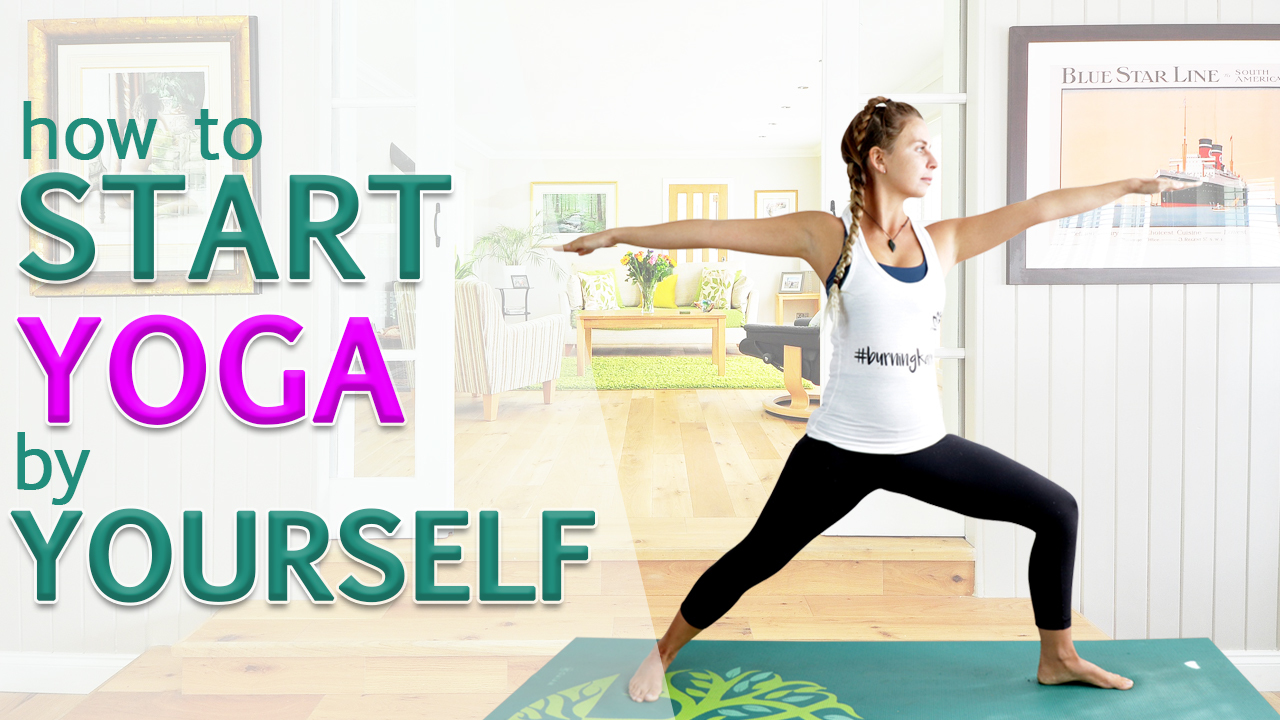
Image Source: jivayogalive.com
Why Practice Yoga Alone?
Starting yoga at home has many good points. It makes getting started with home yoga easy. It offers great benefits of practicing yoga alone. Let’s look at some key ones.
Privacy and Comfort
Doing yoga alone means no one is watching you. You can feel shy when starting something new. At home, you can try poses without feeling judged. You can wobble. You can fall. It does not matter. You are in your own space. You can wear clothes that feel good. You can make sounds if you need to. Your home is your safe place. This makes it easier to relax. You can focus on how your body feels.
Save Time and Money
Yoga classes cost money. They take time to get to. Practicing at home saves both. You do not need to travel. You can roll out your mat any time. It can be early in the morning. It can be late at night. You choose the time. This makes it much easier to fit yoga into a busy life. You do not pay for each class. This makes yoga cheaper over time.
Go At Your Own Pace
In a class, the teacher sets the speed. At home, you are the boss. You can hold a pose longer. You can skip a pose that feels bad. You can rest whenever you want. This is very good for beginners. You can take things slow. You can give your body time to learn. You avoid trying to keep up with others. You learn to listen to your body’s needs. This is a key part of yoga.
Learn About Yourself
Practicing alone is a journey inside. There are no outside things to distract you. You notice your thoughts. You notice how you feel. You see where your body is tight. You see where it feels open. You learn patience. You learn self-care. It is a path of self-discovery. This is one of the deep benefits of practicing yoga alone.
Getting Your Space Ready
You do not need much room for yoga. A small clear spot is enough. You just need space to stretch out. Make sure you can stretch your arms wide. Make sure you can stretch your legs long. Find a quiet place in your home. It should feel safe and calm.
Choosing Your Spot
Pick a place away from noise. Turn off the TV. Put your phone away. Maybe near a window with nice light. Or a corner that feels cozy. Make it a place you like to be. This helps your mind feel peaceful.
What You Need to Start
You need very little to begin.
- A Yoga Mat: This is important. A mat gives you grip. It stops you from slipping. It makes hard floors softer. You can find mats online or in stores. They come in different prices. Pick one that feels good to you.
- Comfortable Clothes: Wear clothes you can move freely in. Loose or stretchy clothes are good. You should be able to bend and stretch easily.
- Optional Props: You do not need these right away. But they can help.
- Blocks: These are firm foam or cork blocks. They help you reach the floor. They can make poses easier.
- Strap: This is a long belt. It helps you stretch further. It is good for tight muscles.
- Blanket: A folded blanket can cushion your knees. It can make sitting more comfy.
You can start with just a mat. Add props later if you want them. Making your space ready helps you feel ready too. It is part of getting started with home yoga.
First Things: Breathing
Yoga is not just about shapes (poses). It is also about breath. Breath links your body and mind. In yoga, we try to breathe slowly and deeply. This is called Ujjayi breath by some. It sounds like a soft ocean wave. You breathe in and out through your nose. You make a gentle sound in your throat.
Simple Breath Practice
Before you do any poses, just sit quietly. Sit on your mat. Close your eyes gently. Rest your hands on your knees. Just notice your breath. Do not change it yet. Just feel it coming in and out.
Now, try to make your breath a little longer. Breathe in slowly. Breathe out slowly. Try to make the breath out as long as the breath in. Do this for a few minutes. Feel your body calm down. This simple breathing is a powerful start. It is a core part of any yoga self practice guide.
Staying Safe
Doing yoga alone means you must listen to your body. There is no teacher to watch you. You must learn to know what feels right.
Listen to Your Body
Your body is smart. It tells you when something is wrong.
- Discomfort vs. Pain: It is okay to feel a stretch. This is often discomfort. It feels like your muscles are working. It feels like opening up. Pain is different. Pain feels sharp. It feels like hurting. It might be in your joints. Or a sudden pull in a muscle.
- If it Hurts, Stop: This is the main rule. If a pose causes pain, stop doing it. Or make it smaller. Do not push into pain. This is how injuries happen.
- Modify Poses: You can change poses to fit your body. Use blocks. Bend your knees. Do a simpler version. It is okay! Yoga is for you. It should help, not harm.
Always move slowly into shapes. Come out slowly too. Pay attention to how you feel the whole time. This is vital yoga tips for solo practice.
Simple Yoga Shapes to Try
Here are some beginner yoga poses. They are good for getting started. They work different parts of your body. They are easy yoga exercises for beginners. We will describe them simply.
Standing Poses
These poses help you feel strong and balanced.
- Mountain Pose (Tadasana):
- How to do it: Stand tall. Put your feet together or hip-width apart. Let your arms hang by your sides. Stand up straight. Feel your feet on the ground.
- What it feels like: Like a tall, strong mountain. Good for posture. Makes you feel centered.
- Chair Pose (Utkatasana):
- How to do it: Stand in Mountain Pose. Bend your knees like you are sitting in a chair. Keep your back straight. Lift your arms up beside your ears or put hands together at your chest.
- What it feels like: Legs work hard. Builds strength in your thighs. Good for getting warm.
- Downward-Facing Dog (Adho Mukha Svanasana):
- How to do it: Start on your hands and knees. Put your hands a little in front of your shoulders. Push your hips up and back. Make your body look like an upside-down letter V. Your hands and feet are on the floor. You can bend your knees a lot. This helps keep your back long.
- What it feels like: Stretches the back of your legs. Stretches your back and shoulders. Gives you energy. It’s a common pose in a basic yoga sequence.
- Warrior II (Virabhadrasana II):
- How to do it: Step one foot back, turning it out to the side (foot points sideways). Your front foot points forward. Bend your front knee over your front ankle. Keep your body facing the side. Stretch your arms out to the sides, level with your shoulders. Look over your front hand.
- What it feels like: Makes your legs strong. Opens your hips. Feels powerful.
Floor Poses
These poses help you stretch and relax.
- Cat-Cow Pose (Marjaryasana to Bitilasana):
- How to do it: Start on your hands and knees. Hands under shoulders, knees under hips. As you breathe in, drop your belly, lift your chest and tailbone (Cow). As you breathe out, round your back like a cat, tuck your chin to your chest (Cat). Move between these two shapes with your breath.
- What it feels like: Warms up and stretches your spine. Good for easing a stiff back.
- Child’s Pose (Balasana):
- How to do it: Start on your hands and knees. Bring your big toes together. Sit your hips back onto your heels. Reach your arms forward, or rest them back by your sides. Rest your forehead on the floor.
- What it feels like: A resting pose. Calming. Gently stretches your back and hips. It is good to do any time you need a break.
- Cobra Pose (Bhujangasana):
- How to do it: Lie on your belly. Put your hands under your shoulders. Keep your elbows close to your body. On a breath in, press your hands down. Lift your chest off the floor a little. Keep your hips on the floor. Do not push too high.
- What it feels like: Gentle backbend. Strengthens the back muscles. Opens the chest.
- Seated Forward Bend (Paschimottanasana):
- How to do it: Sit with your legs straight out in front of you. Keep your back straight. On a breath out, hinge forward from your hips. Reach for your feet, ankles, or shins. It is okay if you cannot touch your toes. Keep your back long. Do not round too much.
- What it feels like: Stretches the back of your legs. Stretches your back. Calming pose.
- Corpse Pose (Savasana):
- How to do it: Lie flat on your back. Let your arms rest by your sides, palms up. Let your legs fall open. Close your eyes. Let your whole body feel heavy. Do nothing. Just rest. This is maybe the most important pose!
- What it feels like: Deep rest. Allows your body to take in the good from the practice. Calms the mind.
These beginner yoga poses give you a good start. Try them slowly. See how they feel in your body.
Putting Shapes Together: A Simple Plan
Once you know a few poses, you can link them. This makes a sequence. A basic yoga sequence usually follows a pattern. This helps warm your body up. It helps cool it down. Here is a simple yoga routine for beginners.
A Sample Sequence for 20 Minutes
This plan includes some of the poses we just talked about. It flows nicely for beginners.
| Time | What to Do | Notes |
|---|---|---|
| 1-3 minutes | Sitting and Breathing | Sit tall. Close eyes. Notice breath. |
| 3-6 minutes | Cat-Cow Pose | Move spine with breath. Do 5-10 times. |
| 6-8 minutes | Downward-Facing Dog | Hold for 5 breaths. Bend knees if needed. |
| 8-10 minutes | Mountain Pose | Stand tall. Feel grounded. |
| 10-14 mins | Simple Standing Flow (Example) | Inhale: Arms up. Exhale: Forward bend (bend knees). Inhale: Halfway lift (flat back). Exhale: Forward bend. Inhale: Stand up, arms reach up. Repeat 2-3 times. |
| 14-16 mins | Warrior II | Do on one side. Hold for 5 breaths. Then do other side. |
| 16-18 mins | Child’s Pose | Rest here. Take deep breaths. |
| 18-20 mins | Corpse Pose (Savasana) | Lie flat. Rest fully. Let go. |
This is just one idea for a simple yoga routine for beginners. You can change it. Add other easy yoga exercises for beginners you like. Make it shorter or longer. The goal is to move your body gently. Breathe deeply.
Making it a Habit
Doing yoga once is nice. Doing it often is where the real change happens. Making it a habit is key for a yoga self practice guide.
Start Small
You do not need to do yoga for an hour every day. Even 10-15 minutes helps. A short practice is better than no practice. Find a time that works for you. Maybe before work. Maybe after. Or just before bed.
Be Regular
Try to practice at the same time each day or week. This helps your body and mind get used to it. Maybe set a reminder on your phone. Put it on your calendar.
Do Not Aim for Perfect
Some days you will feel strong. Some days you will feel tired. That is okay. Do what feels good on that day. Your practice will change. This is normal. Just getting on your mat is a win.
Connect it to Something Else
Link your yoga practice to something you already do. Like, “After I drink my morning tea, I will do 15 minutes of yoga.” This helps you remember.
Tips for Doing Yoga Alone
Doing yoga without a teacher has great freedom. But it also has challenges. Here are some yoga tips for solo practice to help you.
Use Good Resources
Since you do not have a teacher watching, use trusted guides.
- Beginner Videos: Many good free videos are online. Look for videos made for “absolute beginners” or “gentle yoga.” Follow along with them. They guide you through poses and breath.
- Yoga Apps: Some apps offer guided practices. They can help you build a routine.
- Books: A good beginner yoga book can show you poses clearly. It can explain things in detail.
When using videos, make sure the teacher seems safe and clear. Do not follow someone doing very hard poses if you are a beginner.
Stay Focused
Your mind might wander. This is normal.
- Come Back to Breath: When your mind gets busy, notice your breath again. Use it to bring you back to the present moment on your mat.
- Focus on Feelings: Pay attention to how the poses feel in your body. What is stretching? What is strong? This keeps your mind busy in a good way.
Deal with Distractions
Life happens. Maybe kids are loud. Maybe a pet is climbing on you.
- Set Rules (If Possible): If you can, ask others in your home for quiet time. Put a sign on the door.
- Accept it: Some days will not be perfect quiet time. That is okay. Just do your best. A little yoga is still better than none.
Be Patient
Learning yoga takes time. Do not expect to do hard poses right away. Be patient with yourself. Celebrate small steps. Maybe you can touch your toes a little more. Maybe you can balance a little longer. These are big wins! These yoga tips for solo practice help you build a strong home practice.
You Don’t Need a Teacher to Start
Many people ask, “How to practice yoga without a teacher?” It is very possible. You are doing it right now by reading this! This guide is one way. Online videos are another. Books are helpful.
The key is to start simply. Learn the basic poses. Focus on safe movement and breath. Listen closely to your body. Your body is your first and best teacher. It tells you what feels right and what does not.
As you get more used to the poses, you can try new ones. You can make your practice longer. You can try different kinds of simple flows. You build trust in yourself. You learn to guide your own practice. This is powerful.
Remember the yoga self practice guide points:
* Find your space.
* Gather simple things (mat).
* Start with breath.
* Learn basic poses slowly.
* Put them into a simple routine.
* Practice often, even short times.
* Always listen to your body.
* Use good guides like videos or books.
Common Questions About Home Yoga
Here are some things people often ask about starting yoga alone.
How long should my home yoga session be?
Start short. Maybe 10-15 minutes. Even 5 minutes is a start. As you feel more comfortable, you can make it longer. 20-30 minutes is a great goal for beginners.
How often should I practice?
Three to four times a week is good. But even once or twice is helpful. Try to be regular. A little bit often is better than a lot once in a while.
What if I cannot do a pose?
That is totally fine! Yoga is not about doing poses perfectly. It is about trying and feeling. Use props like blocks. Bend your knees more. Try a simpler version of the pose. If it still feels bad or hurts, skip it. There are many other poses to try.
Do I need special clothing?
No. Just wear clothes you can move in. They should not be too tight or too loose that they get in the way. T-shirts, leggings, or shorts are fine.
Is it okay to use online videos?
Yes! Online videos are a great way to start. Look for ones made for beginners. Find a teacher whose style you like. Watch them first to see if they seem safe and clear.
What if my space is very small?
You can still do yoga! Many poses just need space to step forward or stretch arms. Focus on poses that do not need a lot of sideways movement. Use a wall for balance. Even a small corner can work.
Should I stretch cold muscles?
It is best to do a little warm-up first. Cat-Cow pose or some gentle movement can help. The sample sequence above starts with gentle moves. This helps prepare your body.
What if I feel shaky or wobbly in a pose?
This is normal, especially in standing poses. It means your muscles are working. Put your feet wider apart for more balance. Stand near a wall or a chair to hold onto. It gets easier with practice.
Starting Your Journey
Starting yoga for beginners at home is a wonderful thing to do for yourself. It does not need to be hard or scary. You have everything you need. Your body, your breath, and a little space.
Use this guide as your yoga self practice guide. Try the beginner yoga poses. Follow the simple yoga routine for beginners. Remember the yoga tips for solo practice. Be kind to yourself. Be patient.
You now have the ideas on how to practice yoga without a teacher. Roll out your mat. Take a deep breath. Begin. Enjoy the quiet strength and peace that home yoga can bring. You are ready.