
Why is yoga considered a sin by some religious views? Is yoga religious? Is Namaste sinful? For some people of faith, especially within certain Christian traditions, yoga is considered a sin because they believe its origins, practices, and underlying philosophy are deeply rooted in Hinduism and other Eastern religions, potentially conflicting with the core tenets of their own faith. They see it not just as physical exercise but as a spiritual practice that may lead people away from their relationship with God or introduce them to spiritual influences outside their approved religious framework. The gesture “Namaste,” often used in yoga, which can mean “the divine in me bows to the divine in you,” is sometimes viewed as acknowledging a ‘divine’ that is different from the one central to their monotheistic belief system.
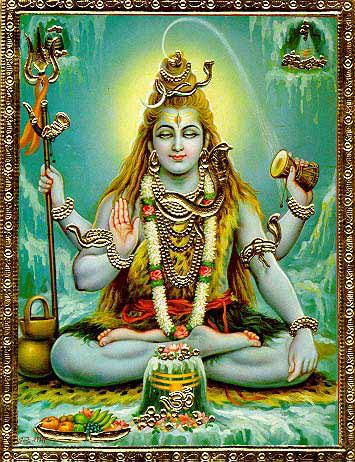
Image Source: lucidpractice.com
Deciphering the Concern
Many people today see yoga as a way to stay fit. They do poses. They stretch their bodies. They breathe deeply. Gyms offer yoga classes. It seems like simple exercise.
But for some religious people, it is more than just moving the body. They look at where yoga comes from. They look at its history. They see a connection to other religions. This link makes them worry. They believe practicing yoga might go against their own faith. This is why the question of yoga being a sin comes up for them. They want to follow their faith closely. Anything that seems to pull them away is a concern.
Interpreting the Hindu Roots of Yoga
Yoga did not start in a gym. It started a long, long time ago in India. Its beginnings are tied to ancient Indian ways of life and thought. This includes Hinduism and Buddhism. Yoga is not just a physical practice in these traditions. It is a path. It is a way to reach a higher state.
The word “yoga” itself means “to unite” or “to yoke.” It suggests joining something. In classical yoga texts, this union is often about joining the individual self (Atman) with the universal self or divine (Brahman). This is a core idea in Hinduism. The goal of yoga was often moksha. This means freedom. It is freedom from the cycle of birth, death, and rebirth.
Ancient texts talk about yoga. The Vedas are old Indian writings. They mention early ideas related to yoga. Later, the Upanishads explore these ideas more. A very important text is the Yoga Sutras of Patanjali. This book is like a guide. It describes an eight-part path of yoga.
This path includes many things:
* Yamas: Ways to act towards others (like not harming).
* Niyamas: Ways to act towards oneself (like cleanliness).
* Asana: Body poses.
* Pranayama: Breath control.
* Pratyahara: Pulling senses inward.
* Dharana: Focusing the mind.
* Dhyana: Meditation.
* Samadhi: A state of deep peace or union.
As you can see, body poses (asana) are just one small part of this path. The older forms of yoga were very spiritual. They aimed at freeing the mind and soul. They were tied to religious ideas about reality, the self, and the divine. This is why the question, “is yoga religious?” has a clear answer when looking at its origins: yes, it began as a spiritual and religious practice within the context of Hinduism.
Over many years, yoga changed. It spread to other parts of the world. It became popular in the West. Here, the focus shifted. People liked the poses. They liked the health benefits. The spiritual parts were often left out. Or they were changed. This is where modern yoga classes often differ greatly from the ancient practices. Still, knowing the Hindu roots of yoga is key to grasping why some people have religious objections to yoga.
Religious Objections to Yoga
Different religions see yoga in different ways. Some embrace it. Some ignore it. Some object to it strongly. The objections often come from faiths that believe there is only one true God or one true path to salvation. Christianity is one such faith where significant debate exists.
Yoga and Christianity
Within Christianity, there is no single view on yoga. Some Christians see it as a harmless way to stretch and relax. Others believe it is deeply wrong. The strong objections often focus on several points.
The Link to Other Gods
Some Christians believe that yoga poses and breathing techniques are tied to Hindu gods or worship. They fear that by doing these practices, they are unknowingly honoring other deities. For example, some interpretations suggest certain poses were originally dedicated to specific gods. They worry about the spiritual dangers of yoga. They believe it can open a door to spirits or powers that are not from their God. The Bible warns against worshiping other gods or using practices tied to other religions. This is a major source of conflict for these Christians.
The Meaning Behind Yoga Poses
Looking at yoga poses meaning can be tricky. In ancient times, some poses might have had symbolic meanings related to Hindu gods or concepts. For instance, the sun salutation sequence is thought by some to be a reverence to the sun, which has divine connections in some traditions. A pose like Virabhadrasana (Warrior Pose) is named after a fierce form of the god Shiva. While most modern yoga classes just use the names, some Christians feel even the names carry a spiritual weight they want to avoid. They feel these poses might honor forces or beings outside of their faith.
Yoga, Meditation, and Religion
Yoga often includes meditation. This is a practice of focusing the mind. In its original context, yoga meditation religion were closely linked. Meditation was a way to achieve higher states of consciousness. It was a way to connect with the divine or achieve liberation. This kind of meditation might focus on breathing, sounds (mantras), or internal energy.
For Christians, prayer and meditation are central. But their meditation is usually about connecting with their God, reading the Bible, or reflecting on Christ. They focus on a personal God. Some see yoga meditation as focusing inward on the self, on universal energy, or on consciousness in a way that does not involve the Christian God. They worry this shifts the focus away from their faith’s specific path to spiritual growth and connection. They might see it as a form of spiritual seeking outside of their defined religious path.
The “Namaste” Gesture
The word “Namaste” is often said at the end of a yoga class. It is usually said with hands pressed together at the chest and a slight bow of the head. The common meaning is “The divine in me bows to the divine in you.” This sounds nice to many people. But for some Christians, it raises a big question: is Namaste sinful?
Their concern is with the word “divine.” In their faith, the specific nature of the “divine” is clearly defined as the Holy Trinity (Father, Son, Holy Spirit). Saying “the divine in me bows to the divine in you” might imply that everyone has this specific divine presence within them, or that all forms of the divine are the same. This can conflict with their belief in a unique God who is distinct from humanity and who dwells in believers through the Holy Spirit in a specific way. They may feel saying Namaste is acknowledging a spiritual reality or presence that is not consistent with their theology. For them, bowing or acknowledging something ‘divine’ outside their understanding of God is problematic.
Different Paths to Salvation
Another core religious objection to yoga, particularly from an exclusive faith perspective like some forms of Christianity, is that classical yoga offers its own path to enlightenment or liberation (samadhi, moksha). This path involves practices like poses, breath work, and meditation to achieve a higher state or union with the divine principle of Hinduism. This contrasts sharply with Christian belief, which holds that salvation and reconciliation with God are achieved uniquely through faith in Jesus Christ’s death and resurrection. Offering a different path to spiritual fulfillment is seen as directly competing with, and undermining, the central message of their faith.
Perspectives from Other Faiths
While the debate is often loudest in some Christian circles, other faiths also have views.
- Islam: Views on yoga vary among Muslims. Some scholars view yoga as permissible if it is practiced purely for physical health and relaxation, without engaging in any rituals or chants that are seen as polytheistic or related to other religions. Others see it as forbidden (haram) due to its Hindu origins and potential for spiritual or devotional elements conflicting with Islamic monotheism (Tawhid).
- Judaism: Jewish views are also diverse. Some Jews practice yoga for physical benefits. Others are wary of its potential connections to Eastern spirituality that may not align with Jewish theology and practice. Some have developed Jewish-themed yoga practices that incorporate Jewish texts, prayers, or concepts.
These examples show that the concern about yoga being a “sin” is not limited to one religion, but often arises in faiths with strong monotheistic beliefs and defined paths to spiritual truth.
Grasping the Compatibility Debate
Can yoga and faith mix? This is where views really differ. Many people find a way to do yoga without feeling like they are betraying their beliefs.
The “Just Exercise” View
Most people doing yoga today are not seeking spiritual union in the classical Hindu sense. They go to a class for exercise. They want to be more flexible. They want to reduce stress. They like how it makes their body feel.
For these people, yoga is simply a physical activity. The poses are stretches. The breathing helps them relax. They may not pay attention to pose names or any chants. They see it like any other sport or workout. From this viewpoint, there is no spiritual aspect. There is no conflict with their faith. It is just fitness. This is a very common way modern yoga is practiced, especially in gyms and health clubs.
Integrating Yoga and Faith
Some people of faith actively try to make yoga fit with their beliefs. They take what they like from yoga – the movement, the breath work – and combine it with their own spiritual practices.
For instance, a Christian might do yoga poses but focus on Christian prayers or scriptures while doing them. They might replace any mention of deities or universal energy with thoughts about God, Jesus, or the Holy Spirit. They might skip chanting or meditation styles that feel foreign. They might use the quiet time during poses for personal reflection or prayer specific to their faith. This approach tries to find compatibility of yoga and faith by adapting the practice. They take the physical container of yoga and fill it with the spiritual content of their own religion.
Secular vs. Spiritual Yoga
It helps to see that not all yoga is the same.
* Secular Yoga: Often taught in gyms or community centers. Focuses on physical postures, fitness, flexibility, and stress relief. May use Hindi names for poses but does not typically delve into Hindu philosophy or chant mantras.
* Spiritual Yoga: Can range from classes that lightly touch on mindfulness and energy (“prana”) to those deeply embedded in Hindu philosophy, chanting, meditation for spiritual goals, and reverence for gurus or deities.
Someone concerned about yoga being a sin is likely more worried about the spiritual forms. However, some believe that even the secular forms carry the underlying spiritual history, making them risky.
Christian Alternatives to Yoga
For Christians who feel yoga is not for them due to their religious convictions, many alternatives exist. These practices aim to provide physical and spiritual benefits within a Christian framework.
- Christian Meditation: Focusing on Bible verses, praying, or reflecting on God’s character and actions. This is a spiritual practice deeply rooted in Christian tradition.
- Prayer Walks: Combining physical movement (walking) with prayer and reflection.
- Christian Movement or Stretching: Developing exercise routines that focus purely on physical health without any connection to other spiritual systems. Some groups have created specific Christian fitness programs that incorporate movement, prayer, and worship music.
- Labyrinth Walking: A form of walking meditation used by some Christians as a path for prayer and contemplation.
- Contemplative Prayer: Forms of prayer that involve quieting the mind to focus on God’s presence. This might include centering prayer or lectio divina (sacred reading of scripture).
- Worship Dance or Movement: Expressing worship and devotion through bodily movement, often set to Christian music.
These Christian alternatives to yoga allow individuals to care for their physical bodies and engage in spiritual practice in ways that align directly with their faith’s teachings and traditions. They offer options for those who see yoga and Christianity as incompatible due to the religious objections to yoga discussed earlier, specifically the spiritual dangers of yoga as they perceive them.
| Feature | Traditional/Spiritual Yoga | Secular Yoga | Christian Alternatives |
|---|---|---|---|
| Primary Goal | Spiritual union, liberation, enlightenment | Physical fitness, flexibility, stress relief | Connecting with God, physical wellness |
| Origins | Hindu/Indian spiritual traditions | Derived from traditional yoga | Christian traditions, biblical basis |
| Practices | Poses (asanas), breath (pranayama), meditation (dhyana), chanting, philosophy | Poses, breath, relaxation | Prayer, Bible study, worship, movement |
| Spiritual Focus | Hindu deities/concepts, universal energy | Often none, or general “mindfulness” | The God of the Bible, Jesus Christ |
| Common Concerns | Seen as incompatible with monotheism | May still carry perceived spiritual risk | Aligned with Christian faith |
This table helps show the differences. It highlights why the compatibility of yoga and faith is a question with varied answers, depending on what kind of yoga is meant and which faith is considering it.
Deciphering Personal Choice
In the end, deciding whether yoga is compatible with one’s faith is a deeply personal matter. There is no single answer that applies to everyone. Different religious leaders and communities hold different views. Individual believers must examine their own conscience, study their faith’s teachings, and pray for guidance.
For someone concerned about whether is yoga religious in a way that conflicts with their beliefs, it is important to look at the specific yoga being practiced. Is it purely physical exercise? Does it involve chanting, meditation on non-Christian concepts, or reverence towards figures outside their faith?
If someone is worried about the spiritual dangers of yoga, they need to understand what their faith says about spiritual influences and how to engage with or avoid them. Researching the Hindu roots of yoga can help them make an informed decision.
For many, the concern boils down to allegiance. Does practicing yoga, even just the poses, shift their ultimate focus or allegiance away from their God and their defined religious path? For those who believe it does, they will likely view it as a sin or something to be avoided. For those who genuinely separate the physical practice from its origins or find ways to integrate it with their faith, the concern may not exist.
It is vital for individuals to make a choice that brings them peace and feels right in the context of their commitment to their own faith. This might involve seeking counsel from religious leaders they trust or studying their religious texts more deeply to understand principles that apply.
Frequently Asked Questions
Q: Is all yoga linked to religion?
A: Historically, yes, yoga originated as a spiritual practice within Indian religions like Hinduism. However, much of modern yoga, especially in Western gyms, focuses almost entirely on the physical poses and is practiced by people of all faiths and none, purely for health and fitness.
Q: Can a Christian do yoga?
A: There is no single answer accepted by all Christians. Some Christians believe that secular yoga, focused purely on physical fitness, is acceptable. Others believe that any form of yoga, due to its origins and potential underlying philosophy, is incompatible with Christianity and should be avoided. It is a matter of individual conscience and interpretation of their faith.
Q: What does “Namaste” mean?
A: Namaste is a Sanskrit word often translated as “The divine in me bows to the divine in you.” It’s a gesture of respect. For some religious people, the reference to “the divine” can be problematic if they believe the divine is exclusively defined within their own faith.
Q: Are yoga poses worship?
A: In traditional, spiritual forms of yoga, some poses may have had symbolic or even devotional meanings linked to Hindu deities or concepts. In modern, secular yoga, the poses are primarily seen as physical exercises. Whether doing a pose constitutes worship depends on intent, belief, and the context in which it is performed. Some religious objectors believe the poses inherently carry spiritual weight regardless of intent.
Q: What are the spiritual dangers some people talk about with yoga?
A: Those who warn of spiritual dangers, often within certain Christian contexts, believe that engaging in yoga practices can open individuals up to negative spiritual influences or forces that are not from their God. This is often linked to the idea that yoga is rooted in other religious systems that are seen as false or harmful from their perspective.
Q: Are there types of yoga that are okay for religious people?
A: Some people seek out purely secular forms of yoga that strip away all spiritual elements. Others look for programs specifically designed for their faith (like Christian yoga) that integrate their religious beliefs and practices. However, some religious objectors believe even the physical practice is problematic due to its origins.
Q: If I practice yoga just for exercise, is that okay?
A: From a secular viewpoint, yes. From the perspective of religious traditions that object to yoga, this is where opinions differ. Some believe intent matters, and if it’s just for exercise, it’s fine. Others believe that the practice itself, regardless of intent, is linked to other spiritual systems and should be avoided. It depends on individual conviction and interpretation of faith.
Q: Is meditation in yoga different from meditation in other religions?
A: Yes. While many religions use meditation, the focus differs. Meditation in traditional yoga often aims at achieving specific states of consciousness or union with universal principles/divine within the Hindu framework. Meditation in Christianity might focus on God, scripture, or prayer. Meditation in Buddhism might focus on mindfulness or emptiness. The goal and object of meditation are key differences.
Q: How can I know if yoga is right for me and my faith?
A: Research the historical and spiritual aspects of yoga. Understand your own faith’s teachings about worship, other gods, and spiritual practices. Talk to religious leaders you trust. Pray and reflect on your personal convictions. Make a decision that you feel aligns best with your commitment to your faith.