
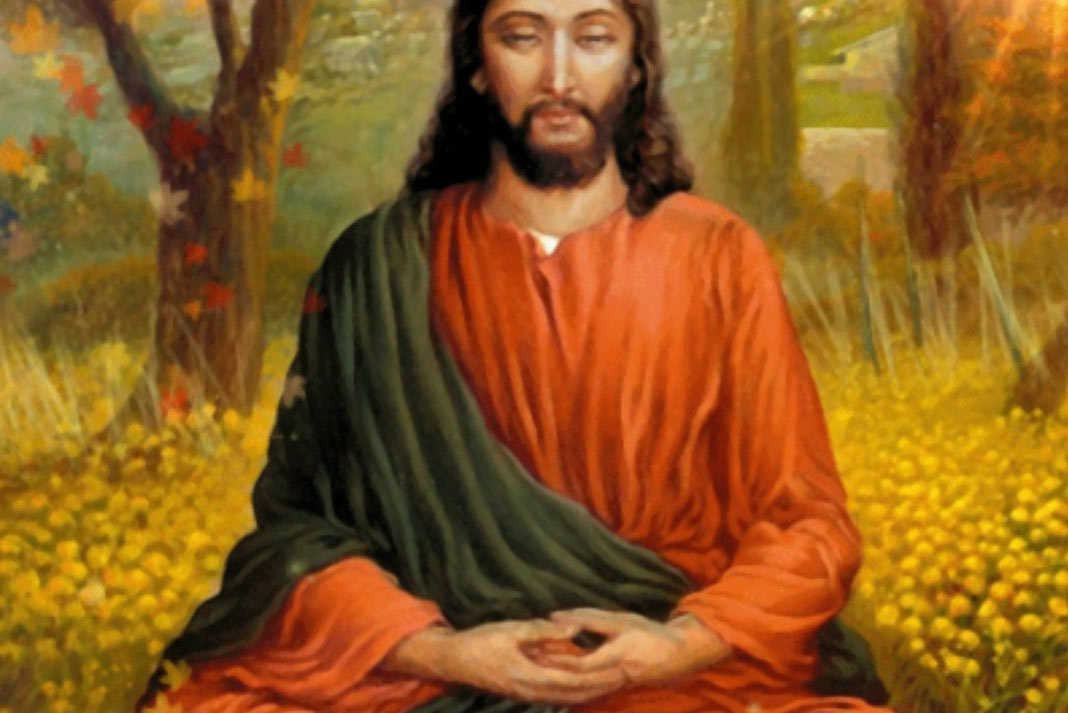
Image Source: levaire.com
Why Is Yoga Considered Evil: Unpacking The Controversy
For many people, yoga is just a way to stretch and relax. But for others, especially some Christians, yoga is seen as something bad, even evil. They ask, “Is yoga against Christianity?” The answer is not simple, and different people have different ideas. Some believe yoga conflicts with their faith because of its roots and goals. They see it as a spiritual practice tied to other religions, not just a form of exercise. This view is strong in certain Christian groups. This article looks closely at why some people think yoga is evil and what their concerns are based on.
Deciphering Yoga’s Deep Roots
To see why some people worry about yoga, we need to look at where it comes from. Hindu origins of yoga are very clear. Yoga did not start in a gym. It began thousands of years ago in India as part of Hindu religious and spiritual practices.
Yoga is not just about the poses, called asanas. The poses are just one small part. Traditional yoga is a path to connect with a higher power or achieve spiritual goals within the Hindu faith. It involves many things:
- Patanjali’s Yoga Sutras: This old text is key. It talks about an eight-part path. This path includes things like how to act, breathing exercises, and deep focus, not just poses.
- Spiritual Aims: The main goal in traditional yoga is often to reach a state called Samadhi. This is seen as a state of deep peace and connection, sometimes described as becoming one with the divine or universal spirit. This is a core idea in Hindu belief.
- Connection to Gods: Many yoga practices and texts mention Hindu gods and goddesses. Chanting names of gods or focusing on them can be part of the practice.
Because yoga comes from Hinduism and has these spiritual parts, some people outside of Hinduism see it as more than just exercise. They see it as taking part in a different religion’s practices.
Grasping Christian Concerns
Some Christians look at the Hindu origins of yoga and worry. They believe their faith, Christianity, is the only true path to God. They worry that yoga could lead people away from Christian beliefs. This is a big part of the Yoga Christian perspective.
Many Christians hold the view that they should not mix practices from other religions with their faith. The Bible talks about not having other gods and not using practices from other faiths. Some Christians feel yoga falls into this area. They see it as a Yoga pagan practice or even related to Yoga idolatry because it involves ideas or beings outside of Christianity.
Here are some main worries from a Christian view on yoga:
- Different God: Yoga’s goal of connecting with a ‘universal spirit’ or ‘the divine’ is different from the Christian idea of connecting with the personal God: the Father, Son (Jesus Christ), and Holy Spirit. Christians believe salvation and connection come only through Jesus.
- Idolatry: Focusing on Hindu gods, even just by saying names or using images, is seen by some Christians as a form of Yoga idolatry. They believe the Bible strictly warns against worshiping anything other than God.
- Spiritual Dangers: Some Christians believe that engaging in yoga opens a person up to Yoga spiritual dangers. They worry about contact with spirits or powers that are not from God. This can lead to concerns about Demonic influence yoga or Yoga and occult practices. They believe evil spirits can use these practices to harm or mislead people.
- Emptying the Mind: Some yoga methods teach emptying the mind. In contrast, many Christian prayers and practices involve filling the mind with thoughts about God and scripture. Some Christians worry that emptying the mind can make a person open to negative spiritual influences.
- Focus on Self: While yoga teaches discipline, some Christian critics feel it focuses too much on the self and personal spiritual power, rather than relying on God’s grace and power.
These worries are based on a belief that spiritual practices are not neutral. They believe such practices connect people to spiritual realms, and not all spiritual connections are good in their view.
Examining Yoga as a Spiritual Practice
Yoga is often more than just bending your body. Many types of yoga include:
- Meditation: Sitting quietly and focusing inward or on a sound or idea.
- Chanting: Repeating sounds or words, sometimes names of deities.
- Pranayama: Breathing exercises meant to control life energy (prana).
- Mudras: Hand gestures with symbolic meanings.
- Mandalas/Yantras: Visual patterns used for focus.
These elements are seen by some as powerful tools for spiritual change or connection. When these tools come from a non-Christian religious background, some Christians see them as part of Yoga spiritual dangers. They worry that even if a person doesn’t understand the meaning, the practice itself can have unintended spiritual effects.
Think of it like this: If someone who believes in harmful magic gives you a special charm, even if you just wear it because it looks pretty, the person giving it might believe it has a bad power. Some Christians feel that even doing yoga poses or breathing from Hindu practice carries spiritual meaning and power that goes against their faith.
Interpreting Different Types of Yoga
It is also important to know that not all yoga is the same. There are many different styles.
- Traditional Yoga: Styles like Raja Yoga or Ashtanga (as described in Patanjali’s Sutras) are deeply rooted in Hindu philosophy and spiritual goals.
- Modern Yoga: Styles like Hatha, Vinyasa, or Bikram often focus much more on the physical poses, breathing, and fitness. Many studios teaching these styles might not mention Hindu gods or spiritual goals beyond well-being.
Some people argue that modern, fitness-focused yoga is totally separate from its origins. They say it’s just exercise. However, critics argue that even these styles still use:
- Poses originally dedicated to Hindu deities.
- Sanskrit names for poses (like Warrior Pose or Cobra Pose).
- The greeting “Namaste,” which has a spiritual meaning (“The divine in me bows to the divine in you”).
- Ideas like chakras (energy centers in the body) or kundalini (spiritual energy).
So, even in modern yoga, elements from the original spiritual system are often still present. This is why some people still have concerns, even about seemingly harmless forms of yoga. They see it as a gateway to New Age practices warnings, which they believe often mix different spiritual ideas in ways that are harmful.
Looking At Yoga and the Occult/Demonic
Some of the strongest warnings about yoga come from Christians who believe in Demonic influence yoga or Yoga and occult connections. They believe that any practice inviting spiritual contact outside of the Christian framework is dangerous.
They might point to stories or beliefs where people practicing yoga have experiences they interpret as negative spiritual encounters. These might include:
- Feeling strange energies.
- Having disturbing visions or thoughts during or after practice.
- Feeling oppressed or troubled.
From this viewpoint, these experiences are not just psychological. They are seen as signs of Yoga spiritual dangers and possible Demonic influence yoga. The idea is that practices aimed at altering consciousness or inviting spiritual connection without the protection of Christian faith can make a person vulnerable.
This perspective often overlaps with general New Age practices warnings. Many Christians who warn about yoga also warn about things like:
- Reiki (energy healing).
- Using crystals for healing.
- Astrology.
- Certain types of meditation not focused on Christian prayer.
- Beliefs in universal energy or consciousness outside of God.
They see yoga as part of a broader movement of practices that draw from non-Christian spiritual traditions, which they believe are either powerless distractions or actively harmful due to demonic involvement. They believe these practices offer false paths to peace, healing, or spiritual power that should only be sought through God in Christ.
Considering Different Christian Responses
It’s important to know that not all Christians agree on yoga. The Christian view on yoga is not just one single idea.
Here’s a simple look at different responses:
| Viewpoint | Description | Concerns | Action/Belief |
|---|---|---|---|
| Complete Avoidance | Sees all yoga as rooted in harmful spiritual practices and Yoga idolatry. | Yoga spiritual dangers, Demonic influence yoga, Yoga pagan practice. | Avoids all yoga, including physical poses. Warns others strongly. |
| Cautious Engagement | Believes physical poses can be separated, but spiritual parts are dangerous. | Meditation, chanting, spiritual goals, connection to Hindu deities. | May do physical poses (asana) ONLY, maybe called “Christian stretching” or similar. Avoids chanting, meditation, mentioning deities, etc. |
| Contextual Adaptation | Believes practices can be “redeemed” or used in a Christian context. | Less concerned about inherent evil, more about focus. | May use poses and breathing, but focus thoughts on God, read Bible during stretches. May develop “Christian yoga.” |
| No Concern | Sees modern yoga purely as physical exercise with no spiritual power. | No significant concerns about Yoga spiritual dangers or Demonic influence. | Engages in any form of yoga for health and fitness, seeing it as neutral. |
The group most likely to say “yoga is evil” falls into the “Complete Avoidance” category. Their Yoga Christian perspective is that the roots and intentions behind yoga are so tied to non-Christian spirituality that it cannot be made safe for a Christian.
Those in the “Cautious Engagement” group try to take just the physical parts. They might rename poses or avoid anything that sounds spiritual. But even this can be difficult, as many pose names and actions have symbolic meaning. For example, the Sun Salutation sequence in yoga is a series of poses traditionally done to honor the sun deity, Surya. Doing this sequence, even for exercise, might be seen by some as unknowingly participating in a form of worship.
The idea of “Christian yoga” tries to use yoga-like movements but replaces the spiritual focus with Christian prayer, worship music, and Bible verses. While some Christians welcome this, others in the “Complete Avoidance” group still see it as dangerous, like putting Christian paint on a non-Christian foundation.
Fathoming Why the Concern is So Strong
For those who strongly believe yoga is evil, their concern is not just about physical safety. It’s about eternal spiritual safety. They genuinely believe that participating in yoga could jeopardize a person’s relationship with God or open them up to negative spiritual forces.
Their warnings about New Age practices warnings and Yoga and occult connections come from a place of deep conviction based on their religious beliefs and interpretation of scripture. They see the spiritual realm as very real and believe that evil exists and seeks to deceive and harm people. From this viewpoint, anything that looks like worshiping other gods (Yoga idolatry) or seeking spiritual power outside of God’s approved ways is a serious matter.
They might point to Bible verses that warn against witchcraft, sorcery, consulting with spirits, or following pagan practices. While yoga is not directly named in the Bible (as it developed later and in a different culture), they interpret these warnings broadly to include any practices from other spiritual systems.
It is also worth noting that in some traditional Hindu texts and practices, yoga does involve seeking spiritual power or connection to deities in ways that are indeed incompatible with core Christian beliefs. For instance, tantric yoga forms can involve practices far removed from typical Western yoga classes, and these are often the kinds of practices critics might link to Yoga and occult concerns.
Even basic yoga poses, like bowing forward in certain postures, can be interpreted differently. In yoga, it might be a sign of respect or humility. In a Christian context, bowing is typically reserved for bowing before God. A Christian who believes yoga is evil would see bowing during a yoga class as potentially bowing to a different spiritual power.
Dissecting the Physical vs. Spiritual Debate
A key part of this controversy is whether the physical actions of yoga can truly be separated from their spiritual roots.
- Argument for Separation: Proponents of this view say that culture borrows and changes all the time. Music, food, clothing, and even physical practices move between cultures and religions. They argue that taking the physical postures of yoga and using them solely for health and fitness is like taking a physical exercise from another culture (say, martial arts forms) and using it without adopting the original spiritual or philosophical meaning. They say intention matters. If your intention is just to stretch and exercise, then that is all you are doing.
- Argument Against Separation: Critics argue that some things are so tied to their original meaning that they cannot be truly separated without losing something fundamental or, worse, carrying unintended spiritual baggage. They believe the poses, breathing methods, and concepts in yoga are powerful spiritual tools designed to connect with a non-Christian spiritual realm. They believe these tools retain that connection, regardless of the user’s intent. They might say it’s like trying to use a religious ritual object from another faith purely as decoration – they believe the object still carries the spiritual weight or association.
This difference in opinion often comes down to different views on the nature of spirituality, the spiritual realm, and how spiritual power works. Those who see Yoga spiritual dangers believe that spiritual actions have effects even if the person performing them is unaware or intends something else.
Tables: Comparing Core Concepts
To better illustrate the contrast that causes concern for some Christians, let’s look at some core concepts side-by-side:
Core Concepts: Traditional Yoga vs. Traditional Christianity
| Concept | Traditional Yoga (Rooted in Hinduism) | Traditional Christianity |
|---|---|---|
| Ultimate Goal | Moksha (Liberation from cycle of rebirth), Samadhi (Union with Divine) | Salvation (Reconciliation with God), Eternal Life with God |
| Path to Goal | Yoga (Discipline, practice, knowledge), Devotion to deities | Faith in Jesus Christ, Grace of God, Following Christ’s teachings |
| View of Divine | Impersonal Absolute (Brahman), Personal Deities (Vishnu, Shiva, etc.) | Personal God (Father, Son, Holy Spirit) |
| Meditation Aim | Emptying mind, focusing on self/consciousness, connecting to Brahman | Focusing mind on God, Christ, scripture, prayer, worship |
| Spiritual Power | Can be attained through practice, discipline | Comes from God through the Holy Spirit |
| Savior/Mediator | Various gurus, deities | Jesus Christ |
This table shows the fundamental differences in belief systems. For a Christian who believes their faith is the sole truth, these differences are not minor. They represent a conflicting worldview and spiritual path. This is why they may view yoga, with its deep roots in the left column, as conflicting with the right column.
Warnings and Discernment
The concerns about Yoga spiritual dangers, New Age practices warnings, Demonic influence yoga, and Yoga idolatry lead some Christian leaders and individuals to issue strong warnings. They urge Christians to avoid yoga completely.
For a Christian trying to decide what to do, this creates a challenge. They might see the physical benefits of yoga but hear these warnings. How do they decide?
Many Christians are advised to use discernment. This means:
- Praying: Asking God for guidance.
- Reading the Bible: Looking for principles that apply to worship, idolatry, and spiritual practices.
- Seeking Wise Counsel: Talking to trusted Christian leaders or mentors.
- Examining the Practice: Looking closely at what a specific yoga class or style involves. Does it include chanting? Mention gods? Encourage altered states of consciousness?
- Checking Your Heart: Asking yourself if the practice is pulling you closer to God or potentially distracting you or introducing conflicting ideas.
Some Christians decide that even “just stretching” is too close to the line or potentially opens a door they don’t want opened. Others feel they can engage in physical exercise that resembles yoga poses without buying into the philosophy. The decision is often deeply personal, guided by one’s conscience and understanding of their faith.
Ultimately, the view that yoga is “evil” comes from a specific and strongly held Christian view on yoga that sees its origins, practices, and goals as fundamentally incompatible with Christian faith and potentially spiritually harmful. It is not a universally held view within Christianity, but it is a significant one that causes many people to approach yoga with caution or avoid it entirely. The controversy arises from the clash between yoga’s historical spiritual purpose and its modern presentation as purely physical exercise, seen through the lens of different religious beliefs about truth and spirituality.
Frequently Asked Questions
Q: Can I just do the poses for exercise?
A: Some Christians believe you can take the physical poses and use them for exercise without the spiritual part. Others believe the poses are tied to their spiritual origins and cannot be truly separated without spiritual risk. It depends on your personal belief and how you interpret the spiritual nature of the practice.
Q: What about “Christian Yoga”?
A: “Christian Yoga” attempts to use yoga-like movements while focusing on Christian prayer, scripture, and worship. Supporters see it as a way to use physical postures for exercise and worship. Critics argue it’s still based on a non-Christian foundation and may not be spiritually safe.
Q: Is all yoga connected to Hindu gods?
A: Traditional yoga is deeply connected to Hindu philosophy and sometimes specific deities. Modern yoga styles often lessen or remove the overt mentions of gods, but many still use Sanskrit terms, concepts (like chakras), and sequences (like Sun Salutations) that have historical spiritual meanings rooted in Hinduism.
Q: Are the spiritual dangers real?
A: For Christians who believe yoga is evil, the Yoga spiritual dangers and potential Demonic influence yoga are very real concerns based on their faith and interpretation of the spiritual world. Other people, including other Christians, may not share this belief. It is a matter of religious conviction.
Q: Where can I learn more from a Christian perspective?
A: Many Christian authors, speakers, and websites discuss the Christian view on yoga. Searching for resources specifically addressing the Yoga Christian perspective can provide more information from those who hold this view.