
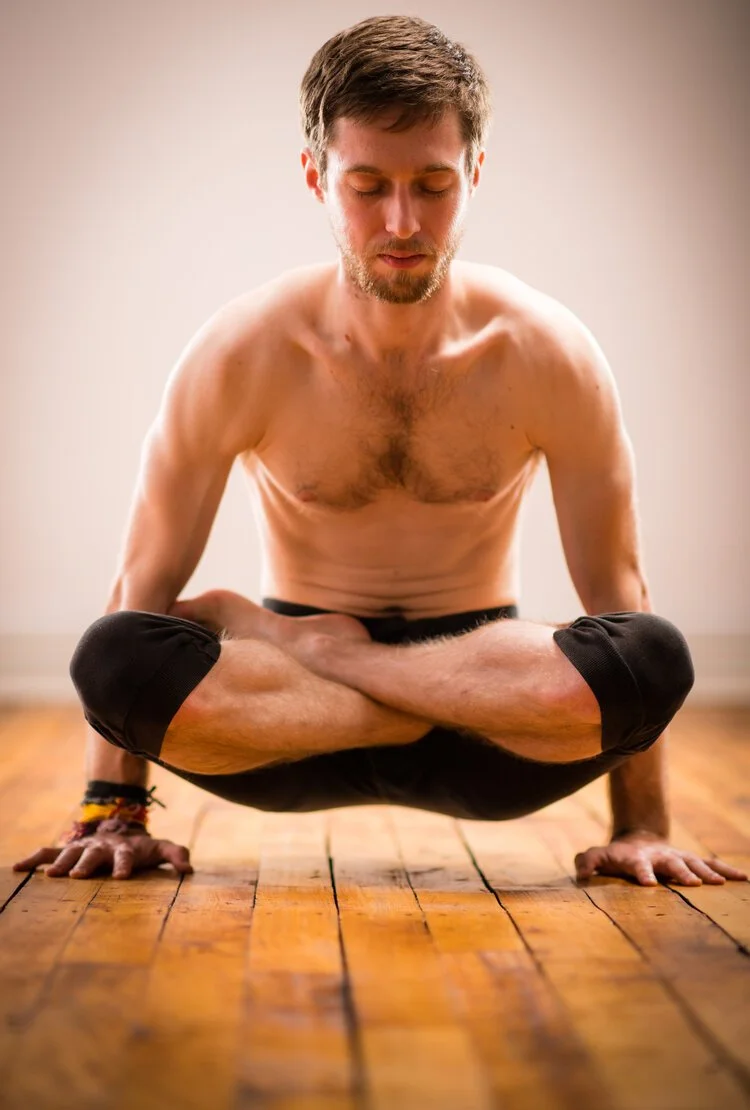
Image Source: images.squarespace-cdn.com
Exploring The Ancient Spiritual Origins: Why Was Yoga Developed?
Why was yoga developed? At its heart, yoga was developed in ancient India not primarily as a form of physical exercise, but as a powerful system for spiritual growth, self-knowledge, and ultimately, liberation from suffering. Its original goals were deeply rooted in Ancient Indian yoga and aimed at uniting the individual consciousness with the universal consciousness, a state often called union or oneness.
The Deep Roots: Origins of Yoga
Yoga’s story starts a very long time ago in ancient India. The Origins of yoga are not tied to one person or one single event. Instead, it grew slowly over thousands of years. Think of it like a big river fed by many streams. These streams came from different spiritual ideas and ways of life in that ancient land.
People back then were asking big questions. They wondered about life, death, suffering, and happiness. They saw that the world can feel messy. Minds can feel busy and restless. There seemed to be a lot of pain and trouble.
Early seekers wanted a way to find lasting peace. They wanted a way to connect with something deeper, something real and unchanging beyond the busy world. Yoga came from this deep need. It was a path to find inner quiet. It was a way to see truth. It was a path to connect with the divine, or what many called the ultimate reality.
It wasn’t just about stretching or bending the body. It was about training the mind. It was about disciplining one’s life. It was about looking inward.
Yoga’s Development History: A Long Journey
The History of yoga practice covers a huge amount of time. Scholars group it into different periods. This helps us see how yoga changed and grew.
The Earliest Days: Vedic Period
The very first hints of ideas like yoga are found in texts called the Vedas. These are some of the oldest writings from India, maybe from 1500 to 500 BCE (Before Common Era).
The Vedas talk about rituals and ways to connect with the gods and the cosmos. They mention practices like meditation and breath control. These were done by wise people or sages. They sought spiritual understanding and connection through these methods. These early practices were not called ‘yoga’ yet in the way we know it today. But they contained the seeds of what would become yoga. They showed an interest in inner life and connecting with a higher power.
Growing Ideas: Pre-Classical Period
This time roughly spans from 500 BCE to 200 CE (Common Era). During this period, new texts appeared. The Upanishads are very important here. They are part of the later Vedas.
The Upanishads go deeper into the big questions of life. They talk about Brahman (the ultimate reality) and Atman (the individual soul). A key idea in the Upanishads is that Atman and Brahman are one. But our busy minds and worldly focus make us forget this truth.
The Upanishads discuss early yoga-like ideas. They talk about disciplining the senses and the mind. They mention meditation as a way to realize the oneness of Atman and Brahman. The Bhagavad Gita is another crucial text from this time. It presents yoga not just as meditation, but also as a path of action without attachment (Karma Yoga), devotion (Bhakti Yoga), and knowledge (Jnana Yoga). It shows that different paths can lead to the same goal of spiritual union.
This period saw the ideas of yoga start to take more definite shape. It moved from being hinted at in rituals to being discussed as specific ways of living and practicing for spiritual insight.
Making it a System: Classical Period
This period is often linked with the Yoga Sutras of Patanjali, written around 200 CE. This text is hugely important. For the first time, yoga ideas were put together in a structured way.
Patanjali’s Yoga Sutras define yoga clearly. He says, “Yoga is the stilling of the changing states of the mind.” (Yoga Sutra 1.2, a simple way to say Chitta Vritti Nirodhah). This single line tells us a lot about the Original goals of yoga. It was primarily about calming the restless mind. Why calm the mind? So that the true self, the pure consciousness, can be seen without distortion.
Patanjali laid out an eight-limbed path, or Ashtanga Yoga. These eight parts are:
1. Yama: Ways to behave with others (like non-violence, truthfulness).
2. Niyama: Ways to behave with oneself (like purity, contentment, self-study).
3. Asana: Physical postures (in Patanjali’s time, this meant a stable and comfortable seat for meditation, not the many poses we see today).
4. Pranayama: Breath control techniques.
5. Pratyahara: Drawing the senses inward.
6. Dharana: Concentration (focusing the mind on one point).
7. Dhyana: Meditation (a steady flow of concentration).
8. Samadhi: A state of deep absorption or union.
Notice that in this original system, physical postures (Asana) were just one small part. And they were mainly for preparing the body to sit still for meditation. The main focus was on controlling the mind and senses. This period cemented yoga as a systematic way to achieve spiritual liberation.
New Paths Emerge: Post-Classical Period
After Patanjali, yoga continued to evolve. This period covers roughly 200 CE to 1000 CE and beyond. Many different teachers and traditions came up with new ideas and practices.
One major development was the rise of Tantra yoga. Tantra looked at the body differently. Instead of seeing the body as something to overcome, Tantra saw it as a tool or even a sacred vessel for spiritual work. Tantra practices aimed to work with the body’s energy (like Kundalini energy) to achieve liberation.
This shift paved the way for the development of Hatha Yoga.
Focusing on the Body: Hatha Yoga Period
This period became more prominent around the 10th-11th century CE. Texts like the Hatha Yoga Pradipika (15th century CE) are key here. Hatha Yoga built upon the physical practices hinted at earlier.
Hatha Yoga focused much more on asana (postures) and pranayama (breath control). But even here, the goal was still spiritual. The physical practices were not just for fitness. They were designed to:
* Make the body strong and healthy enough for long hours of meditation.
* Cleanse the body.
* Balance the body’s energies (like the sun and moon energies, ‘Ha’ and ‘Tha’).
* Awaken spiritual energy (Kundalini).
So, while Hatha Yoga put more focus on the physical, its Spiritual aims of yoga remained central. It was a means to an end – that end being the higher states of meditation and liberation talked about in earlier yoga.
Yoga Comes West: Modern Period
In the late 19th and 20th centuries, yoga started to travel outside of India. Swami Vivekananda was a key figure who presented yoga at the World’s Parliament of Religions in Chicago in 1893. Later teachers brought different styles of yoga to the West.
In the modern period, the physical aspects of yoga (asana) became much more popular. Many people around the world now know yoga mainly as a way to exercise, become flexible, and reduce stress. While these are benefits of physical yoga, they were not the original main Purpose of yoga.
Today, yoga is practiced in many ways. Some people focus purely on the physical poses. Others connect deeply with the spiritual and philosophical sides. The Evolution of yoga shows its amazing ability to adapt, while its core search for inner peace and truth continues in various forms.
Why Was Yoga Developed? Grasping the Core Purpose
Let’s go back to the fundamental question: Why was yoga created in the first place? As we saw, the answer is not simple because yoga developed over a long time. But we can identify the main drives and Original goals of yoga.
The primary motivation was spiritual. People sought liberation (moksha) from the cycle of birth, death, and rebirth (samsara). They saw this cycle as full of suffering (dukkha). Yoga offered a way out.
Here are some key aspects of the Purpose of yoga historically:
To Quiet the Mind
This is perhaps the most repeated goal in the early texts. The mind is often described as a wild monkey or a restless stream. It jumps from one thought to another. This constant activity creates disturbance. It keeps us from seeing clearly. Yoga practices, especially meditation and concentration, were designed to make the mind calm and steady.
To See Reality Clearly
With a quiet mind, one can see things as they truly are. Our minds often create filters based on our past, our desires, and our fears. These filters distort our view of reality. Yoga helps remove these filters. It allows for direct perception of truth, including the truth about oneself and the nature of existence.
To Realize the True Self
Ancient yoga teachings say that deep within us is a pure, unchanging consciousness (often called Atman or Purusha). This is our true self, different from the busy mind or the physical body. Yoga was developed to help people realize this true self. This realization brings freedom because the true self is not affected by the ups and downs of life.
To Achieve Union
The word “yoga” itself comes from the Sanskrit word “yuj,” which means to yoke or to unite. What is being united?
* The individual self (Atman) with the universal self (Brahman).
* The mind, body, and spirit.
* Our limited consciousness with infinite consciousness.
This union is the state of Samadhi, the peak of yoga practice. It’s a state of profound peace, knowing, and connection.
To Gain Control Over Oneself
Yoga provides tools for self-mastery. It’s about gaining control over:
* The body (through asana, mudra, bandha).
* The breath (through pranayama).
* The senses (through pratyahara).
* The mind (through dharana, dhyana, samadhi).
* One’s actions and desires (through yama and niyama).
This control is not about suppression, but about directing one’s energy and attention towards the highest goal.
To Burn Away Impurities (Karma)
Many ancient Indian philosophies speak of karma, the law of cause and effect. Actions driven by ignorance, desire, or aversion create karmic effects that bind us to suffering. Yoga practices were seen as a way to purify the mind and actions, burning away negative karma and preventing the creation of new binding karma.
Philosophy of Yoga: The Ideas Behind the Practice
The Philosophy of yoga provides the framework for its practices. It explains why these practices work and what they aim to achieve. While different schools of Indian thought have influenced yoga, some core ideas are common.
Dukkha and Suffering
A key idea is that life, as we usually experience it, is full of suffering (dukkha). This suffering comes from impermanence, dissatisfaction, and our mistaken idea of a separate self. Yoga seeks to end this suffering.
Karma and Rebirth
The belief in karma (action and its results) and samsara (the cycle of rebirth) is central. Yoga offers a way to step out of this cycle by purifying actions and transcending the ego.
The Nature of Reality
Different yoga philosophies have varied views, but many agree there are two main principles:
* Purusha: Pure consciousness, the observer, the self.
* Prakriti: Matter, nature, everything that changes (including the body, mind, and the world).
We suffer because we confuse Purusha with Prakriti. We think our body or mind is us. Yoga helps us separate these two and realize we are the pure consciousness, untouched by the changes of Prakriti.
Gunas: The Qualities of Nature
Prakriti is said to be made of three qualities or gunas:
* Sattva: Purity, clarity, balance.
* Rajas: Activity, passion, movement.
* Tamas: Inertia, darkness, heaviness.
Our minds and bodies are a mix of these gunas. Yoga practices aim to increase Sattva and reduce Rajas and Tamas, making the mind calm and clear, which is necessary for spiritual insight.
Ishvara: The Divine Principle
Some yoga paths, like Patanjali’s, include the idea of Ishvara, often translated as God, the Supreme Being, or a special type of Purusha untouched by suffering or karma. Devotion or surrender to Ishvara can be a practice to help quiet the mind and overcome obstacles.
Spiritual Aims of Yoga: Beyond the Mat
It’s important to emphasize that the Spiritual aims of yoga have always been its highest purpose. While physical health, flexibility, and stress reduction are valuable benefits, they were originally seen as side effects or steps on a much larger journey.
The ultimate spiritual aims include:
- Moksha (Liberation): Freedom from suffering and the cycle of rebirth.
- Kaivalya (Isolation): In some traditions like Patanjali’s, this means the separation of Purusha (consciousness) from Prakriti (matter), leading to pure, isolated awareness.
- Samadhi (Union/Absorption): A state of deep meditative absorption where the mind is fully absorbed in the object of meditation or the true self, leading to profound peace and realization.
- Self-Realization: Coming to know one’s true nature as pure consciousness.
- Union with the Divine: Experiencing oneness with the ultimate reality or universal consciousness.
These aims are not about achieving something outside of oneself, but about realizing what is already within. Yoga provides the map and the tools for this inward journey.
Early Yoga Texts: Written Guidance
To understand the Origins of yoga and its original purpose, we look at the Early yoga texts. These writings give us direct insight into the practices and Philosophy of yoga as taught by ancient masters.
Here’s a look at some key texts and their contributions:
| Text | Estimated Time Period | Key Ideas/Contribution | Focus |
|---|---|---|---|
| Vedas | 1500-500 BCE | Earliest mention of meditation, breath control in rituals; philosophical ideas emerge. | Ritual, early spiritual seeking |
| Upanishads | 800-400 BCE | Concepts of Atman and Brahman; meditation for self-knowledge; philosophical discussions. | Philosophy, meditation |
| Bhagavad Gita | 400 BCE – 200 CE | Different paths of yoga (Karma, Bhakti, Jnana, Dhyana); importance of duty and devotion. | Action, devotion, knowledge, meditation |
| Yoga Sutras | ~200 CE | Systematized yoga into an eight-limbed path; defined yoga as mind-stilling. | Mind control, systematic path to Samadhi |
| Hatha Yoga Pradipika | ~15th Century CE | Detailed guide to Hatha Yoga practices (asana, pranayama, mudra, bandha, kriya). | Physical and energetic practices |
These texts show how the History of yoga practice evolved. From early hints in the Vedas to the systematic approach of the Yoga Sutras and the body-focused methods of Hatha Yoga, the path and practices changed, but the deep spiritual purpose remained the guiding light for a long time.
Interpreting the Purpose Today
In the modern world, yoga is practiced by millions. For many, it’s a way to stay fit, reduce stress, or manage health issues. These are valid and good reasons to practice yoga. However, knowing the Original goals of yoga adds a deeper layer to the practice.
Even if someone starts yoga for physical benefits, they may find that the practice also calms their mind, helps them feel more present, and connects them with something deeper within themselves. This echoes the ancient Spiritual aims of yoga, even if the practitioner doesn’t use the traditional language of liberation or Samadhi.
The Evolution of yoga has brought it to a global stage. Its core tools – mindful movement, breath awareness, and meditation – are powerful techniques for well-being on all levels: physical, mental, and spiritual. While the physical asana is the most visible part today, remembering that it grew from a path aimed at the highest spiritual realization helps us grasp the true depth and potential of yoga.
It was developed to help humans answer the deepest questions about existence, find lasting peace amidst life’s changes, and realize their true, limitless nature. It was a technology of the self, designed for inner transformation.
Yoga’s Development History: A Summary
Let’s quickly look back at the journey of yoga’s development.
- Ancient Wisdom: Started with early spiritual ideas in the Vedas and Upanishads about meditation and self-inquiry.
- Philosophical Framework: Texts like the Bhagavad Gita added different paths and made yoga a part of broader spiritual philosophies.
- Systematization: Patanjali’s Yoga Sutras provided a clear, step-by-step system focused on mind control and liberation.
- Embracing the Body: Hatha Yoga introduced more detailed physical practices as a way to prepare for deeper meditation and spiritual energy work.
- Modern Spread: Yoga traveled globally, often emphasizing the physical aspects, but the underlying tools remain valuable for inner work.
Through all these changes, the core idea that yoga is a way to connect with one’s inner self and a higher truth has been a constant thread. The Purpose of yoga has always been about transformation from within.
Why it Matters Now: The Timeless Need
Why is this History of yoga practice and its Original goals of yoga still important today?
We live in a fast-paced world. Our minds are often busy. We face stress, anxiety, and a constant stream of information. The ancient problems that yoga sought to address – a restless mind, suffering, a feeling of disconnection – are still very much present today.
The tools of yoga, developed thousands of years ago for spiritual liberation, are also incredibly effective for dealing with modern challenges. Simple breath awareness can calm anxiety. Mindful movement can release tension. Taking time for quiet reflection can bring clarity.
By understanding the Spiritual aims of yoga, we can engage with the practice on a deeper level, even if we don’t identify with all the traditional philosophical concepts. We can see it as a path to:
* Greater self-awareness.
* Improved mental clarity.
* Emotional balance.
* A sense of peace and connection.
This deeper engagement unlocks more of yoga’s potential, moving beyond just a workout to a practice that truly nourishes the body, mind, and spirit, aligning with its ancient roots in Ancient Indian yoga.
Frequently Asked Questions
What is the primary original purpose of yoga?
The main original purpose was spiritual liberation (moksha) and self-realization, aiming to unite individual consciousness with universal consciousness. It was a path to end suffering by calming the mind and realizing the true self.
Was ancient yoga mainly about physical poses?
No, in ancient times, especially in Patanjali’s system, physical poses (asana) were just one small part of an eight-limbed path. Asana mainly meant a stable seat for meditation. The focus was primarily on mind control, breath control, and ethical living. The emphasis on a wide variety of physical postures came much later, mainly with Hatha Yoga.
Which early texts are most important for understanding yoga’s origins?
Key texts include the Vedas, Upanishads, Bhagavad Gita, and the Yoga Sutras of Patanjali. The Hatha Yoga Pradipika is crucial for understanding the development of physical yoga practices.
How did yoga change over time?
Yoga started as philosophical ideas and early meditative practices in the Vedas and Upanishads. It was systematized by Patanjali. Later, traditions like Hatha Yoga developed more physical practices. In modern times, yoga spread globally and is often practiced mainly for physical health and stress reduction, though the deeper spiritual path still exists.
Can someone practice yoga for physical health and still respect its origins?
Yes, absolutely. Practicing the physical postures offers real benefits like strength, flexibility, and stress relief. Knowing that these practices historically served a higher spiritual aim can add depth and meaning to the physical practice, making it a holistic journey.
What does “yoga” mean?
The word “yoga” comes from the Sanskrit word “yuj,” which means to yoke or to unite. This refers to the union of the individual self with the universal, or the union of mind, body, and spirit.
This long and rich history shows that yoga is far more than just exercise. It is a profound system, developed to answer humanity’s deepest longings for peace, truth, and connection. Its Yoga’s development history is a testament to the enduring human quest for spiritual freedom.